
A Parasite in the Lettuce, A System in Freefall: The US-Mexico Produce Crisis
The summer of 2026 was supposed to be about recovery—from the last pandemic, from the last drought, from the last economic shock. Instead, it has become a season of intestinal anguish that stretches from the verdant highlands of central Mexico to the emergency rooms of Michigan.
The summer of 2026 was supposed to be about recovery—from the last pandemic, from the last drought, from the last economic shock. Instead, it has become a season of intestinal anguish that stretches from the verdant highlands of central Mexico to the emergency rooms of Michigan. A microscopic parasite, Cyclospora cayetanensis, has ridden a wave of imported iceberg lettuce into the hearts of American fast-food chains and family kitchens, triggering the largest outbreak of its kind in United States history. But this is not merely a story about contaminated greens; it is a story about a food-safety apparatus that has been deliberately dismantled just as it faced its greatest test. The collision is happening now, and the consequences are being felt across the entire hemisphere.
A Parasite in the Lettuce, A System in Freefall: The US-Mexico Produce Crisis
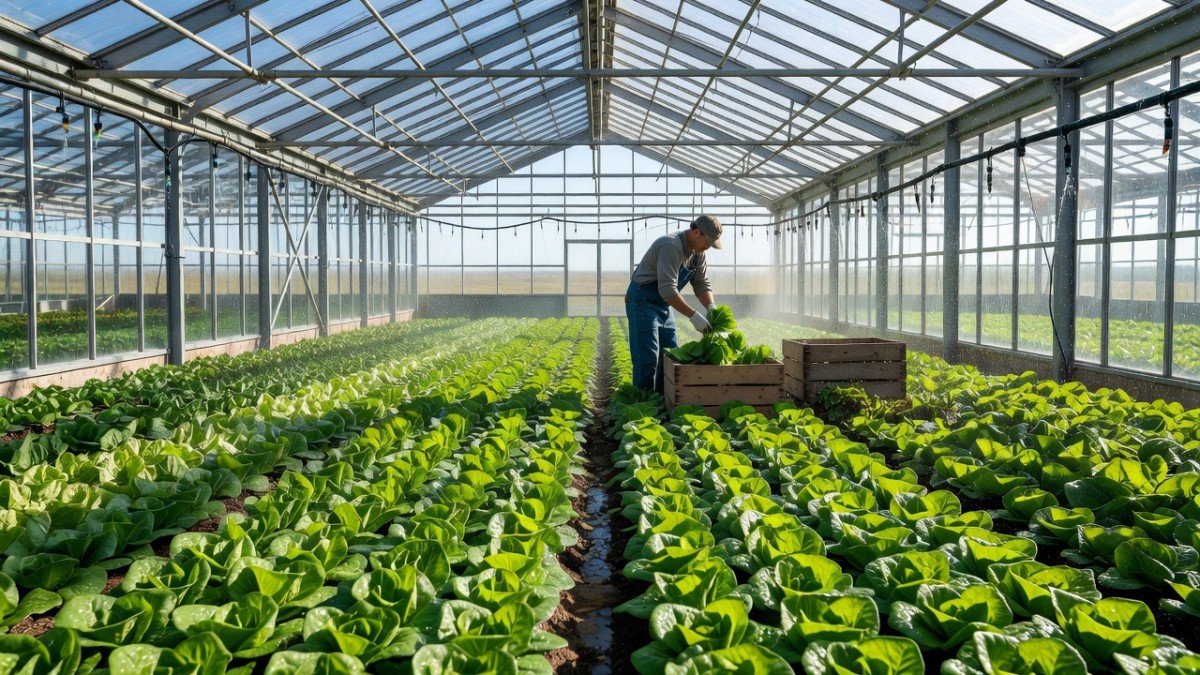
Caledonia, Michigan - September 6, 2026 — The irony is not lost on the growers here in the cold, damp fields of the American Midwest. As they harvest their own crisp, greenhouse-grown lettuce, they watch the news from Washington and Mexico City with a mixture of horror and vindication. The federal agencies tasked with keeping their products safe are bleeding talent and funding, while a parasite that thrives in warmer climates has found a perfect vector in the globalized produce trade. For decades, the United States has relied on Mexico for more than 20 percent of its total food imports—a staggering US$16 billion in fresh produce annually—creating an interdependence that is now proving to be a double-edged sword. When the system works, it delivers affordable, year-round nutrition. When it fails, as it has this summer, it exposes the fragility of a supply chain that spans thousands of miles and multiple regulatory jurisdictions, all of which are now operating with one hand tied behind their backs.
The Largest Cyclospora Outbreak in US History
The numbers are almost too large to comprehend. Since May 1, 2026, the Centers for Disease Control and Prevention (CDC) has recorded more than 17,000 laboratory-confirmed cases of Cyclospora infection—a staggering figure when compared to the mere 1,200 infections reported between May and August of the previous year. This is not a statistical blip; it is a public health emergency of the first order. As of August 28, more than 11,000 people across 20-plus states have been linked to the outbreak, with nearly 500 hospitalizations and two confirmed deaths, both occurring in Michigan. The Michigan Department of Health and Human Services (MDHHS) has been on the front lines, reporting 14,510 total cases statewide, 356 hospitalizations, and those two tragic fatalities as of August 27. Both deceased individuals had underlying health conditions, but their deaths underscore the severity of an infection that many mistakenly dismiss as a simple stomach bug.
Cyclospora cayetanensis is a single-celled parasite that causes severe watery diarrhea, debilitating cramping, and profound fatigue. Unlike many foodborne pathogens, it does not respond to common antibiotics; it requires specific treatment, and without it, symptoms can persist for weeks, leaving victims dehydrated and malnourished. The parasite has a long incubation period—typically a week or more—which makes traceback efforts extraordinarily difficult. By the time a patient sees a doctor, the contaminated meal is a distant memory. The outbreak has been linked to iceberg lettuce from Taylor Farms de Mexico, a major supplier that shipped product to Taco Bell and other outlets across the nation. The FDA issued a voluntary recall on July 17, 2026, but by then, the damage was done. The lettuce had already been consumed, the parasite had already spread, and the federal response was already compromised.
Mexico in the Crosshairs of a Produce Trade Worth Billions
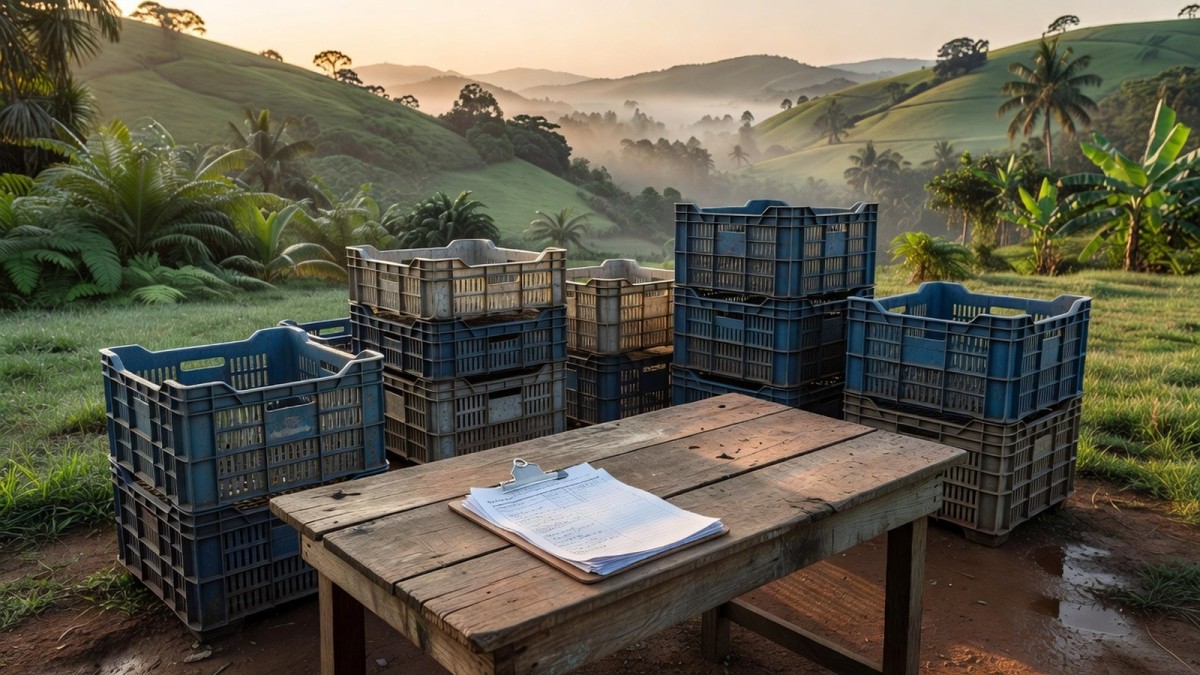
Mexico sits at the epicenter of this storm, not as a villain, but as a vital trading partner whose products are now under intense scrutiny. The Taylor Farms de Mexico facility in Guanajuato was inspected by Mexican authorities—COFEPRIS and SENASICA—from July 18 to 20, 2026. Their lab analyses of lettuce and water samples found no trace of Cyclospora cayetanensis or fecal coliforms, a finding that complicates the narrative of simple contamination. Even a detained shipment at Laredo, Texas, which initially tested positive, was later called a false result by the FDA. This is not a clean-cut case of negligence; it is a puzzle that speaks to the complexity of agricultural water systems, environmental factors, and the limitations of current testing protocols.
The scrutiny extends beyond lettuce. The summer of 2026 has been a cascade of recalls from Mexican producers. Salmonella Javiana in jalapeños from Sinaloa, linked to Coast Citrus Distributors, sickened more than 300 people in a recall announced July 22 and expanded on August 5. Salmonella in mangoes from Mexico, distributed by Panorama Produce under the Martina brand and grown by Agrofepac, was recalled on August 28. These are not isolated incidents; they are symptoms of a systemic vulnerability. Mexico is the ninth-largest food producer and eleventh-largest food exporter worldwide, and its proximity to the US market makes it indispensable. But that dependence cuts both ways. When a single farm in Guanajuato or Sinaloa has a problem, it reverberates through the entire North American food supply, affecting everything from fast-food value menus to high-end grocery store salad bars.
A Hollowed-Out Food-Safety Net
The most disturbing aspect of this outbreak is not the parasite itself, but the state of the agencies that are supposed to catch it. The FDA has lost 3,859 employees in fiscal year 2025 and an additional 473 in FY2026. The CDC has shed 2,499 staff members, followed by 390 more. The USDA has been decimated, losing 19,984 workers in 2025 and another 2,269 in 2026. The USDA Food Safety and Inspection Service (FSIS) is down 913 inspectors across both years. This is not attrition; it is a systematic dismantling. Health and Human Services Secretary Robert F. Kennedy Jr. announced the removal of 3,500 FDA staff—20 percent of the agency—including more than 170 from the Office of Inspections and Investigations, the very unit responsible for catching contaminated imports before they reach consumers.
The proposed FY2026 FDA budget would cut Field Laboratory Operations by a staggering 54.4 percent. The FDA employed only 443 food-safety inspectors in 2024 to cover 36,600 facilities, despite estimates that it needs roughly 1,500 to do the job adequately. States conduct about 90 percent of produce inspections under federal grants that are now facing cuts approaching 60 percent. Foreign facility inspections are at their lowest level since the Food Safety Modernization Act (FSMA) was passed in 2011. The consequences are measurable. In 2024, the FDA investigated 26 outbreaks and identified the source in 20 of them—a 77 percent success rate. In 2025, that number collapsed: the agency closed just 11 investigations and found the source in only 4, a dismal 36 percent. When you cannot find the source, you cannot stop the spread. This outbreak is not a failure of science; it is a failure of political will.
Research Defunded in the Middle of the Outbreak
Perhaps the most heartbreaking casualty of this budget war is the loss of scientific expertise at the exact moment it is needed most. Congress zeroed out two of three federal Cyclospora research projects at the Beltsville Agricultural Research Center in Maryland for FY2026. The third project is being relocated to Iowa, a state with a very different agricultural profile and climate. USDA scientists, many of whom have spent decades studying this parasite, have declined to relocate. They are leaving federal service, taking their institutional knowledge with them. One anonymous USDA researcher called the record outbreak "an enormous opportunity" to gather samples and understand the pathogen's lifecycle—an opportunity that is being lost because the funding and personnel simply are not there.
The USDA has lost 18 percent of its workforce in the first six months of the current administration. This is not a minor adjustment; it is a hemorrhage of expertise. The scientists who remain are overworked, demoralized, and unable to keep pace with the demands of a globalized food system. The research that could have predicted this outbreak—that could have identified the environmental conditions that allow Cyclospora to thrive in irrigation water—has been shelved. The data that could have informed better testing protocols is not being collected. The United States is flying blind into a public health crisis, and the people who could have turned on the lights have been shown the door. This is not just a tragedy for American consumers; it is a tragedy for the entire hemisphere, because the knowledge lost here is knowledge that could have protected farmers and consumers in Mexico, Chile, Peru, and beyond.
What This Means for Latin America
For Latin American exporters, this outbreak is a wake-up call that transcends national borders. There is currently no uniform water-safety certification that requires Mexican produce suppliers to verify the quality of their irrigation water before exporting. This is a glaring gap in the system. Cristobal Chaidez, a researcher at the National Laboratory for Research in Food Safety in Mexico, has long warned that agricultural water is a persistent vulnerability. During droughts, which are becoming more frequent and severe due to climate change, small growers may resort to using lower-quality water sources—water that may be contaminated with pathogens like Cyclospora. The parasite is notoriously resistant to standard chlorine treatments, making water quality even more critical.
The response from Mexican authorities has been proactive, but it is hampered by the same resource constraints facing their US counterparts. Mexico has activated an interagency task force involving SADER, the Ministry of Health, COFEPRIS, and SENASICA, working in coordination with the FDA. The US-Mexico Food Safety Partnership, renewed in March 2026, is a positive step, and Victor Borja, the head of COFEPRIS, has stressed the importance of transparency and information sharing. But these efforts are reactive. The lesson for the entire region—from Chile's fruit growers to Peru's asparagus farmers to Brazil's poultry producers—is that prevention must be built into the system, not bolted on after a crisis. The current model, which relies on end-of-line testing and recall announcements, is fundamentally broken. What is needed is a regional investment in water infrastructure, laboratory capacity, and inspector training. The cost of inaction is measured not just in dollars, but in lives.
The Local-Sourcing Shift: Trust Moves Closer to Home
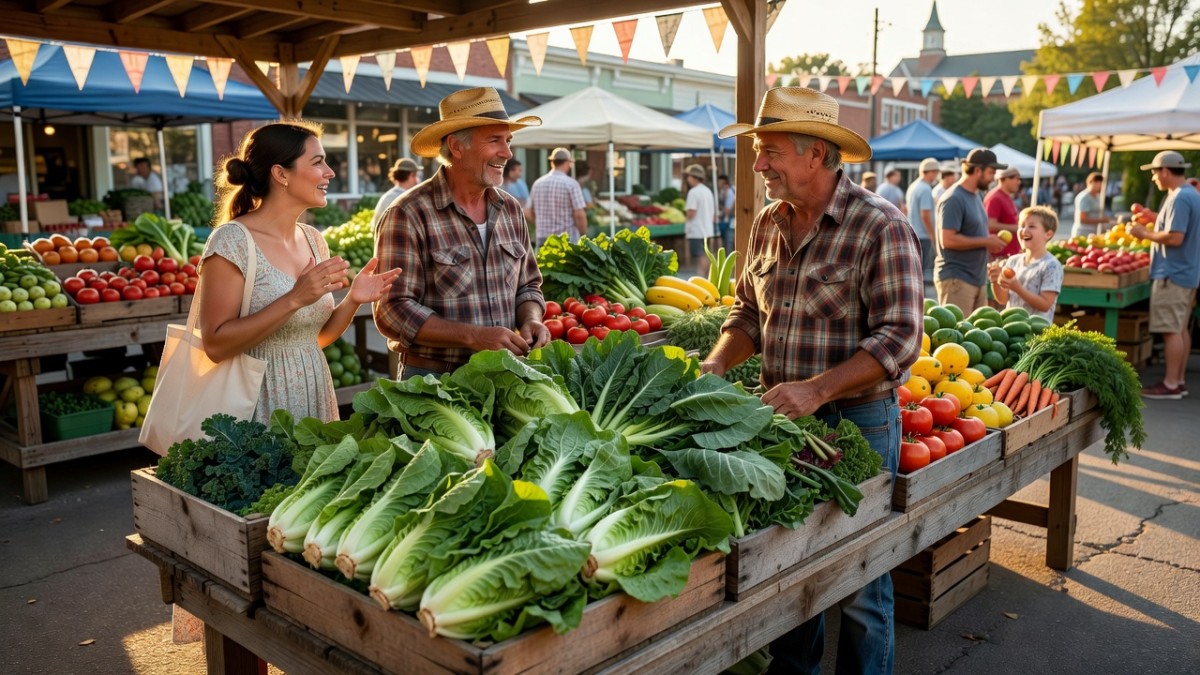
In the midst of this crisis, a quiet revolution is taking place in American food retail. Consumers are voting with their wallets, and they are choosing local. Revolution Farms by Peckham, a greenhouse lettuce grower in Caledonia, Michigan, initially saw sales dip as the outbreak dominated headlines. But soon, questions began to shift. Tim Vogelzang, the Assistant Vice President of Horticulture, notes that greenhouse-grown produce offers a higher safety standard than field-grown imports, and consumers are starting to ask a fundamental question: "Where did I get this produce?" The answer, increasingly, is from farms they can see, farmers they can meet, and supply chains they can trace.
Michigan farmers markets are selling out. Hillcrest Farms sold 158 heads of romaine lettuce in just two days. Green Things Farm Collective near Ann Arbor, Seva Farms, and the Ann Arbor Farmers Market are all reporting unprecedented demand. Shoppers say they trust local vendors more than grocery stores during the outbreak, a sentiment that reflects a deep erosion of confidence in the industrial food system. But experts caution against romanticizing local food. Emma Hardy, a food-systems PhD candidate at the University of Michigan, points out that "local is not magically always better." Small farms can have contamination issues too. However, she acknowledges that shorter supply chains are inherently more traceable. When a problem does occur, it can be identified and contained quickly, rather than spreading across 20 states before anyone notices. The shift toward local is not a panacea, but it is a rational response to a system that has failed to protect its consumers.
The Bottom Line: What Comes Next
As the leaves begin to turn in Michigan and the harvest season gives way to autumn, the question on everyone's mind is: what happens next? The FSMA, once hailed as a landmark piece of food-safety legislation, is facing delays and rollbacks. Provisions that would have required more rigorous testing of imported produce are being weakened or postponed. The pending policy decisions in Washington will determine whether this outbreak is a tragic anomaly or a preview of a grim future. If the cuts to the FDA, USDA, and CDC are allowed to stand, if the research funding is not restored, if the inspection system is not rebuilt, then this will happen again. It is not a matter of if, but when.
Both sides of the border need prevention, not reaction. The United States needs to invest in its federal food-safety agencies, restoring the inspectors, scientists, and laboratory capacity that have been stripped away. Mexico needs support to build a robust water-safety certification system and to provide its small growers with the resources they need to comply. The US-Mexico Food Safety Partnership must move beyond rhetoric and into concrete action, with joint training programs, shared data platforms, and coordinated response protocols. This is not a matter of charity or political favor; it is a matter of mutual self-interest. The produce trade between the two nations is worth billions of dollars and supports millions of jobs on both sides of the border. It is too important to be left to chance. The parasite has exposed the cracks in the system. The question is whether we have the wisdom and the will to repair them before the next outbreak strikes.
By Elena Vasquez, Staff Writer
This article was produced with AI-assisted research and editorial support. Reporting is based on sources cited in the article.
What's Your Reaction?
 Like
0
Like
0
 Dislike
0
Dislike
0
 Love
0
Love
0
 Funny
0
Funny
0
 Wow
0
Wow
0
 Sad
0
Sad
0
 Angry
0
Angry
0

Latin America Correspondent at Global1.News. Based in Mexico City, covering politics, economics, energy, and culture across the region. Brings an on-the-ground perspective to stories spanning from the Rio Grande to Patagonia.












Comments (0)