
700MW data center project proposed outside Lansing, Michigan
When a local economic development agency drops a $10 billion, 700 MW data‑center proposal on a township that just slapped a 12‑month moratorium on such projects, you know someone’s trying to sprint past the community’s consent process.
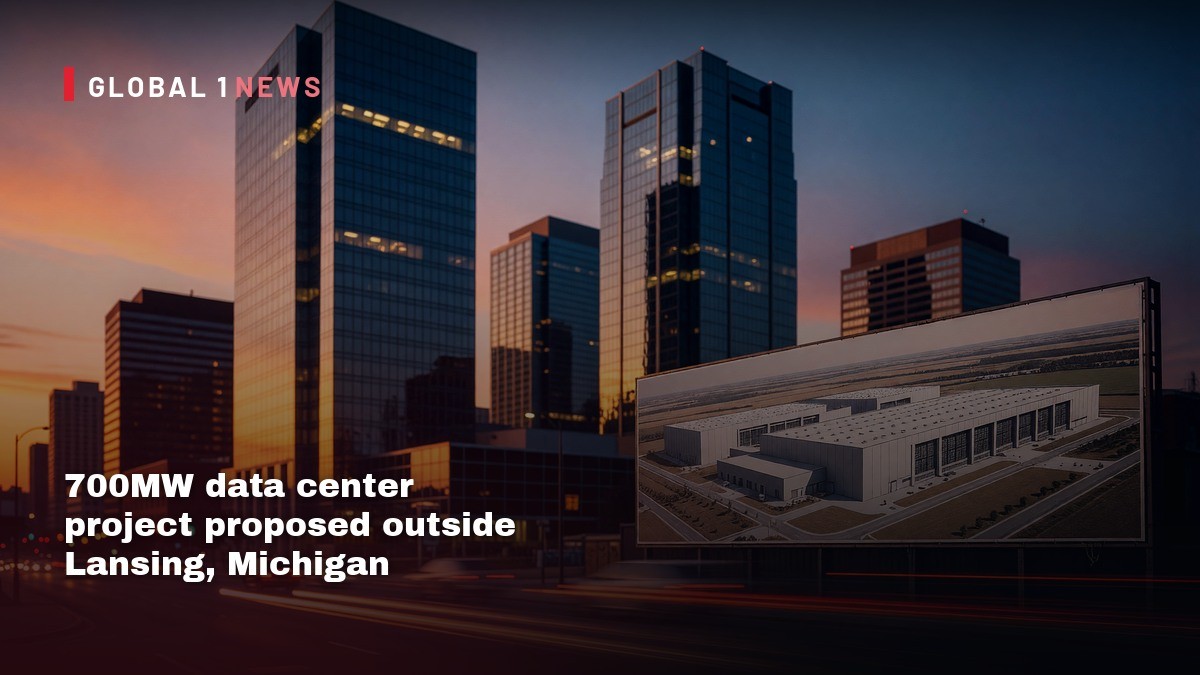
When a local economic development agency drops a $10 billion, 700 MW data‑center proposal on a township that just slapped a 12‑month moratorium on such projects, you know someone’s trying to sprint past the community’s consent process. That’s exactly what happened outside Lansing, Michigan, where the Lansing Economic Area Partnership (LEAP) and a newcomer called Lighthouse Sustainability announced a massive data‑center campus on a 423‑acre parcel in Holt, Delhi Township. The move has left local officials fuming, residents bewildered, and the whole episode a textbook case of why founders need to keep a hard eye on the real‑world risk of “community‑first” hype that never actually delivers.
Why the announcement blindsided the township
The Holt Economic Opportunity Park sits on College Road, a site previously used for gravel mining. LEAP and Lighthouse chose to publicize their intent without filing any land‑use application, and without even naming a prospective tenant. As the source material notes, “no application has been filed, and no end user has been identified.” That is a red flag for any independent hosting provider: you cannot sell capacity you haven’t secured, and you cannot promise jobs you haven’t proven will exist.
Delhi Township’s board discovered the plan through a press release, not through a formal planning process. Their reaction was immediate and scathing, with the board stating they learned of the proposal “at the same time as members of the media.” The township even moved to end its membership with LEAP effective immediately. When you bypass the very local governance structures that control zoning and land‑use, you invite the kind of backlash that can stall a project for years, if not kill it outright.
The moratorium and why it matters
In April 2026, Delhi Township enacted a 12‑month moratorium on new data‑center projects. The timing is crucial. Moratoria are not just bureaucratic foot‑dragging; they are a community’s way of saying “hold your horses while we assess the impact on power, water, and traffic.” By announcing a $10 billion, 700 MW venture during that window, LEAP and Lighthouse are effectively asking the township to suspend its own precautionary measure.
From a risk‑management perspective, any founder looking to partner with local agencies must respect these moratoria. Ignoring them can lead to costly delays, legal challenges, and reputational damage. The fact that LEAP claims it will “respect that moratorium and focus on a community engagement strategy” sounds polite, but the timing of the announcement suggests a strategic gamble rather than genuine deference.
Who’s behind Lighthouse Sustainability?
Lighthouse Sustainability is a brand‑new data‑center firm founded by Gary Dorris, who previously ran Ascend Analytics, an energy‑analytics software and consulting shop. Dorris’s pitch leans heavily on “cleaner, more affordable power” and a pipeline of “more than 2 GW” of projects, yet the Holt site is the only one listed on the company’s website. That disparity raises a red flag: a founder touting a massive pipeline but only having one concrete site is a classic VC‑funded hype pattern.
For independent hosting operators, the lesson is clear: don’t be seduced by lofty pipeline numbers without concrete, signed‑off sites. The reality of building a data centre—securing power contracts, negotiating land use, and delivering on SLA guarantees—means that a single, well‑vetted project is far more valuable than a speculative pipeline that never materialises.
The financial optics: $10 billion and a $6.5 million grant
The proposal’s headline figure—$10 billion—sounds impressive, but it’s a top‑line estimate that masks the actual cash flow risk. The only concrete public funding mentioned is a $6.5 million state grant secured by LEAP for site readiness. That grant covers preliminary work, not the capital‑intensive build‑out of power infrastructure, cooling, or server racks.
From a founder’s standpoint, this disparity between headline spend and actual funded components is a cautionary tale. When you pitch a multi‑billion project to a community, you must be ready to back it with firm financial commitments. Otherwise you risk being labelled a “paper project” and losing the trust of both investors and local stakeholders.
Community engagement or window‑dressing?
LEAP and Lighthouse claim they will embark on a “community engagement strategy for possible future development.” The press release promises residents time to “examine studies, question the project team, and provide input.” Yet the township’s board has already scheduled a special meeting to consider a resolution opposing any data‑center development, and they are calling on Lighthouse to “keep its promise and stop its proposal if it attracts local opposition.”
In practice, community engagement becomes meaningful only when it occurs before a project is announced as a fait accompli. Here, the engagement appears to be an after‑the‑fact damage‑control move. Independent providers should embed genuine community input early—ideally at the site‑selection stage—so that the risk of a last‑minute veto is mitigated.
Risk implications for independent hosting providers
The Holt episode underscores three core risks for any founder eyeing a data‑center build‑out: regulatory risk, community acceptance risk, and financing risk. The regulatory risk is evident in the township’s moratorium and the lack of a filed land‑use application. Community acceptance risk is highlighted by the township board’s immediate backlash and the scheduled opposition resolution. Financing risk is hinted at by the gap between the $10 billion headline and the modest $6.5 million grant.
Founders must construct a risk matrix that quantifies these variables before committing capital. The Holt case is a reminder that the “best practice” checklist of “secure power, secure land, secure permits” must be followed in that exact order, not shuffled to accommodate a headline‑grabbing announcement.
Actionable takeaways for founders and independent providers
First, align your project timeline with local regulatory windows. If a municipality has a moratorium, pause your public announcements until the moratorium expires or you have a signed land‑use permit. Second, secure a concrete tenant or at least a firm power purchase agreement before touting megawatt capacities. Third, ensure community engagement is genuine, not a PR afterthought—host town‑hall meetings before you file a press release. Fourth, be transparent about financing: differentiate between grant‑supported site prep and the full capital stack needed for build‑out.
Finally, keep your eye on the bottom line: a data centre that can’t get past the local board will never generate revenue, no matter how clean the power or how flashy the marketing. The Holt saga is a textbook example of how a project can be derailed before the first rack is even racked. Independent hosting providers who respect local governance, back hype with hard data, and embed community input early will navigate these pitfalls and actually deliver on the promise of affordable, resilient infrastructure.
— Allan Ali, Founder
This article was produced with AI-assisted research and editorial support. Reporting is based on the source material cited below. Sources: Data Center Dynamics; datacenterdynamics.com; Global1.News (30 October 2026).
By Allan Ali, Global1.News
What's Your Reaction?
 Like
0
 Dislike
0
 Love
0
 Funny
0
 Wow
0
 Sad
0
 Angry
0

Publisher of Global1.News. Automation architect, systems builder, and the guy making sure the truth gets published.












Comments (0)