
VP Sara, Prosecution Agree Impeachment Trial Must Not Be Delayed
Vice President Sara Duterte and the House prosecution panel agree the impeachment trial must not be delayed, but clash on due process. The Senate trial, running two to three days behind schedule, faces weather delays and long witness testimonies as both sides push for speed.
In a recent ANC 24/7 report, The Weekend Wrap highlighted a rare moment of agreement between Vice President Sara Duterte and the House prosecution panel: the impeachment trial at the Senate must not be delayed. For ordinary Filipinos watching from their living rooms in Quezon City or listening on radios in Davao, this convergence signals that the historic proceedings—now running two to three days behind schedule—may finally pick up pace, offering a clearer answer to the question many have been asking: did the Vice President commit impeachable offenses?
VP Sara, Prosecution Agree Impeachment Trial Must Not Be Delayed; Both Sides Push for Speed But Clash on Due Process
Manila, Philippines – August 22, 2026 — Vice President Sara Duterte and the House prosecution panel have found common ground on at least one thing: the impeachment trial must not be delayed. In a chance interview with media in Zamboanga City on Wednesday, Duterte called for a speedy resolution of the proceedings, while the prosecution panel on Thursday expressed support for her call—but with a firm caveat that due process must not be sacrificed. The trial, which began on July 6 at the Senate sitting as an impeachment court, is now running two to three days behind schedule due to weather cancellations and lengthy witness testimonies, according to Senate impeachment court spokesperson Atty. Reginald Tongol.
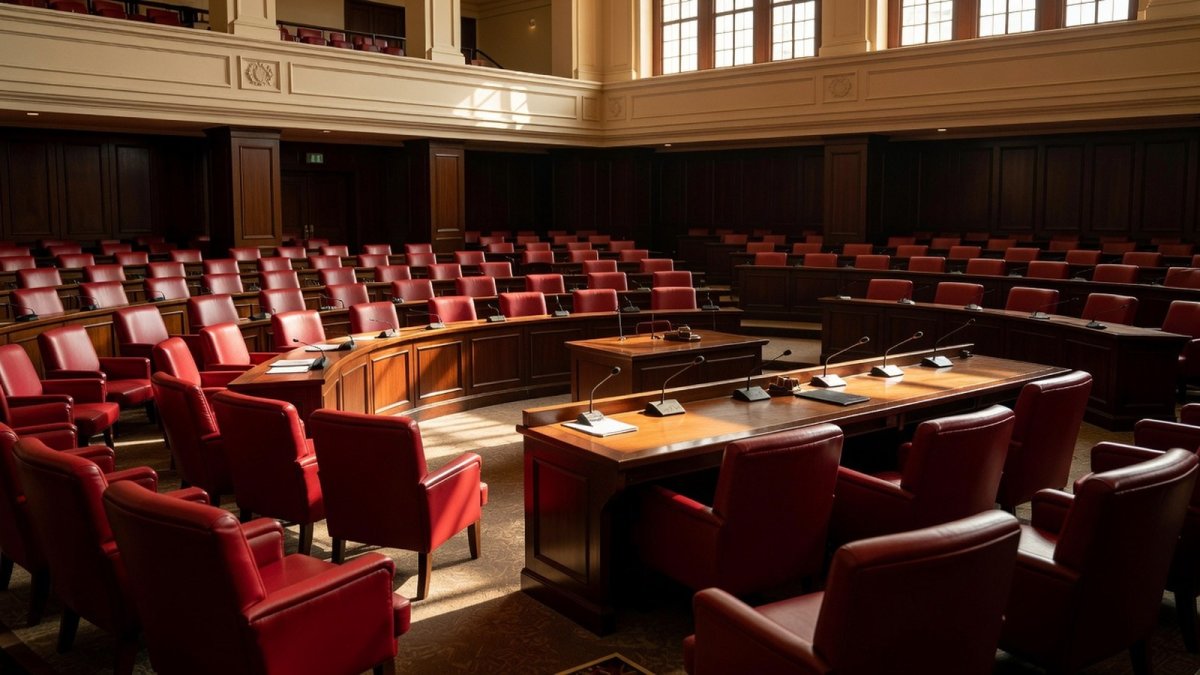
A Historic First: Double Impeachment and a Trial Under Pressure
Vice President Sara Duterte is the first Philippine official in history to be impeached twice, a distinction that has placed the Senate under intense public scrutiny. The trial, presided over by Senate President Francis "Chiz" Escudero, has already seen significant developments: the Senate declared its first hostile witness on August 18 as a P125 million cash transfer was revealed, and a Commission on Audit (COA) auditor confirmed that confidential funds were released across the Philippines. The allegations against Duterte include misuse of confidential funds—which prosecution counsel Atty. Lorna Kapunan has called a "scam"—and a threat case related to alleged threats against President Ferdinand Marcos Jr. and his family.
The weight of these allegations is not lost on the public. In sari-sari stores across Manila and in jeepney terminals in Cebu, the trial has become a topic of daily conversation, even as flooding from the southwest monsoon competes for attention in many barangays. Many Filipinos say they want the truth to come out — but they also want the process to end so the government can focus on other pressing problems like the floods.
VP Sara's Speedy Trial Call: A Constitutional Right or a Strategic Move?
Speaking to reporters in Zamboanga City on Wednesday, Duterte made her position clear: the process must not drag on. "Gusto lang sana namin ay mapabilis 'yung proseso dahil hindi pwedeng tumatagal yung proseso natin na nag-iisip yung mga tao na 'Ano ba? Totoo ba na may ginawang masama? Hindi ba totoo 'yung mga akusasyon?'" she said. Translation: "We just want to speed up the process because our process cannot drag on while people think, 'What is it? Is it true that something bad was done? Are the accusations not true?'"
Duterte invoked the Constitution, saying, "So dapat mabilis yung proseso kasi nga 'di ba sa ating Constitution nandiyan yung speedy administration." Her call for a speedy trial is rooted in a legitimate constitutional principle—the right to a speedy disposition of cases—but it also carries political weight. A prolonged trial keeps the allegations in the headlines, feeding public uncertainty and potentially eroding her political capital ahead of the 2028 elections. By calling for speed, Duterte positions herself as someone eager to clear her name, a narrative that could resonate with her base in Mindanao and beyond.
However, her stance on personal appearance remains unchanged. Duterte stood pat against calls for her to appear personally before the impeachment court, even if it would hasten proceedings. She also canceled a planned personal trip to Japan, as disclosed by Palace press officer Undersecretary Claire Castro, in a letter signed by her chief of staff, Undersecretary Zuleika Lopez. The cancellation suggests that while Duterte wants speed, she is not willing to alter her defense strategy to achieve it.
Prosecution Backs Speed But Insists on Due Process
The House prosecution panel, led by adviser and spokesperson former Surigao del Norte Rep. Robert Ace Barbers, responded on Thursday with a carefully worded statement. "The House prosecution panel is one with Vice President Sara Z. Duterte in wanting a speedy impeachment trial, but said her defense team should also be on the same page and help avoid unnecessary delays in the proceedings," the press release read. Politiko reported that the panel "expressed support for a speedy Senate impeachment trial, but stressed that it should not come at the expense of a complete presentation of evidence or due process for both sides."
This is a delicate balancing act for the prosecution. On one hand, they cannot be seen as obstructionist, especially when the Vice President herself is calling for speed. On the other hand, they have a case to present—31 days have been allotted for the prosecution's presentation of Article I of the impeachment complaint, and they have already faced two weather-related postponements. The prosecution's concern is that rushing the trial could compromise the completeness of their evidence, particularly in the threat case where they have reserved the right to call the Vice President as a witness.
Prosecution counsel Atty. Lorna Kapunan has proposed a practical solution: an afternoon schedule. In a press briefing on Wednesday, Kapunan said she prefers afternoon sessions so that testimonies are not cut short when the allotted time runs out. This proposal, which the Senate impeachment court is currently studying, could help address the backlog caused by lengthy witness testimonies. The trial is already two to three days behind schedule as of August 19, according to Tongol, and the court is exploring adjustments to the trial schedule to make up for lost time.

Weather, Witnesses, and the Wrath of the Habagat
The trial's delays are not entirely within anyone's control. The first postponement came on August 10 due to the southwest monsoon, or habagat, which brought persistent rains and flooding to Metro Manila and nearby provinces. A second postponement followed on August 18, again due to bad weather. These cancellations have real-world consequences: every day lost is a day that senators, witnesses, and court staff must rearrange their schedules, and a day that the public must wait longer for resolution.
The weather has also been a reminder of the broader challenges facing the country. The ANC 24/7 Weekend Wrap description noted that "Filipinos are getting no break as persistent rains flood streets and homes." For many, the impeachment trial is a distant concern compared to the immediate threat of rising floodwaters in their barangays. Yet the trial's delays have a cascading effect on public trust in government institutions. When the Senate cannot stick to its schedule, it feeds a narrative of inefficiency that undermines confidence in the impeachment process itself.
The length of witness testimonies has also contributed to the backlog. Day 15 of the trial, held on August 12, saw a COA auditor grilled over P450 million in disallowed funds, as earlier reported. Day 16 focused on mounting COA evidence, with the Senate weighing afternoon sessions to accommodate the volume. Day 17 was canceled on August 19, further setting back the schedule. The prosecution's case is complex, involving detailed financial records and allegations of a "scam" in the use of confidential funds. Each witness requires time to present and cross-examine, and cutting corners could weaken the case.
The Defense's Warning: A Potential Star Witness
While the prosecution pushes for speed, the defense has its own concerns. Duterte's lawyer has warned that prosecution witness Madriaga, an alleged bagman, faces "slaughter" at the impeachment trial and could become a "star witness" for the defense if presented. This warning suggests that the defense is prepared to aggressively challenge the prosecution's witnesses, which could further prolong the proceedings. If Madriaga's testimony backfires on the prosecution, it could shift the momentum of the trial and give the defense ammunition to argue that the case against Duterte is weak.
The defense's strategy appears to be twofold: challenge the credibility of prosecution witnesses while simultaneously calling for a speedy trial. This approach puts the prosecution in a difficult position. If they agree to speed up the process, they risk not fully developing their case. If they resist, they risk appearing obstructionist. The prosecution's insistence on due process is therefore not just a legal principle—it is a strategic necessity.
The Supreme Court's dismissal of petitions against the impeachment on August 5 has cleared the legal path for the trial to proceed, but it has not resolved the underlying political tensions. The trial is not just a legal proceeding; it is a political battle that will shape the landscape for the 2028 elections. President Ferdinand Marcos Jr. and Vice President Duterte, once allies, are now on opposite sides of this impeachment, and the outcome could redefine the country's political alliances.
What to Watch For
In the coming days, the Senate impeachment court's decision on schedule adjustments will be critical. If the court adopts the prosecution's proposal for afternoon sessions, it could accelerate the pace of testimony and help the trial catch up to its original timeline. However, the court must also balance the need for speed with the rights of the defense to cross-examine witnesses thoroughly. The defense's warning about Madriaga suggests that contentious witness testimony could still cause delays.
The public should also watch for any movement on the threat case, where the prosecution has reserved the right to call Vice President Duterte as a witness. If the prosecution decides to exercise this right, it could force a confrontation that tests the Vice President's resolve to avoid personal appearance. Duterte's call for a speedy trial may be sincere, but it will be tested if the prosecution demands her testimony.
For the Filipino people, the stakes are high. This trial is not just about one official; it is about the integrity of the country's democratic institutions. A fair and timely trial would demonstrate that no one is above the law, while a prolonged or chaotic process would reinforce cynicism about the political class. As the rains continue to fall and the trial grinds on, the nation watches—hoping for clarity, justice, and an end to the uncertainty.
The agreement between Vice President Duterte and the prosecution on the need for speed is a positive sign, but it is only the first step. The real test lies in whether both sides can translate this agreement into action, navigating the complexities of due process, witness testimony, and the unpredictable Philippine weather. For now, the trial continues, and the Filipino people wait—with patience wearing thin—for the truth to emerge.
By Bella Reyes, Staff Writer
This article was produced with AI-assisted research and editorial support. Reporting is based on sources cited in the article.
What's Your Reaction?
 Like
0
Like
0
 Dislike
0
Dislike
0
 Love
0
Love
0
 Funny
0
Funny
0
 Wow
0
Wow
0
 Sad
0
Sad
0
 Angry
0
Angry
0

Philippines/Southeast Asia Correspondent at Global1.News. Manila-based journalist covering Philippine politics, environment, maritime security, and social issues. Passionate about marine conservation and the communities protecting the Philippines' natural heritage.














Comments (0)