
Thais donate 269 million baht for Thai-Cambodian border fence and shelters
Thailand’s spirit of collective responsibility shone brightly this week as citizens contributed more than 269 million baht to the Hataitip Fund, a charitable pool dedicated to strengthening the Thai‑Cambodian frontier.
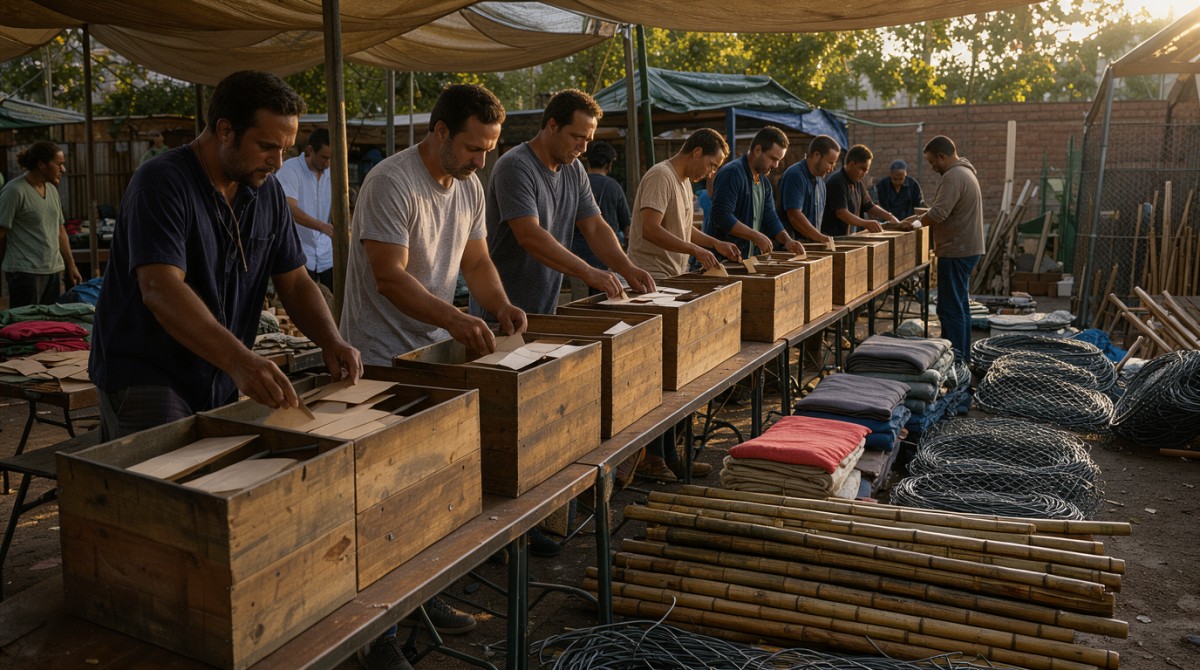
Thailand’s spirit of collective responsibility shone brightly this week as citizens contributed more than 269 million baht to the Hataitip Fund, a charitable pool dedicated to strengthening the Thai‑Cambodian frontier. The donation, recorded on 24 November 2026, reflects a deep‑rooted sense of community that ties together the nation’s Buddhist values, the resilience of border villages, and the broader security concerns that shape Southeast Asian geopolitics. As the funds flow into concrete projects—fencing, bunkers and civilian shelters—they also weave a narrative of shared purpose that resonates far beyond the physical line on the map.
Community generosity fuels border security
The Hataitip Fund, operating under the respected Chulabhorn Foundation, received the 269 million‑baht contribution from Thai donors across the country. This collective act of giving underscores how ordinary citizens view national defense not merely as a military task but as a communal duty. In Buddhist tradition, the concept of “mettā” – loving‑kindness – often inspires acts of generosity, and this donation is a modern expression of that principle, channelled toward protecting both soldiers and civilians who live near the border.
The transparent accounting—splitting the contributions between the Royal Thai Armed Forces Headquarters and the Royal Thai Army—offers donors a clear view of how their generosity translates into tangible safety measures for the communities that line the frontier.
Fencing the frontier: progress in Chanthaburi
In the Pong Nam Ron district of Chanthaburi province, the Armed Forces Headquarters has already marked significant milestones. A 1.31‑kilometre stretch of border fence has been completed, providing a physical barrier that helps deter unauthorized crossings and illegal activities that have historically troubled the region. Additionally, a longer 3.45‑kilometre segment is now 96 percent finished, signalling that the project is well on its way to completion.
Looking ahead, planners have earmarked another 3.62 kilometres for a later phase, ensuring that the fence will eventually extend across a broader swath of the border. While the exact timeline for this next stage remains to be announced, the steady progress reflects a coordinated effort between civil donors, the armed forces, and local authorities, all working together to secure the boundary that separates Thailand from its neighbour.
Roads that connect and protect
Beyond the fence itself, the Armed Forces Headquarters has invested in infrastructure that enhances mobility for both military personnel and local residents. In total, 9.61 kilometres of roadwork have been completed within Pong Nam Ron. This includes a 1.23‑kilometre access road designed to bring construction materials and heavy machinery to the fence sites, a practical necessity that speeds up the building process.
Equally important is the 8.38‑kilometre patrol road, which the headquarters intends to pave. This route will enable border patrols to move more efficiently along the frontier, improving response times in case of incidents. For villagers, the improved road network also promises better access to markets, schools and health services, subtly weaving security enhancements into everyday life.
Bunkers for troops: a defensive backbone
The joint effort of the headquarters and the army has resulted in the construction of 428 bunkers for troops. These structures serve as fortified positions where soldiers can take shelter during hostile encounters or severe weather, embodying a pragmatic approach to frontier defense. Of these, the headquarters installed 100 individual bunkers directly along the border, ensuring that frontline personnel have immediate protection.
The army contributed the bulk of the defensive capacity, building 328 two‑person bunkers at military bases. These smaller, paired shelters allow for flexible deployment of small units, facilitating rapid response while maintaining a low profile. Together, the bunkers create a layered defensive network that blends permanent fortifications with mobile readiness.
Civilian shelters: safeguarding communities
Recognising that security must extend to the civilians who live in proximity to the border, the projects also include 50 shelters for non‑military use. The headquarters placed 40 of these shelters in temples, schools and border villages, integrating protection into spaces that already serve as community hubs. By situating shelters within familiar, trusted locations, the initiative respects local customs and reinforces the sense that safety is a shared responsibility.
The army added ten additional civilian shelters in areas identified as high‑risk. These structures provide a safe haven during emergencies, whether they stem from cross‑border tensions or natural disasters common in the region, such as flooding. The dual focus on military and civilian protection reflects a holistic view of security that aligns with Thailand’s cultural emphasis on community welfare.
Geopolitical context and regional stability
Thailand’s investment in border infrastructure arrives at a time when Southeast Asia faces a complex security landscape. While the Thai‑Cambodian border has historically been relatively calm, occasional disputes over resources and cross‑border movement have prompted both nations to seek clearer demarcation and stronger safeguards. By enhancing physical barriers and improving patrol capabilities, Thailand signals a commitment to maintaining a stable frontier, which in turn contributes to broader regional confidence.
Moreover, the transparent use of public donations demonstrates a model of civil‑military cooperation that other ASEAN members may observe. When citizens see their contributions directly supporting tangible security measures, trust in governmental institutions can deepen, fostering a more resilient societal fabric across the region.
Looking forward: sustainability and community engagement
As the fence, roads, bunkers and shelters take shape, the next challenge lies in ensuring their long‑term sustainability. Maintenance of the fence line, regular inspection of bunkers and periodic upgrades to civilian shelters will require ongoing resources. The remaining balance of 107.89 million baht in the Hataitip Fund offers a financial cushion for such future needs, but continued community involvement will be essential.
Future outreach could involve local Buddhist temples hosting informational sessions on how the shelters operate, or school programs that teach children about the importance of border safety in a way that aligns with Buddhist teachings on compassion and protection of the vulnerable. By embedding the security projects within the cultural and spiritual life of border communities, Thailand can ensure that the physical structures are supported by a living, caring network of people who understand and value their purpose.
This article was produced with AI-assisted research and editorial support. Reporting is based on the source material cited below. Sources: Khaosod English; khaosodenglish.com; Global1.News (26 November 2026).
By Ann Srisawat, Staff Writer
What's Your Reaction?
 Like
0
 Dislike
0
 Love
0
 Funny
0
 Wow
0
 Sad
0
 Angry
0

Southeast Asia Correspondent at Global1.News. Based in Bangkok, covering Thai and Southeast Asian politics, economy, technology, and culture. Deep regional perspective on one of the world's most dynamic regions.













Comments (0)