
TechCrunch Disrupt 2026: Aaron Edsinger brings Hello Robot’s Stretch 4 to life onstage
When Hello Robot’s Stretch 4 rolls onto the Real World AI Stage at TechCrunch Disrupt 2026, the buzz isn’t about flashy backflips or cinematic lighting.
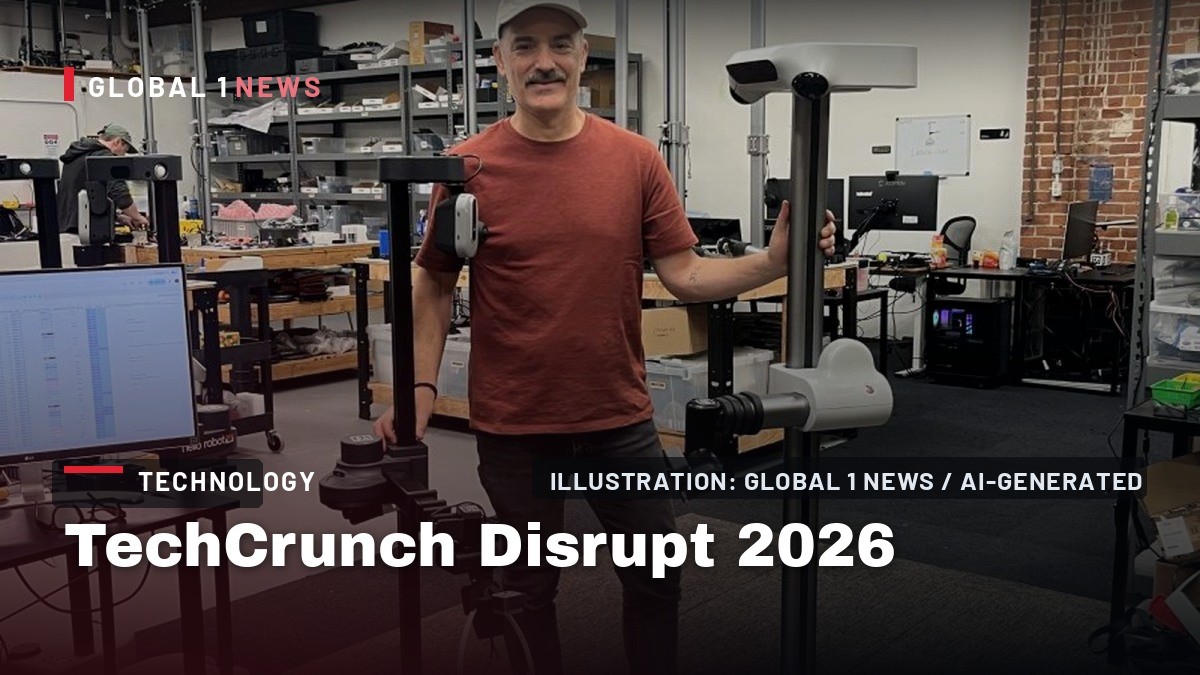
When Hello Robot’s Stretch 4 rolls onto the Real World AI Stage at TechCrunch Disrupt 2026, the buzz isn’t about flashy backflips or cinematic lighting. It’s about a compact wheeled robot that can actually help someone with severe mobility impairments close a blind, sip a protein shake or scratch an itch. The demo, slated for the October 13‑15 conference at Moscone West, is a litmus test for a new breed of physical AI that prioritises usefulness over spectacle.
Why Stretch 4 matters beyond the demo reel
Stretch 4 launched in May, and its first production run sold out by June, according to the TechCrunch interview. That early sell‑through signals a market appetite for home‑assistant robots that can navigate real human spaces rather than a controlled lab. The robot’s design—wheels instead of legs, a single telescoping arm instead of two—means it can squeeze through doorways, travel on carpet and reach high shelves without the complexity of bipedal balance.
For users with severe mobility impairments, the robot’s capabilities translate into concrete independence. TechCrunch previously profiled a quadriplegic user who relied on earlier Stretch models to drink a protein shake, handle glasses and brush teeth. Those everyday tasks, when automated, shift the user from dependence to self‑sufficiency, a shift that matters far more than a viral video of a robot dancing.
The business signal: a sold‑out launch and a crowded conference
The fact that Stretch 4’s first batch sold out before the Disrupt showcase underscores a growing commercial validation. While many robotics firms chase humanoid aesthetics, Hello Robot is carving a niche in practical, wheel‑based assistants. The conference itself expects over 10,000 founders, investors and tech leaders, with 200+ sessions and 300+ exhibiting startups. Being on the Real World AI Stage puts Stretch 4 in front of a concentrated audience that can fund, partner with or adopt the technology at scale.
Ticket pricing incentives—up to $200 off before September 25 and a 50% discount for a plus‑one—highlight how Disrupt is using the robot’s demo as a draw for attendees. The promotional push suggests that Hello Robot sees the event as a critical moment to convert curiosity into sales pipelines, especially as the conference’s expo hall offers “high‑impact leads, investor access and a brand spotlight.”
Aaron Edsinger’s pedigree and the shift from Google to Hello Robot
Aaron Edsinger, the CEO and co‑founder of Hello Robot, brings a résumé that reads like a robotics road map. He founded Meka Robotics and Redwood Robotics, both acquired by Google in 2013, and later directed Google’s robotics investments, overseeing product, business and technical development. His background spans human‑robot interaction, mechanical design, software architecture and real‑time control—skills that converge in Stretch 4’s full‑stack, open‑source platform.
Edsinger’s career trajectory illustrates a broader industry trend: top talent moving from big‑tech labs to focused startups that can iterate faster on specific use cases. By leveraging his Google experience, he’s positioned Hello Robot to sidestep the “humanoid race” and instead deliver a robot that can be deployed in apartments, assisted‑living facilities and other real‑world settings where people already live.
Design choices that make Stretch 4 a “real‑life” robot
The robot’s single telescoping arm is a deliberate departure from the two‑arm configurations common in research labs. This simplification reduces mechanical complexity, cost and potential points of failure, while still delivering the reach needed to grab objects on shelves or pull curtains. Sensors and contact‑sensitive perception give the robot the ability to operate safely around people, a crucial factor for home environments where accidental collisions could cause injury.
Stretch 4’s compact footprint means it can travel on the same floor plan designed for humans. That design ethos—building for existing spaces rather than reshaping spaces around the robot—lowers adoption barriers. Homeowners don’t need to remodel kitchens or install special rails; the robot can roll under tables, navigate narrow hallways and dock at a charging station that fits a standard outlet.
The open‑source software platform: opening doors for developers
Hello Robot touts a full‑stack, open‑source software platform that sits atop Stretch 4’s hardware. By making the stack accessible, the company invites researchers and developers to build custom applications, from medication reminders to adaptive feeding routines. This strategy mirrors broader AI trends where open ecosystems accelerate innovation and create network effects that keep the core platform relevant.
For founders and engineers attending Disrupt, the live demo offers a tangible glimpse of how the platform can be extended. The session “Come, Meet Stretch. The Robot Built for Real Life, Not a Demo Reel.” promises to showcase not just the robot’s baseline capabilities but also how the software layer can be tweaked to address diverse user needs. That hands‑on exposure could spur new startups that layer niche services on top of Hello Robot’s base technology.
Implications for the broader robotics market
If Stretch 4’s on‑stage performance convinces investors and early adopters, it could shift funding flows away from humanoid projects toward practical assistance robots. The sold‑out launch already hints at a demand for devices that solve concrete problems rather than generate media clicks. Competitors may double‑down on wheel‑based platforms, sensor suites and open software to stay relevant.
Moreover, the robot’s success could influence policy discussions around accessibility. Demonstrating a robot that can help users with severe mobility impairments perform daily tasks may bolster arguments for subsidies or tax incentives for home‑assistant robotics, similar to how assistive technologies have been supported in healthcare budgets.
What the real‑world demo means for everyday people
For the average consumer watching the Disrupt stage, Stretch 4 offers a preview of a future where a robot can fetch a remote, open a window or help with personal hygiene without a human hand‑off. The technology’s focus on safety and accessibility means that, unlike many experimental bots, it’s engineered to coexist with families, pets and cluttered homes.
Ultimately, the robot’s impact will be measured by the stories that follow the demo: a user who can finally prepare a meal independently, a caregiver who gains a reliable partner, or a startup that builds a new health‑monitoring app on top of Hello Robot’s open platform. The stage at Disrupt is just the first public proof point; the real test will be how quickly those narratives turn into everyday reality.
This article was produced with AI-assisted research and editorial support. Reporting is based on the source material cited below. Sources: TechCrunch; techcrunch.com; Global1.News (22 September 2026).
By Nova Chen, Staff Writer
What's Your Reaction?
 Like
0
Like
0
 Dislike
0
Dislike
0
 Love
0
Love
0
 Funny
0
Funny
0
 Wow
0
Wow
0
 Sad
0
Sad
0
 Angry
0
Angry
0

Trend Reporter at Global1.News. Based in San Francisco, tracking the stories crossing from social platforms, forums, and community discussions into mainstream news — tech breakthroughs, cultural shifts, and world events that real people are engaging with right now.














Comments (0)