
Supreme Court Grants Temporary Protection Order to Negros Occidental Defenders in Red-Tagging Case
In a recent ANC 24/7 report, the Supreme Court issued a temporary protection order against the AFP chief over alleged red-tagging of four human rights defenders. The ruling offers rare court protection for community workers who say they were branded as communist rebels for helping farmers. Ordinary Filipinos in rural areas now see the decision as a potential check on military labeling practices that have preceded violence.
In a recent ANC 24/7 report, the Supreme Court issued a temporary protection order against the AFP chief over alleged red-tagging of four human rights defenders. The ruling offers rare court protection for community workers who say they were branded as communist rebels for helping farmers. Ordinary Filipinos in rural areas now see the decision as a potential check on military labeling practices that have preceded violence.
Supreme Court Grants Temporary Protection Order to Negros Occidental Defenders in Red-Tagging Case
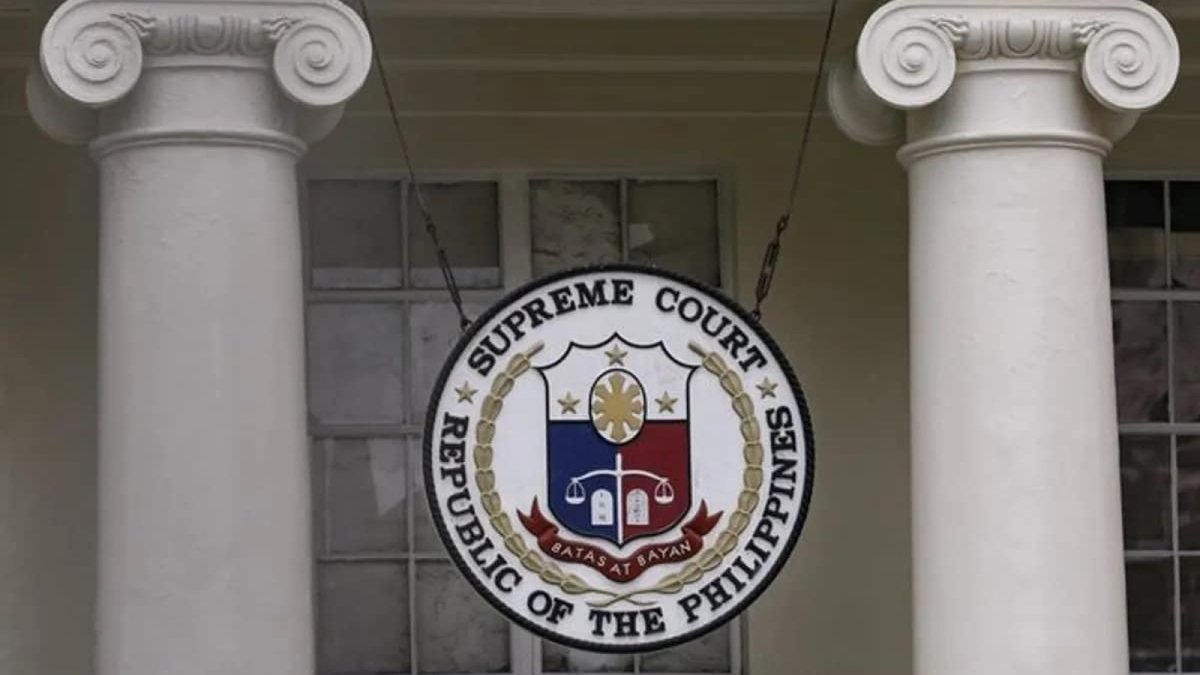
Manila, Philippines — The Supreme Court on Wednesday issued writs of amparo and habeas data along with a temporary protection order against the AFP chief. The order covers petitioners from the Paghida-et sa Kauswagan Development Group and the National Union of People's Lawyers who work on agrarian reform in Negros Occidental. The ruling requires the Court of Appeals to hold a summary hearing and compels the AFP chief to file a verified return within ten days.
The Supreme Court's Order
The Supreme Court acted on Wednesday by granting the writs of amparo and habeas data plus the temporary protection order. Petitioners Gorgonio, Macapobre, Mirano, and Ilustrisimo filed the case after repeated threats tied to their work in Negros Occidental. The temporary protection order directs AFP Chief of Staff Lt. Gen. Antonio Nafarrete and other military and law enforcement officers to stay at least one kilometer away from the petitioners and their immediate family members. The Court of Appeals must conduct a summary hearing to determine whether the petitioners are entitled to the privileges of the writs, and the respondents must file a verified return within ten days of receiving the order.
The case is docketed as G.R. No. E-05032, brought by Atty. Rey A. Gorgonio and his co-petitioners against Lt. Gen. Nafarrete and other respondents. The order requires the Armed Forces of the Philippines to file a verified return before the Court of Appeals, listing every lawful defense the military intends to raise and directly addressing the allegations in the petition. For families in Negros Occidental who have lived under the shadow of surveillance, the concrete distance rule turns an abstract legal shield into a boundary they can measure on the ground.
A writ of amparo lets ordinary Filipinos ask the courts to stop threats to life, liberty, and security when state agents are suspected. A writ of habeas data gives citizens the power to demand that government agencies stop collecting or sharing personal information that endangers them. For farmers and lawyers in Candoni and nearby towns, these writs mean they can walk to their offices or visit clients without wondering whether a surveillance log will later label them as targets. The Court of Appeals must hold a summary hearing and decide the case within ten days after receiving the verified return, compressing what used to be months of legal waiting into a short, enforceable timeline.
Who the Petitioners Are
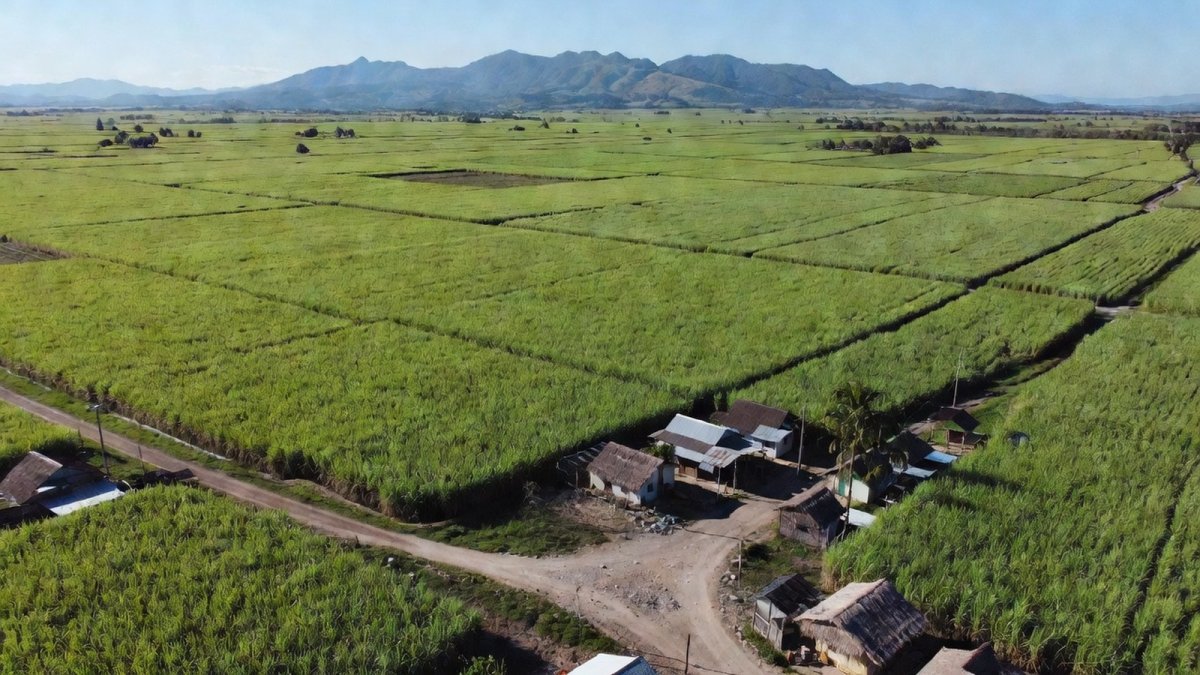
Gorgonio chairs the National Union of People's Lawyers-Negros chapter, while Macapobre, Mirano, and Ilustrisimo work with the Paghida-et sa Kauswagan Development Group, an NGO supporting farmers and rural communities in Negros Occidental. They have worked with farmers and rural communities in Negros Occidental in the pursuit of genuine agrarian reform. Their work includes legal aid for Hacienda Asia residents and documentation of displacement linked to oil palm plantations. The Paghida-et sa Kauswagan Development Group assists communities in Candoni and other towns across the province. The National Union of People's Lawyers provides counsel in cases involving farmer evictions and labor disputes in the region.
A Pattern of Threats
In January, armed men attempted to abduct one of the petitioners in Negros Occidental, and the group received death threats and recruitment demands. These incidents occurred during the Hacienda Asia oil palm campaign that the Paghida-et sa Kauswagan Development Group supported through an International Solidarity Mission. The mission brought observers to document land disputes and displacement of local families.
On January 18, three men from the 15th Infantry Battalion of the Philippine Army tried to abduct community organizer Joselito Macapobre in Barangay Canginay, Candoni, after state forces had earlier gone to his residence and accused him of supporting the New People's Army. A week later, on January 25, Atty. Gorgonio was threatened with death through a text message sent through Macapobre, warning in Filipino that his courage could be silenced and that Macapobre could be affected too. Days earlier, on January 17, PDG staff member Analyn Mirano received a text message from an unknown number demanding that she become a paid informant for the military; the sender, who claimed to be from the National Intelligence Coordinating Agency, threatened that Mirano and her family would be harmed if she refused.
These incidents occurred after an October 2025 International Solidarity Mission visited Hacienda Asia to document land disputes. The National Task Force to End Local Communist Armed Conflict immediately red-tagged the mission, placing every participant under heightened scrutiny. The November 2018 killing of Atty. Benjamin Ramos, a former NUPL-Negros secretary general and PDG leader who had been heavily red-tagged, still casts a long shadow over the province's legal community. The temporary protection order also covers the petitioners' immediate family members, a recognition that threats against human rights defenders rarely stop at the individual.
The Military's Response
Army spokesperson Col. Louie Dema-ala said the military would wait for the official notice from the court, respect the process, and submit the required answer at the proper time. “However, we would like to emphasize that the Philippine Army remains firmly committed to upholding the rule of law and the rights of all persons,” he said. “In the performance of its mandate, the organization adheres to established laws, military regulations, and policies governing its operations and conduct.”
The order lands on the desk of a relatively new AFP leadership. Lt. Gen. Antonio Nafarrete was appointed chief of staff by President Ferdinand Marcos Jr. on July 21, 2026, succeeding the retiring Gen. Romeo Brawner Jr. — about two weeks before the Supreme Court acted.
The short tenure places the new chief in the position of responding to a case that began under previous leadership. How the AFP answers in its verified return will signal whether the new leadership intends to change course on labeling practices in Negros Occidental and beyond.
Red-Tagging and the Law
The writ of amparo protects individuals whose right to life, liberty, and security faces threats. The writ of habeas data allows petitioners to access and correct any government records held about them. The temporary protection order adds a layer of immediate, enforceable protection while the writs are being heard. The Supreme Court has previously ruled that red-tagging creates a real risk to life and liberty. These writs require government agencies to justify any surveillance or labeling and to cease actions that endanger the petitioners.
What This Means for Human Rights Defenders
Farmers in Negros Occidental who receive legal support from the petitioners now face fewer immediate risks of being labeled as insurgents. Lawyers from the National Union of People's Lawyers in Bacolod and other provinces can cite the order when similar threats arise. KARAPATAN secretary general Cristina Palabay has said the incidents attest to the validity of the Supreme Court's position that red-tagging poses a threat to a person's life, liberty and security, and must be thoroughly investigated by the Commission on Human Rights. The task force continues to issue public lists that human rights groups say fuel the practice. Silence from institutions has allowed threats to escalate in rural communities across the Visayas.
The National Union of People’s Lawyers has denounced attempts by state forces to recruit their members as intelligence operatives, to surveil their offices and residences, and to intimidate communities where they work. In January 2025, four staff members of the Paghida-et sa Kauswagan Development Group were arrested and charged in Negros Occidental, adding to the sense that legal defenders and their support teams face coordinated pressure.
For other lawyers, farmers, and activists across the country who receive similar red-tagging labels, the writs of amparo and habeas data now offer a tested route to court protection, and the Court of Appeals process sets a template that other red-tagged groups can follow. Communities in Negros Occidental are watching closely, aware that what the courts decide next will echo well beyond the province.
What to Watch For
The Court of Appeals summary hearing will determine if the temporary protection order extends beyond the initial period. The AFP chief's verified return due in ten days may reveal the extent of records kept on the petitioners. If the order holds, it could set precedent for other groups facing red-tagging in Davao, Cebu, and Baguio. Human rights defenders across the country will monitor whether the AFP adjusts its public statements on agrarian reform advocates. The outcome will influence whether farmers in Negros Occidental continue to seek legal aid without fear of military reprisal.
The Supreme Court decision arrives at a moment when rural communities in Negros Occidental weigh the costs of continued advocacy against the safety of their families. The petitioners have long documented land disputes tied to plantation expansion in the region. A sustained order could encourage more lawyers to take on agrarian cases without immediate threat. Failure to enforce the writs would reinforce patterns that have already claimed lives in the province. Filipino readers in affected provinces will track the Court of Appeals hearing for signs that judicial remedies can still shield those who defend land rights.
By Bella Reyes, Staff Writer
This article was produced with AI-assisted research and editorial support. Reporting is based on sources cited in the article.
What's Your Reaction?
 Like
0
Like
0
 Dislike
0
Dislike
0
 Love
0
Love
0
 Funny
0
Funny
0
 Wow
0
Wow
0
 Sad
0
Sad
0
 Angry
0
Angry
0

Philippines/Southeast Asia Correspondent at Global1.News. Manila-based journalist covering Philippine politics, environment, maritime security, and social issues. Passionate about marine conservation and the communities protecting the Philippines' natural heritage.













Comments (0)