
PM promises 'high street' mental health centres to open in banks and libraries
PM Andy Burnham unveils 100 new high street mental health centres and 59 specialist emergency departments in what ministers call the biggest redesign of mental health services in a generation, backed by £343 million.
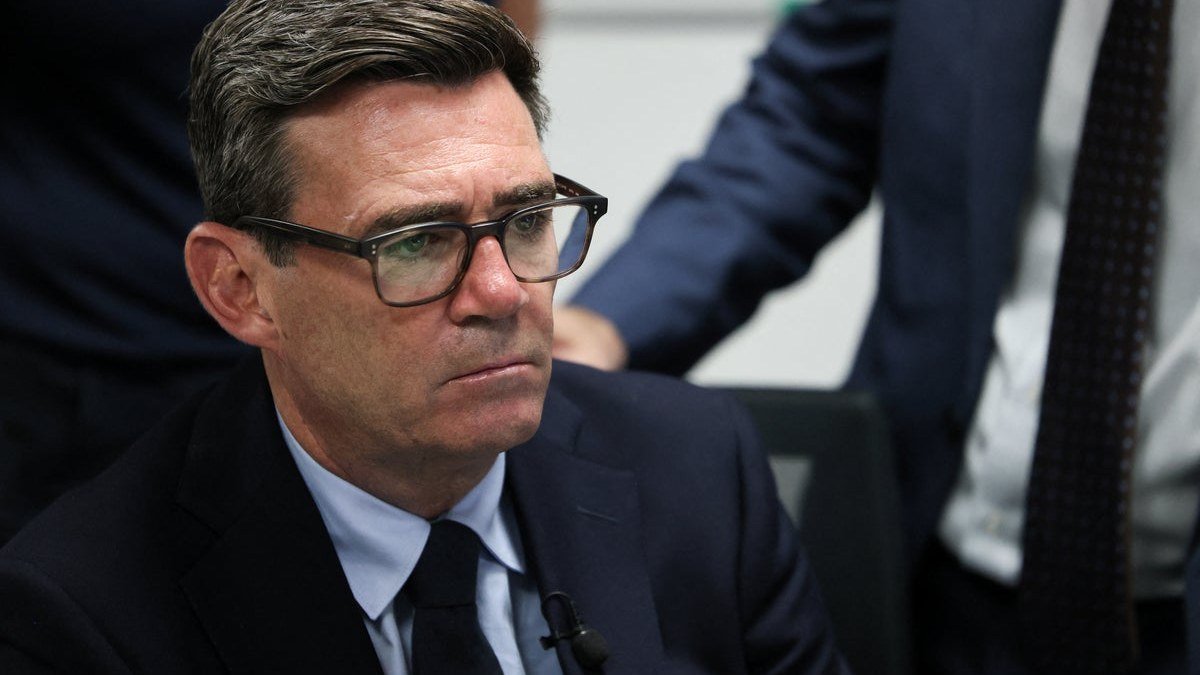
The government has unveiled plans to establish 100 new community mental health centres in libraries, banks and other high street locations across England, alongside 59 dedicated mental health emergency departments, as part of what ministers describe as the largest overhaul of mental health services in a generation.
The Scale of Demand Facing Services
NHS figures show that 2.36 million people in England held an open referral with mental health services at the end of May 2026, an increase from 2.10 million a year earlier and 1.95 million in May 2024. These numbers reflect sustained pressure on existing provision, with many patients facing waits of several months before accessing support. Prime Minister Andy Burnham highlighted the daily reality for thousands who find the only immediate option is a crowded general accident and emergency department.
In recent years the broader pattern of rising referrals has mirrored a wider societal reckoning with mental health, as awareness campaigns and reduced stigma have encouraged more people to seek help. Yet this surge has exposed longstanding strains within a system still adjusting to the shift away from large institutional hospitals towards community-based models that began decades ago. The result is a service stretched thin, where early signs of distress often go unaddressed until they intensify.
Political debate around NHS waiting lists has intensified precisely because mental health demand now intersects with questions of economic productivity and public spending. Prolonged untreated conditions contribute to higher rates of sickness absence and benefit claims, prompting ministers to frame earlier support as both a clinical and fiscal necessity rather than a discretionary extra.
High Street Community Centres
The new community mental health centres will offer walk-in support without the need for a medical referral, allowing people to seek help earlier and closer to home. Some facilities will occupy newly constructed buildings while others will be housed inside existing banks, libraries and additional high street premises. The Department of Health and Social Care stated that these hubs aim to deliver support before problems escalate, reducing the likelihood that individuals reach crisis point.
This emphasis on neighbourhood access builds on the long evolution of mental health policy in England, which has gradually moved away from centralised hospital care towards services embedded in everyday settings. The approach echoes the principles behind NHS Talking Therapies programmes, which demonstrated that timely, low-intensity interventions can prevent deterioration for many people experiencing anxiety or depression.
By placing centres in familiar high street locations, the government hopes to lower the practical barriers that have historically deterred people from engaging with services, particularly in areas where travel or stigma remain significant obstacles. The strategy reflects a growing consensus that mental health support should feel as routine as visiting a GP surgery or local library.
Specialist Emergency Departments
Alongside the community centres, 59 dedicated mental health emergency departments will provide same-day specialist care for people experiencing a mental health crisis who are medically fit and do not require treatment in general A&E. These units, situated within existing emergency departments, will expand England’s total to 82 and offer a calm, therapeutic environment for rapid assessment. Health Secretary Yvette Cooper emphasised that the facilities will ensure patients are seen quickly by specialist teams in the appropriate setting.
General A&E departments have become a default pressure point for mental health crises in recent years, often because alternative pathways were either unavailable or unknown to those in distress. The new specialist units seek to divert appropriate cases into calmer environments where clinicians trained in psychiatric care can respond without the competing demands of physical trauma cases.
Advocates argue that separating these streams will improve outcomes for patients while easing overcrowding elsewhere, though the success of the model will hinge on sufficient staffing and clear referral protocols between the new hubs and existing emergency teams.
Funding, Timeline and Implementation
The initiative is supported by £343 million in funding. The first sites are expected to open in autumn this year, with additional facilities following from March 2027. The announcement forms part of the forthcoming Mental Health Strategy, due for publication later this year, which will draw on an independent review into mental health conditions, ADHD and autism expected in the autumn. Ministers have framed the measures as a shift towards earlier intervention rather than reactive crisis response.
Implementation will require careful coordination between NHS trusts, local authorities and community organisations, a challenge that has complicated previous attempts to expand mental health infrastructure. The phased rollout, beginning later this year and accelerating into 2027, is intended to allow lessons from initial sites to inform later ones.
Ministers have linked the investment to wider arguments about prevention, noting that timely support can reduce longer-term costs associated with crisis care, hospital admissions and lost economic output. The forthcoming strategy is expected to set out how these centres fit into a broader framework that also addresses workforce shortages and integration with primary care.

Reactions from Mental Health Charities
Brian Dow, deputy chief executive at Rethink Mental Illness, welcomed the expansion of neighbourhood centres, noting that it builds on promising results from existing pilot sites by bringing treatment and wider support services together under one roof. Tom Pollard from the charity Mind described the plans as a promising step towards ensuring more people receive support when they need it, while cautioning that overstretched services have often contributed to worsening mental health for those unable to access timely care.
Charities have long argued that investment must be matched by sustained funding for the wider system, including talking therapies and crisis resolution teams, if the new centres are to avoid simply shifting pressure rather than relieving it. Their measured responses reflect both cautious optimism and awareness of past initiatives that promised transformation but delivered incremental change.
Campaigners also stress the importance of reaching underserved groups, including young people and those from minority ethnic backgrounds, whose experiences of services have historically been poorer. The high street model could help, they suggest, provided outreach and cultural competence are prioritised alongside physical buildings.
Implications for Patients and the NHS
For patients, the proposed centres could reduce the need to travel long distances or endure lengthy waits, potentially allowing earlier access to assessment and treatment within familiar local settings. This approach aligns with longstanding NHS efforts to integrate mental health support into community environments rather than concentrating services in large hospital sites. For the wider health service, the redesign may ease pressure on general A&E departments, where mental health presentations have contributed to overcrowding, and support more efficient allocation of specialist staff. The strategy also connects to broader Westminster discussions on preventive care and the role of local authorities in supporting wellbeing, though successful delivery will depend on workforce availability and coordination between NHS trusts and community partners. Uncertainty remains over how quickly the full network of 100 centres and 59 emergency departments can reach capacity across all regions of England.
Patients stand to gain most if the centres function as genuine gateways to ongoing support rather than isolated drop-in points. For the NHS as a whole, the test will be whether the new facilities integrate smoothly with existing pathways, including NHS Talking Therapies, so that people do not fall between services after their initial contact.
The Bigger Picture
The announcement arrives against a backdrop of evolving mental health policy that has, over successive governments, sought to balance hospital-based safety nets with community provision. The current emphasis on high street centres represents a further step in that direction, aiming to normalise help-seeking in the places people already frequent.
Economically, the case for early intervention rests on evidence that untreated mental health problems drive significant costs through reduced workforce participation and increased welfare expenditure. By intervening sooner, ministers hope to bend that curve, though the scale of the challenge means results will take time to materialise and will require consistent political commitment beyond the initial funding pledge.
By Erica Thornton, Staff WriterThis article was produced with AI-assisted research and editorial support. Reporting is based on sources cited in the article.
What's Your Reaction?
 Like
0
Like
0
 Dislike
0
Dislike
0
 Love
0
Love
0
 Funny
0
Funny
0
 Wow
0
Wow
0
 Sad
0
Sad
0
 Angry
0
Angry
0

US Politics and Policy Correspondent at Global1.News. Based in Washington DC, covering American politics, policy, elections, and the courts. Knows how the system works and tells you what it actually means.















Comments (0)