
Mexico's Jaguar Comeback: 5,326 Big Cats and a 30 Percent Rebound
The jaguar, the largest feline in the Americas and a creature of mythic power, is making a quiet but measurable comeback in Mexico. According to the third National Census for Jaguar Conservation, released in late August 2025, the country now hosts an estimated 5,326 jaguars in the wild. This figure represents a remarkable 30 percent increase over the 4,100 individuals recorded in the first census in 2010, and a significant jump from the roughly 4,800 counted in 2018.
The jaguar, the largest feline in the Americas and a creature of mythic power, is making a quiet but measurable comeback in Mexico. According to the third National Census for Jaguar Conservation, released in late August 2025, the country now hosts an estimated 5,326 jaguars in the wild. This figure represents a remarkable 30 percent increase over the 4,100 individuals recorded in the first census in 2010, and a significant jump from the roughly 4,800 counted in 2018. For ecologists who once feared the species was on an irreversible slide toward extinction, the new data is being hailed as a landmark achievement in Latin American conservation.
Gerardo Ceballos, the ecologist at UNAM who has spearheaded the census efforts for over a decade, captured the dual nature of the findings. "It was a great surprise, terrific news," he said, reflecting on the initial 2010 count that far exceeded the roughly 1,000 animals researchers had pessimistically predicted. "Obviously 4,000 means the species is still in danger of extinction, but 4,000 is a lot better than 1,000." Now, with the third census confirming a steady upward trajectory, Ceballos’s tone is one of cautious optimism. "The fact that the country has managed to maintain and increase its population over the last 14 years is extraordinary," he added. "For me it's great news for the country. Mexico and the world need good news."
Mexico's Jaguar Comeback: 5,326 Big Cats and a 30 Percent Rebound
Mexico City, Mexico – Aug 24, 2026 — The third National Census for Jaguar Conservation, released in late August 2025, found an estimated 5,326 jaguars across 15 Mexican states, a 30 percent increase over the 4,100 recorded in 2010 and up from roughly 4,800 in 2018. The Al Jazeera English report on the landmark count captures both the hope and the fragility of a species that remains endangered at its northernmost range limit.
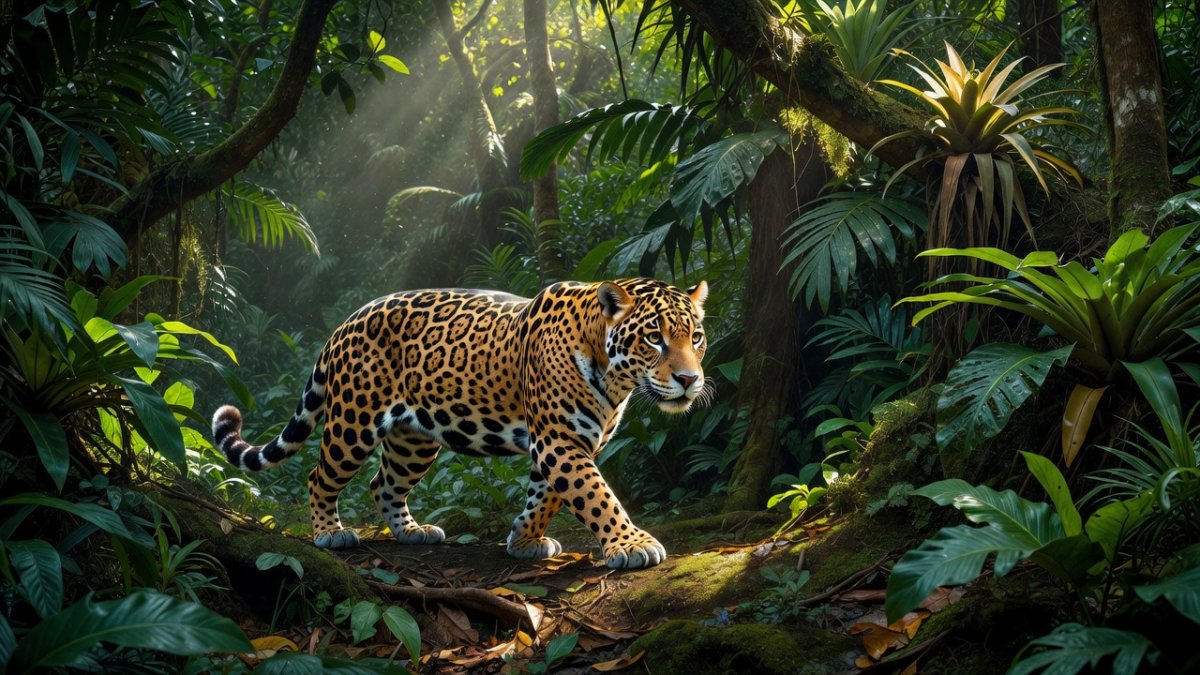
Mexico's Jaguar Comeback: A 30 Percent Rebound in the Wild
The headline figure of 5,326 jaguars is a powerful symbol of what dedicated conservation can achieve, even in a developing nation with competing economic interests. When the first census was conducted in 2010, the scientific community was braced for catastrophic news. Habitat loss, poaching, and retaliatory killings by ranchers had decimated jaguar populations throughout the 20th century. The initial estimate of 4,100 animals, which was nearly four times higher than expected, was itself a shock. It revealed that Mexico’s jaguars were more resilient than anyone had dared to hope, surviving in pockets of wilderness that had escaped the worst of human encroachment.
The 2018 census, which recorded approximately 4,800 individuals, confirmed that the population was not merely stable but growing. The 2024 census, with its 5,326 count, solidifies this trend, representing a 30 percent increase over the 2010 baseline. This growth rate is remarkable for a large carnivore, which typically reproduces slowly and requires vast home ranges. It suggests that the conservation measures implemented over the past decade and a half are working, and that jaguars are successfully breeding and dispersing into new territories. The fact that this growth has occurred during a period of significant environmental stress, including a loss of 600,000 hectares of forest and jungle in Mexico over the last six years, makes the achievement all the more notable.
However, the celebration must be tempered with a clear-eyed assessment of the species’ status. A population of 5,326 is still perilously small for a country of Mexico’s size and ecological diversity. The jaguar remains on the national endangered species list, and its long-term viability is far from assured. The current growth rate, if sustained, would require 25 to 30 years for the jaguar to be considered out of immediate danger. The National Alliance for Jaguar Conservation (ANCJ) is aiming to cut that timeline in half, to just 15 years, through intensified conservation efforts. This ambitious goal will require not only protecting existing habitats but also restoring degraded ones and creating wildlife corridors that connect isolated populations.
The Numbers Behind the Recovery: 920 Camera Traps and a National Count
The third National Census for Jaguar Conservation was a logistical feat of extraordinary proportions. Over a 90-day window, a team of approximately 50 researchers, supported by a network of local community leaders, deployed 920 motion-capture camera traps across 15 Mexican states. These cameras, strategically placed along game trails, water sources, and known jaguar corridors, captured millions of images. Each photograph of a jaguar was then analyzed to identify the individual animal based on its unique rosette pattern, a process that requires painstaking attention to detail. The survey area covered 414,000 hectares, making it the largest mammal census ever conducted in Mexico, and one of the most extensive for any large cat in the world.
The involvement of local communities was a key factor in the census’s success. In many areas, community members were trained to assist with camera placement and monitoring, providing invaluable local knowledge of jaguar movements and habitat. This engagement not only improved the quality of the data but also fostered a sense of ownership and stewardship among the people who live alongside jaguars. By involving ranchers, farmers, and indigenous communities, the census has helped to build a constituency for conservation that extends beyond the scientific community. This grassroots approach is now recognized as a best practice for large-carnivore conservation in Latin America, where the cooperation of local people is often the difference between success and failure.
Where the Jaguars Are: From the Yucatan to the Pacific Coast
The census data reveals a clear geographic pattern in jaguar distribution across Mexico. The Yucatan peninsula, encompassing the states of Campeche, Quintana Roo, and Yucatan, is the undisputed heartland of the species, with an estimated 1,699 individuals. This region’s vast, relatively undisturbed tropical forests provide ideal habitat, supporting a dense prey base of deer, peccaries, and other mammals. The Calakmul Biosphere Reserve, one of the largest protected areas in Central America, is a critical stronghold. The south Pacific region, including the states of Chiapas, Oaxaca, and Guerrero, follows with 1,541 jaguars. This area is characterized by a mosaic of tropical dry forests and cloud forests, offering diverse habitats for the species.
The north-east and central Mexico, a region that includes the Sierra Madre Oriental and the Trans-Mexican Volcanic Belt, holds a smaller but significant population of 813 jaguars. This area is more fragmented, with patches of habitat separated by agricultural land, highways, and urban areas. The jaguars here are more vulnerable to isolation, which can lead to inbreeding and reduced genetic diversity. The north Pacific region, including Sonora and Sinaloa, has 733 jaguars, representing the northernmost extent of the species’ range in the Americas. These jaguars are adapted to drier, more arid conditions, and their survival is crucial for the species’ long-term resilience. The central Pacific coast, including states like Jalisco and Nayarit, has the smallest population at 540 individuals, but it is a vital link between the northern and southern populations.
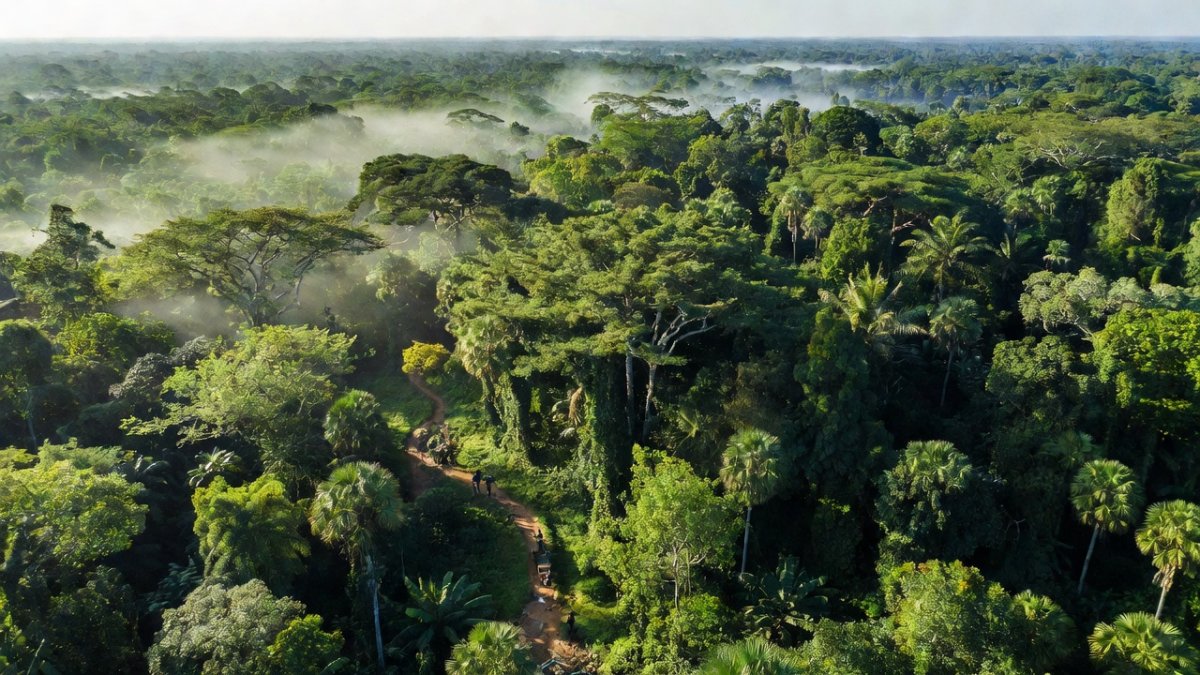
Why the Population Is Growing: Protected Areas, Ranchers and Publicity
Gerardo Ceballos attributes the jaguar’s remarkable recovery to three interconnected factors. The first is the maintenance and expansion of natural protected areas. Mexico has a robust system of federal and state parks, biosphere reserves, and other protected areas, which provide safe havens for jaguars and their prey. The Calakmul Biosphere Reserve, and the Montes Azules Biosphere Reserve are just a few examples of the protected areas that are critical to jaguar survival. These areas are managed by CONANP, which works to prevent illegal logging, poaching, and other destructive activities. The census data shows that jaguar densities are highest in and around these protected areas, confirming their importance.
The second factor is the successful reduction of conflict between cattle ranchers and jaguars. Historically, ranchers have killed jaguars in retaliation for livestock predation, which was a major driver of population decline. In recent years, conservation organizations have worked with ranchers to implement measures that reduce predation, such as improved corrals, guard animals, and compensation programs for livestock losses. These efforts have helped to change attitudes towards jaguars, transforming them from pests to valuable assets for ecotourism and ecosystem health. The ANCJ has been at the forefront of these efforts, working directly with ranching communities to find practical solutions that benefit both people and wildlife. The reduction in retaliatory killings is a key reason for the population increase.
The third factor, according to Ceballos, is a massive publicity campaign that has made the jaguar one of Mexico’s best-known species. When Ceballos and his colleagues began their work, the jaguar was virtually unknown to the Mexican public. Through a sustained effort involving media outreach, educational programs, and cultural events, they have transformed the jaguar into a national icon. The jaguar now appears on currency, in advertising, and in popular culture, and it is widely recognized as a symbol of Mexico’s natural heritage. This public awareness has created political pressure to protect the species and its habitat, and it has also boosted ecotourism, providing economic incentives for conservation. The jaguar’s newfound fame is a powerful tool for its protection.
The Threats That Remain: Deforestation, Roadkill and an Online Market
Despite the encouraging population growth, the jaguar in Mexico faces a formidable array of threats that could reverse the gains of the past decade. The most significant is habitat loss. Mexico has lost 600,000 hectares of forest and jungle in the last six years, driven by agricultural expansion, illegal logging, and infrastructure development. The Yucatan peninsula, the jaguar’s stronghold, is losing approximately 60,000 hectares of forest each year, primarily to cattle ranching and soybean cultivation. This deforestation fragments jaguar habitat, isolating populations and reducing the availability of prey. The loss of contiguous forest is a slow-burning crisis that undermines the long-term viability of the species.
Another growing threat is the thriving online marketplace for jaguar teeth, skin, and claws. Despite being illegal under national and international law, jaguar parts are sold on social media platforms and e-commerce websites, catering to a demand for traditional medicine, jewelry, and status symbols. This illegal trade is difficult to police, as transactions are often conducted discreetly and across international borders. The demand for jaguar parts provides a financial incentive for poaching, which can have a significant impact on small, isolated populations. The ANCJ and other organizations are working with tech companies to identify and remove illegal listings, but the scale of the problem is immense.
Infrastructure development, particularly new highways, is also fragmenting jaguar territory and increasing roadkill. As roads cut through forests, they create barriers to jaguar movement and increase the risk of vehicles striking animals. The mitigation of this threat requires the construction of wildlife crossings, such as underpasses and overpasses, which allow animals to safely cross roads. While some wildlife crossings have been built in Mexico, they are not yet widespread. The planning of new highways must incorporate these features from the outset, rather than as an afterthought. The census data can help identify the most critical crossing points, where jaguar movement is most frequent.
What This Means for Latin America: A Conservation Blueprint
The success of Mexico’s jaguar conservation program has profound implications for the rest of Latin America, where jaguar populations are generally declining. Mexico’s experience demonstrates that it is possible to reverse the decline of a large carnivore, even in a country with significant development pressures. The key ingredients are political will, scientific rigor, community engagement, and public awareness. The Mexican model, which combines protected areas with rancher outreach and a powerful publicity campaign, offers a blueprint that can be adapted to other countries. The fact that Mexico has achieved this while also being the jaguar’s northernmost range limit, where habitat is naturally more marginal, makes the achievement even more impressive.
The jaguar is an umbrella species, meaning that its conservation benefits a wide range of other plants and animals that share its habitat. By protecting jaguars, Mexico is also protecting its forests, its water resources, and its biodiversity. This is a message that resonates across Latin America, where the jaguar is a cultural icon and a symbol of wild nature. The jaguar’s recovery in Mexico is a source of pride for the country and an inspiration for the region. It shows that conservation is not a luxury but a necessity, and that it can be achieved without sacrificing economic development.
The Bottom Line: Fifteen Years to Safety
The third National Census for Jaguar Conservation has delivered a powerful message of hope, but it is also a call to action. The population of 5,326 jaguars is a 30 percent increase over 2010, a testament to the effectiveness of conservation efforts. Yet, the species remains at risk of extinction, and the road to a secure future is long. At the current growth rate, it would take 25 to 30 years for the jaguar to no longer be considered at risk in Mexico. The National Alliance for Jaguar Conservation (ANCJ) is aiming to cut that timeline in half, to just 15 years, through intensified efforts. This is an ambitious goal, but the data suggests it is achievable.
As Gerardo Ceballos noted, "On the one hand it's a travesty" that the jaguar remains endangered. "But on the other hand, it means that where there are still jungles and forests, the populations are growing." This is the central paradox of the jaguar’s recovery: it is a success story that is also a warning. The jaguar is coming back, but only in the places where we have given it room to survive. The task now is to expand those places, to connect them, and to ensure that the jaguar’s comeback is not a temporary reprieve but a permanent recovery. The goal of 15 years to safety is ambitious, but it is within reach. The jaguar has done its part; now it is up to us.
This article was produced with AI-assisted research and editorial support. Sources: Al Jazeera English, The Guardian, ANCJ (National Alliance for Jaguar Conservation), UNAM, CONANP, SEMARNAT.
By Elena Vasquez, Staff Writer
What's Your Reaction?
 Like
0
Like
0
 Dislike
0
Dislike
0
 Love
0
Love
0
 Funny
0
Funny
0
 Wow
0
Wow
0
 Sad
0
Sad
0
 Angry
0
Angry
0

Latin America Correspondent at Global1.News. Based in Mexico City, covering politics, economics, energy, and culture across the region. Brings an on-the-ground perspective to stories spanning from the Rio Grande to Patagonia.















Comments (0)