
Nagpur Chlorine Gas Leak: 52 Hospitalised, Safety Gaps Exposed
A chlorine gas leak from a 900-kg cylinder at Nagpur's Godhani water treatment plant on August 24, 2026, hospitalised 52 people, including four minors. NDRF and civic teams neutralised the cylinder by dawn. The Collector has ordered a technical probe into unsafe storage.
In the early hours of August 24, 2026, a chlorine gas leak from a 900-kg cylinder at the Godhani Gram Panchayat-operated water treatment plant in Nagpur, Maharashtra, sent at least 52 people to hospital, four of them minors. The incident, which began around 1:00 am near Collector's Colony and Fago Patil Layout, exposed a recurring vulnerability in India's municipal water infrastructure: the unsafe storage of hazardous chemicals at small, locally-run treatment facilities. While the NDRF and local agencies contained the leak by 5:30 am, the event raises urgent questions about enforcement of storage standards, emergency preparedness, and the human cost of neglected safety protocols.
Nagpur's Midnight Gas Leak: 52 Hospitalised, 12 Discharged, as NDRF Battles Toxic Chlorine Cloud
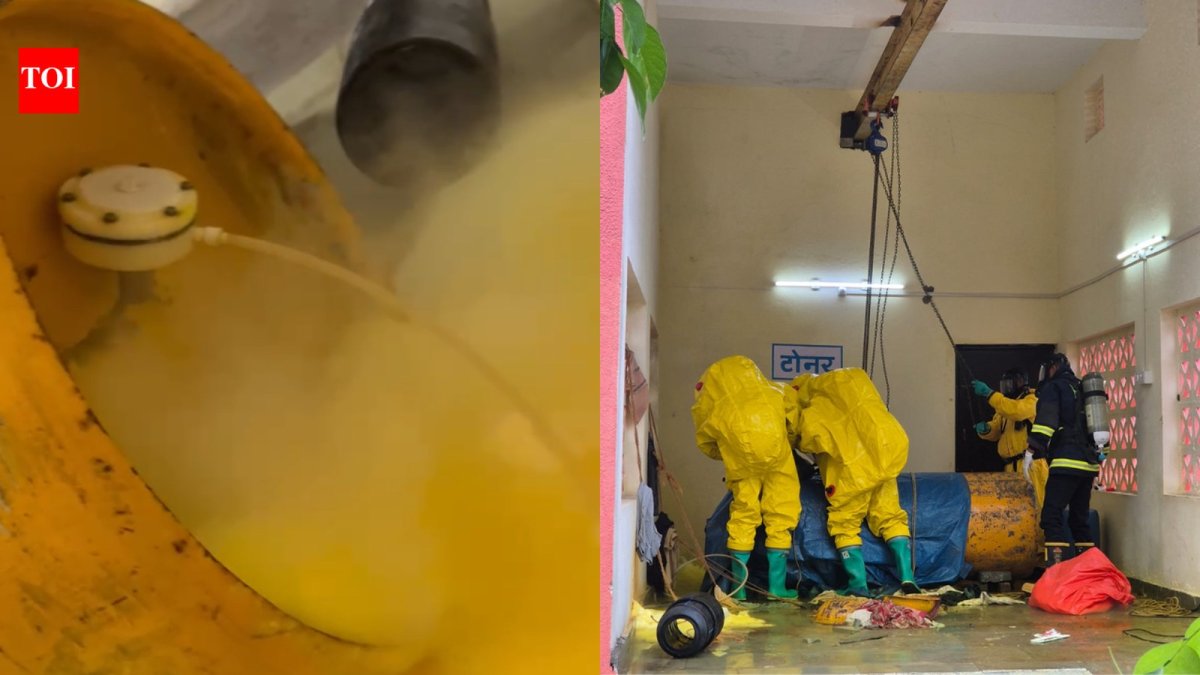
Nagpur, Maharashtra – August 24, 2026 — A 900-kg chlorine cylinder that had been kept on the premises for six months ruptured at the Godhani water treatment plant, releasing a toxic gas cloud that drifted at ground level into densely populated residential areas. By dawn, 52 people had been hospitalised with breathing difficulties, chest discomfort, and eye irritation, according to the latest figures from the Times of India. Twelve of those admitted have already been discharged, and all patients are reported stable. The rescue operation, involving the National Disaster Response Force (NDRF), Nagpur Municipal Corporation (NMC) fire brigade, and Orange City Water (OCW) staff, concluded around 5:30 am after the cylinder was submerged in a neutralisation tank filled with water and caustic soda.
The Leak: A 900-kg Cylinder, Six Months of Neglect, and a 200-Metre No-Man's-Land
The source of the leak was a 900-kg-capacity chlorine cylinder stored in an open area of the Godhani plant, a facility operated by the Godhani Gram Panchayat near Nag Mandir Tekdi. Officials confirmed the cylinder had been kept on the premises for approximately six months before its outer wall developed a structural rupture. Chlorine gas, being heavier than air, did not dissipate upward but instead spread at ground level, seeping into nearby homes in Fago Patil Layout and Collector's Colony.
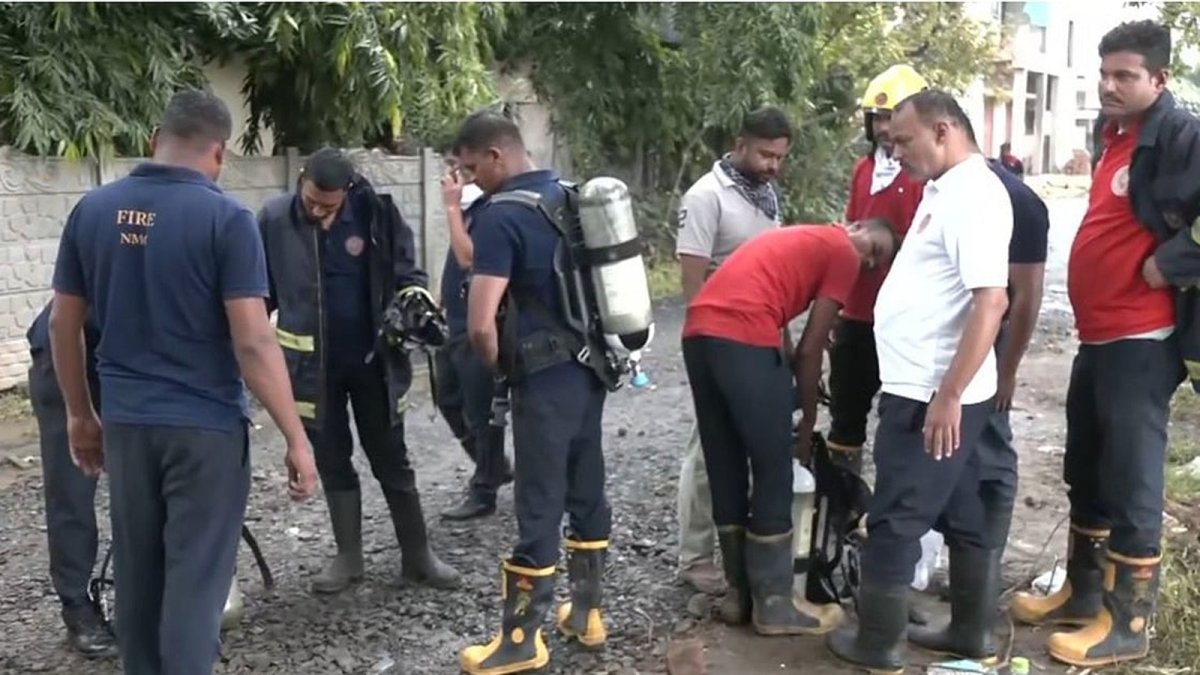
Police from the Mankapur station responded swiftly, evacuating residents within a 200-metre radius and cordoning off the area, declaring it a no-man's-land. NMC fire department personnel arrived with two water tenders and breathing apparatus, while NDRF teams donned self-contained breathing apparatus (SCBA) to approach the leaking cylinder. The neutralisation process—submerging the cylinder in a tank of water mixed with sodium hydroxide—was completed by early morning, and gas concentrations in the area have been gradually declining. Senior Police Inspector Haresh Kalshekar told ANI: "Currently 90 per cent of the leak has been stopped and 40 people are undergoing treatment in the hospital. Additionally 12 people have already been discharged. The situation is now largely under control; there is no need to panic and the police urge the public not to believe rumours."
Casualties and Medical Response: 52 Hospitalised, 4 Minors, All Stable
The human toll of the leak is significant. At least 52 people were hospitalised, with earlier reports from The Week indicating over 50. Among those admitted, four are minors. Approximately 8-10 plant workers and 20-25 residents complained of breathing difficulties, coughing, and eye irritation—classic symptoms of chlorine gas exposure. Patients were taken to Mayo Hospital and nearby private facilities; some arrived on their own, while others were transported by police vehicles.
Of the 52 admitted, 12 have already been discharged, and all remaining patients are reported stable. Earlier reports noted that 4-5 individuals were shifted to the ICU, though their current status has not been independently confirmed. The medical response highlights the importance of prompt treatment for chlorine inhalation, which can cause corrosive damage to lung tissue upon contact with moisture in the respiratory tract. The fact that all patients are stable is a testament to the speed of evacuation and the availability of emergency care in Nagpur, a city with relatively robust hospital infrastructure compared to smaller Indian towns.
Response and Neutralisation: NDRF, OCW, and the 5:30 am Containment
The multi-agency response was coordinated and effective. NDRF personnel, wearing SCBA, submerged the ruptured 900-kg cylinder into a neutralisation tank filled with water and caustic soda (sodium hydroxide), a standard method for neutralising chlorine gas. The operation was completed by 5:30 am, and the affected area may remain sealed for two to three days, according to NDRF personnel Vijay, to ensure residual gas has fully dissipated.
Orange City Water (OCW), the private operator responsible for Nagpur's water supply, clarified that the Godhani plant is not under its purview—it is a Gram Panchayat-operated facility. However, OCW staff with SCBA assisted in the response, and the Directorate of Industrial Safety and Health (DISH) reportedly appreciated OCW's quick action. This distinction is crucial: it underscores a gap in oversight where small, locally-run plants may lack the safety infrastructure and trained personnel that larger, professionally-managed facilities possess. Police have made a station diary entry, and Senior PI Haresh Kalsekar confirmed, "No offence has been registered as of now. We will conduct an enquiry."
The Probe: Collector Questions Why a 900-kg Cylinder Was Stored in the Open
Nagpur Collector Kumar Ashirwad has ordered a technical committee to investigate the cause of the leak. His immediate question was pointed: why was a 900-kg chlorine cylinder stored in an open area instead of a sealed, contained facility? This is a critical regulatory issue. Under the Petroleum and Explosives Safety Organisation (PESO) rules, chlorine cylinders must be stored in well-ventilated, dedicated rooms with proper containment measures, away from residential areas. The Factories Act and the Chemical Accidents (Emergency Planning, Preparedness and Response) Rules, 1996, also mandate specific storage and emergency response protocols for hazardous chemicals.
The fact that the cylinder had been on the premises for six months without use suggests a failure of inventory management and safety inspections. Chlorine cylinders are under high pressure and can corrode over time, especially when exposed to the elements. The Collector's inquiry will likely examine whether the Godhani Gram Panchayat had the requisite permits, whether PESO inspections were conducted, and why the cylinder was not stored in a compliant manner. This incident is not isolated; it reflects a broader pattern of chemical safety lapses at small municipal and industrial facilities across India.
India's Chemical Safety Record: From Bhopal to Thiruvallur, Lessons Unlearned
India's history with chemical disasters is marked by the 1984 Bhopal gas tragedy, which killed thousands and remains the world's worst industrial disaster. More recently, in 2021, an ammonia gas leak at an ice factory in Thiruvallur, Tamil Nadu, killed seven migrant women workers and hospitalised 67 others. Just days before the Nagpur incident, a separate ammonia gas leak at an ice factory in North 24 Parganas, Bengal, hospitalised 25 people, as reported by Daily Jagran. These recurring events highlight systemic gaps in enforcement of the Disaster Management Act 2005, NDMA guidelines, and PESO regulations.
The Nagpur leak is particularly significant because it occurred at a water treatment plant—a facility meant to protect public health, not endanger it. Chlorine is the most common disinfectant for municipal drinking water in India, and its safe handling is non-negotiable. The incident raises questions about the thousands of similar Gram Panchayat-operated plants across the country. Do they have the technical expertise to store and handle chlorine cylinders safely? Are their workers trained in emergency response? Do they have neutralisation kits on hand? The answer, in many cases, is likely no.
Public Health and Infrastructure Implications: What This Means for Indian Cities
For Indian citizens, this incident is a reminder that the water they drink is treated with a highly reactive, potentially lethal chemical. Chlorine gas exposure can cause eye, nose, and throat irritation, coughing, chest tightness, and in severe cases, pulmonary oedema—fluid accumulation in the lungs that can be fatal. The 52 people hospitalised in Nagpur are fortunate to have received prompt medical care, but in smaller towns, such an incident could overwhelm local hospitals.
The broader implication is for India's urban water infrastructure, which is being expanded under the Jal Jeevan Mission and AMRUT. These programmes focus on providing piped water to every household, but they must also ensure that the treatment plants supporting this expansion adhere to safety standards. The Nagpur leak suggests that as water infrastructure grows, so does the number of facilities storing hazardous chemicals—often without adequate oversight. Municipal corporations, state water boards like Maharashtra Jeevan Pradhikaran, and Gram Panchayats must invest in training, safety equipment, and regular inspections.
Regulatory Gaps and the Way Forward: PESO, DISH, and Local Accountability
The regulatory framework for chlorine storage exists but is poorly enforced at the local level. PESO rules require that chlorine cylinders be stored in dedicated, ventilated rooms with impervious floors and proper drainage. The Chemical Accidents Rules mandate that facilities have on-site emergency plans and that local authorities prepare off-site plans. The Disaster Management Act 2005 establishes the NDRF as the national response force for chemical disasters, and it performed admirably in Nagpur. But prevention, not response, should be the goal.
The Collector's technical committee must determine not just the immediate cause of the leak, but also the systemic failures that allowed it to happen. Was the cylinder inspected upon arrival? Were there records of its maintenance? Did the Godhani Gram Panchayat have a valid PESO licence? These answers will determine whether this is a one-off lapse or a symptom of a wider problem. The fact that DISH appreciated OCW's response suggests that professional operators can set a benchmark, but the gap between OCW's standards and those of a Gram Panchayat-operated plant is precisely where accidents happen.
The Bottom Line
The Nagpur chlorine gas leak hospitalised 52 people, including four minors, and exposed a dangerous gap in India's chemical safety enforcement at small municipal water treatment plants. The NDRF's swift action—submerging the ruptured 900-kg cylinder in a caustic soda solution by 5:30 am—prevented a larger catastrophe, but the incident should serve as a wake-up call. With 12 patients already discharged and all others stable, the immediate crisis has passed, but the underlying issues remain: unsafe storage of hazardous chemicals, inadequate oversight of Gram Panchayat-operated facilities, and a regulatory framework that is too often ignored until disaster strikes. As India expands its water infrastructure under Jal Jeevan Mission and AMRUT, it must equally expand its commitment to chemical safety. The 52 people hospitalised in Nagpur are a reminder that the cost of neglect is measured in human lives, and that prevention—through enforcement, training, and accountability—is the only sustainable path forward.
— By Dr. Raj Patel, Staff Writer
This article was produced with AI-assisted research and editorial support. Reporting is based on sources cited in the article.
What's Your Reaction?
 Like
0
Like
0
 Dislike
0
Dislike
0
 Love
0
Love
0
 Funny
0
Funny
0
 Wow
0
Wow
0
 Sad
0
Sad
0
 Angry
0
Angry
0

India/South Asia Correspondent at Global1.News. Analytical voice with a background in science and health journalism. Based in New Delhi, covering Indian politics, education, healthcare, technology, and policy. Breaks down complex data into clear, actionable reporting.














Comments (0)