
Lightning Strike Claims Thai Winger in Cup Semi
The sudden loss of a young winger on a rain-soaked pitch in southern Thailand has sent shockwaves through border football communities this week. The incident at Santipap Stadium on Tuesday evening highlights the deadly risks when matches continue under monsoon skies. South African fans know these dangers all too well from their own Highveld summers.
The sudden loss of a young winger on a rain-soaked pitch in southern Thailand has sent shockwaves through border football communities this week. The incident at Santipap Stadium on Tuesday evening highlights the deadly risks when matches continue under monsoon skies. South African fans know these dangers all too well from their own Highveld summers.
Lightning Strike Claims Thai Winger in Cup Semi
Sungai Golok, Thailand - August 6, 2026 - A lightning bolt ended the life of 24-year-old Thai footballer Safwan Awae during the Golok FA Cup 2026 semi-final at Santipap Stadium in Sungai Golok district, Narathiwat province. The strike hit the pitch in injury time as heavy rain and thunderstorms swept the venue. Twelve other players and officials suffered burns and injuries in the same moment.
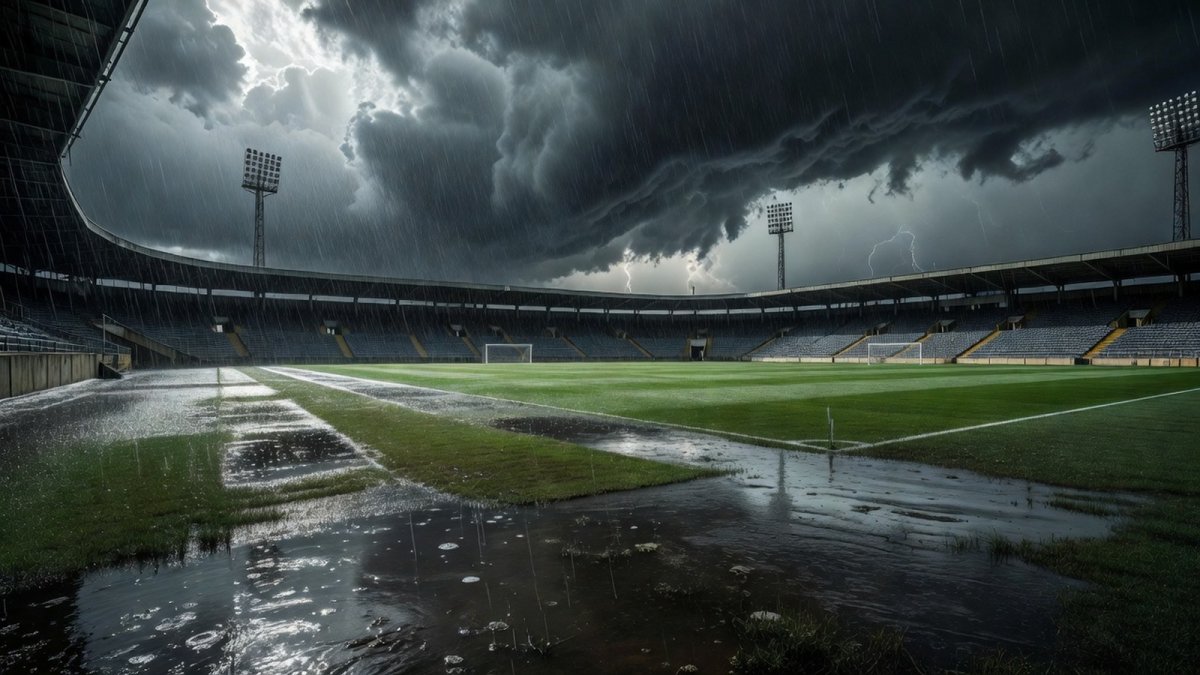
The Match and the Strike at Santipap Stadium
The Golok FA Cup semi-final between Samcolts and Abu x Nong Sirin kicked off on Tuesday around 5:00 p.m. local time at Santipap Stadium. A monsoon storm brought heavy rain, strong winds and thunder to the southern border region. Match officials allowed play to continue despite the conditions.
Lightning struck inside the penalty area during injury time. Footage captured the bolt hitting the rain-soaked surface and producing a visible cloud of smoke. Players and spectators immediately rushed to assist the fallen player while emergency medics arrived on site.
The Player Safwan Awae
Safwan Awae, a 24-year-old winger, had recently signed with FC Yala of Thai League 3 Southern Region. He previously played for Pattani FC and represented local sides in the southern provinces. The strike occurred while he was on the pitch for his new club in the cup tie.
Awae was taken to hospital in critical condition after the incident and later died from severe injuries. His family has asked the public not to share videos of the moment out of respect for their privacy.
Safwan Awae had moved from Pattani FC to sign with FC Yala in Thai League 3 Southern Region, a step that opened doors for a young winger from the southern provinces where local talent often stays close to home. The move represented the kind of opportunity that lifts entire families in border communities, where football serves as both livelihood and pride. At 24 he was building a career that mirrored the journeys many South African players take through the lower divisions before reaching the Betway Premiership.
The football family around FC Yala now mourns one of its own in the quiet way South African clubs do after losing a teammate. Clubmates who shared training sessions and long bus rides to away matches must now face empty dressing-room spaces and the silence that follows a sudden absence. The loss cuts deeper because Awae was just finding his feet at the new club, a reminder that every player on the pitch carries the hopes of those who never made it that far.
FC Yala's tribute carried the words of the Istirja prayer, "Indeed, we belong to Allah, and indeed, to Him we will return," offering condolences to his family while acknowledging the faith that binds many southern Thai and South African Muslim football communities. That simple statement turns a sporting tragedy into a shared human moment, forcing everyone who knew him to confront how quickly a teammate at 24 can be taken from the game he loved.
The Response from Club Police and Family
Police chief Thun Sirikhunt confirmed that the emergency medical team made every effort to save Awae but he succumbed to his injuries. Eight Thai players and officials received hospital treatment following the strike. A Malaysian player, 22-year-old Mohamad Alif Ezzahan Bin Zulkifli, was among the twelve injured.
FC Yala posted a tribute to its new signing, and the message was shared widely across social media as fans and rival clubs offered condolences. The Golok FA Cup features teams from Thailand's southern border provinces and clubs from Malaysia, which is why the loss has been felt on both sides of the frontier.
A Region in the Storm Path
Thailand remains in its monsoon season from May through October. Earlier in 2026 lightning killed an engineering student and his aunt in Lampang province, a 30-year-old pregnant woman in Uthai Thani province, a caddy at a Bangkok golf course, and a woman hiking on Doi Pui Luang mountain in Mae Hong Son.
In July 2026 Malaysian footballer R. Thanesh, aged 28, died after lightning struck during a friendly in Melaka, and in 2012 lightning reportedly killed eleven members of one team in DR Congo. These incidents show the same pattern across the region: play continuing in dangerous weather until a single flash turns a match into a tragedy.
Thailand sits deep in its May-to-October monsoon season, and the southern border provinces take some of the heaviest afternoon storms in the country. Santipap Stadium, like many grounds in the region, is an open-air venue with little cover between the touchline and the storm. The same weather that had been delaying kick-offs across Narathiwat that day turned deadly in a single flash, with no time for players to reach shelter.
The Golok FA Cup brings Thai border clubs and Malaysian sides together on pitches that sit squarely in the monsoon belt, and the cross-border football family has felt this loss on both sides of the frontier. The Malaysian player injured in the same strike, 22-year-old Alif Ezzahan Zulkifli, was part of that shared community. When a semi-final ends in a funeral, the questions that follow are never only about football: they are about who allowed the game to go on.
Across borders the story remains familiar to South African fans who know what it is to watch a storm roll over a stadium and hope the referee calls the game off in time. The Thai and Malaysian cases underline that the danger is not unique to one country but follows any pitch where officials delay the call to clear the field until it is too late.
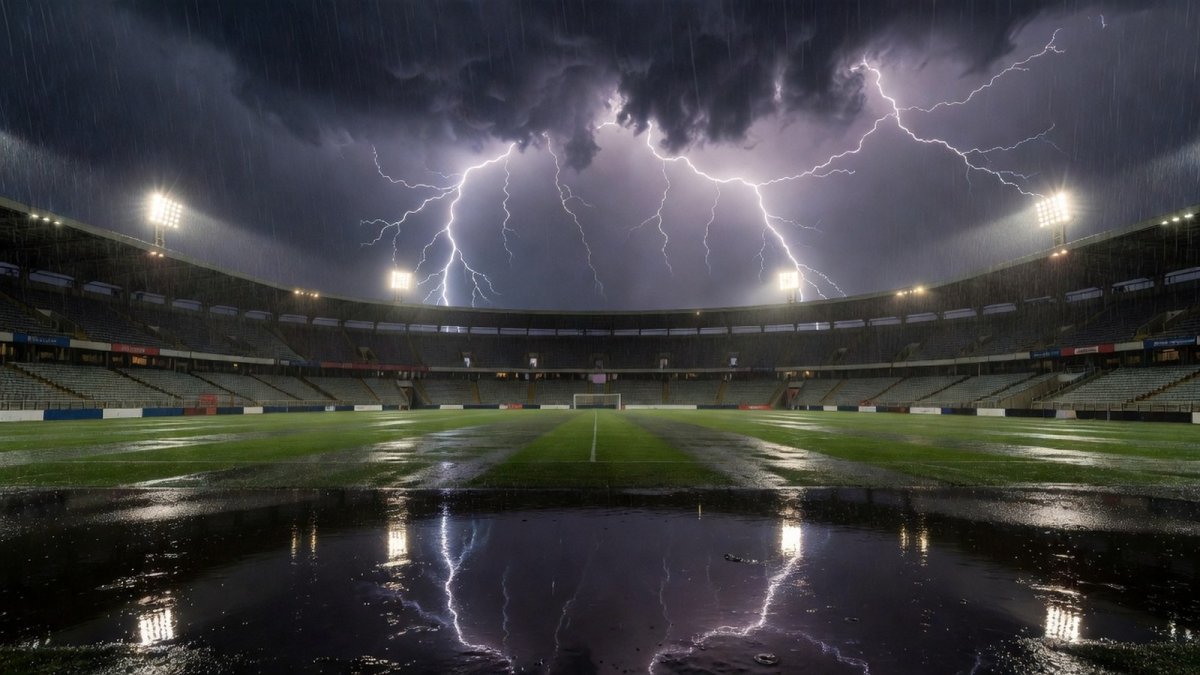
The South African Perspective
South Africa records one of the highest lightning ground strike densities in the world according to the South African Weather Service. More than 250 people die from lightning strikes in the country each year. The Highveld around Johannesburg and Pretoria ranks among the most lightning-prone zones on Earth.
Betway Premiership clubs play through the summer months from October to March when afternoon thunderstorms are routine. SAFA and PSL match officials must decide whether to suspend games at open-air stadiums. The South African Weather Service Lightning Detection Network tracks strikes in real time for such decisions.
This tragedy lands heavily in South Africa because the numbers here are every bit as stark. The country's lightning record is among the worst on the planet, and every summer afternoon on the Highveld becomes a test for players and officials alike. Betway Premiership matches are played right through the thunderstorm season, which places the same weather decisions that failed in Thailand onto local referees and SAFA match commissioners every single weekend.
Amateur and school football in Gauteng faces even greater exposure. Grassroots clubs rarely have the real-time warning systems that professional venues use, leaving young players on open fields with little warning when thunder rolls in. The unity that sport brings to communities across the provinces makes each loss feel personal, as if the same bolt could strike any local pitch where children chase a ball after school.
South African fans recognise that transformation through sport depends on keeping participants safe. When a 24-year-old winger falls in Thailand, it forces every parent and coach here to ask whether the next Highveld thunderstorm will find similar gaps in protection on their own grounds.
Safety Protocols and the 30-30 Rule
The international 30-30 rule states that if the gap between lightning flash and thunder is 30 seconds or less, play must stop and everyone must move to safe shelter. Play cannot resume until 30 minutes after the last thunder is heard. SAFA, PSL clubs, Cricket South Africa and stadium operators maintain weather protocols for open-air venues.
Referees and club staff face pressure to keep matches going even when storms approach. The Thailand golf caddy death earlier this year showed the same pattern of continuing play in dangerous conditions. This incident will prompt renewed scrutiny of those protocols across South African football.
The 30-30 rule exists for exactly this moment, yet the responsibility for applying it is spread across referees, match commissioners, club management and weather services. The pressure to continue for broadcast schedules, gate revenue and fixture congestion often delays the call. In Thailand the same pressure kept the Golok FA Cup semi-final running until injury time, and the cost was measured in a young man's life.
South Africa maintains protocols through SAFA and PSL structures for open-air stadiums, yet the gap between professional and grassroots levels remains wide. Amateur sides in Gauteng frequently train and play without the data and match-day support that top-flight clubs take for granted, leaving school and community matches exposed when summer storms roll in. The Thai tragedy shows how quickly that gap can turn fatal.
Stronger enforcement at every level, from Betway Premiership grounds to township pitches, must follow. The incident should push SAFA and club officials to treat the 30-30 rule as non-negotiable rather than optional, protecting the next generation of players who simply want to finish a match in safety.
What to Watch for This Summer Season
South African domestic football enters its high-risk period as the Betway Premiership schedule moves into the Highveld summer. SAFA and PSL officials will face questions about enforcement of the 30-30 rule at amateur and school levels, where budgets are thinner and training for match officials is less consistent. The debate will centre on whether the same protection offered at professional venues can be extended to every pitch in the country.
The tragedy in Sungai Golok reminds South African fans of the human cost when safety decisions go wrong. Remembrance events at local grounds and calls for better training of match officials will likely follow in the coming weeks. National unity through sport depends on protecting players and supporters from preventable dangers.
The loss of Safwan Awae forces South African football to confront its own summer storm realities before the next season begins. Stronger adherence to weather protocols could prevent similar heartbreak on local pitches. Fans across the country will watch closely as SAFA and the PSL review their procedures in the months ahead.
By Dante Williams, Staff WriterThis article was produced with AI-assisted research and editorial support. Reporting is based on sources cited in the article.
What's Your Reaction?
 Like
0
Like
0
 Dislike
0
Dislike
0
 Love
0
Love
0
 Funny
0
Funny
0
 Wow
0
Wow
0
 Sad
0
Sad
0
 Angry
0
Angry
0

Breaking News and Investigations Correspondent at Global1.News. Based in London, covering global breaking news, security, and investigative stories. Known for digging deeper and connecting the dots across continents.












Comments (0)