
Four AI Models Predict World Cup 2026 Winner on Opening Day
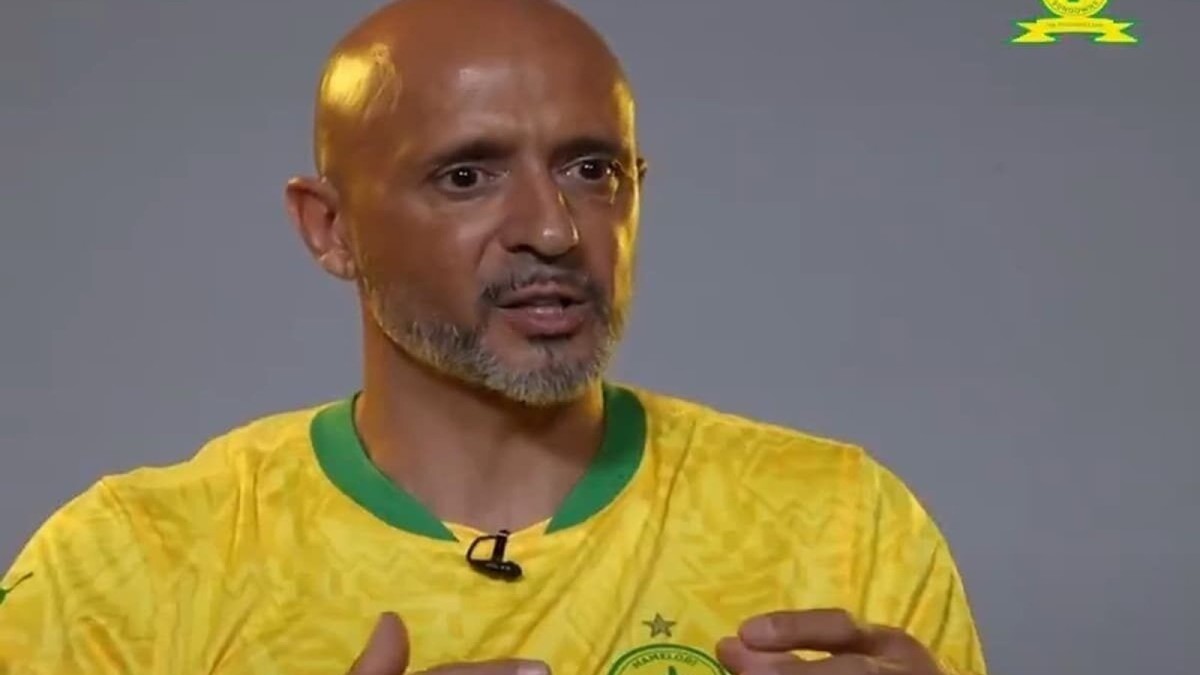
Today marks the opening of the FIFA World Cup with South Africa facing Mexico at Estadio Azteca in Mexico City, the first match of a 48-team tournament co-hosted by the United States, Canada and Mexico. Al Jazeera English released its video titled "Four AI models go head-to-head on World Cup 2026 winner predictions," featuring analysis from ChatGPT, Claude, Gemini and Grok that
Bafana Bafana Kick Off 2026 World Cup Amid AI Forecasts
Mexico City, Mexico – June 11, 2026 — South Africa opens its campaign against Mexico at Estadio Azteca while four leading AI systems deliver contrasting forecasts for the expanded tournament winner.

What Each AI Model Predicted
ChatGPT from OpenAI selected Argentina as the likely champion after weighing the defending champions' squad depth and recent form against the challenges of the 48-team draw. The model reviewed historical data showing Argentina's success in previous editions and assessed group draw difficulty as manageable for a side with proven tournament pedigree. South African supporters following the Al Jazeera English video noted how this prediction sidelines emerging nations yet underscores the value of consistent performance data that MultiChoice Diski Challenge academies now incorporate in youth development.
Claude from Anthropic chose Brazil, citing the nation's historical data of multiple titles and strong recent form in South American qualifiers. The analysis highlighted squad depth across attacking positions and a group draw that avoids early clashes with top European sides. For South African football governance bodies such as SAFA and the SA Sports Ministry, the prediction serves as a reminder that pedigree remains a decisive factor even as the tournament expands to 104 matches across three host nations.
Gemini from Google favoured France, pointing to recent form in major tournaments and squad depth that includes versatile midfield options. The model examined historical data from the past decade and concluded that France's group draw difficulty was lower than that faced by several African sides. SuperSport pundits broadcasting the opening match referenced similar tactical insights when discussing how Bafana Bafana's high-altitude training camps in Bloemfontein and Pretoria could offset such pedigree advantages.
Grok from xAI selected the United States, emphasising host nation advantage and the logistical benefits of playing across familiar venues in the co-host format. The model reviewed historical data on home-soil performances and assessed the expanded schedule as favouring teams with greater recovery resources. South African fans in Cape Town and Durban fan parks discussed how this outcome would affect continental representation while the PSL continues its SuperSport broadcast partnership with advanced stats overlays to prepare local players for similar data-driven evaluations.
Bafana Bafana's Return to the World Stage
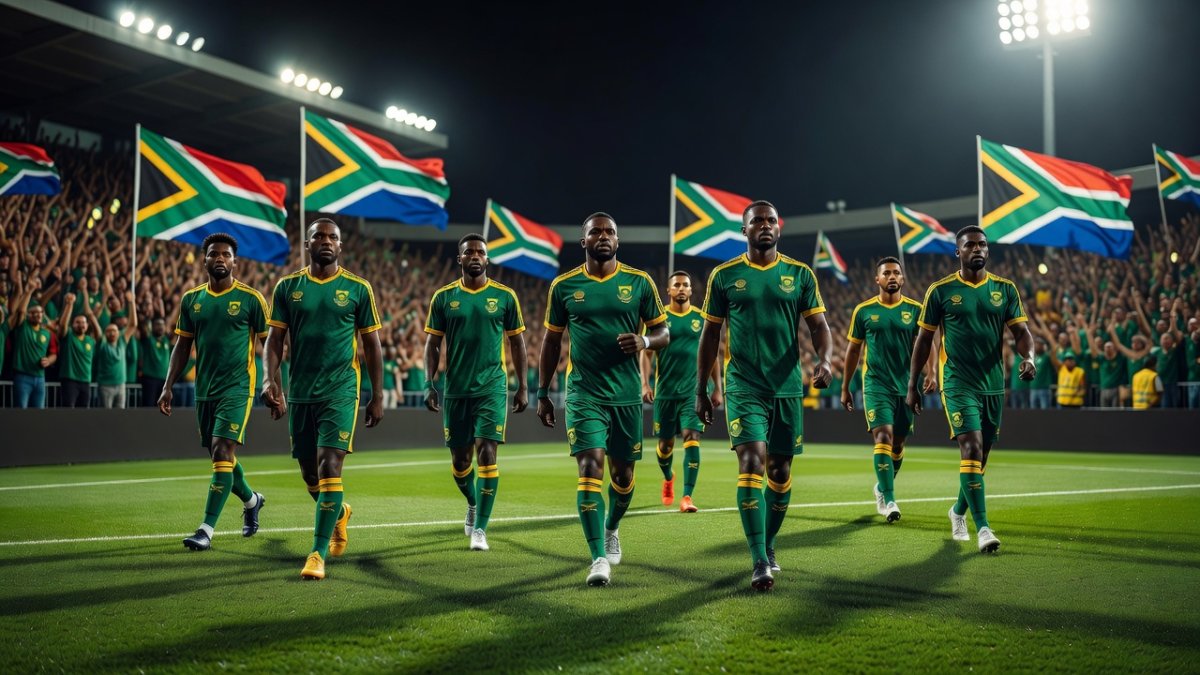
South Africa qualified for the 2026 FIFA World Cup after a decisive win over Benin in March, ending a 16-year absence that included missed tournaments in 2014, 2018 and 2022. SAFA confirmed the final squad following that result, integrating players developed through MultiChoice Diski Challenge academies that now apply data analytics to track performance metrics. The return coincides with the first World Cup appearance since the 2010 edition hosted on home soil, generating renewed interest across the PSL and grassroots structures supported by the SA Sports Ministry.
The opening fixture against Mexico at Estadio Azteca places Bafana Bafana in a high-altitude environment that mirrors training conditions used in Bloemfontein and Pretoria camps. SAFA officials coordinated with the SA Sports Ministry to finalise support structures including medical and logistical briefings ahead of the match. Fans in Soweto and Gqeberha have organised viewing events that connect the national team journey to broader transformation goals within South African football governance.
Qualification through the African zone required consistent results that SAFA tracked using methods now standard in the PSL SuperSport partnership. The decisive March victory over Benin secured the berth and allowed the federation to finalise preparations for a 104-match tournament. Historical context from the 2010 hosting experience continues to shape fan expectations, with many recalling the atmosphere at Soccer City and seeking similar moments at fan parks across the country.
The squad features athletes who progressed through academies employing the same data analytics tools referenced in the Al Jazeera English video analysis. SAFA's emphasis on youth pathways aligns with national sports policy that prioritises measurable development outcomes. This return therefore represents both sporting and cultural milestones for communities that have sustained support for Bafana Bafana through the missed cycles between 2014 and 2022.
The Expanded 48-Team Format and What It Means for SA
The 2026 FIFA World Cup introduces 48 teams and 104 matches, the first edition co-hosted by the United States, Canada and Mexico. This structure increases the number of group-stage fixtures and provides additional opportunities for nations such as South Africa that missed three consecutive tournaments. SAFA analysts have examined how the expanded schedule affects recovery and preparation, drawing on the high-altitude training protocols already established in Bloemfontein and Pretoria.
The three-nation hosting arrangement spreads matches across multiple time zones and climates, requiring federations to coordinate travel and acclimatisation plans. South African supporters travelling to North America will rely on support structures confirmed by the SA Sports Ministry, while domestic fan parks in Durban and Cape Town maintain continuous coverage. The format also amplifies the role of data analytics, a tool already embedded in the MultiChoice Diski Challenge and PSL broadcast productions.
With 104 matches scheduled, the tournament offers more pathways for African teams to advance beyond the group stage than in previous editions. Bafana Bafana's opening match against Mexico at Estadio Azteca serves as an immediate test of whether recent qualification momentum can translate under the new parameters. SAFA continues to align national team strategies with the broader governance objectives set by the SA Sports Ministry to maximise this expanded platform.
AI in South African Football Development
MultiChoice Diski Challenge academies have integrated data analytics into youth development programmes, mirroring the methodologies used by the four AI models in the Al Jazeera English video. These tools track player metrics that SAFA now incorporates when selecting squads for international competition. The approach supports transformation targets by identifying talent from previously underrepresented regions across the country.
The PSL's expanded SuperSport broadcast partnership includes advanced stats overlays that familiarise local audiences with the same performance indicators evaluated by ChatGPT, Claude, Gemini and Grok. SAFA technical staff review these overlays during national team camps to refine tactical preparation. The SA Sports Ministry has scheduled briefings that connect such technological adoption to long-term capacity building within South African football structures.
High-altitude training conducted in Bloemfontein and Pretoria provides measurable physiological data that aligns with the analytical frameworks highlighted in the AI predictions. SuperSport pundits regularly reference these datasets when discussing Bafana Bafana's prospects. This convergence of technology and traditional development pathways strengthens the overall ecosystem that supports the national team's return to the World Cup after the 2014-2022 absences.
What to Watch For
Bafana Bafana's next group fixtures will determine whether the squad can capitalise on the expanded 48-team format and advance to the knockout stages. SAFA has coordinated with the SA Sports Ministry to monitor player welfare across the demanding schedule that includes matches in varying climates. Fans in Johannesburg and Cape Town fan parks will track these results closely as the tournament progresses through its 104 fixtures.
Supporters planning travel to the United States, Canada and Mexico venues have received guidance from SAFA on logistics and accreditation. The co-host arrangement allows for multiple viewing options, yet many South Africans will continue gathering at established fan parks in Soweto, Durban and Gqeberha. These sites maintain the communal atmosphere that defined the 2010 hosting experience.
The contrasting AI predictions released by Al Jazeera English underscore the uncertainty surrounding the 2026 outcome. South African stakeholders will observe how squad depth and recent form evolve over the coming weeks, particularly for teams identified by ChatGPT, Claude, Gemini and Grok. The national team's performance will also inform future investment decisions by the SA Sports Ministry and PSL partners.
The 2026 FIFA World Cup opening day has already delivered a convergence of technology, history and national pride for South African football. Bafana Bafana's presence at Estadio Azteca revives memories of 2010 while testing new structures built during the years of absence. Continued focus on data-driven development through the MultiChoice Diski Challenge and PSL partnerships positions the sport for sustained progress beyond this tournament.
By Dante Williams, Staff WriterThis article was produced with AI-assisted research and editorial support. Reporting is based on sources cited in the article.
What's Your Reaction?
 Like
0
Like
0
 Dislike
0
Dislike
0
 Love
0
Love
0
 Funny
0
Funny
0
 Wow
0
Wow
0
 Sad
0
Sad
0
 Angry
0
Angry
0

Breaking News and Investigations Correspondent at Global1.News. Based in London, covering global breaking news, security, and investigative stories. Known for digging deeper and connecting the dots across continents.










Comments (0)