
Foreign carers for elderly to get 10 to 20% more pay than current helpers
The Hong Kong government is poised to launch a pilot scheme that will bring foreign domestic carers into the city to tend to its rapidly ageing population.
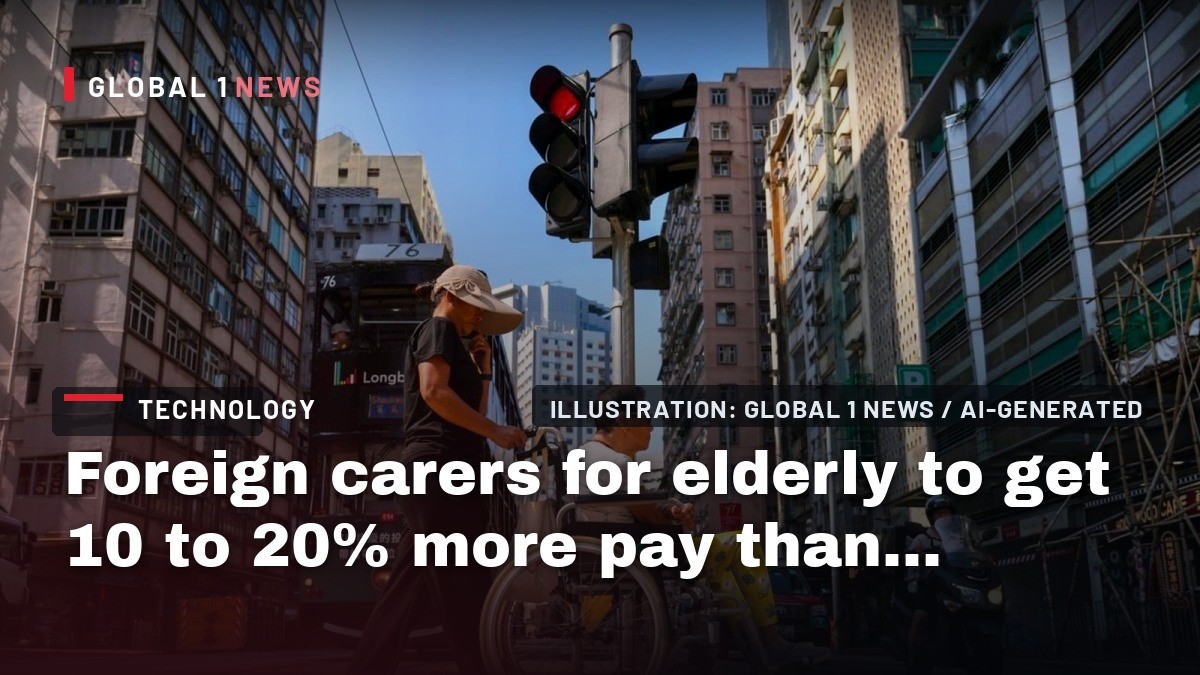
The Hong Kong government is poised to launch a pilot scheme that will bring foreign domestic carers into the city to tend to its rapidly ageing population. According to Labour Secretary Chris Sun Yuk‑han, these carers will be paid between ten and twenty per cent more than the wages currently offered to local domestic helpers. The initiative, announced alongside a comprehensive report on ageing strategies, marks a significant policy shift as the city grapples with demographic pressures that are reshaping its labour market and social services.
Policy rationale behind higher pay for foreign carers
Secretary Sun’s announcement underscores a clear recognition that the supply of qualified elderly‑care workers in Hong Kong is insufficient to meet growing demand. By offering a wage premium, the government aims to attract foreign carers who possess specialised training recognised by Hong Kong authorities. The pay differential is intended to compensate for the additional qualifications and experience required, signalling that the administration values professional expertise in eldercare over the lower‑cost labour traditionally provided by local helpers.
The decision also reflects a broader strategic intent to diversify the caregiving workforce. Deputy Chief Secretary Warner Cheuk Wing‑hing highlighted the “immense impact” of an ageing society on the economy and social fabric, noting that both challenges and opportunities arise from this demographic shift. By creating a tiered remuneration structure, the policy seeks to balance the need for affordable care with the imperative to maintain quality standards.
Eligibility criteria for foreign domestic carers
Prospective foreign carers must meet two key prerequisites: they must have completed elderly‑care training that is officially recognised by Hong Kong, and they must have accumulated at least three years of experience caring for older adults. These criteria are designed to ensure that incoming workers are not only familiar with the cultural expectations of Hong Kong families but also possess practical, hands‑on expertise.
The emphasis on recognised training suggests that the government will likely rely on certifications from partner countries or internationally accredited programmes. While the source material does not specify which nations or institutions are involved, the requirement for recognised training implies a vetting process that will filter out candidates lacking formal credentials, thereby safeguarding the quality of care delivered under the pilot.
Implications for the local domestic helper market
Introducing a higher‑paid tier of foreign carers could create a ripple effect across the existing domestic helper market. Current helpers, who typically earn lower wages, may perceive the wage gap as a signal that specialised eldercare skills are increasingly valued. This could incentivise local workers to seek additional training, potentially reshaping the skill profile of the domestic helper sector.
Conversely, there is a risk that the wage premium might widen the disparity between specialised carers and general‑purpose helpers, leading to segmentation within the workforce. Families with greater financial means may preferentially hire foreign carers, while lower‑income households continue to rely on existing helpers. The policy’s impact on household budgeting and social equity will depend on how widely the pilot is adopted and whether subsidies or support mechanisms are introduced.
Economic considerations of the ageing strategy
The government’s comprehensive report on ageing, which accompanies the pilot scheme, outlines seventy‑three measures across eleven areas. Although the source material does not detail these measures, the inclusion of the foreign‑carer initiative within the broader strategy indicates that the administration views labour supply as a critical lever in addressing the economic challenges of an ageing society.
By investing in higher wages for qualified carers, the government is effectively allocating resources to improve the quality of eldercare services. This could have downstream economic benefits, such as reducing hospital readmissions and extending the productive participation of older adults. While the exact fiscal impact is not quantified in the source, the policy aligns with a preventative approach that seeks to mitigate long‑term healthcare costs through better home‑based care.
Social and cultural dimensions of foreign caregiving
Hong Kong’s cultural expectations around family care are deeply rooted, with many families traditionally relying on relatives or local helpers for elder support. Introducing foreign carers into this milieu raises questions about cultural compatibility and the integration of external caregiving practices.
The requirement for recognised training suggests that the government anticipates a baseline of cultural competence. However, the source material does not elaborate on language proficiency or cultural orientation programmes, leaving open how effectively foreign carers will navigate the nuanced expectations of Hong Kong households. Successful integration will likely hinge on both the carers’ adaptability and the families’ openness to external assistance.
Potential challenges in implementation
Operationalising the pilot will involve coordination across immigration, labour, and health authorities. The need to verify training credentials, assess experience, and enforce the three‑year experience rule will require robust administrative mechanisms. Moreover, monitoring compliance with the wage premium and ensuring that foreign carers are not undercut by informal arrangements will be essential to maintain the scheme’s integrity.
There is also the practical matter of sourcing a sufficient pool of qualified candidates. The source material does not specify which source countries will be tapped, nor does it outline recruitment channels. If the supply of eligible foreign carers falls short, the pilot could face delays or limited coverage, undermining its intended impact on the ageing challenge.
Outlook and broader significance
The foreign‑carer pilot represents a proactive step by Hong Kong’s government to address the twin pressures of a growing elderly population and a constrained domestic labour market. By offering a targeted wage premium, the policy seeks to attract skilled workers who can deliver higher‑quality care, thereby enhancing the wellbeing of older residents and alleviating pressure on families.
While the initiative is still in its pilot phase, its design reflects a nuanced understanding of the complexities involved in eldercare provision. The success of the scheme will depend on effective implementation, clear communication with both employers and prospective carers, and the ability to integrate foreign workers into Hong Kong’s social fabric without eroding existing support structures. As the comprehensive ageing report outlines a wide array of measures, the foreign‑carer programme will likely serve as a benchmark for future policies that aim to balance economic efficiency with social responsibility in an ageing Asia‑Pacific context.
This article was produced with AI-assisted research and editorial support. Reporting is based on the source material cited below. Sources: South China Morning Post; scmp.com; Global1.News (19 September 2026).
By Kenji Tanaka, Staff Writer
What's Your Reaction?
 Like
0
Like
0
 Dislike
0
Dislike
0
 Love
0
Love
0
 Funny
0
Funny
0
 Wow
0
Wow
0
 Sad
0
Sad
0
 Angry
0
Angry
0

Japan Correspondent at Global1.News. Tokyo-based voice covering Japanese politics, technology, economy, and culture. Tracks the intersection of tradition and innovation in one of the world's most dynamic societies.















Comments (0)