
Morocco's Oldest Festival Keeps Popular Arts Alive in Marrakech
Marrakech's Jemaa el-Fnaa Square and the ancient walls of El Badi Palace once again became a living stage this July as the National Festival of Popular Arts (FNAP) returned for its 55th edition, bringing together some 65 folk troupes from Morocco's twelve regions alongside guest artists from China and across Africa.
Marrakech's Jemaa el-Fnaa Square and the ancient walls of El Badi Palace once again became a living stage this July as the National Festival of Popular Arts (FNAP) returned for its 55th edition, bringing together some 65 folk troupes from Morocco's twelve regions alongside guest artists from China and across Africa. Morocco's oldest cultural festival — founded in 1959 on the initiative of King Mohammed V after independence — spent five nights turning the ochre city's medina into a living museum of song, dance and storytelling.
Morocco's Oldest Festival Keeps Popular Arts Alive in Marrakech
Marrakech, Morocco — For a week each July, the centuries-old walls of Marrakech ring with rhythms that predate the modern kingdom itself: the call-and-response chants of Aïta, the trance drums of Gnaoua, the spinning robes of Ahidous dancers from the Atlas Mountains. The National Festival of Popular Arts, held under the guidance of Morocco's Ministry of Youth, Culture and Communication, is more than a tourist spectacle — it is a national project to preserve the country's intangible heritage, region by region, generation by generation.
A Living Museum of Moroccan Heritage
The National Festival of Popular Arts stands as Morocco's oldest cultural festival, founded in 1959 on the initiative of King Mohammed V after independence to safeguard living traditions across the kingdom. Held under the guidance of the Ministry of Youth, Culture and Communication, the event gathers artistic groups from every region of Morocco to perform live folk traditions of music and dance on historic stages.
Venues such as El Badi Palace, Jemaa El-Fnaa Square, Medersa Ben Youssef and Bahia Palace turn the medina into a living museum each July, where audiences witness centuries-old forms in their original settings. The festival serves as a bridge between tradition and modernity by presenting rural arts on prestigious national stages in a major tourist city.
Intergenerational exchange flows naturally here as elder masters share stages with younger performers, passing rhythms and stories directly to new audiences. This approach keeps the medina alive with the sounds of Aïta singers and Ahidous dancers, ensuring that intangible heritage remains part of daily cultural life rather than museum pieces.
Similar efforts appear across Africa, where festivals in Senegal and Mali also celebrate living heritage through community participation. The FNAP model shows how national policy can protect cultural identity while inviting visitors to experience authentic expressions in their home environments.
By placing these performances in the heart of Marrakech, the festival strengthens national belonging and reminds Moroccans of the diverse roots that shape their shared story. The result is a dynamic space where tradition meets the present without losing its soul.
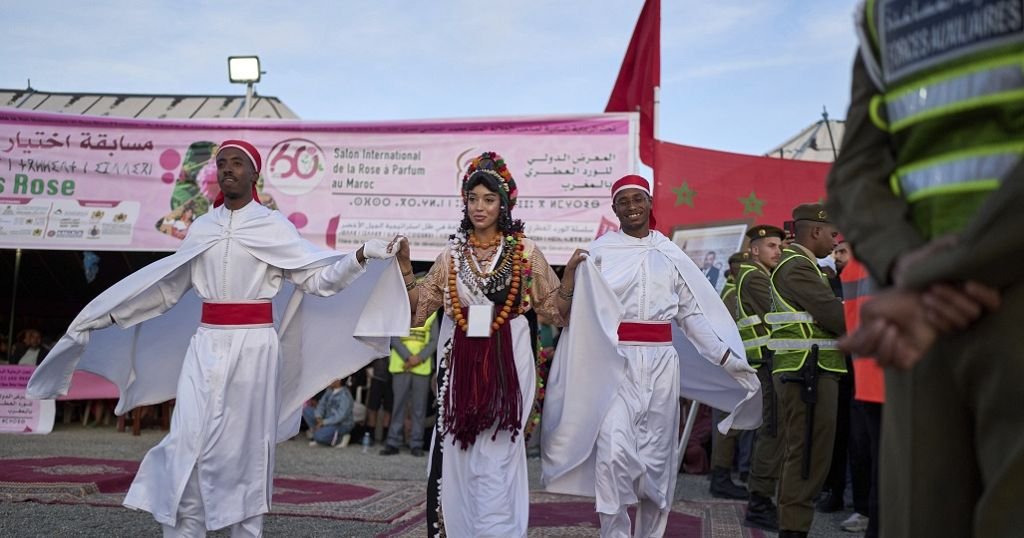
The 55th Edition: Treasures of Yesterday and Today
The 55th edition ran from July 2-6 2026 under the theme "Les Arts Populaires, Trésors d'hier et d'aujourd'hui," highlighting both historic forms and their contemporary relevance. Organizer Association Le Grand Atlas coordinated the program across multiple venues in the medina.
The opening parade began on July 2 at 19:00 from the Hôtel de Ville along Avenue Mohammed V, moving toward Jemaa el-Fna and El Badi Palace with more than 65 troupes, carriages and artistic creations on display. This procession set the tone for five nights of celebration.
Main nightly spectacles took place at El Badi Palace at 21:00, while free evening concerts on Jemaa el-Fnaa started at 20:30 featuring Orchestre Abdou El Ghali and Hind Ennaira. Themed evenings at Medersa Ben Youssef included the Morocco-China program on July 3 and the Morocco-Africa evening with Nabyla Maan on July 4.
Ticket prices kept access broad: Jemaa el-Fnaa concerts remained free, Medersa Ben Youssef evenings cost 100-150 MAD, and El Badi Palace events including the Nuit des Stars required 200 MAD. These arrangements allowed local families and international visitors alike to participate.
The structure reflected careful planning by Association Le Grand Atlas to balance large public gatherings with intimate performances. Each night built on the previous one, creating a complete immersion in Morocco's popular arts.
From Aïta to Gnaoua: The Rhythms of a Nation
Aïta represents a rural oral tradition from the Haouz, Doukkala, Abda and Chaouia plains, where female singers known as shikhat deliver call-and-response vocals meaning "the call" or "the cry" in Darija. Accompanied by bendir frame drums, guembri and oud, the songs explore love, longing, social commentary and resistance.
Gnaoua rhythms, Ahidous from the Atlas Mountains, Daqqa Marrakchia, Reggada from Oujda and Taza, Taskiwin, Guedra, Tbbala, Aissaoua Marrakech, Tkitikat Marrakech, Noujoum Abidat Rma and Ahidous Tighassaline all found space on the program. These forms, once performed mainly in villages, now reach national audiences in Marrakech.
The presence of female shikhat singers underscores the central role women play in transmitting these traditions. Their performances at El Badi Palace and Jemaa el-Fnaa Square give rural voices a prestigious platform that protects them from erosion caused by urbanization.
By showcasing these genres side by side, the festival demonstrates the rich variety within Moroccan popular arts. Audiences witness how each region contributes distinct instruments and movements that together form a national cultural tapestry.
The event acts as protection against the loss of rural traditions by giving them regular visibility in a major city. This approach mirrors efforts in other African countries where festivals revive village arts for new generations.

Africa and Beyond: A Pan-African Stage
The 55th edition expanded its international dimension with invited troupes from China performing Fujian acrobatics and Min Opera, alongside artists from across Africa. Chinese Ambassador to Morocco Yu Jinsong attended the official opening, underscoring the diplomatic warmth of the cultural exchange.
The Morocco-China evening on July 3 and the Morocco-Africa evening on July 4 with Nabyla Maan highlighted connections between Moroccan forms and wider traditions. Gnaoua's sub-Saharan roots, for instance, link directly to heritage shared with West and Central African communities.
The festival serves as a platform for cultural dialogue and meeting of peoples, where artists and audiences discover shared rhythms across borders. Festival organizers have long emphasized openness as essential to keeping popular arts vibrant.
Parallels exist with other African festivals that celebrate living heritage through international participation. Events in Senegal and Ethiopia similarly bring regional troupes together to strengthen continental ties while honoring local expressions.
This pan-African dimension enriches the experience for Moroccan audiences and visitors alike, showing how one nation's traditions resonate with broader continental stories. The result is a deeper appreciation of cultural interconnectedness.
Zina Daoudia and the Nuit des Stars
The closing Nuit des Stars on July 6 honored Zina Daoudia, the legendary Moroccan chaâbi and popular music singer whose decades-long career has made her a beloved figure across the kingdom. The tradition of recognizing living masters continues to anchor the festival's identity.
Previous editions have followed the same practice of paying homage to artists who carry forward the cultural soul. In the 54th edition, singer Saïda Charaf shared her joy at performing in Marrakech, describing it as the city of the seven saints and the city of joy and smile.
Saïda Charaf also noted that the day coincided with the 40th anniversary of Association Le Grand Atlas, the organizer that has sustained the festival for generations. Such moments highlight the personal connections that keep the event grounded in community.
The 54th edition closed at Palais El Badiî before an audience from around the world, setting a high standard for the following year. Honoring figures like Zina Daoudia ensures that the stories and techniques of popular song remain alive and respected.
This focus on masters creates a living archive where younger artists can learn directly from those who shaped the genre. The practice strengthens the festival's role as guardian of Morocco's musical memory.
Preserving Heritage for the Next Generation
The festival plays a vital role in safeguarding Morocco's intangible heritage by creating regular opportunities for transmission between generations. Urbanization and shifting entertainment habits threaten rural traditions, yet the FNAP provides a consistent national stage that counters these pressures.
Intergenerational exchange happens naturally when elders perform alongside emerging talents in front of mixed audiences. This connection between tradition and modernity keeps the arts relevant while preserving their core forms.
Cultural preservation matters deeply for national identity and belonging, as these rhythms and stories form the foundation of Moroccan self-understanding. Similar efforts across Africa, including UNESCO-recognized spaces, show how festivals support creative economies and community pride.
The broader African context reveals shared challenges and solutions, from Senegal's cultural festivals to continental initiatives that document living heritage. The FNAP demonstrates that such work strengthens both local roots and continental solidarity.
For African audiences, the event offers a model of how popular arts can thrive in modern settings without losing authenticity. This approach supports the creative economy while ensuring that future generations inherit a living rather than static culture.
What to Watch For
The 56th edition is expected in summer 2027, building on the success of the 55th with continued growth in international participation. Morocco's summer festival calendar already includes Mawazine, the Gnaoua Festival of Essaouira and Festival des Plages, creating a rich season of cultural events.
The Ministry of Youth, Culture and Communication continues its oversight, ensuring that the FNAP remains a cornerstone of national heritage policy. Travelers can experience Morocco's popular arts year-round at Jemaa el-Fnaa, a UNESCO-recognized cultural space that serves as a permanent stage for storytellers and musicians.
Regional moussems throughout the kingdom offer additional entry points into these traditions outside the main festival dates. The FNAP's place in Morocco's tourism and cultural economy grows each year as visitors seek authentic encounters with living heritage.
From a Senegalese perspective, the festival echoes the spirit of events like the Dakar Arts Festival, where community participation keeps traditions vibrant. Both demonstrate how African nations can celebrate their roots while opening doors to the wider world.
The living, breathing nature of African heritage shines through every performance at the FNAP. As long as the medina walls echo with these rhythms, the treasures of yesterday continue to shape tomorrow.
By Amara Diop, Staff Writer
This article was produced with AI-assisted research and editorial support. Reporting is based on sources cited in the article.
What's Your Reaction?
 Like
0
Like
0
 Dislike
0
Dislike
0
 Love
0
Love
0
 Funny
0
Funny
0
 Wow
0
Wow
0
 Sad
0
Sad
0
 Angry
0
Angry
0

West Africa/Sahel Correspondent at Global1.News. Dakar-based journalist covering politics, security, climate, and development across Francophone and Anglophone West Africa. Tells the stories of a region undergoing profound transformation.












Comments (0)