
Ebola's Shadow: Maternal Deaths Double in DRC as Women Flee Clinics
In eastern Democratic Republic of the Congo, the world's fastest-growing Ebola outbreak has quietly become a maternal health emergency. Pregnant women are avoiding clinics for fear of the virus, and in Ituri Province birth-related deaths have doubled — a shadow crisis that public health experts say carries urgent lessons for Latin America.
In eastern Democratic Republic of the Congo, the world's fastest-growing Ebola outbreak has quietly become a maternal health emergency. Pregnant women are avoiding clinics for fear of the virus, and in Ituri Province birth-related deaths have doubled — a shadow crisis that public health experts say carries urgent lessons for Latin America.
Ebola's Shadow: Maternal Deaths Double in the DRC as Women Flee Clinics
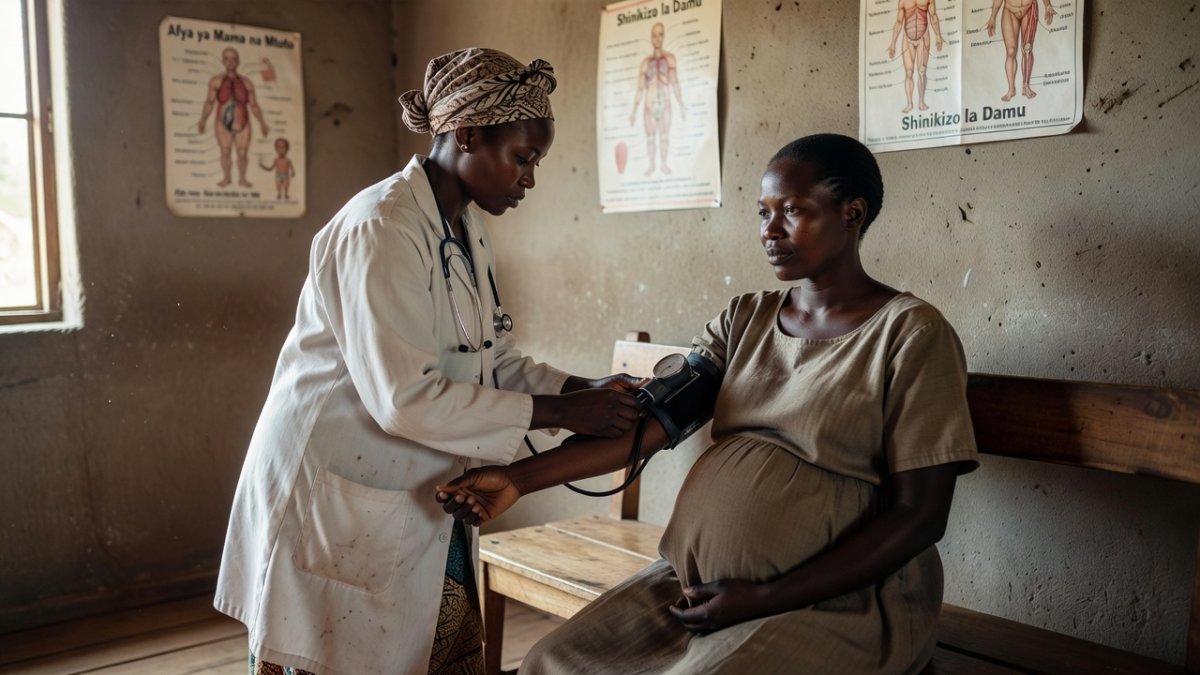
[Bunia, Ituri Province, DRC] — August 17, 2026 — In the shadow of the Democratic Republic of the Congo's deadliest-ever Ebola outbreak, a quieter catastrophe is unfolding in the maternity wards of Ituri Province. Pregnant women, terrified of contracting the virus in crowded health facilities, are staying away from clinics in droves. The result is a stark, preventable surge in maternal mortality: birth-related deaths have doubled since the outbreak was declared in May, and new mothers are now giving birth in the open, sometimes just metres from Ebola treatment centres. This is not a collateral statistic; it is a direct consequence of a health system buckling under the weight of an unprecedented viral foe.
The Hidden Crisis Inside DRC's Deadliest Outbreak
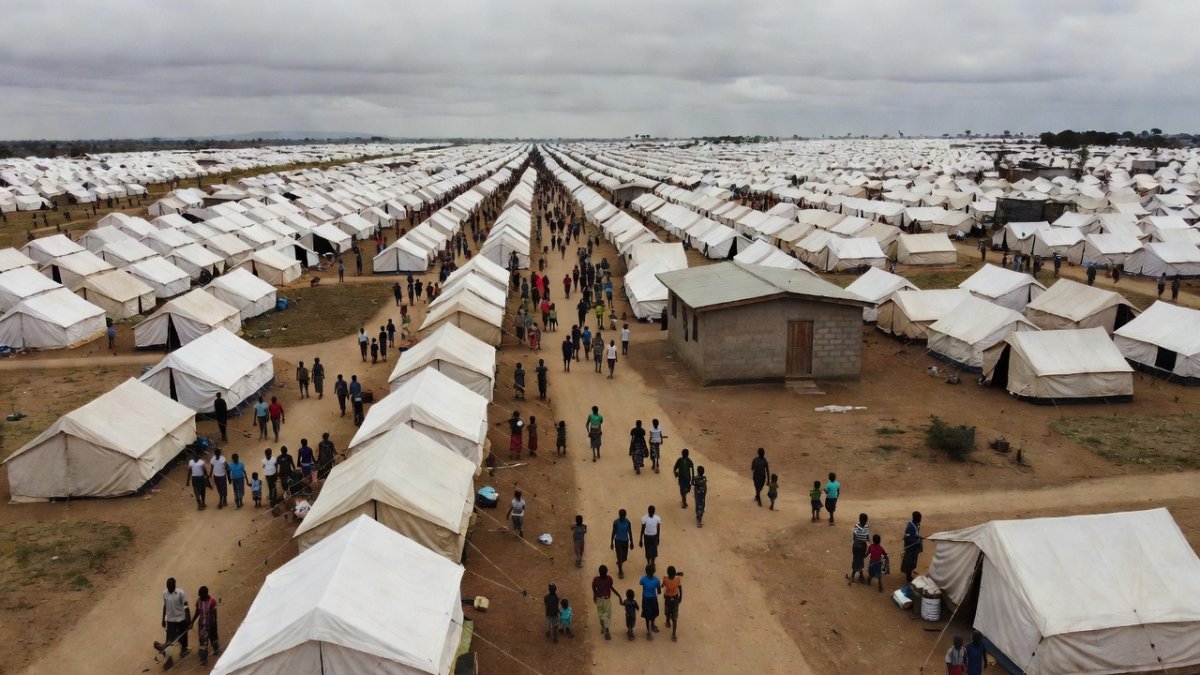
The Democratic Republic of the Congo is no stranger to Ebola, but this outbreak is rewriting the rules of engagement. Declared on May 15, 2026, in Ituri Province with the city of Bunia at its epicentre, the virus has already claimed 2,325 lives, surpassing the 2,299 deaths recorded during the 2018-2020 outbreak that was previously the country's worst on record. With 4,945 confirmed infections and 101 new cases reported in the preceding 24 hours alone, according to the DRC National Public Health Institute's August 17 report, this is now the fastest-growing Ebola outbreak ever documented. Yet the clinical narrative of fever, haemorrhage, and isolation misses a more insidious tragedy unfolding in the shadows of the treatment centres.
In Bunia's Kigonze displacement camp, midwife Francine Evhe describes a harrowing new reality: women arriving in labour, exhausted and terrified, having avoided any contact with the formal health system for months. Some give birth on the ground outside Ebola treatment units, hoping that proximity to care might save them if complications arise, while simultaneously fearing that the very act of entering a clinic could be a death sentence. The United Nations reports that health service utilisation in the hardest-hit areas has plummeted by more than 40 percent. This is not a simple disruption of services; it is a wholesale collapse of trust, and pregnant women are paying the ultimate price.
Women Are Staying Away From Clinics — and Dying
The data from Ituri Province paints a grim picture of avoidance and consequence. Before the outbreak was officially declared, maternal deaths in the region averaged 3.1 per week. Between May 25 and July 19, that figure rose to 5.8 per week. Now, the average has climbed to more than six women dying each week from childbirth-related complications. This doubling of mortality is not attributable to Ebola infection itself in most cases, but to the secondary effects of a health system in retreat. Missed prenatal appointments are rising sharply as women, fearing infection, choose to stay home. The UNFPA estimates that some 63,700 pregnant women are currently living in Congo's Ebola-affected areas, each one facing an impossible choice between a known virus and an unknown obstetric risk.
The avoidance is rational, given the fear, but it is lethal. When a woman skips her prenatal check-up, she misses the screening for preeclampsia, the treatment for malaria, and the planning for a safe delivery. When she avoids the clinic at the first sign of obstructed labour, she risks a rupture, haemorrhage, or infection that could have been managed with a simple intervention. The UNFPA is working across 29 health zones in eastern DRC to keep maternal and critical health services running, but the agency's humanitarian specialist, Pacifique Kigongwe, articulates the core challenge: "Even in the middle of an Ebola epidemic, women don't stop giving birth, they don't stop bringing life into the world." The system must adapt, or the death toll will continue to climb.
An Unprecedented Outbreak With No Vaccine
This is not the Ebola the world has learned to fight. The outbreak is caused by the Bundibugyo species of the virus, for which there are no approved vaccines or treatments. This fundamental gap has allowed the virus to gain a terrifying foothold. The case fatality ratio has risen from about 20 percent in early June to a staggering 46 percent — meaning nearly one in two confirmed cases now dies. Normally, this ratio falls as contact tracing improves and cases are detected earlier. Instead, as Thomas Parisch, a public health specialist with MSF, notes, "we're still seeing many cases detected very late, when treatment is less likely to succeed, with many identified only after they die in the community." The virus is outrunning the response.
The scale is historic. The World Health Organization declared a Public Health Emergency of International Concern (PHEIC) on May 17, 2026, just two days after the outbreak was announced, following confirmed spread to Uganda, where 20 cases and 2 deaths have been reported, mostly around Kampala linked to travel from the DRC. On August 14, the outbreak spread to a sixth province, and half of all deaths have been recorded in the preceding 20 days. WHO Director-General Tedros Adhanom Ghebreyesus warned on August 12 that at the current pace, this outbreak is on track to eclipse the West Africa 2014-2016 epidemic that killed more than 11,000 people. Sequencing has revealed the virus was actually circulating since February 2026, months before detection, giving it a head start that the response is struggling to close.
When Routine Care Collapses, Treatable Deaths Rise
The tragedy unfolding in Ituri is that women are dying from conditions that are eminently treatable. Paulina Ospina, director of maternal and child health with Direct Relief, a US medical aid group, is blunt: "They're not dying from Ebola. They're dying from complications that are treatable." Preeclampsia, malaria, and obstructed labour are all manageable with routine obstetric care. But when that care is inaccessible or avoided, they become death sentences. The collapse of routine services is a well-documented phenomenon in outbreaks, but the scale here is unprecedented. UNICEF has reported a sharp decline in children and women accessing essential healthcare, including childhood immunizations and births in health facilities, creating a secondary health crisis that will reverberate for years.
The intersection of Ebola and pregnancy is particularly brutal. Data from previous outbreaks shows that Ebola infection during pregnancy carries a near 100 percent fetal loss rate, and in some outbreaks, more than 90 percent of pregnant women who contracted the virus died. The current outbreak appears to be following a similarly devastating pattern, though the Africa Centres for Disease Control and Prevention (Africa CDC) is scheduled to review data on pregnancy outcomes in mid-August. Salim Abdool Karim, chair of Africa CDC's emergency committee, cautions that relatively few pregnancies have been identified so far and reports of unusually severe outcomes remain anecdotal until analysed. But the anecdotal evidence is alarming, and the fear it generates is driving the very avoidance that is killing women who are not even infected.
Health Workers on the Frontline, Unpaid and Under Attack
The backbone of any outbreak response is its health workforce, and in the DRC, that backbone is fracturing. Dozens of health workers have died in this outbreak, and once infection occurs in a healthcare setting, the hospital or clinic is often forced to close for deep cleaning, further reducing access to care. Since the PHEIC declaration, there have been 12 attacks on healthcare facilities, ranging from threats by rebel groups to community anger and misinformation asserting that Ebola isn't real. On August 6, dozens of health workers in Bunia abandoned their posts to protest unpaid wages, a strike that has crippled services in the epicentre. The combination of hazard, neglect, and violence is driving a desperate shortage of frontline staff.
Yet some remain, driven by a sense of duty that transcends the danger. Francine Evhe, the UNFPA midwife at the Kigonze displacement camp health centre, explains her decision to stay: "My fear left me when I saw people dying in that camp. If I didn't act, the pregnant women would die too." She adds, "Despite the severity of Ebola, I have a duty as a midwife to support women and girls and to save lives." Her colleague, Pacifique Kigongwe, echoes the sentiment, framing childbirth as an unstoppable force that demands a continuous response. These workers are the thin line between a manageable crisis and a total collapse of maternal health, and they are doing so without pay, without protection, and without respite.
What This Means for Latin America
For those of us in Latin America, the DRC's crisis is not a distant tragedy; it is a mirror of our own vulnerabilities. The 2014-2016 West Africa Ebola outbreak, the largest and most complex since the virus was discovered in 1976, accelerated the push for vaccines and reshaped global outbreak preparedness, including in the Americas. The Pan American Health Organization (PAHO) coordinates the region's epidemic response, and since 2014, countries have invested heavily in surveillance, border screening, and rapid-response teams. But the current DRC outbreak exposes a critical gap: preparedness for the virus itself is not the same as preparedness for the secondary collapse of routine health services.
Latin America is entering the 2026-2027 El Niño cycle with dengue still circulating at scale and coastal hospitals newly exposed to climate-driven flooding risks. This is a reminder that when routine health services break down during any emergency, preventable maternal deaths surge. Brazil's SUS (Sistema Único de Saúde) and its community health agent model (Agentes Comunitários de Saúde) is a reference for reaching remote populations — the same kind of community-level maternal outreach UNFPA is running in Ituri's 29 health zones. Rural and Indigenous maternal-health access gaps across the Amazon, Andes, and Central America mirror the access barriers DRC women now face. The lesson travels: global health security is only as strong as the weakest maternal health system, and an outbreak in one region stresses preparedness everywhere, from Brasília to Bogotá.
The Bottom Line — Maternal Health Is Frontline Health
The DRC's outbreak is a stark lesson in the interconnectedness of health security. As UN humanitarian chief Tom Fletcher warned, "Ebola is winning in the Democratic Republic of the Congo. We cannot let the virus outrun our response." He called for "speed, scale, and solidarity before this virus gets even further ahead of us." That solidarity must extend beyond the immediate Ebola response to include the invisible victims: pregnant women who are dying from treatable complications because the system meant to protect them has been overwhelmed. The Africa CDC's upcoming review of pregnancy outcome data will be critical, as will the evaluation of experimental vaccines and treatments for the Bundibugyo species, which are currently being assessed.
For Latin America, the takeaway is clear. Maternal health is not a separate issue from outbreak response; it is the frontline. When we invest in community health workers, in robust primary care, and in systems that can maintain routine services during a crisis, we are building resilience against the next pandemic. The women of Ituri are dying not because Ebola is unstoppable, but because the world allowed their routine care to collapse. We must not let that happen again, anywhere. The fight against Ebola in the DRC will be won or lost not just in the treatment centres, but in the maternity wards, the displacement camps, and the homes where pregnant women are making the impossible choice between fear and survival.
By Elena Vasquez, Staff Writer
This article was produced with AI-assisted research and editorial support. Sources: Al Jazeera English, UNFPA, WHO, UNICEF, Africa CDC, Direct Relief.
What's Your Reaction?
 Like
0
Like
0
 Dislike
0
Dislike
0
 Love
0
Love
0
 Funny
0
Funny
0
 Wow
0
Wow
0
 Sad
0
Sad
0
 Angry
0
Angry
0

Latin America Correspondent at Global1.News. Based in Mexico City, covering politics, economics, energy, and culture across the region. Brings an on-the-ground perspective to stories spanning from the Rio Grande to Patagonia.













Comments (0)