
DOJ Probes 20 DPWH Cebu Officials Over Ghost Flood Projects
In a recent ANC 24/7 report from The World Tonight, the Department of Justice announced it will investigate 20 DPWH Cebu officials and private individuals over two alleged ghost flood control projects in Barangay Singsing, Balamban. The cases highlight how public funds intended to protect coastal communities from flooding have allegedly been misused, leaving families in Cebu vulnerable during the rainy season.
In a recent ANC 24/7 report from The World Tonight, the Department of Justice announced it will investigate 20 DPWH Cebu officials and private individuals over two alleged ghost flood control projects in Barangay Singsing, Balamban. The cases highlight how public funds intended to protect coastal communities from flooding have allegedly been misused, leaving families in Cebu vulnerable during the rainy season. Ordinary residents in first-class municipalities like Balamban now face continued risks from storm surges along the Tañon Strait.
DOJ Launches Probe Into 20 DPWH Cebu Officials Over Alleged Ghost Flood Control Projects
[Manila, Philippines – August 5, 2026] — The Department of Justice received two criminal complaints this week from the National Bureau of Investigation-Cebu District Office targeting engineers and personnel of the DPWH Cebu 3rd District Engineering Office along with private individuals. The complaints cover alleged anomalies in flood control projects in Barangay Singsing, Balamban, Cebu, and form part of the government's ongoing nationwide crackdown on questionable infrastructure works.
The Story — Complaints Filed Against DPWH Personnel
DOJ spokesman Paolo Martinez disclosed on Tuesday that the first complaint arrived on July 29, 2026, with a second complaint covering an additional project received shortly afterward. Both complaints name the same 20 respondents and list seven criminal charges including technical malversation, malversation of public funds, violations of the Anti-Graft and Corrupt Practices Act, perjury, falsification of public documents, falsification by private individuals and use of falsified documents, and violations of the Government Procurement Reform Act.
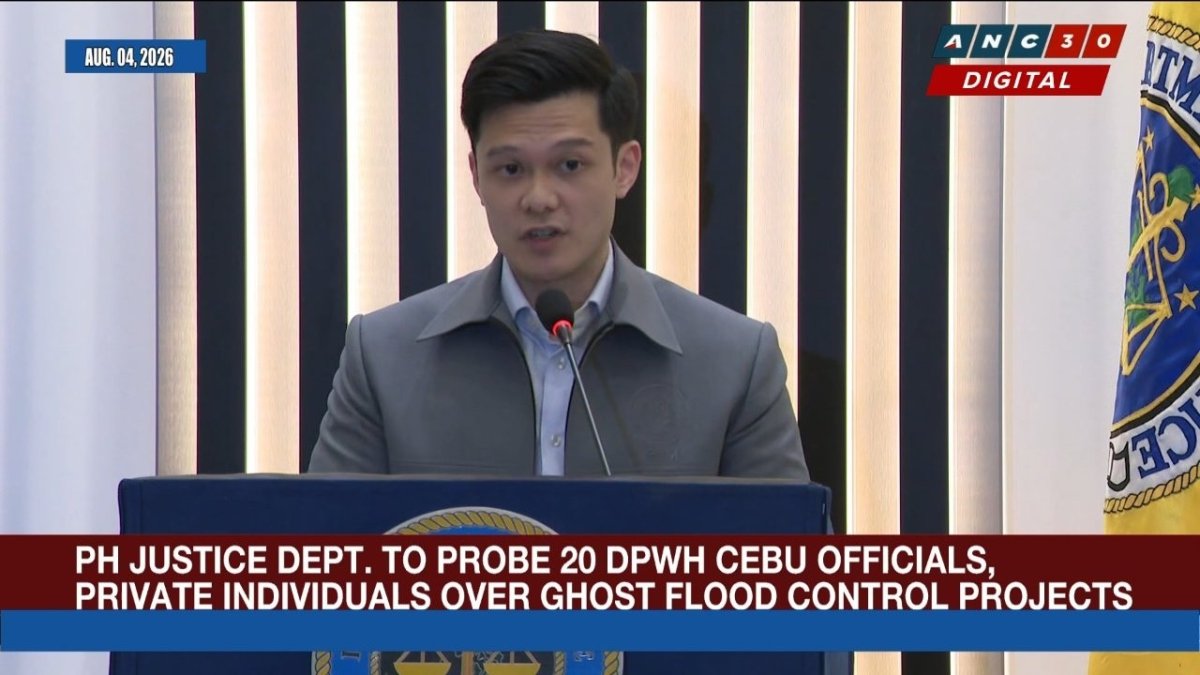
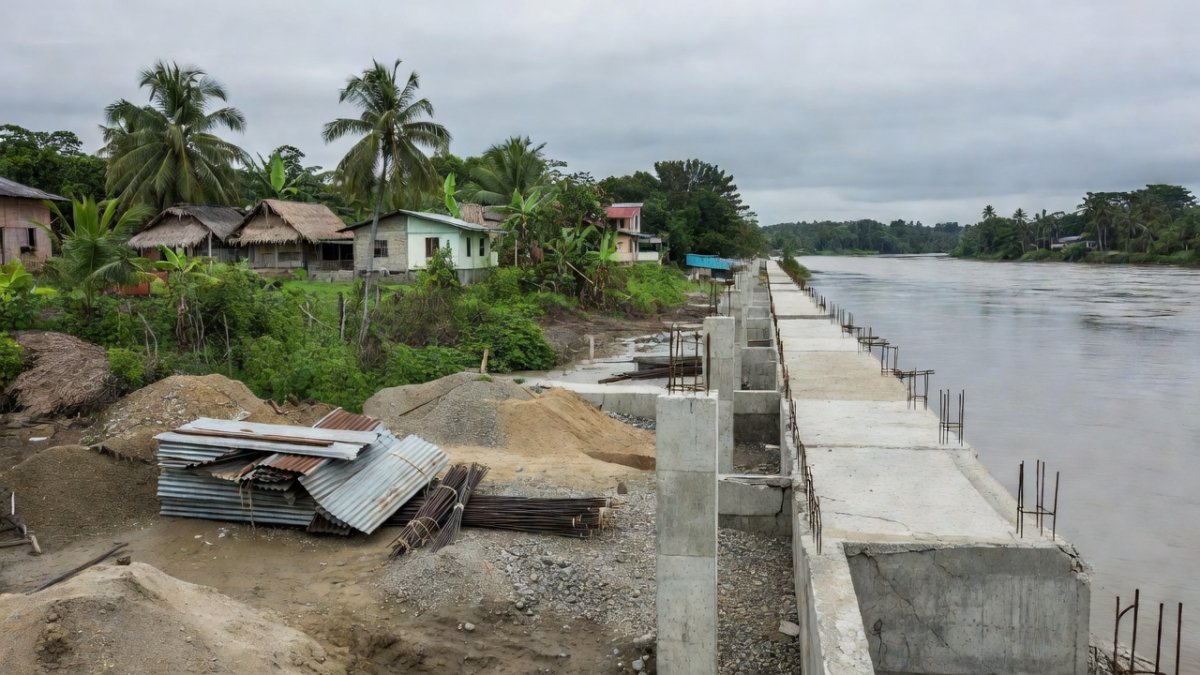
NBI-7 Supervising Agent Gregorio Y. Algoso Jr. had earlier announced the discovery during a June 30, 2026 press conference in Mandaue. Investigators found that contract coordinates for one project in Barangay Singsing did not match any existing structure at the site. DPWH officials claimed the project had been transferred to another barangay, but NBI-7 maintained the paper trail pointed to irregularities in bidding and implementation.
The investigation by NBI-7's Mandaue District Office began in December 2025 after reports of irregularities reached authorities. Field checks revealed that the listed coordinates led investigators to an empty site rather than any flood control structure, prompting deeper scrutiny of the bidding and payment documents. This discovery aligned with the broader pattern of alleged ghost projects that have drawn national attention since 2024.
Algoso noted that DPWH offered justifications for relocating one project, yet the paperwork still listed the original Barangay Singsing location. The agency recommended filing cases against all involved parties, including contractors and DPWH personnel, and routed the complaints through the DOJ task force as required.
Philippine Context — Part of Widening National Investigation
The Cebu cases join a broader government effort that began after reports of ghost flood control projects surfaced in 2024 and 2025. DPWH Secretary Vince Dizon previously identified 421 potentially questionable projects out of roughly 8,000 nationwide. DOJ acting secretary Fredderick Vida confirmed in January 2026 that 14 projects had been verified as true ghost projects so far. More than P800 million in misallocated funds has already been recovered and returned to the National Treasury, with further recoveries expected from ongoing NBI probes.
In Bulacan, related complaints involving lower-ranking DPWH personnel have moved to the Regional Trial Court in Quezon City after a venue transfer, while cases against higher-ranking officials were referred to the Office of the Ombudsman for possible Sandiganbayan proceedings. The Cebu complaints follow the same pattern of NBI field discoveries leading to DOJ preliminary investigation.
The scandal has already triggered Senate Blue Ribbon Committee hearings and the creation of the Independent Commission for Infrastructure to strengthen oversight. President Ferdinand Marcos Jr. personally inspected an unfinished project site in Baliwag, Bulacan last year, underscoring the administration's push for accountability across provinces.
Impact on Filipinos — Flood Risks in Coastal Barangays
Residents of Barangay Singsing and surrounding coastal areas in Balamban rely on these flood control structures to guard against seasonal typhoons and storm surges. When projects exist only on paper, families lose critical protection, forcing them to spend scarce resources on emergency measures or face repeated property damage. Jeepney drivers and sari-sari store owners in the municipality report that flooding disrupts daily commerce and school attendance for children during the wet season.
The misuse of funds also affects OFW families who send remittances home expecting improved infrastructure in their hometowns. Bayanihan spirit in affected barangays has been tested as communities organize their own sandbagging efforts while waiting for accountability from DPWH and local officials.
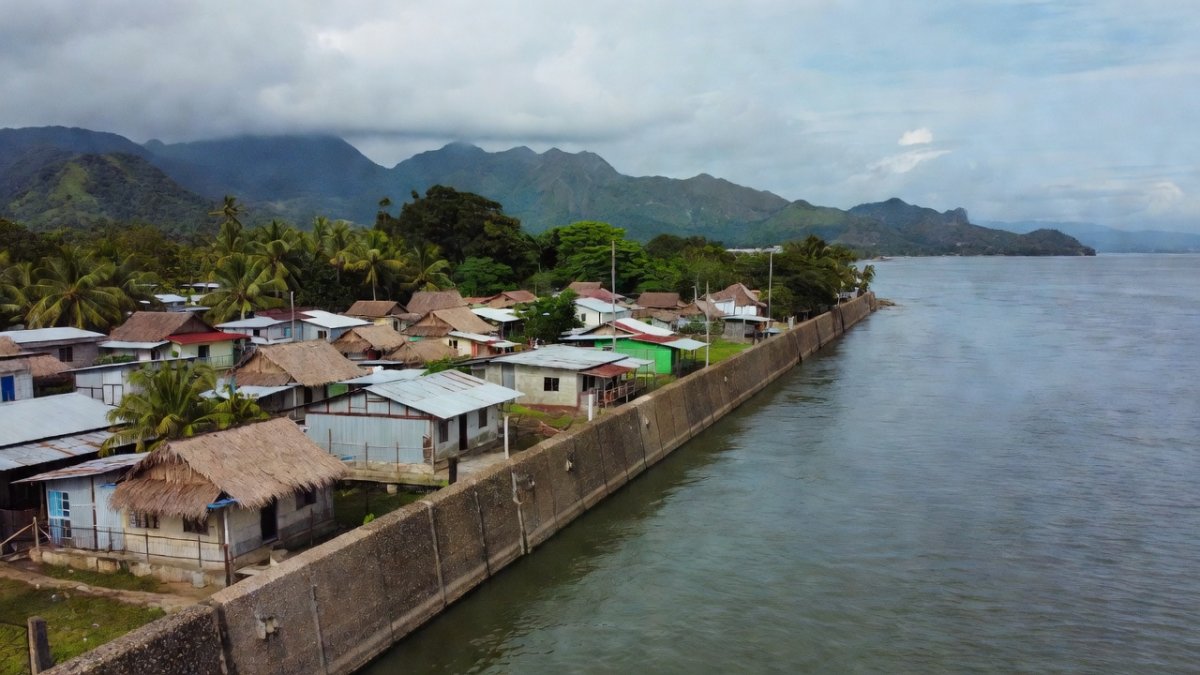
Balamban, a first-class municipality on Cebu's western coast facing the Tañon Strait, depends heavily on these defenses during the rainy season. Without completed structures, coastal households remain exposed to repeated inundation that damages homes, crops, and small businesses built over generations.
Coastal barangay families in Singsing describe how storm surges from the Tañon Strait push seawater into low-lying homes each rainy season, turning dirt floors into muddy pools and forcing parents to carry children to higher ground. The absence of promised barriers leaves these households to patch walls with whatever materials they can find, often at the cost of school supplies or daily meals.
Trust in government erodes when residents see funds allocated for protection vanish without visible results, leaving barangay captains to explain to neighbors why another typhoon season brings the same flooding. Accountability becomes a daily conversation in sari-sari stores, where people weigh whether reporting irregularities will finally bring the structures they were promised years ago.
Many households now weigh the cost of staying in place against the risk of losing everything to the next surge, with some families sending children to relatives inland while adults remain to guard what little property they have left along the coast.
Reactions and Responses — DOJ and NBI Statements
Martinez emphasized that the complaints remain under preliminary investigation and no finding of criminal liability has been made. Respondents will have the chance to submit counter-affidavits and challenge evidence before the DOJ resolves the cases. The department withheld details on individual roles to avoid prejudicing the proceedings.
NBI-7 has recommended filing cases against everyone involved, including contractors and DPWH personnel. The agency noted that it must route complaints through the DOJ task force rather than filing directly. Civil society groups in Cebu have called for full transparency in the bidding records of the DPWH 3rd District Engineering Office.
Algoso stressed that the NBI gathered evidence on the ground and passed the full case files to the DOJ for evaluation. He added that any final decision on charges rests with the department after it reviews the supporting documents and counter-statements.
Martinez added that the department expects more complaints from the NBI and other agencies as the nationwide review continues, underscoring that each case will receive the same careful preliminary examination to ensure due process.
Algoso reiterated that NBI-7 investigators completed their field work and forwarded complete documentation, leaving the evaluation of evidence and any decision to file formal charges entirely in the hands of the DOJ task force.
Legal Road Ahead — Seven Charges and Preliminary Investigation
The seven charges listed in the complaints range from technical malversation and malversation of public funds to violations of the Anti-Graft and Corrupt Practices Act, perjury, falsification of public documents, falsification by private individuals and use of falsified documents, and violations of the Government Procurement Reform Act. Each count carries potential penalties that could affect both public officials and private contractors named in the filings.
Martinez clarified that respondents will receive copies of the complaints and have the opportunity to file counter-affidavits. The DOJ will then weigh the evidence before deciding whether to proceed with formal charges or dismiss the cases. This measured approach aims to protect due process while advancing the nationwide review of flood control projects.
Accountability Movement — From Senate Blue Ribbon to the ICI
The Cebu complaints arrive amid ongoing national efforts that include Senate Blue Ribbon Committee investigations and the establishment of the Independent Commission for Infrastructure. These bodies were created after widespread reports of ghost projects and contractor irregularities surfaced in 2024 and 2025, prompting calls for systemic reforms in public works spending.
More than P800 million has already been recovered and returned to the National Treasury, yet communities in flood-prone provinces continue to press for completed structures rather than paper promises. The outcomes in Cebu may set precedents for how similar cases from other regions are resolved in the months ahead.
Voices from Cebu — What Balamban Residents Are Saying
Residents in Barangay Singsing and nearby coastal areas have long awaited reliable flood defenses along the Tañon Strait. Local families describe how seasonal storm surges repeatedly damage homes and disrupt livelihoods, leaving them to rely on community sandbagging when promised infrastructure never materializes.
Small business owners and jeepney drivers in the first-class municipality note that flooding forces school closures and halts daily commerce, hitting households that depend on steady income. Many express hope that the DOJ probe will lead to actual project completion before the next typhoon season arrives.
Coastal families in Singsing recount nights spent moving furniture to higher shelves as water rises through their doors, a routine repeated each rainy season because the structures meant to hold back the sea were never built. The gap between paper promises and daily reality weighs heavily on parents who must explain to children why another school year may be interrupted by floods.
Community leaders in the barangay speak of eroded confidence in public works announcements, noting that residents now ask for visible proof before celebrating any new allocation. They continue to organize collective efforts to reinforce shorelines with sandbags, yet they stress that only completed government projects can provide lasting protection for the entire coastline.
OFW relatives who send money home for improvements express frustration that remittances meant to support better living conditions instead go toward repeated repairs after each surge. They watch the DOJ investigation closely, hoping accountability will finally translate into structures that safeguard the homes they worked abroad to build.
What to Watch For — Next Steps in the Investigation
The DOJ expects additional complaints from the NBI and other agencies as the nationwide review of flood control projects continues. Outcomes in the Cebu cases could influence how similar complaints from other provinces are handled, particularly those involving transfers of project locations without proper documentation.
Pending legislation on stricter procurement monitoring and possible Senate Blue Ribbon Committee follow-up hearings remain on the horizon. Families in flood-prone areas such as Balamban will watch whether recovered funds translate into actual completed structures before the next typhoon season.
The Cebu probe underscores the need for tighter oversight of DPWH projects in the provinces, where communities depend on accurate implementation to safeguard lives and livelihoods. Continued recoveries and prosecutions could restore public trust in infrastructure spending across the archipelago.
By Bella Reyes, Staff Writer
This article was produced with AI-assisted research and editorial support. Reporting is based on sources cited in the article.
What's Your Reaction?
 Like
0
Like
0
 Dislike
0
Dislike
0
 Love
0
Love
0
 Funny
0
Funny
0
 Wow
0
Wow
0
 Sad
0
Sad
0
 Angry
0
Angry
0

Philippines/Southeast Asia Correspondent at Global1.News. Manila-based journalist covering Philippine politics, environment, maritime security, and social issues. Passionate about marine conservation and the communities protecting the Philippines' natural heritage.













Comments (0)