
Coconut Palace Reopens After P200-M Restoration, Marcos Leads Ceremony in Pasay City
In a recent ANC 24/7 report, the nation witnessed a moment of cultural homecoming as the Coconut Palace in Pasay City reopened its doors after a meticulous six-month restoration. For ordinary Filipinos, this is more than the revival of a controversial landmark; it is a reclamation of a unique piece of national identity, a promise of accessible heritage, and a beacon for tourism that faces Manila Bay.
In a recent ANC 24/7 report, the nation witnessed a moment of cultural homecoming as the Coconut Palace in Pasay City reopened its doors after a meticulous six-month restoration. For ordinary Filipinos, this is more than the revival of a controversial landmark; it is a reclamation of a unique piece of national identity, a promise of accessible heritage, and a beacon for tourism that faces Manila Bay.
Coconut Palace Reopens After P200-M Restoration
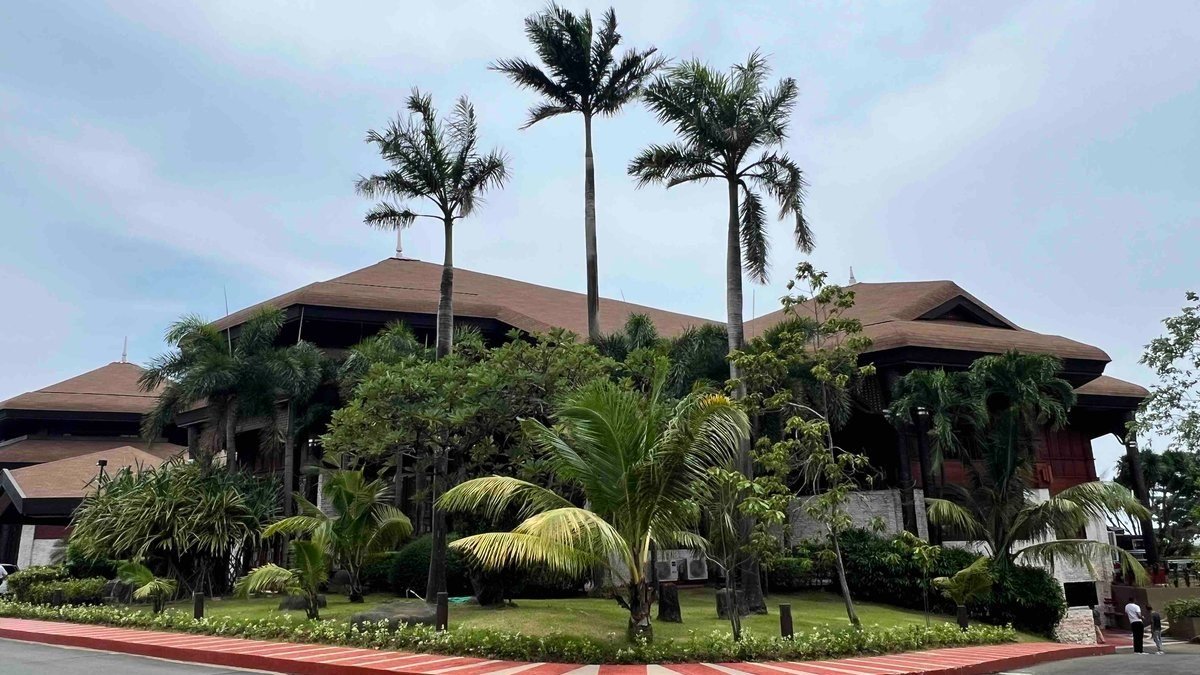
Manila, Philippines — The Coconut Palace, officially known as Tahanang Pilipino, shimmered once again on Tuesday evening as President Ferdinand Marcos Jr. and First Lady Louise "Liza" Araneta-Marcos led its ceremonial reopening in Pasay City. The event marked the culmination of a six-month, P200-million restoration project funded by the Government Service Insurance System (GSIS) in coordination with the National Commission for Culture and the Arts (NCCA), signaling a new chapter for a structure that has long divided opinion but never failed to fascinate.
The Story: A Grand Reopening in the CCP Complex
The evening ceremony on Tuesday, August 25, 2026, was a formal affair attended by government officials, cultural workers, and heritage advocates, all gathered within the Cultural Center of the Philippines (CCP) Complex. The palace, which faces the waters of Manila Bay, had been closed for half a year while workers painstakingly addressed decades of wear and tear. The restoration, a shared responsibility between GSIS as the property owner and the NCCA as the cultural authority, aimed not to modernize the structure but to bring it back to its original glory.
GSIS President and General Manager Jose Arnulfo "Wick" Veloso framed the project as a national duty. "The reopening of the Coconut Palace is more than the restoration of a historic landmark. It is an invitation for Filipinos and visitors alike to reconnect with our heritage, celebrate Filipino creativity, and appreciate the architectural and cultural legacy that continues to inspire generations," Veloso said during the program. His words underscored a shift in how the government now views the building—not as a relic of a bygone era, but as a living venue for national expression.
President Marcos, for his part, emphasized that the rehabilitation was guided by a strict mandate to preserve the palace's original character and architectural integrity. He publicly thanked the First Lady for her close supervision of the restoration process, noting that her attention to detail ensured the building retained the soul of its 1978 design. The President's remarks were a clear signal that the administration views this project as a cornerstone of its cultural legacy, one that bridges the past with the present.
A Palace Built From the Tree of Life
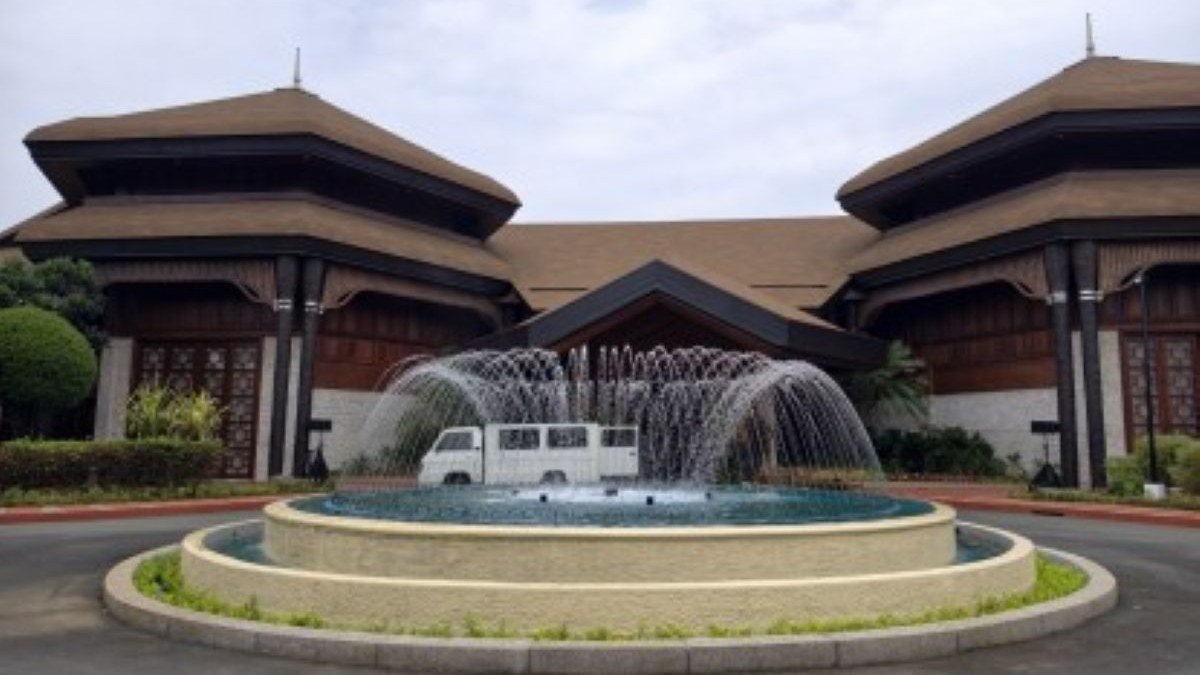
To understand the weight of this reopening, one must look back to 1978, when then First Lady Imelda Marcos commissioned the construction of the Coconut Palace. Designed by National Artist for Architecture Francisco "Bobby" Manosa, the building was conceived as a showcase of Philippine ingenuity, a monument to the coconut—the so-called "tree of life" that sustains millions of Filipino families. Manosa's design drew direct inspiration from the coconut tree itself, with a roof that mimics the fruit's shape and an interior that celebrates native materials.
Approximately 70 percent of the structure uses coconut-based materials, a bold architectural statement that remains unmatched in the region. The palace's seven bedrooms are each named after historic Philippine landmarks—Ilocos, Iloilo, Mountain Province, Zamboanga, Pampanga, Marawi, and Bicol—transforming the building into a cartographic journey through the archipelago. Inside, visitors are greeted by capiz shells that filter light into a soft, pearlescent glow, solihiya (woven rattan) panels that add texture to the walls, and native woods and traditional textiles that speak to the hands of Filipino artisans.
Yet the palace's origin story is tinged with irony. It was originally built to host a visiting pope, who famously refused to stay in it, preferring simpler accommodations. That refusal became a footnote in Philippine history, but it did not diminish the structure's architectural audacity. Over the decades, the Coconut Palace has served as a government guest house and, notably, as the official residence and workplace of Vice President Jejomar Binay during his term. Each chapter of its history has added layers to its complex legacy, making its preservation all the more significant.
Why It Matters for Philippine Heritage
The restoration of the Coconut Palace is not merely an exercise in nostalgia; it is a critical act of heritage preservation. The National Historical Commission has officially classified the structure as a cultural property, a designation that obligates the state to protect it. GSIS Executive Vice President Joseph Philip Andres explained that the restoration was necessary because the building, being mostly wooden and exposed to the salty air of Manila Bay, had incurred significant natural wear and tear. "As property owner, we deemed it our responsibility to preserve this cultural heritage," Andres said, acknowledging that neglect would have been an irreversible loss.
This project places the Coconut Palace in the company of other restored heritage sites across the Philippines, from the walled city of Intramuros to the baroque churches of Ilocos. Each restoration is a statement that Filipino craftsmanship—whether in stone, wood, or coconut—deserves to endure. For heritage advocates, the palace is a testament to the genius of Manosa, whose work bridged indigenous architecture and modern design. By preserving his creation, the government is honoring not just a building, but a school of thought that placed Filipino identity at the center of architectural practice.
Moreover, the palace's location in the CCP Complex, a hub of arts and culture, amplifies its significance. It stands alongside theaters and museums that have shaped the nation's cultural consciousness. The reopening, therefore, is a reinforcement of the complex's role as a sanctuary for Filipino creativity, a place where the past and the future can converse.
ASEAN Summit and the Road Ahead
The timing of the reopening is strategic. The Coconut Palace is set to be one of the venues for the 49th ASEAN Leaders' Summit, scheduled for November 10-12 in Manila. The Philippines is hosting ASEAN this year, and the palace will serve as a backdrop for diplomatic engagements, showcasing Filipino architecture to regional leaders. This international exposure is a double-edged opportunity: it places the palace on a global stage, but it also demands that the structure function flawlessly for high-stakes events.
For the government, using the Coconut Palace for the ASEAN Summit is a deliberate choice. It signals that the Philippines is ready to present its best face to the world, one that is rooted in indigenous materials and local artistry. The palace's seven themed bedrooms will likely host visiting dignitaries, offering them a uniquely Filipino experience that no hotel chain can replicate. This is soft power at its most tangible—a building that tells the story of a nation through its walls, floors, and ceilings.
What This Means for Filipinos
Beyond the diplomatic fanfare, the most significant promise of the reopening is public access. After the ASEAN Summit concludes, GSIS plans to open the Coconut Palace to the public for free, with reports indicating a target date in early 2027. This is a monumental shift for a building that has often been perceived as exclusive or inaccessible. For the average Filipino family from the provinces, a visit to the Coconut Palace could become a rite of passage, a chance to see firsthand the craftsmanship that their taxes and national pride helped preserve.
To manage the anticipated influx of visitors, GSIS will hire a property manager to maintain the palace and oversee its daily operations. This move is expected to create jobs, from tour guides to maintenance staff, contributing to the local economy of Pasay City. The palace is envisioned as a dynamic venue for cultural programs, official functions, educational activities, tourism initiatives, and events that highlight Filipino identity, artistry, and innovation. This vision transforms the building from a static monument into a living institution, one that can host school field trips, art exhibitions, and even community gatherings.
For tourism, the free public access is a game-changer. The Coconut Palace, with its unique architecture and storied history, has the potential to become a must-see destination for both domestic and international travelers. Its location along Manila Bay, near the CCP Complex and other cultural landmarks, makes it an anchor for a heritage trail that could revitalize the area. Local businesses, from sari-sari stores to restaurants, stand to benefit from increased foot traffic, embodying the spirit of bayanihan as the community rallies around a shared cultural asset.
What to Watch For
In the coming months, all eyes will be on the ASEAN Summit, where the Coconut Palace will play a supporting role in the Philippines' diplomatic efforts. The summit, scheduled for November 10-12, will test the palace's readiness and its ability to host international events with grace. Following that, the public opening in early 2027 will be the true measure of the restoration's success. Will the palace be able to handle the crowds? Will the free access be sustainable? These are questions that GSIS and the property manager will need to address.
There is also the matter of ongoing maintenance. A building made of 70 percent coconut materials requires constant care, especially in a tropical climate. The appointment of a dedicated property manager is a positive step, but long-term funding for upkeep will be essential. Heritage preservation is not a one-time expense; it is a continuous commitment. The government's willingness to invest in this commitment will determine whether the Coconut Palace remains a vibrant cultural venue or becomes a neglected relic once more.
For Filipino readers, the reopening of the Coconut Palace is an invitation to reconnect with a complex history. It is a chance to see beyond the political controversies and appreciate the sheer artistry of a structure that is uniquely, unmistakably Filipino. As the palace opens its doors to the world and, soon, to the public, it carries with it the hopes of a nation that is learning to value its own creativity. The coconut tree, once a symbol of subsistence, has become a symbol of resilience—and its palace stands ready to welcome us all home.
By Bella Reyes, Staff Writer
This article was produced with AI-assisted research and editorial support. Reporting is based on sources cited in the article.
What's Your Reaction?
 Like
0
Like
0
 Dislike
0
Dislike
0
 Love
0
Love
0
 Funny
0
Funny
0
 Wow
0
Wow
0
 Sad
0
Sad
0
 Angry
0
Angry
0

Philippines/Southeast Asia Correspondent at Global1.News. Manila-based journalist covering Philippine politics, environment, maritime security, and social issues. Passionate about marine conservation and the communities protecting the Philippines' natural heritage.














Comments (0)