
Chen Jining: The Tragedy of the ‘Potential Successor’ in Chinese Politics
On 24 November 2026, the Central Commission for Discipline Inspection announced an investigation into Shanghai Party Secretary Chen Jining, a move that reverberated through Beijing’s political elite.

On 24 November 2026, the Central Commission for Discipline Inspection announced an investigation into Shanghai Party Secretary Chen Jining, a move that reverberated through Beijing’s political elite. Chen, a technocratic figure who has overseen Shanghai’s economic engine, had been widely regarded by observers as a potential successor to President Xi Jinping. The abruptness of his fall, however, aligns with a historical pattern of elite purges in authoritarian regimes, wherein the very competence that elevates a cadre can also render him a target of suspicion.
Historical Context: Succession Instability in Authoritarian Regimes
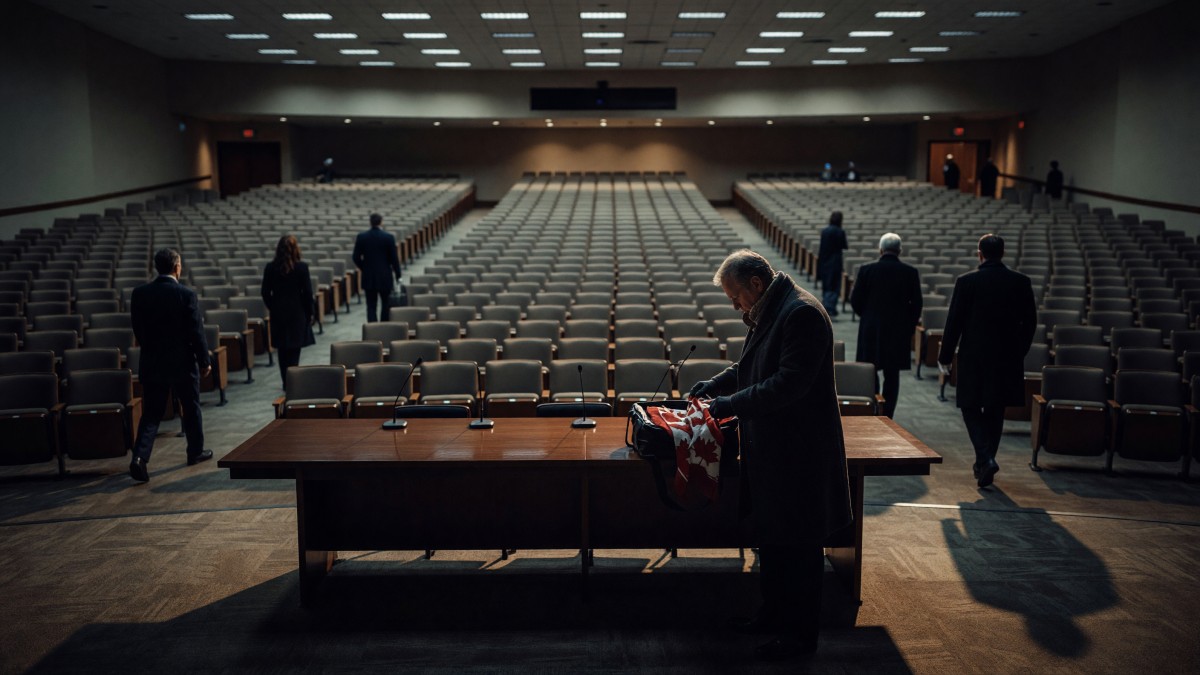
The phenomenon of sudden removals among prospective successors is not unique to contemporary China. The source material outlines a series of precedents from the Soviet Union and the People’s Republic of China, demonstrating that “potential successors are rarely immune to political pitfalls.” In Stalin’s Soviet Union, for example, the leader’s pervasive mistrust led to purges that engulfed even his deputy Andrei Zhdanov, who was sent to a sanatorium in 1948 and died shortly thereafter. The subsequent crackdown on Zhdanov’s network in Leningrad illustrates how perceived threats, regardless of personal ties, could trigger lethal repression.
Similarly, Mao Zedong’s China was marked by a succession of violent confrontations with his own deputies. Mao first employed Gao Gang to undermine Liu Shaoqi, only to abandon Gao when his political maneuvers spiraled, culminating in Gao’s suicide in 1954. Liu’s later criticism of the Great Leap Forward and his subsequent targeting during the Cultural Revolution resulted in his death in 1969 after prolonged torture. The pattern repeats with Lin Biao, who fled in 1971 and perished in a plane crash, and Deng Xiaoping, who endured two purges despite his eventual rehabilitation. These cases underscore a systemic logic: the accumulation of authority by capable subordinates generates suspicion in a leader who wields “highly personalized authority.”
Chen Jining’s Rise and the Technocratic Paradigm
Chen Jining’s career epitomizes the technocratic model that has become central to China’s governance under Xi. As Shanghai’s party secretary, he managed the nation’s most dynamic economic hub, a role that positioned him as a “model technocrat in charge of China’s economic stronghold.” His reputation for competence attracted praise from senior officials, CEOs, and academics, who publicly lauded him as a “young, competent technocrat” and a plausible future leader. This external validation, however, may have paradoxically heightened Xi’s wariness, given the regime’s emphasis on loyalty over meritocratic advancement.
The source material notes that “only Xi can determine who succeeds him, regardless of foreign opinions and declarations.” In a system where personal authority supersedes institutional checks, any external endorsement of a potential successor can be interpreted as a challenge to the incumbent’s prerogative. Consequently, Chen’s visibility and the international attention he garnered may have amplified the perception of him as a political rival, rather than a neutral administrator.
The Mechanism of Purge: Discipline and Law as Rhetorical Tools
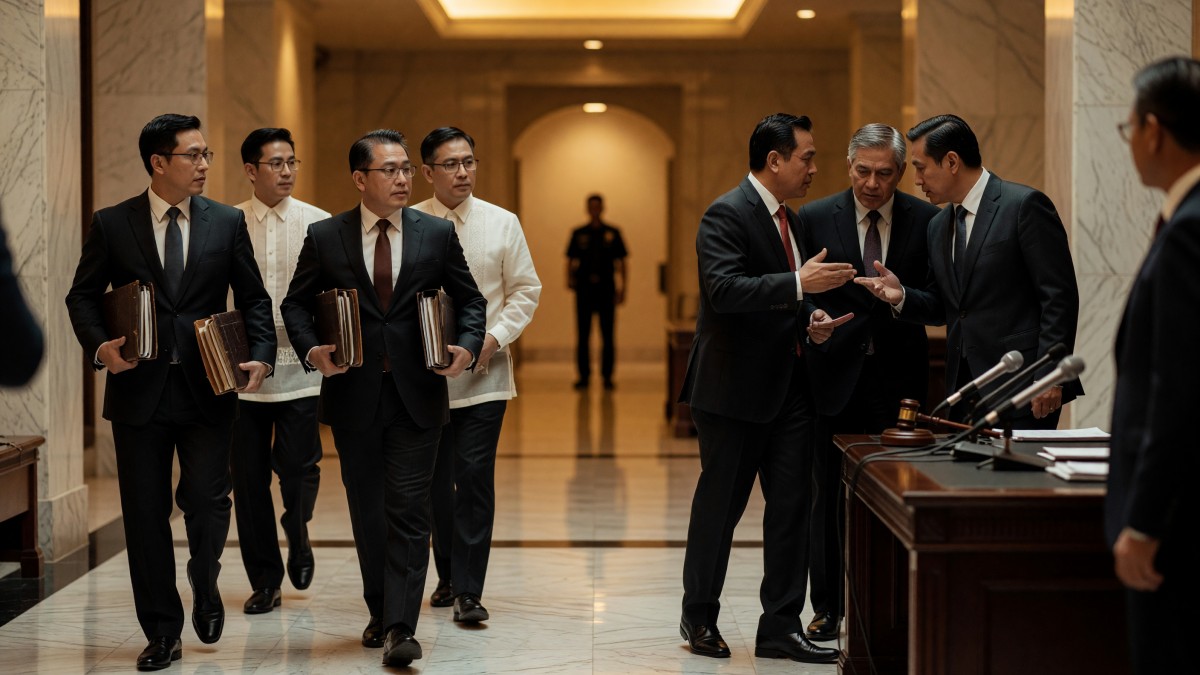
Officially, Chen’s removal was framed as a response to “severe violations of discipline and law,” a standard formulation employed in Chinese political purges. The source material cautions that the precise reasons remain opaque, suggesting that the official narrative often serves as a rhetorical veneer for deeper power calculations. In previous cases—such as the Leningrad Affair under Stalin or the Cultural Revolution purges under Mao—the stated charges masked broader struggles for control and the elimination of perceived threats.
By invoking disciplinary language, the Party maintains a veneer of procedural legitimacy while simultaneously signaling to the broader elite the consequences of accumulating too much influence. This dual function reinforces internal cohesion through fear, while preserving an outward appearance of rule of law.
Implications for the 21st Party Congress and Xi’s Tenure
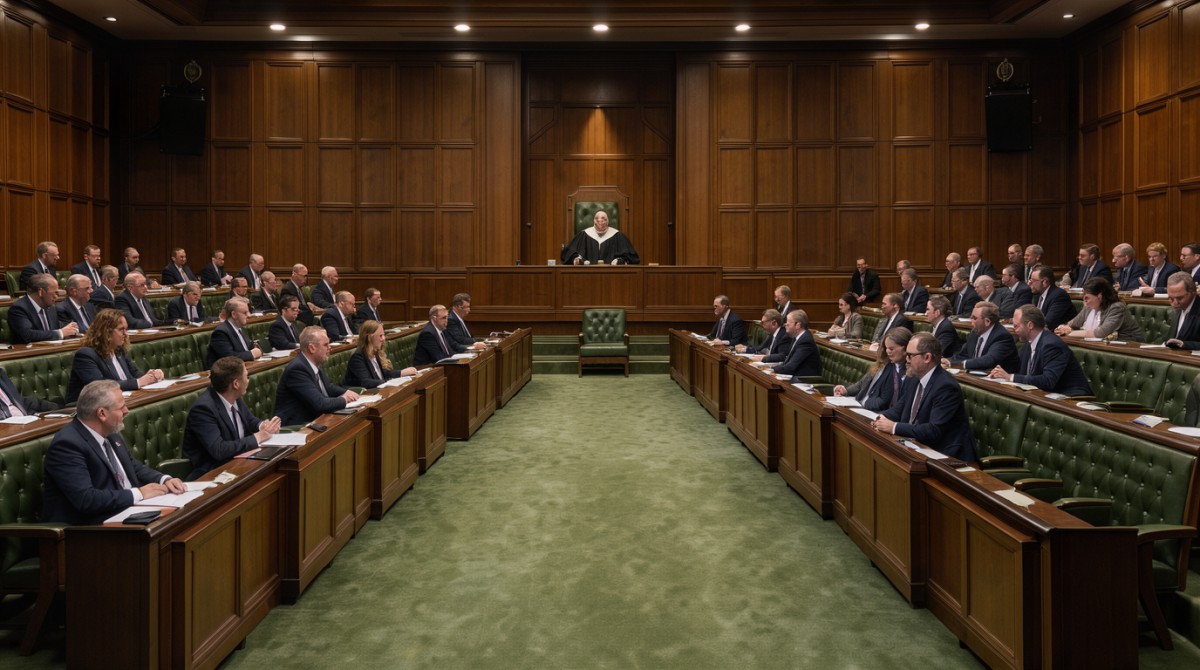
The timing of Chen’s investigation, occurring months before the 21st Party Congress, is significant. The source material observes that “more purges are on the way, not just before the 21st Party Congress, but probably until the end of Xi’s tenure.” This suggests a sustained campaign to neutralize any potential challengers, ensuring that the eventual successor will be a “loyal ideologue above all else.” The expansion of facilities such as Qincheng Prison for former elites further indicates an institutionalization of punitive mechanisms designed to deter dissent.
From a policy analysis perspective, the continued instability among senior cadres may impede long‑term governance continuity. As the Ministry of Foreign Affairs (MOFA) and the Ministry of Education (MOE) coordinate with think tanks like the Asan Institute and the Korea Development Institute (KDI) on regional initiatives, the unpredictability of Chinese leadership can complicate diplomatic forecasting and multilateral cooperation in Northeast Asia.
Comparative Lessons for Korean Diplomacy
For South Korea, the volatility of Chinese elite politics underscores the necessity of diversified diplomatic strategies. The Ministry of Foreign Affairs, in conjunction with research bodies such as the Asan Institute, must calibrate their engagement with Beijing to account for rapid leadership changes. Historical parallels can be drawn to the Korean Peninsula’s own experience with sudden political shifts, reinforcing the value of flexible policy frameworks.
Moreover, the Korean Institute for Economic Policy (KIEP) should monitor how purges affect China’s economic governance, particularly in Shanghai, which serves as a conduit for trade and investment. Disruptions in Shanghai’s administration could reverberate through supply chains, affecting Korean exporters and investors. Anticipating such ripple effects will be essential for maintaining economic resilience.
Future Trajectories: The Enduring Logic of Loyalty
Looking ahead, the pattern illuminated by Chen Jining’s downfall suggests that competence alone will not secure political longevity in China’s current system. The source material concludes that “the final successor is likely going to resemble a loyal ideologue above all else.” This projection aligns with the historical logic observed in Stalin’s and Mao’s eras, where loyalty trumped expertise in determining succession.
For scholars and policymakers, the lesson is clear: the personal calculus of the supreme leader remains the decisive factor in elite politics. While external observers may commend technocratic talent, such attributes can be double‑edged, inviting both elevation and elimination. As the 21st Party Congress approaches, analysts at institutions like the Korea Institute for International Economic Policy (KIEP) and the Asan Institute should continue to track the interplay between competence, loyalty, and disciplinary enforcement within the Chinese Communist Party, recognizing that the next wave of purges may reshape the regional power balance in unforeseen ways.
This article was produced with AI-assisted research and editorial support. Reporting is based on the source material cited below. Sources: The Diplomat; thediplomat.com; Global1.News (27 November 2026).
By Prof. David Park, Staff Writer
What's Your Reaction?
 Like
0
 Dislike
0
 Love
0
 Funny
0
 Wow
0
 Sad
0
 Angry
0
East Asia/Technology Correspondent at Global1.News. Seoul-based voice covering Korean politics, technology, business, and culture. Analyzes how technology and geopolitics intersect across East Asia.












Comments (0)