
Carney to Call 13 Byelections in Two Years — Most Since 1950
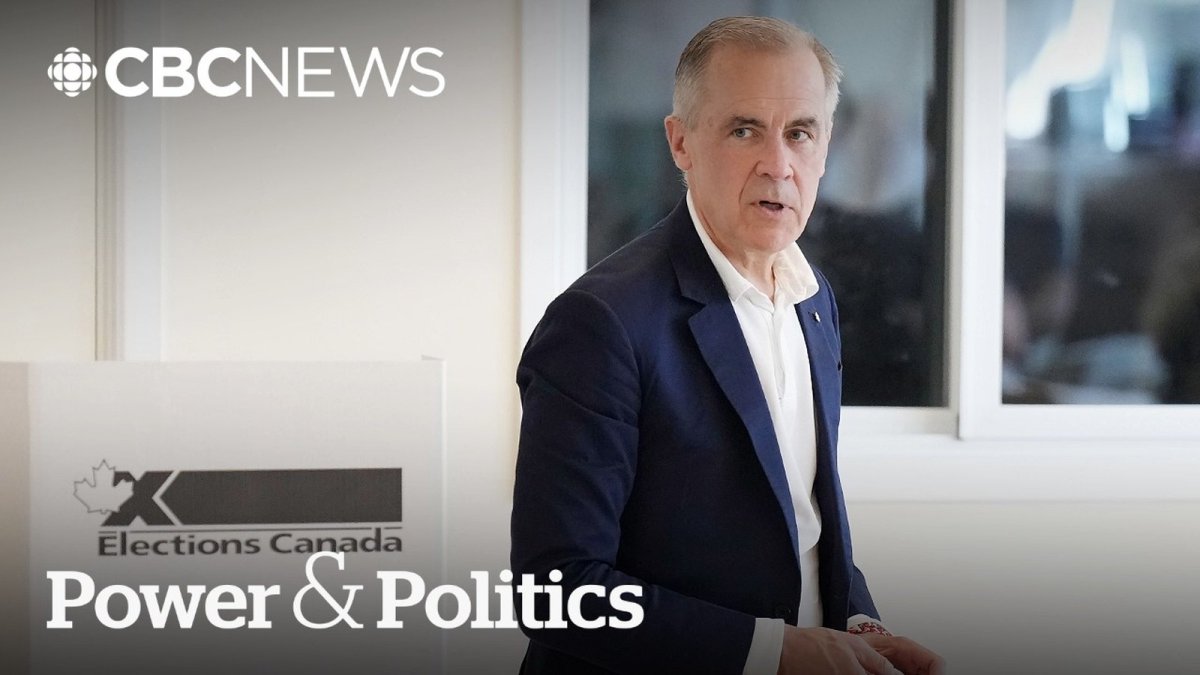
In a recent CBC News report, Power & Politics host David Cochrane sat down with Éric Grenier, founder of The Writ.ca, to unpack a remarkable political development: Prime Minister Mark Carney is poised to call 13 federal byelections within his first two years of mandate — the most in such a short window since Louis St-Laurent in 1950.
In a recent CBC News report, Power & Politics host David Cochrane sat down with Éric Grenier, founder of The Writ.ca, to unpack a remarkable political development: Prime Minister Mark Carney is poised to call 13 federal byelections within his first two years of mandate — the most in such a short window since Louis St-Laurent in 1950. The sheer volume of vacancies, driven by resignations, retirements, and strategic appointments, is reshaping the parliamentary arithmetic and testing the government's political capital.
Carney to Call 13 Byelections in Two Years — Most Since 1950, Reshaping Commons Majority and Testing Political Strategy
Ottawa, Ontario – This week — Prime Minister Mark Carney is set to become the first prime minister in 75 years to call more than 13 byelections within his first two years of mandate, a pace of parliamentary turnover not seen since the era of Louis St-Laurent. With two more MPs added to the resignation list in recent days — Conservative Larry Brock and Liberal Shaun Chen — the total number of vacancies now stands at 13, a baker's dozen that will test the Liberal government's majority and provide a mid-mandate referendum on its performance.
The Story: A Historic Pace of Vacancies
The numbers are striking. By the time MPs return from summer break in late September, the Liberals are expected to sit at 170 seats, with the combined opposition at 165 seats. That five-seat cushion, while comfortable, is far from invulnerable — and every byelection carries the risk of an upset that could narrow the government's working majority.
The latest resignations underscore the breadth of departures. Conservative MP Larry Brock, representing Brantford—Brant South in Ontario, will resign in September to return to practising law. In his resignation statement, Brock cited frustration with the limited ability of opposition members to influence legislation — a pointed critique of the current parliamentary dynamics. Liberal MP Shaun Chen, representing Scarborough North in Ontario, is resigning effective August 15 due to health problems stemming from a car accident last year. Chen's departure, while personal, adds another layer of complexity to the Liberal electoral calculus in the Greater Toronto Area.
Why So Many Byelections: A Perfect Storm of Departures
Political analysts note that large numbers of resignations often occur when a party appears on course for defeat or when a new government has been installed. In this case, both dynamics are at play. Some resignations were partly of Carney's own design — cabinet changes and ambassadorial appointments created vacancies that serve strategic purposes. But most were not: retiring MPs, health-related departures, and the need to give Conservative Leader Pierre Poilievre a seat in the House of Commons have all contributed to the unprecedented churn.
The Battle River—Crowfoot byelection in 2025 was called specifically to give Poilievre a seat, a move that was both practical and symbolic. Since then, the pace has accelerated. Three byelections were held on April 13, 2026 — in University—Rosedale, Scarborough Southwest, and Terrebonne — following the departures of Bill Blair and Chrystia Freeland, and an invalidated Terrebonne result. The Liberals swept all three, securing the party's first majority government since 2019. That sweep, while a victory, also set the stage for the current wave of vacancies.
The August 31 Races: Three Ridings, Three Provinces
Three more byelections are set for August 31, 2026, spanning three provinces and three distinct political battlegrounds. In Beaches—East York (Ontario), the race will replace former Liberal MP Nathaniel Erskine-Smith, who served as housing minister before his departure. In Chicoutimi—Le Fjord (Quebec), the vacancy was created by former Conservative MP Richard Martel, who has been appointed to the Senate. And in North Vancouver—Capilano (British Columbia), former Liberal MP Jonathan Wilkinson has left to become Canada's ambassador to the European Union.
The candidate lists are taking shape. The Liberals are running Braeden Caley in North Vancouver—Capilano, Tanveer Shahnawaz in Beaches—East York, and Daniel Gobeil in Chicoutimi—Le Fjord. The Conservatives have fielded Stephen Curran in North Vancouver—Capilano and Régis Gaudreault in Chicoutimi—Le Fjord. The Bloc Québécois is running Caroline Dubé in Chicoutimi—Le Fjord, and the Green Party has nominated Shelley Luce in North Vancouver—Capilano. These races will be closely watched as a barometer of public sentiment midway through the mandate.
Impact on the House of Commons: Majority Math and Opposition Dynamics
The arithmetic is delicate. With the Liberals expected to hold 170 seats when Parliament resumes, and the combined opposition at 165, the government has a working majority of five. Every byelection is therefore a high-stakes event. A single loss could reduce that margin to three; two losses could put the government in minority territory, forcing Carney to rely on opposition support for confidence votes.
Former Liberal cabinet minister Steven Guilbeault steps down on August 28, further reducing the government's bench strength. The timing is notable: Guilbeault's departure comes just days before the August 31 byelections, and his absence will be felt in the climate and environment portfolio, where he was a vocal advocate for carbon pricing and emissions reduction targets.
Conservative Leader Pierre Poilievre has previously accused Carney of using byelections to sidestep the will of Canadians. That accusation, while politically charged, reflects a deeper concern: that the sheer volume of vacancies allows the government to effectively hand-pick the timing of electoral tests, avoiding unfavourable political climates and capitalizing on favourable ones.
Canadian Context: A Tradition of Byelection Waves
Historically, only a handful of Parliaments have seen more byelections over full mandates since St-Laurent's time. John Diefenbaker (1958-62), Pierre Trudeau (1974-79), Stephen Harper (2011-15), and Justin Trudeau (2015-19) all presided over Parliaments with significant byelection activity — and notably, all were majority governments. This pattern suggests that byelection waves are not merely a function of political instability, but also of the natural churn that occurs when a government has a secure majority and MPs feel free to pursue other opportunities.
For Canadian voters, the sheer number of byelections raises questions about democratic engagement. With 13 ridings set to go to the polls within two years, voters in those communities will have multiple opportunities to express their views on the Carney government's performance. The results will be closely parsed not just for their immediate impact on seat counts, but for what they signal about the government's standing heading into the next general election.
The federal-provincial dimension is also relevant. Several of the affected ridings are in Quebec, where the Bloc Québécois remains a potent force. The byelections in Saint-Hyacinthe—Bagot—Acton, Laurier—Sainte-Marie, and Rosemont—La Petite-Patrie will be particularly significant, as they will test whether the Bloc's provincial focus — several of its MPs have left to run provincially — resonates with voters who may feel neglected by Ottawa.
Reactions and Analysis: What the Experts Are Saying
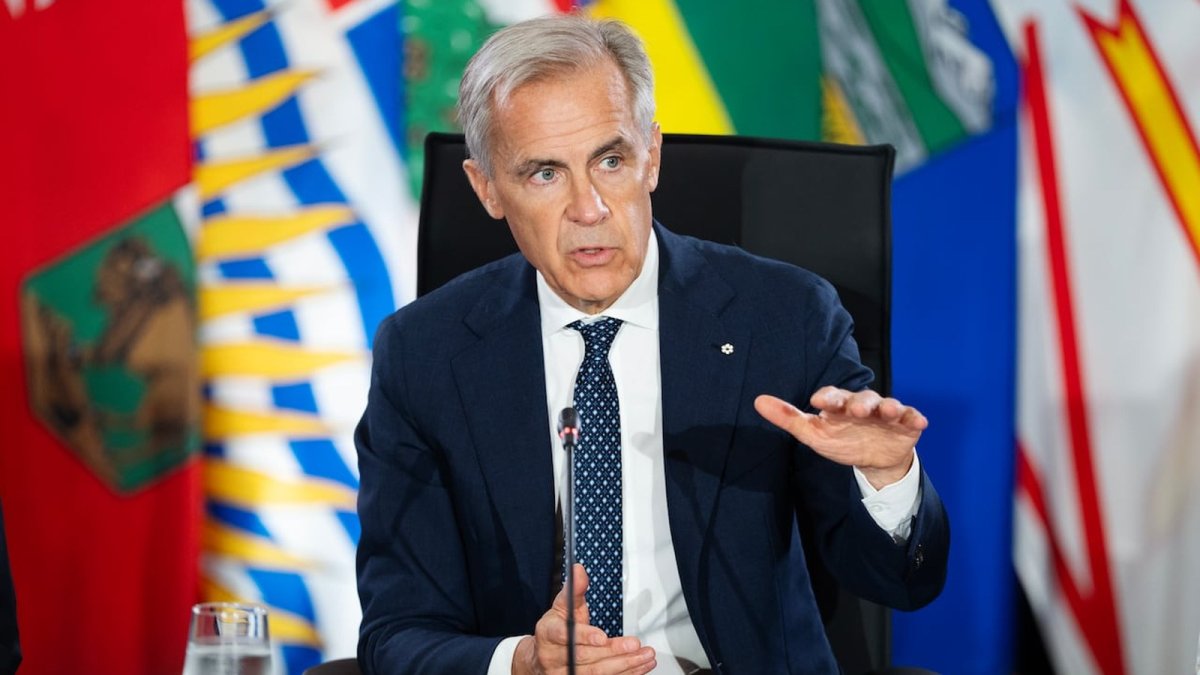
Éric Grenier, founder of The Writ.ca, told CBC News that the pace of byelections is "extraordinary" and reflects a confluence of factors that are unlikely to be repeated. "You have a new government, a new prime minister, a wave of retirements, and a series of strategic appointments all happening at once," Grenier said. "It's a perfect storm that creates this unprecedented number of vacancies."
Grenier also noted that the byelections will serve as a crucial test of Carney's political instincts. "The Liberals swept the April byelections, which gave them their majority. But that was a different political moment. By August, the dynamics may have shifted, and the government will need to defend its record on housing affordability, cost of living, and health care — issues that are top of mind for Canadian voters."
The Conservative Party, for its part, is framing the byelections as an opportunity to hold the government accountable. Poilievre's accusation that Carney is using byelections to "sidestep the will of Canadians" is likely to be a recurring theme on the campaign trail in the affected ridings. The Conservatives will be looking to make gains in Ontario and British Columbia, where housing affordability and cost-of-living concerns are particularly acute.
What Happens Next: The Road to 13
With the August 31 byelections, Carney will have called seven byelections — the most in the shortest amount of time since 1954, when Louis St-Laurent called his 10th byelection after the 1953 election. But the pace is not slowing down. Additional byelections are expected by next April in Saint-Hyacinthe—Bagot—Acton (Quebec, already vacated by former Bloc Québécois MP Simon-Pierre Savard-Tremblay, who left to run provincially), Laurier—Sainte-Marie, Rosemont—La Petite-Patrie (Quebec), and Yorkton—Melville (Saskatchewan, where Conservative MP Cathay Wagantall is retiring). Combined with Brantford—Brant South and Scarborough North, the total will reach 13.
The Saint-Hyacinthe—Bagot—Acton byelection has not yet been called. The Prime Minister's Office says it will have more to say "in due course," but the earliest call date was August 10, and the latest is December 19, per Elections Canada. The timing will be strategic: the government will want to avoid calling byelections during periods of political vulnerability, and will likely schedule them to maximize its chances of retaining the seats.
For Canadian voters, the next year will be a period of intense electoral activity. Thirteen byelections in two years is not just a statistical anomaly — it is a reflection of a political system in transition. The Carney government is still defining itself, and these byelections will provide a running commentary on its performance. For the opposition parties, they represent opportunities to chip away at the Liberal majority and build momentum heading into the next general election.
The broader implications for Canadian democracy are significant. Byelections are often dismissed as low-stakes affairs, but when they occur in such numbers, they take on outsized importance. They become referendums on the government's direction, and their results can shape the political narrative for months. The fact that so many are occurring in such a short period suggests that the political landscape is more fluid than it has been in decades.
As the August 31 races approach, all eyes will be on Beaches—East York, Chicoutimi—Le Fjord, and North Vancouver—Capilano. The results will tell us whether the Liberal sweep in April was a one-time event or the beginning of a durable political realignment. They will also tell us whether Poilievre's Conservatives can translate their opposition to the government's agenda into electoral gains. And they will provide the first clear signal of what Canadians think of the Carney government's performance on the issues that matter most: housing, cost of living, health care, and climate change.
In the coming months, the pace of byelections will only intensify. By next April, Carney will have called 13 — a number that rivals the most active periods in Canadian political history. Whether that number grows further will depend on the political calculations of MPs and the strategic priorities of the government. But one thing is certain: the 2026-27 political calendar will be dominated by byelections, and their outcomes will shape the trajectory of the Carney government for years to come.
By Alex Thompson, Staff Writer
This article was produced with AI-assisted research and editorial support. Reporting is based on sources cited in the article.
What's Your Reaction?
 Like
0
Like
0
 Dislike
0
Dislike
0
 Love
0
Love
0
 Funny
0
Funny
0
 Wow
0
Wow
0
 Sad
0
Sad
0
 Angry
0
Angry
0

Canada Correspondent at Global1.News. Based in Toronto, covering Canadian politics, energy, trade, and US-Canada relations. Provides the Canadian perspective on North American and global affairs.











Comments (0)