
Brighton Pride Marks 35 Years With Record Crowds
Record Crowds Gather for Milestone Event Brighton and Hove Pride reached its 35th anniversary this weekend, drawing hundreds of thousands to the seaside city. Around 300,000 people were expected to participate in the celebration over the two days, with up to 450,000 estimated to turn out city-wide.
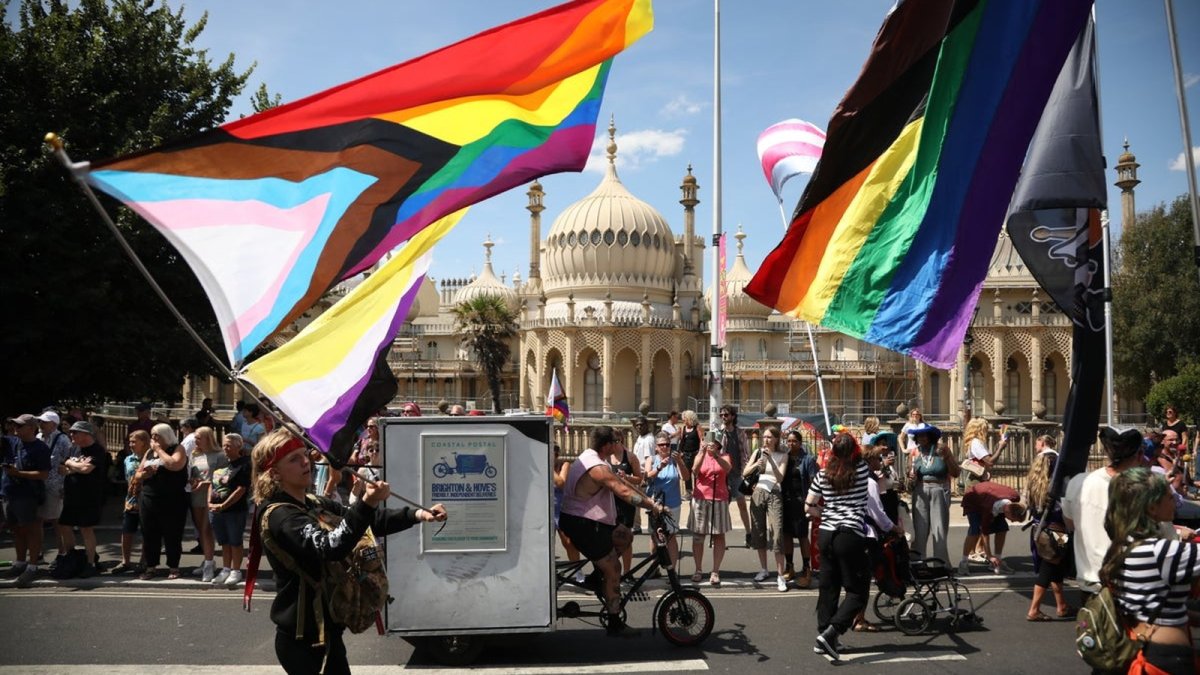
Record Crowds Gather for Milestone Event
Brighton and Hove Pride reached its 35th anniversary this weekend, drawing hundreds of thousands to the seaside city. Around 300,000 people were expected to participate in the celebration over the two days, with up to 450,000 estimated to turn out city-wide. This scale confirms the event as the biggest Pride in the UK, reinforcing Brighton's longstanding reputation as the country's gay capital and a focal point for LGBTQ+ visibility.
The parade set off from Hove Lawns at 11am on Saturday, moving along King's Road, West Street, North Street and London Road before ending near Preston Park. Roads around Preston Circus remained closed for dispersal and were set to reopen around 4.30pm. The weekend's events combined the traditional march with a two-day music festival at Pride in the Park in Preston Park, creating a concentrated display of community strength in one of Britain's most established LGBTQ+ centres.
Beyond the visible spectacle, Brighton Pride functions as a substantial economic engine for the city, injecting tens of millions of pounds annually into local hotels, bars, restaurants and independent businesses that rely on the influx of visitors. This financial contribution underscores the event's role not merely as cultural celebration but as a stabilising force for the regional economy at a time when many seaside towns face seasonal volatility. The scale, with up to 450,000 people expected city-wide, positions it ahead of other major UK Prides, amplifying its status as the nation's largest and reinforcing Brighton's position as the established centre of LGBTQ+ life.
Organisers have also channelled more than £1.4 million into LGBTQ+ causes across the festival's history, demonstrating how commercial success translates into sustained community support. This dual function—economic stimulus paired with targeted philanthropy—illustrates the pragmatic realities behind large-scale Pride events in Britain today.
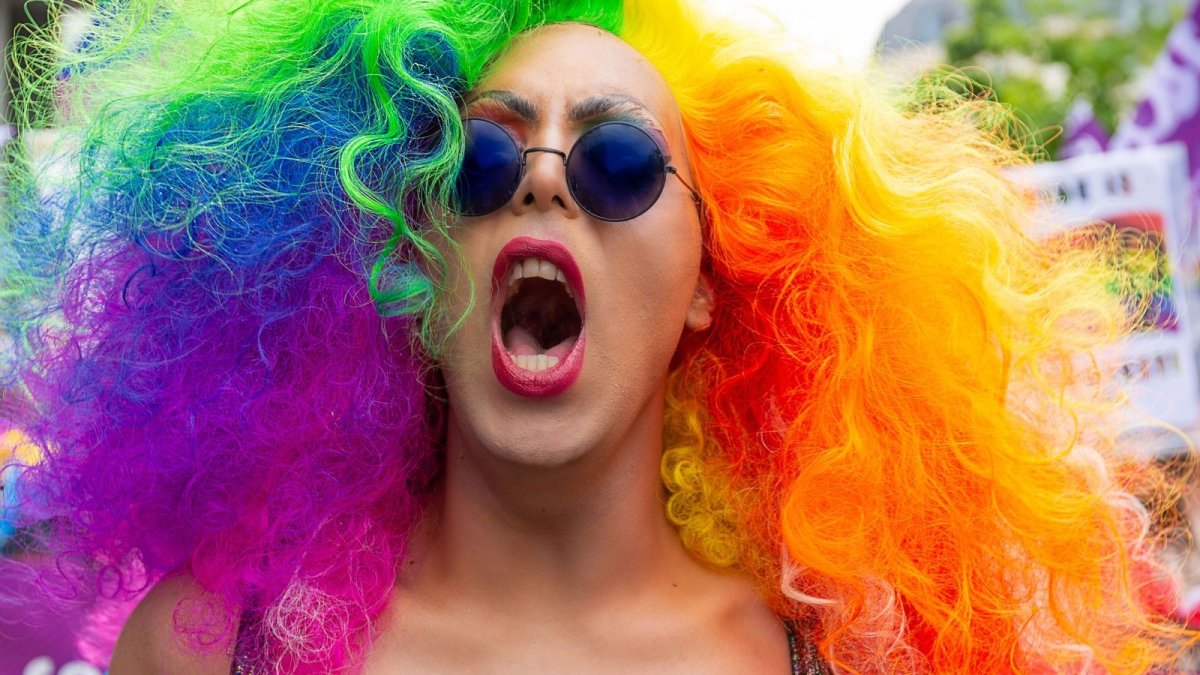
Tracing the Path from 1973 to the Present
The first Brighton Pride march took place in July 1973, organised by the Sussex Gay Liberation Front. Only a small part of the community felt safe enough to take part at the time. Pride did not return to the seaside city again until 1991, emerging after the era of Section 28, which from 1988 to 2003 barred local authorities from promoting homosexuality. That period of legal restriction shaped early activism and helps explain why the modern iteration has grown into one of Europe's largest Pride festivals and a major economic driver for the city.
For this milestone year, organisers sought to honour early activists and remember the courage it took to be visible as a member of the LGBTQ+ community. The anniversary arrives against a backdrop of UK legislative milestones, including the partial decriminalisation of male homosexuality in 1967 and the legalisation of equal marriage in England, Wales and Scotland in 2014, yet it also coincides with reports of rights being rolled back in several areas.
The 1973 march, organised by the Sussex Gay Liberation Front shortly after the Stonewall riots, occurred in a climate where partial decriminalisation under the 1967 Sexual Offences Act had not yet translated into everyday safety. Only a fraction of the community participated, reflecting the risks attached to public visibility before the later impositions of Section 28. Its return in 1991 marked a deliberate reassertion of presence following years of legislative restriction that had chilled local authority engagement with LGBTQ+ issues.
The subsequent three decades of continuous modern Pride have tracked broader UK shifts, from the 2014 legalisation of equal marriage to ongoing debates over rights. Marking 35 years of uninterrupted events highlights both resilience and the distance still to travel from those tentative early steps.
Headline Acts Draw Diverse Audiences
Raye performed on Saturday, while Diana Ross was scheduled for Sunday at the mainstage event. Additional performers across the weekend included Five, Jessie J, Self Esteem, Leigh-Anne and a DJ set from RuPaul. The programme blended established pop acts with newer voices, reflecting the broad generational reach of the festival and its role in sustaining cultural momentum for LGBTQ+ audiences in the UK.
The weekend's lineup, spanning Raye's contemporary ascent, Jessie J's established pop presence, Five's 1990s heritage and RuPaul's global platform, reflects the mainstreaming of LGBTQ+ voices within British music while acknowledging generational layers. These performers on the Preston Park mainstage illustrate how Pride programming has evolved from niche gatherings into significant cultural markers that shape national conversations about identity and acceptance.
Such stages now serve as platforms where artists address both celebration and resistance, embedding political resonance within entertainment. This integration sustains visibility for audiences who continue to seek affirmation amid shifting social climates across the UK.
Security Heightened After Berlin Attack
The celebrations came just a week after a van and stabbing attack in Berlin left one person dead and injured at least 29 others at an LGBTQ+ event in the German capital. People at Brighton carried placards in support of Berlin, including messages reading "We stand with Berlin." Defence secretary Wes Streeting condemned the Berlin attack as "absolutely horrific." Police confirmed that armed officers would be present at the Brighton event following the incident, which German authorities treated as an attack on the LGBTQ+ community and which prompted stepped-up security at Pride events across Europe.
The deployment of armed officers at Brighton, following the Berlin attack that killed one and injured at least 29 at Christopher Street Day celebrations, signals a recalibration of security at UK Pride events. Organisers must now navigate the tension between open festivity and necessary precautions, a balance made more acute by the European pattern of targeting LGBTQ+ gatherings. Solidarity placards reading "We stand with Berlin" demonstrated immediate cross-border recognition of shared vulnerability.
Defence secretary Wes Streeting's description of the Berlin incident as "absolutely horrific" aligned official condemnation with community sentiment. This response highlights how local events increasingly operate within a continental framework of both defiance and heightened alertness.
Organisers Reflect on Progress and Pushback
Managing director Paul Kemp, who has led the event since 2013 and first became involved as a club promoter for the initial dance tent on The Level in the mid-1990s, emphasised the anniversary's significance. "We are coming out, and we are not going away," he said. He added that the 35th anniversary felt poignant because "this year our parade is the 35th anniversary, it's the power of love and I think it's really focused minds from a community perspective and the general climate of the feeling that LGBT rights are being rolled back."
Organisers reported that the event has raised more than £1.4m for LGBTQ+ causes over its history. This sustained fundraising underscores the festival's dual role as both celebration and practical support mechanism for community organisations across the UK.
What the Anniversary Signals for UK LGBTQ+ Life
Brighton's position as host to the largest Pride in the UK places the city at the centre of national conversations about visibility, safety and rights. The combination of record attendance, heightened security measures and explicit solidarity with Berlin illustrates how local events now operate within a wider European context of both celebration and threat. The anniversary serves as a reminder that the progress achieved since 1991 remains uneven and requires ongoing defence, particularly as political climates shift. For residents and visitors alike, the weekend demonstrated the continued economic and cultural weight of Pride in a city that has long provided a visible home for LGBTQ+ life in Britain.
As Brighton marks this milestone, the coming decades will test whether legislative gains since 1967 and 2014 can withstand renewed pressures on LGBTQ+ rights both domestically and internationally. Visible gatherings such as this remain politically charged acts, asserting presence against narratives of retreat. Paul Kemp's insistence that "we are coming out, and we are not going away" captures the determination to maintain momentum despite perceptions of rollback.
The anniversary therefore functions as both commemoration and warning: sustained celebration is required to defend hard-won space, ensuring that future generations inherit not only the numbers seen this weekend but the security to occupy them without qualification.
By Erica Thornton, Staff WriterThis article was produced with AI-assisted research and editorial support. Reporting is based on sources cited in the article.
What's Your Reaction?
 Like
0
Like
0
 Dislike
0
Dislike
0
 Love
0
Love
0
 Funny
0
Funny
0
 Wow
0
Wow
0
 Sad
0
Sad
0
 Angry
0
Angry
0

US Politics and Policy Correspondent at Global1.News. Based in Washington DC, covering American politics, policy, elections, and the courts. Knows how the system works and tells you what it actually means.












Comments (0)