
Ayotzinapa 43: Ex-Gov Aguirre Ordered to Stand Trial
Ayotzinapa: Ex-Gov Aguirre Ordered to Stand Trial The long shadow of the night of September 26, 2014, finally reached the highest office of Guerrero state. A federal judge has formally ordered former Governor Angel Aguirre Rivero to stand trial for his alleged role in the forced disappearance of the 43 students from the Raul Isidro Burgos Rural Teachers' College in Ayotzinapa.
Ayotzinapa: Ex-Gov Aguirre Ordered to Stand Trial
The long shadow of the night of September 26, 2014, finally reached the highest office of Guerrero state. A federal judge has formally ordered former Governor Angel Aguirre Rivero to stand trial for his alleged role in the forced disappearance of the 43 students from the Raul Isidro Burgos Rural Teachers' College in Ayotzinapa. The ruling, delivered in the early hours of Wednesday, August 12, 2026, after a marathon 14-hour hearing, marks a historic, if long-delayed, step in a case that has become the bleeding heart of Mexico's crisis of impunity.
For the families who have spent nearly 12 years marching, chanting, and demanding answers, this is not a moment of triumph but a flicker of validation. The cry "vivos se los llevaron, vivos los queremos" (they took them alive, we want them back alive) has echoed through the Zócalo, the streets of Iguala, and the halls of the Palacio Nacional for over a decade. Now, for the first time, a former governor of the state where the atrocity occurred will face a judge on charges that he tried to bury the truth along with the evidence.
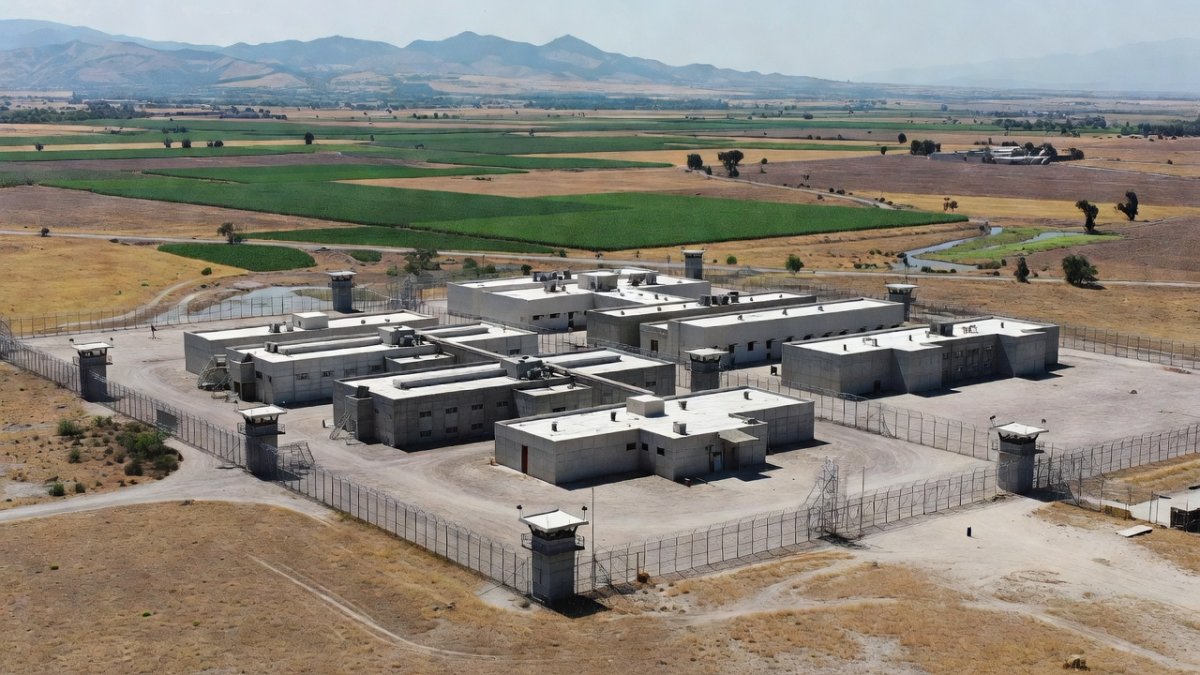
Aguirre, who stepped down under a cloud of national outrage just one month after the disappearances, was arrested on August 6, 2026, by agents of the Fiscalía General de la República (FGR). He was transferred hours later to CEFERESO No. 1, better known as El Altiplano, the maximum-security prison in Almoloya de Juárez, Estado de México. The judge has now ratified official pretrial detention, ensuring the former governor remains behind bars as the trial proceedings begin.
A Governor's Fall from Grace
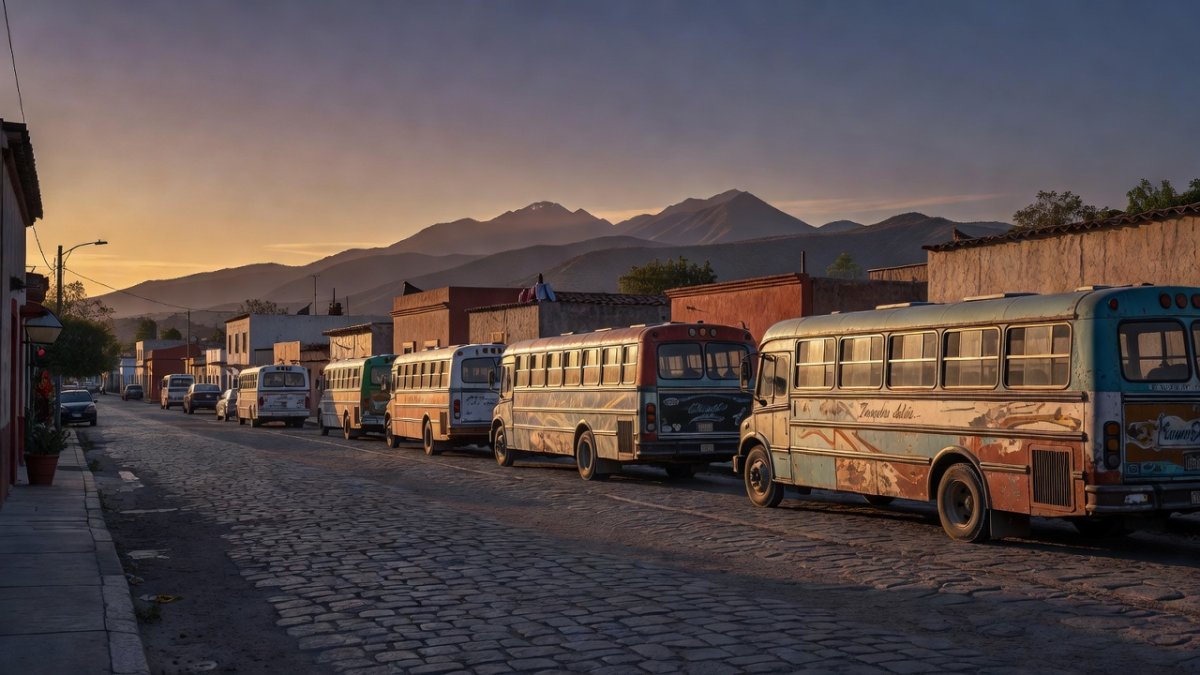
Angel Heladio Aguirre Rivero was the constitutional governor of Guerrero in 2014, a state already battered by violence and poverty. On the night of September 26-27, students from the rural teachers' college in Ayotzinapa commandeered several buses in Iguala, a common practice for them to travel to protests in Mexico City. Instead of reaching the capital, they were intercepted by municipal police. Gunfire erupted, several people were killed, and the 43 young men were forcibly disappeared.
The political fallout was immediate and devastating. Aguirre requested to leave office in October 2014, barely a month after the tragedy, as national and international pressure mounted. His resignation was seen by many as an admission of failure, but for the families, it was never enough. They demanded to know what he knew, what his administration had done, and why the state apparatus seemed to have been complicit in the horror.
The recent arrest and subsequent judicial order are the culmination of years of dogged investigation by the FGR, which has slowly been chipping away at the wall of silence and obstruction that surrounded the case. The charges against Aguirre are specific: alleged involvement in the destruction or concealment of evidence that could have revealed the students' whereabouts, and complicity in the forced disappearance itself. The judge's decision to link him to proceedings (vinculación a proceso) signifies that the court found sufficient evidence to move beyond mere accusation.
For the people of Guerrero, particularly in the rural communities and the marginalized colonias of Acapulco and Chilpancingo, this news carries a heavy weight. Many feel that Aguirre's administration was emblematic of a political class that governed for the few, ignoring the cries of the campesinos and the youth. The normal school in Ayotzinapa is not just a school; it is a symbol of resistance and revolutionary ideals, deeply rooted in the history of rural Mexico. To see its former governor held accountable is a rare instance of the law reaching upward, rather than only downward.
The Discredited "Historical Truth"
The path to this moment has been littered with falsehoods and official lies. The version of events promoted by the 2012-2018 PRI administration, known as the "Historical Truth," claimed that the students were killed and their bodies incinerated at a garbage dump in Cocula. This narrative was presented with confidence by then-Attorney General Jesús Murillo Karam, who infamously declared, "Ya me cansé" (I'm tired), during a press conference.
That official story was systematically dismantled by independent experts, including the Inter-American Commission on Human Rights' Grupo Interdisciplinario de Expertos Independientes (GIEI). They found the incineration theory scientifically impossible and pointed to a different reality: that the students were likely handed over to a criminal organization and that state forces at multiple levels were involved. The "Historical Truth" became a symbol of state-sponsored deception, deepening the wound for the families.
The reckoning for that deception began in 2022 when Murillo Karam himself was arrested and prosecuted over the case. His detention was a watershed moment, signaling that the impunity that had protected high-ranking officials was beginning to crack. Now, with Aguirre facing trial, the message is being reinforced: no one is above the law, not even a former governor.
The current administration, led by President Claudia Sheinbaum, has inherited the complex legacy of the case. While the previous AMLO administration created a Truth Commission and pledged to prioritize the families' demands, progress has been slow and fraught with tension. The families have repeatedly criticized the government for a lack of transparency and for failing to locate the students. This new judicial development offers a tangible, if partial, victory in their long struggle for truth and justice.
What Happens Now in the Courts
The judge's ruling on August 12 does not mean Aguirre has been found guilty. It means the case will proceed to a trial phase, where the prosecution must present its evidence before a tribunal. The former governor, who has been in prison for only five days, will now remain at El Altiplano under official pretrial detention, a measure that is mandatory for certain serious charges under Mexican law.
The legal process ahead is expected to be complex and lengthy. The FGR will need to demonstrate how Aguirre allegedly participated in the destruction of evidence. This could involve orders given to subordinates, the alteration of crime scenes, or the failure to act on information that could have led to the students' rescue. The defense will likely argue that the former governor was not directly involved in the operational details of that night.
For the families, the trial is an opportunity to hear, under oath, what the former governor knew. They have long suspected that the state government was aware of the students' fate and chose to cover it up rather than investigate. The courtroom in the Estado de México will become a stage for the nation to confront this painful chapter.
The case also has significant political implications. It serves as a reminder that the violence of the past is not a closed book. For the Sheinbaum administration, which has promised a new era of human rights and justice, the handling of this trial will be closely watched. The government must balance the independence of the judiciary with the political pressure to deliver results for the victims' families.
The Unfinished Search for the 43
While the legal proceedings against Aguirre are a significant development, the central tragedy remains unresolved: the whereabouts of the 43 students are still unknown. The families continue their tireless search, often digging through clandestine graves in the hills of Guerrero with their own hands, guided by the hope of finding their sons. The slogan "vivos se los llevaron, vivos los queremos" is not just a chant; it is a demand that the state acknowledge its responsibility to bring them home.
The case has had a profound impact on Mexican society, exposing the deep links between local police, organized crime, and political power. It has also galvanized a generation of activists who see the fight for the 43 as a fight for the soul of the nation. The memory of the students, their youth, and their commitment to social justice is a moral reference point for many communities.
Aguirre's trial will not bring the students back, but it is a necessary step in dismantling the architecture of impunity that allowed such a crime to occur. It sends a signal to other officials who may have participated in cover-ups that the passage of time does not erase accountability. For the families, it is a small but crucial measure of justice, a recognition that their sons mattered and that their suffering was not in vain.
A Community's Long Wait for Justice
In the tianguis and tortillerías of Iguala, in the classrooms of rural normal schools across the country, and in the homes of the families in the colonias, the news of Aguirre's trial is being discussed with a mix of skepticism and cautious hope. Many Mexicans have been burned before by promises of justice that never materialized. The arrest of Murillo Karam was a start, but the system has a long way to go to prove it can deliver impartial justice.
The case has also highlighted the role of the military and federal police, whose involvement in the disappearances has been alleged but never fully clarified. The families and civil society organizations continue to demand a full accounting of all state actors involved, from the municipal police in Iguala to the highest levels of the federal government. The trial of Aguirre may open doors to further investigations.
As the former governor prepares to face the legal process, the nation watches. This is a test of whether Mexico's justice system can hold powerful figures accountable. For the mothers of Ayotzinapa who have spent years searching for their sons, this is a moment of vindication but also a reminder of the long road ahead. Their promise, repeated in countless marches and interviews, remains constant: they will continue until they find them. The trial of Angel Aguirre is one more step on that road, but the destination remains the same — the truth, and the return of the 43.
The eyes of the world, which once focused on Iguala in horror, are now on the courts of the Estado de México. The decision to try a former governor is a historic event, but it is only a chapter in a story that is far from over. The families will be in the courtroom, their faces etched with years of pain, their voices ready to remind everyone that justice delayed is not justice denied, but it is a heavy burden to bear.
Tags: Ayotzinapa, Angel Aguirre, Guerrero, 43 students, forced disappearance, FGR, El Altiplano, vinculacion a proceso, Iguala, impunity, human rights, Mexico
This article was produced with AI-assisted research and editorial support. Sources: Mexico News Daily, The Guardian, El País, Infobae.
By Rosa Martinez, Staff Writer
What's Your Reaction?
 Like
0
Like
0
 Dislike
0
Dislike
0
 Love
0
Love
0
 Funny
0
Funny
0
 Wow
0
Wow
0
 Sad
0
Sad
0
 Angry
0
Angry
0

Latin America/Andes Correspondent at Global1.News. Based in Bogota, covering politics, environment, energy, and social movements across the Andean region. Passionate about environmental journalism and communities protecting their land.












Comments (0)