
'You're not alone in the darkness': Gambia president urges calm after violent blackout protests
President Adama Barrow has called on Gambians to keep their composure as the nation grapples with an electricity crisis that has deepened since June. Residents describe the experience as a relentless cycle of stopped fans, spoiled food and children forced to study by candle‑light.
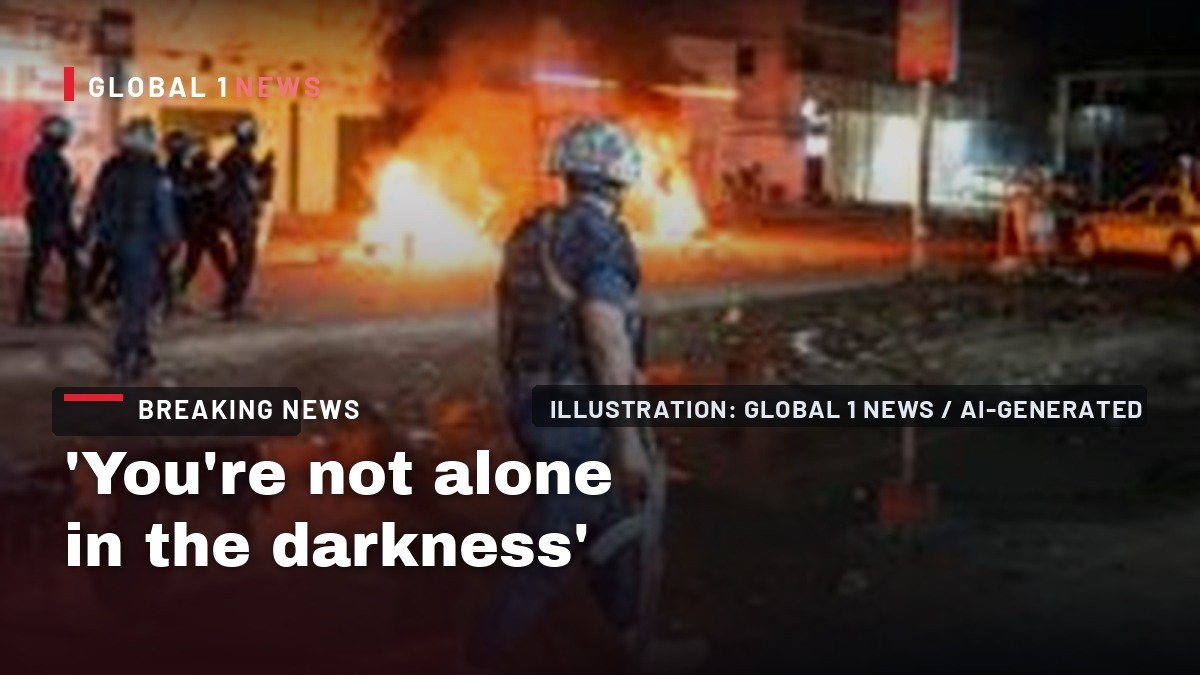
President Adama Barrow has called on Gambians to keep their composure as the nation grapples with an electricity crisis that has deepened since June. In a televised address on Tuesday night, the president reminded citizens that The Gambia is not alone in confronting prolonged blackouts, a sentiment that resonates across much of West Africa where power shortages have become a seasonal reality.
Escalating blackouts and public frustration
The heat of the current season has amplified demand for electricity, turning intermittent outages into prolonged periods of darkness that sometimes stretch for up to 48 hours. Residents describe the experience as a relentless cycle of stopped fans, spoiled food and children forced to study by candle‑light. The president acknowledged these hardships, noting that “the fans have stopped turning, children work in the dark, mothers throw away stale food, and the heat is unbearable by day and by night.”
That frustration boiled over on Monday night when demonstrators gathered in Banjul and surrounding neighborhoods. Protesters burned tyres, blocked roads and marched toward the headquarters of the national electricity company, Nawec, chanting “Barrow must go.” Police responded with tear‑gas in the Westfield area as crowds pushed forward, and banners outside the vice‑president’s residence in Farato were damaged.
Government’s immediate response
In the wake of the unrest, Barrow pledged to boost power supplies by the following month. He highlighted a new 24‑megawatt generating unit being installed at the Brikama power station, which he said would be commissioned by the end of October. The president also announced that new generators would arrive within the week, a promise meant to reassure citizens that the government is taking swift action.
Beyond the immediate installations, Barrow disclosed that a contract has been awarded for a 50‑megawatt solar plant in Soma. While no completion date was provided, the president emphasized that “for a system of our size, this is considerable power, enough to make a big difference in your homes.” The focus on renewable capacity signals a longer‑term shift, even as the nation continues to rely heavily on imported electricity.
Reliance on regional imports
The Gambia’s electricity mix remains dependent on cross‑border supplies, chiefly from Guinea and neighbouring Senegal. Nawec chief Gallo Saidy explained that reduced rainfall this year has lowered the amount of power available through the regional grid, compounding the domestic shortfall. He also pointed to a technical problem that affected a major generating unit supplying imported power, further tightening the supply chain.
These import challenges are not unique to The Gambia. Barrow’s remarks that “the country is not alone in facing an electricity crisis that has affected several parts of West Africa” underscore a regional pattern where climate‑driven water scarcity and soaring temperatures strain hydro‑electric and thermal resources across borders.
Political backdrop to the crisis
The electricity emergency arrives at a politically charged moment. President Barrow is seeking a controversial third term in a presidential election slated for December. The protests, which have already targeted the president’s party offices and the vice‑president’s residence, reflect a broader unease about governance and the concentration of power.
Barrow’s televised address balanced empathy with a warning against further property damage. He cautioned that destroying public infrastructure would “only worsen the disruption and divert money towards repairs,” a plea that seeks to channel public anger into patience rather than escalation.
Infrastructure and maintenance shortcomings
The president did not shy away from admitting shortcomings in planning, power generation and maintenance. He framed the outages as a “national security issue” and an “emergency,” signalling that the government recognises the systemic nature of the problem. Nawec’s August warning about unusually high temperatures driving a surge in demand, coupled with the technical fault in a key generating unit, highlights the fragility of the current grid.
By acknowledging these gaps, Barrow opened space for public scrutiny and potential reforms. Yet the immediate priority, as he repeatedly stressed, is to restore supply quickly enough to prevent further hardship and to avoid the kind of unrest that erupted on Monday night.
Community resilience and coping strategies
Amid the darkness, Gambians have adapted with improvised measures. Families have resorted to using fans powered by car batteries, while small businesses have shifted operating hours to cooler evenings. The president’s vivid description of “lying down in the heat and the dark” captures the everyday reality of a population learning to navigate an unreliable grid.
Community leaders and civil society groups have called for calm, echoing Barrow’s appeal that “you are not alone in that darkness.” Their messages stress solidarity, urging neighbours to share resources and protect vulnerable households, especially those with children or the elderly who are most affected by the heat and lack of refrigeration.
Looking ahead: prospects for a steadier grid
Barrow’s commitments to new generation capacity, both thermal and solar, set a tentative roadmap for alleviating the crisis. The 24‑megawatt unit at Brikama and the upcoming 50‑megawatt solar plant could together provide a noticeable boost to the national supply, especially if they are brought online promptly.
Nevertheless, the broader challenge remains: diversifying energy sources, strengthening regional cooperation and improving maintenance regimes to prevent technical failures. As the December election approaches, the government’s ability to deliver on these promises will likely shape public confidence and the political landscape. For now, Gambians are urged to endure the current darkness with patience, trusting that the promised generators and new projects will soon bring back the light.
This article was produced with AI-assisted research and editorial support. Reporting is based on the source material cited below. Sources: BBC News Africa; bbc.co.uk; Global1.News (11 September 2026).
By Amara Diop, Staff Writer
What's Your Reaction?
 Like
0
Like
0
 Dislike
0
Dislike
0
 Love
0
Love
0
 Funny
0
Funny
0
 Wow
0
Wow
0
 Sad
0
Sad
0
 Angry
0
Angry
0

West Africa/Sahel Correspondent at Global1.News. Dakar-based journalist covering politics, security, climate, and development across Francophone and Anglophone West Africa. Tells the stories of a region undergoing profound transformation.










Comments (0)