
US and Israel Poised for Weekend Strikes on Iranian Energy Infrastructure
The Wall Street Journal, CBS News and Axios report the US and Israel are preparing possible weekend strikes on Iran's energy infrastructure as Tehran warns of a decisive response through Tasnim. The escalation extends a war that began February 28; readers are urged to contact representatives and demand diplomatic off-ramps. ---WORDCOUNT--- 1876
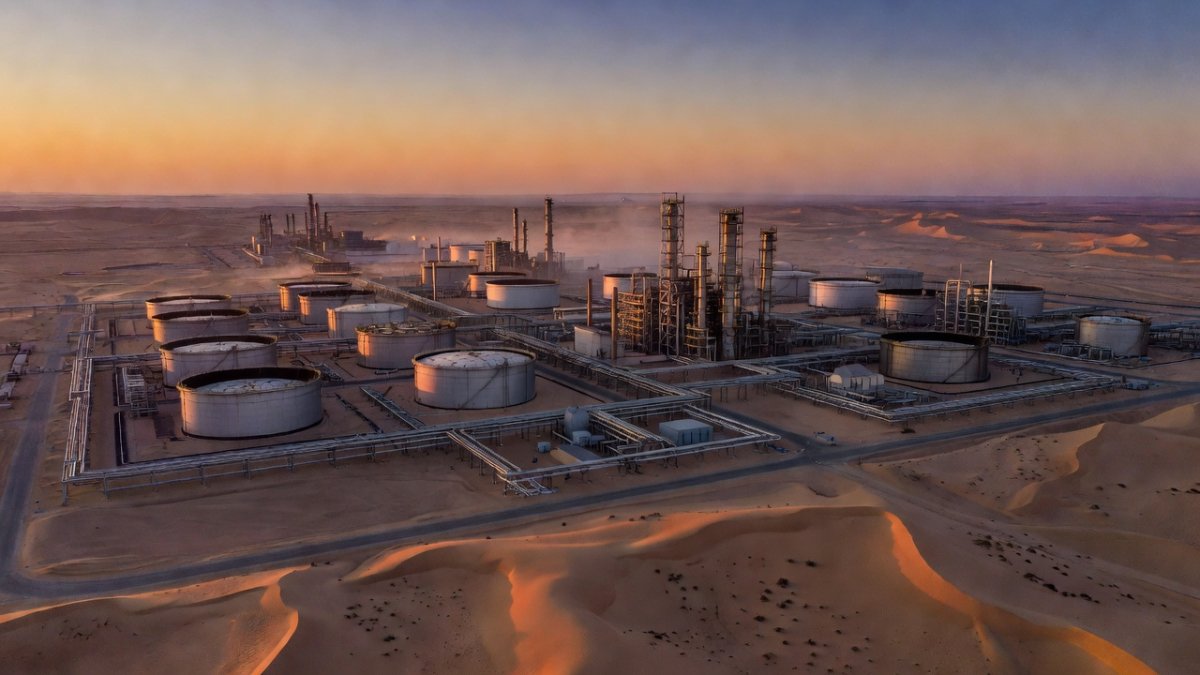
Folks, the United States and Israel stand on the brink of fresh strikes against Iranian energy infrastructure this weekend — and the cycle of retaliation that began back in February shows no sign of slowing. The reporting out of Washington over the past 24 hours points to a joint campaign in the works, with Tehran already warning of a decisive response. Here is what we know, what has been decided, and what is still hanging in the balance.
The current standoff builds on decades of friction between Washington, Tehran, and Jerusalem, where limited strikes have repeatedly risked broader regional involvement without producing lasting stability. With both sides already committed to energy targets, the weekend window represents a critical test of whether escalation can be contained or whether it will draw in additional actors across the Persian Gulf and beyond, according to the reporting from The Wall Street Journal, CBS News, and Axios.
The Weekend Strike Plan
The Wall Street Journal reported July 31 that President Donald Trump has ordered the US military to carry out a new attack on Iran as soon as this weekend. CBS News reported the US and Israel are planning a joint bombing campaign against energy infrastructure targets in Iran, with strikes possible throughout the weekend, citing sources familiar with the matter though no final decision has been made. Axios reported the same day that Trump is seriously considering launching attacks against energy targets within days but has not given final orders, with a US official confirming this to Axios after Trump answered questions during a Cabinet meeting at Camp David on July 31.
This timeline puts the potential strikes right on top of the August 1-2 window. The planning focuses on energy sites because those targets would hit Iran's ability to fund its operations. The reports make clear that the weekend is the current flashpoint, with US forces already positioned after the July 30 strikes. The Wall Street Journal, CBS News, and Axios together paint a picture of preparations advancing even as final approvals remain pending, leaving the exact sequence of events dependent on last-minute developments at the highest levels of the administration.
What Trump Ordered Versus What's Been Decided
Trump ordered the military to prepare for a new attack this weekend, per the Wall Street Journal. Yet Axios and CBS both stress that no final orders have been issued for the energy infrastructure strikes. The distinction matters because it leaves room for last-minute changes even as preparations move forward. Trump discussed the options at Camp David on July 31, but the lack of a final green light means the exact timing and scope remain fluid according to those outlets.
An AP report adds pressure from another angle: a US general warned Trump that American munitions stockpiles for the Iran war are running low. That warning highlights the gap between ordering action and sustaining it over multiple rounds. The administration appears caught between the push for immediate strikes and the reality of limited resources after months of conflict. Prolonged operations would require rapid replenishment from allies or domestic production lines already strained by simultaneous global commitments, potentially forcing Washington to prioritize certain theaters over others and limiting flexibility if Iran extends the fight through asymmetric means, as noted in the AP reporting.
Israel's Role in the Joint Campaign
CBS News reported that the US and Israel are coordinating on the bombing campaign against energy infrastructure. This joint approach builds on the pattern established since the war began, with both countries sharing targeting and operational planning. The involvement of Israel means the strikes would carry a combined message rather than a unilateral US action, according to CBS News.
The coordination also spreads the risk and the response burden. Iranian officials have already signaled they view the US and Israel as a single front in this fight. Any weekend operation would therefore test how tightly the two allies can maintain unified command under rapid escalation, as described in the CBS News reporting on the joint planning.
Iran's Threats and Prepared Response
Iran has named its own attack targets in response, vowing to go after energy infrastructure should the US and Israel launch strikes over the weekend. Tasnim News Agency, a state-affiliated outlet, quoted a senior security official on August 1 saying Tehran has prepared a comprehensive response. The agency reported that Iran warned of a "decisive" response to any "American recklessness," per Tasnim News Agency.
On July 24, Iran's army already carried out drone strikes against American military facilities in Bahrain and Jordan using Iranian-made Zolfaghar missiles, as Al Jazeera reported. Those strikes came in retaliation for earlier US attacks and were publicly displayed in Tehran. The pattern shows Iran is ready to match strikes on energy targets with its own regional hits, keeping the tit-for-tat alive, according to Al Jazeera's coverage and Tasnim News Agency statements.
The Wider War Context Since February
The 2026 Iran war began on February 28 when the United States and Israel initiated hostilities after US-Israeli airstrikes killed several Iranian officials, including Supreme Leader Ali Khamenei, according to the established timeline of the conflict. The war has since embroiled the entire Middle East. On July 24, Iran responded with drone strikes on US facilities in Bahrain and Jordan, as Al Jazeera reported. The US then struck dozens of targets in Iran overnight on July 30, prompting Tehran to retaliate again at US allies in the region, as The Guardian reported.
The Guardian noted that these latest exchanges have reignited the low-intensity, tit-for-tat war just as mediators were trying to pull both sides back to negotiations. The July 30 US strikes and Iran's follow-up actions show how quickly the conflict can flare after periods of relative quiet. Munitions shortages reported by AP further indicate the war has already consumed significant resources on the US side. The killing of Khamenei removed a central figure in Iran's command structure, yet the regime has maintained operational coherence through distributed decision-making, allowing it to sustain pressure across multiple fronts even as the fighting draws neighboring states deeper into the confrontation, per The Guardian and AP reporting.
Iran's Military Capabilities in Focus
Iran's arsenal includes the Zolfaghar ballistic missile system and an expanding drone fleet that has already demonstrated reach across the region, as shown in the July 24 strikes on US facilities in Bahrain and Jordan reported by Al Jazeera. The July 24 strikes illustrated how these tools allow Tehran to respond asymmetrically without direct confrontation on its own soil. Such capabilities mean any escalation involving energy targets could quickly draw in additional regional actors and prolong the fighting, according to Al Jazeera's live coverage.
Analysts note that Iran's drone program has matured through years of development and testing, giving it options for sustained harassment even if conventional forces face setbacks. This mix of missiles and unmanned systems creates a layered threat that complicates US and Israeli planning for weekend operations, consistent with the capabilities displayed and reported by Al Jazeera.
Global Economic Ripple Effects of Energy Strikes
Strikes on Iranian energy infrastructure would likely drive immediate spikes in global oil prices as markets price in reduced supply from one of the world's key producers. Shipping through the Strait of Hormuz, which carries roughly one-fifth of global oil trade, could face heightened risks of disruption or insurance cost increases that ripple into European energy security and Asian manufacturing sectors, based on the strategic context outlined in the reporting from The Guardian and Axios.
European nations already navigating post-pandemic recovery and alternative energy transitions would feel secondary shocks through higher fuel and heating costs. The interconnected nature of energy markets means even limited damage to Iranian facilities could sustain volatility for weeks, affecting everything from airline fares to industrial output worldwide. Past incidents near the Strait have shown how quickly tanker traffic can slow and premiums can rise, creating knock-on effects that last well beyond the immediate military action, as the economic implications are framed in the ongoing coverage.
What Energy Infrastructure Strikes Would Mean
Targeting energy infrastructure would shift the war from military sites to the economic backbone that funds Iran's operations. The source material shows both sides have explicitly prepared to hit such targets, which would extend the fighting into areas that affect supply lines and revenue. This choice raises the cost for Iran while also inviting symmetric retaliation against energy assets elsewhere in the region, per the planning details from CBS News and The Wall Street Journal.
The July 30 US strikes and Iran's subsequent responses already demonstrated how each round pulls in more assets. Adding energy targets this weekend would likely accelerate that cycle, making any return to talks harder. The low munitions warning from the US general underscores that sustaining such strikes requires careful calculation of remaining capacity, as reported by AP.
The Diplomatic Picture
Mediators have been struggling to restart negotiations even as the July 30 strikes and Iranian retaliation reignited fighting, as The Guardian reported. The source reports make clear that diplomatic efforts have not kept pace with the military timeline. Trump's July 31 Camp David meeting focused on military options rather than new talks, leaving little daylight for last-minute diplomacy before the weekend, according to Axios.
Iran's August 1 statements through Tasnim show Tehran is prioritizing a prepared military response over immediate de-escalation signals. The combination of US planning and Iranian warnings leaves mediators with a narrow window to intervene before any joint strikes begin. Historical patterns from earlier US-Iran crises suggest that once energy infrastructure enters the target list, restoring dialogue becomes significantly more difficult as each side seeks to demonstrate resolve before considering concessions, consistent with the reporting from The Guardian and Tasnim News Agency.
What This Means for Readers
Folks, this escalation puts American forces and regional allies directly in the path of further retaliation while US munitions run low, as warned in the AP report. The back-and-forth since February 28 has already killed officials, struck bases in Bahrain and Jordan, and now threatens energy sites that could ripple outward, according to the combined coverage from The Wall Street Journal, CBS News, Axios, Al Jazeera, The Guardian, Tasnim News Agency, and AP. You have a stake in how long this continues.
Stay on top of verified updates from outlets like the Wall Street Journal, CBS, and Axios rather than rumors. Contact your representatives and demand they press for accountability on munitions use and diplomatic off-ramps. Track official statements from the administration and Iranian sources to separate planning from final orders. The more informed you stay, the better you can push for decisions that protect lives instead of extending the cycle, as emphasized across the reporting from these outlets.
By Jessica Ali, Staff Writer
This article was produced with AI-assisted research and editorial support. Reporting is based on sources cited in the article.
What's Your Reaction?
 Like
0
Like
0
 Dislike
0
Dislike
0
 Love
0
Love
0
 Funny
0
Funny
0
 Wow
0
Wow
0
 Sad
0
Sad
0
 Angry
0
Angry
0

Editor-in-Chief at Global1.News. Atlanta-based journalist who cuts through the BS and tells it like it is. Lead anchor, host, and the voice you hear when the spin stops and the truth starts.














Comments (0)