
SDXL Object LoRA Training: Master Custom Objects with Kohya GUI
Aitrepreneur's tutorial teaches creators to train custom object LoRAs for SDXL using Kohya GUI on local hardware. The guide covers dataset prep of 15-100 images, 12-16GB VRAM needs, rank 32-64 settings, and loading the resulting 100-200MB adapter. It highlights privacy benefits,...
Folks, the Aitrepreneur tutorial "MASTER LORA OBJECT Training FOR SDXL! QUICK & EASY!" just dropped the exact playbook everyday creators need to train custom object LoRAs for Stable Diffusion XL using Kohya GUI. This isn't theory. It's the step-by-step that turns random photos of your product, pet, or prop into a 100-200MB .safetensors file that renders that object consistently in any new scene. Here's the thing: SDXL object training just got fast, local, and accessible.
SDXL Object LoRA Training Tutorial Hits Kohya GUI
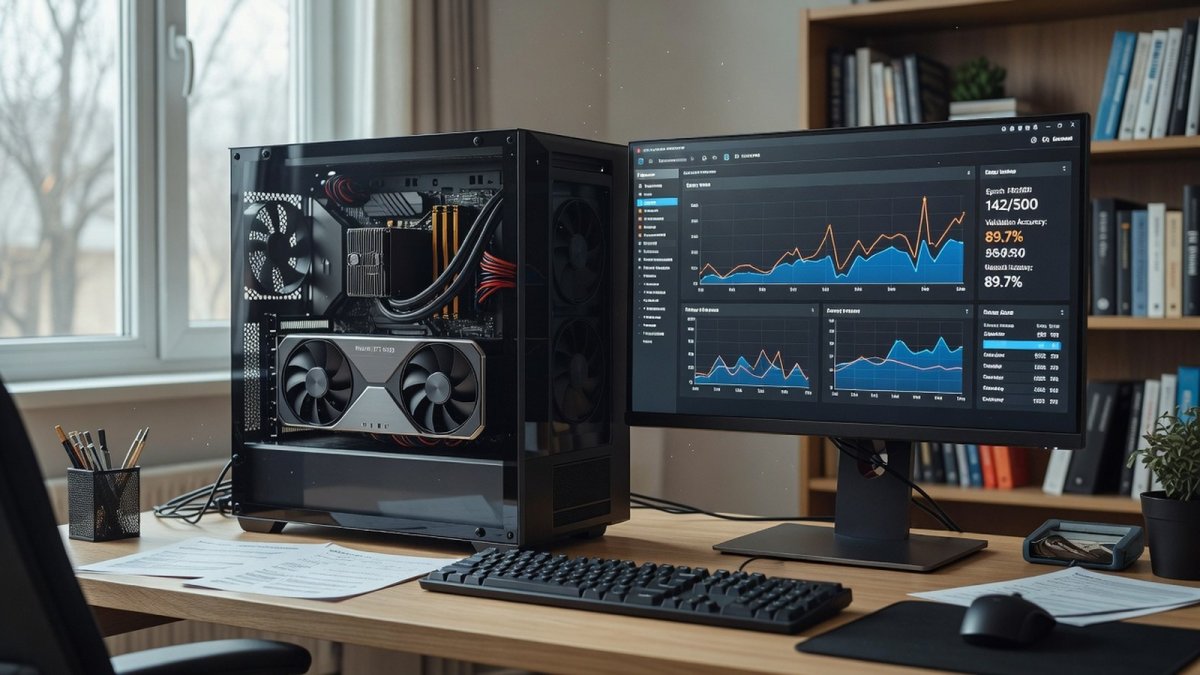
Atlanta, GA -- August 5, 2026 -- Aitrepreneur's new YouTube guide shows creators exactly how to train object-specific LoRAs for Stable Diffusion XL inside the Kohya GUI, cutting through the old barriers of expensive Dreambooth runs and massive datasets. The video walks through dataset prep, recommended settings, and loading the finished adapter into tools like Automatic1111 or ComfyUI. With SDXL's 3.5B-parameter base model and native 1024x1024 output, the method delivers consistent object rendering without cloud fees or data uploads.
What This Tutorial Actually Teaches
Aitrepreneur breaks down object LoRA training into clear stages: gather 15 to 100 high-resolution images of your target object, ideally at 1024x1024, with varied angles and backgrounds. Users caption the images, load them into Kohya's sd-scripts GUI, set LoRA rank between 32 and 64, and run training at a 1e-4 learning rate. The output is a compact .safetensors adapter that plugs straight into SDXL workflows. The channel emphasizes free, local, open-source tools so creators keep full control.
The tutorial's emphasis on a compact dataset of subject-focused images with varied angles allows creators to achieve reliable object consistency without exhaustive data collection. This approach leverages SDXL's native resolution capabilities to produce adapters that integrate seamlessly into existing pipelines, enabling rapid iteration on product visualizations or prop designs. By prioritizing local processing, the method eliminates dependency on external services and supports iterative refinement through caption adjustments, fostering greater creative autonomy for users experimenting with different scene compositions.
Training parameters such as moderate rank values and targeted learning rates balance adaptation speed with output quality, reducing the risk of overfitting while maintaining compatibility across multiple interfaces. This structured workflow transforms what was once a resource-intensive process into a repeatable routine, empowering small teams to generate marketing assets or concept art on demand. The result is a practical bridge between raw photography and polished digital outputs that scales with individual project needs.
Why Objects Were the Hard Part of AI Image Generation
Before efficient LoRA methods, locking a specific product or prop into new scenes required full model fine-tuning or hundreds of images. SD 1.5 LoRAs needed only 8GB VRAM minimum, but SDXL raised the bar to 12GB minimum and 16GB comfortable. The Aitrepreneur tutorial shows how to hit reliable results in one to three hours on a 24GB card, something hobbyists and small teams could not achieve consistently until now.
The Tech Under the Hood: LoRA and Kohya
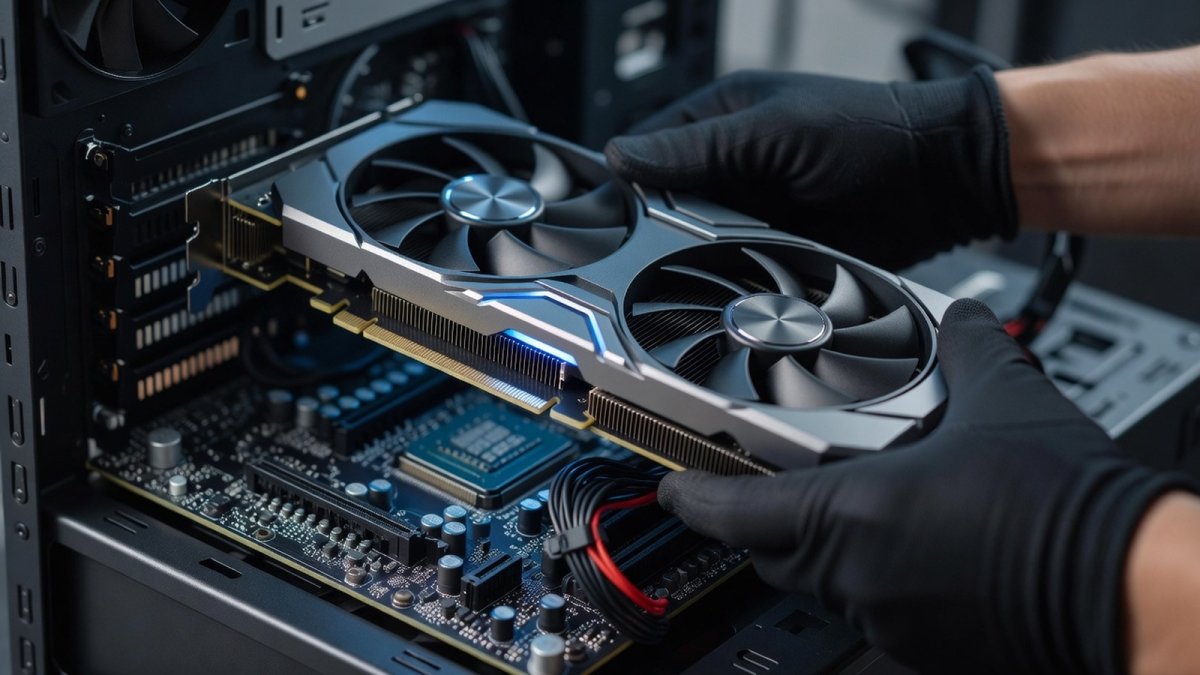
LoRA, short for Low-Rank Adaptation, originated in Microsoft research by Hu et al. in 2021. Instead of retraining the entire multi-gigabyte model, it trains a small adapter file. Kohya's sd-scripts repository, wrapped in the popular bmaltais/kohya_ss GUI, became the standard toolkit for this work. The tutorial demonstrates how these pieces combine with SDXL's July 2023 release to make object training practical on consumer hardware.
LoRA's adapter-based design, rooted in efficient parameter updates, allows SDXL's larger architecture to incorporate custom objects through minimal file additions rather than full model retraining. This keeps resource demands manageable on consumer setups while preserving the base model's broad generative strengths. Kohya's sd-scripts serve as the core engine, with the Windows GUI wrapper streamlining configuration for users who prefer visual controls over command-line operations, accelerating adoption among non-technical creators.
Recent optimizations in the Kohya ecosystem further lower hardware thresholds for related models, illustrating ongoing refinements that benefit SDXL workflows indirectly through shared code improvements. The combination positions these tools as the standard for adapter creation, supporting diverse applications from asset prototyping to branded content generation. Such integration highlights how foundational research translates into accessible software that democratizes advanced image synthesis techniques.
What You Need: Hardware, Dataset, and Settings
Creators need at least 12GB VRAM, though 16GB makes the process smoother. Dataset rules are straightforward: clear, subject-focused photos with diverse angles and distances. Auto-captioning tools speed up labeling. Training typically finishes in one to three hours. The finished file loads into popular SDXL interfaces without extra subscriptions or per-image charges.
Who This Helps
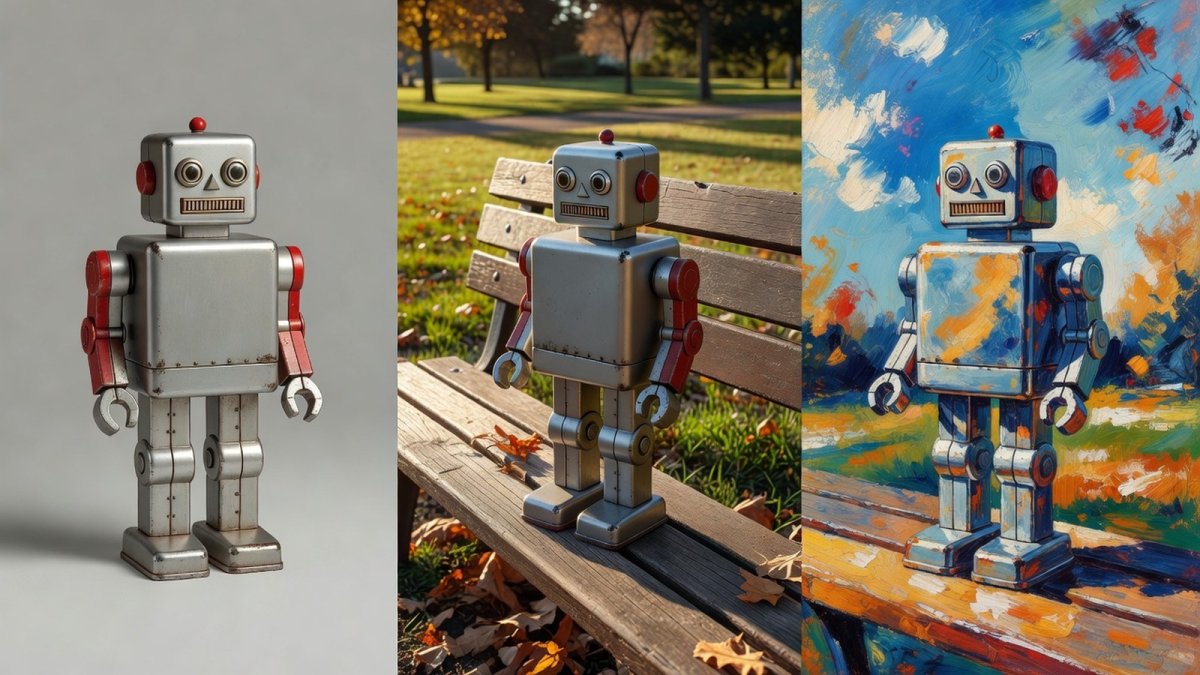
Indie developers, e-commerce sellers, game asset artists, and cosplay prop makers gain the most. A small business can photograph its product once, train the LoRA locally, and generate unlimited marketing shots. Personal artists can lock in custom props or mascots. The method removes the old paywalls that kept consistent object generation out of reach for most creators.
Small businesses in e-commerce gain a decisive edge by converting a single product photoshoot into unlimited scene variations for listings and campaigns, bypassing recurring service fees. Game developers and concept artists similarly benefit from rapid iteration on props or characters, using the resulting adapters to explore narrative contexts without rebuilding models from scratch. This accessibility extends to hobbyists creating personalized mascots or cosplay references, where local execution ensures sensitive designs remain private.
Independent creators working on brand assets or custom merchandise find the process aligns with tight budgets and timelines, as training completes in hours on standard hardware. The method supports collaborative sharing of adapters on community platforms, building collective libraries that accelerate individual projects. Overall, it shifts professional-grade object control from specialized studios to a wider range of practitioners seeking consistent, on-demand visuals.
The Privacy and Ethics Side
Running everything on local hardware means no data leaves your machine and no recurring cloud bills. That privacy edge matters when artists and regulators debate watermarking, consent, and style cloning on platforms like CivitAI. The tool itself stays neutral, yet the tutorial reminds users that responsible use and clear consent remain essential as lawsuits and platform policies evolve.
What This Means
This tutorial signals a real shift: object-level control in open-source image generation is no longer reserved for well-funded labs. By packaging proven Kohya settings for SDXL, Aitrepreneur lowers the barrier so that consistent product shots, branded characters, and personal props become everyday tools. The privacy-first, no-subscription model challenges cloud-heavy services while forcing the industry to confront ongoing questions about consent and attribution. In short, the power to own your visual assets just moved one step closer to the individual creator.
The tutorial underscores a broader transition toward localized, subscription-free tools that challenge centralized cloud platforms by returning data control to users. This development intensifies discussions around attribution and consent, as easy adapter sharing on sites like CivitAI raises questions about ownership of trained styles and subjects. Industry responses, including evolving platform policies, reflect the tension between innovation and regulatory pressures in AI-generated imagery.
By making object-level customization routine, the approach accelerates creative experimentation across sectors while prompting renewed focus on ethical guidelines for training data. It positions open-source ecosystems as viable alternatives to proprietary services, potentially reshaping how visual assets are produced and distributed. The emphasis on responsible application signals that technical accessibility must pair with ongoing community standards to sustain long-term adoption.
The Bottom Line
Watch the Aitrepreneur video, fire up Kohya GUI, and start with 20 to 30 clear photos of one object. Follow the rank and learning-rate guidance, train on your own rig, then load the .safetensors file into SDXL. Test it in new prompts, refine captions if needed, and share the adapter responsibly on CivitAI. You now hold the same capability that once required expensive setups. Go train your object, own your outputs, and keep creating without asking permission.
— Jessica Ali, Global 1 News — cutting through the BS, one story at a time.
This article was produced with AI-assisted research and editorial support. Reporting is based on sources cited in the article.
What's Your Reaction?
 Like
0
Like
0
 Dislike
0
Dislike
0
 Love
0
Love
0
 Funny
0
Funny
0
 Wow
0
Wow
0
 Sad
0
Sad
0
 Angry
0
Angry
0

Editor-in-Chief at Global1.News. Atlanta-based journalist who cuts through the BS and tells it like it is. Lead anchor, host, and the voice you hear when the spin stops and the truth starts.














Comments (0)