
Over 600 Palestinians Detained by Israel in West Bank Raids Last Month, Advocacy Group Says
Israeli forces detained 630 Palestinians in West Bank raids in July, the Palestinian Prisoner Society said, bringing total detentions since October 2023 past 25,000. Women, children and former prisoners were among those swept up in escalating arrest campaigns.
The Numbers Behind July's Arrests
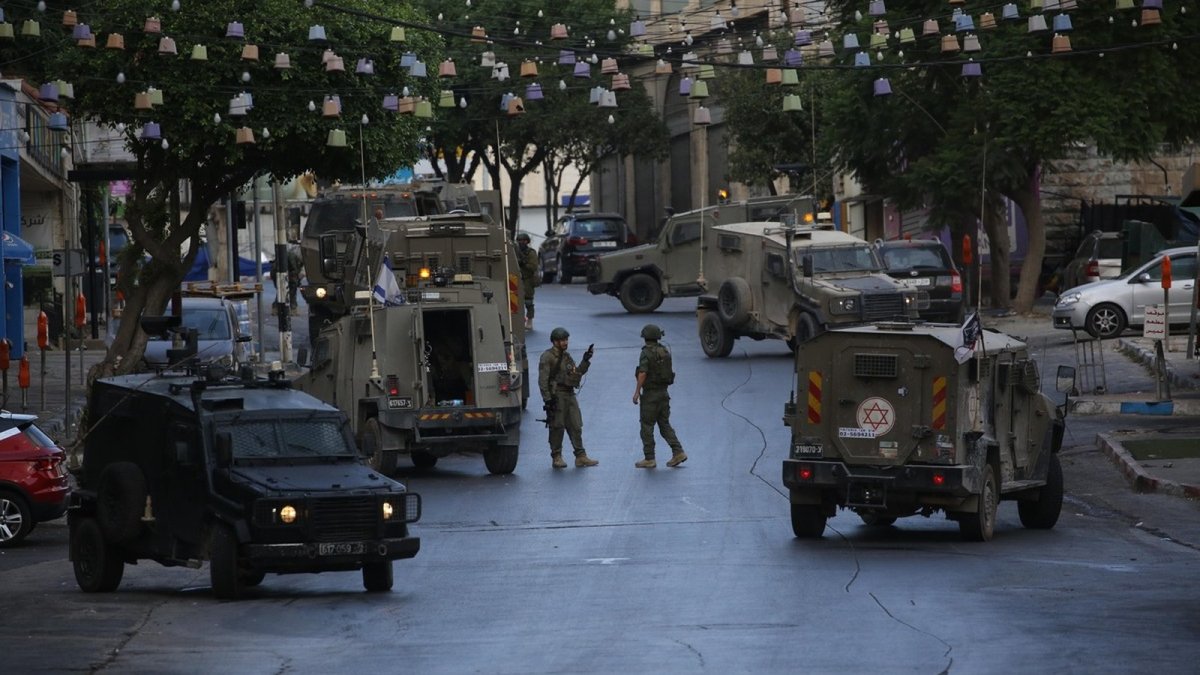
Israeli forces detained 630 Palestinians during military raids across the occupied West Bank throughout July. The Palestinian Prisoner Society documented these operations as part of intensified arrest campaigns that began after October 2023. The total number of Palestinians held since that period now exceeds 25,000. These figures reflect a sustained pattern of detentions that affect communities from Nablus to Hebron and Jenin.
Women, children and former prisoners were included among those taken into custody. The society noted that such operations often occur at night and involve multiple units. Local residents report that entire families can be affected when raids target specific homes. Figures on exact release rates from July operations were not immediately available from official Israeli sources.
Who Is Being Detained
The detainees include residents from villages and towns where settlement expansion has increased in recent months. Palestinian Prisoner Society records show that some of those arrested had previously been released from Israeli facilities. Children have been documented among those swept up in the raids, and the society's statement emphasized that women were also taken into custody.
Women detainees often face additional pressures during raids, including separation from young children. The society highlighted that former prisoners are frequently re-arrested under administrative orders. These patterns disrupt family structures and local economies in the West Bank, where many households rely on daily labor that becomes impossible during detention periods.
A System of Escalating Violations
The Palestinian Prisoner Society described accompanying practices that include field interrogations, property destruction and physical assaults on detainees and relatives. Reports mention threats, humiliation and the temporary holding of family members during operations. Theft of money and personal items was also recorded in multiple incidents.
Field executions were cited in the society's statement as part of the broader campaign. These actions occur alongside raids that Palestinian residents say leave homes damaged and communities on edge. Such methods have been reported consistently since October 2023, according to monitoring groups operating in the West Bank.
Inside Israeli Prisons
Approximately 9,500 Palestinians remain in Israeli custody, including 92 women and 370 children. Rights organizations, both Palestinian and Israeli, have documented deaths linked to starvation, torture and lack of medical care. Conditions inside facilities have drawn repeated criticism from groups tracking prisoner welfare.
Detainees' families in the West Bank describe limited access to information about loved ones' health. Visits are often restricted, and communication relies on occasional messages passed through lawyers. The current total reflects a sharp rise from pre-October 2023 levels and places additional strain on already crowded prison infrastructure.
Reports emerging from within the facilities point to systemic issues of medical neglect and harsh treatment that have resulted in fatalities, prompting calls from advocacy groups for independent investigations into the underlying causes. These accounts reveal how the absence of timely intervention exacerbates vulnerabilities among all categories of prisoners, amplifying the psychological strain on those awaiting decisions that may never come.
The Legal Architecture of Detention
Israel's Knesset passed the Unlawful Combatant Law in 2002. Al Mezan Center for Human Rights explains that this legislation permits holding individuals for indefinite periods without formal charges or presentation of evidence in court. The measure has been applied to Palestinians from the occupied territories.
Administrative detention orders, renewed every few months, keep many people behind bars without trial. Legal advocates note that this framework limits opportunities for defense and creates prolonged uncertainty for families. The law remains in force and continues to shape detention practices in the West Bank.
The practice of administrative detention has long been embedded in the legal framework governing the occupied territories, allowing authorities to hold individuals indefinitely based on secret evidence that neither the detainee nor their legal representatives can fully access or challenge. This mechanism, distinct from criminal prosecution, creates a parallel system where renewal of orders occurs routinely without the need for new justifications, perpetuating a cycle of uncertainty that erodes any sense of legal predictability. Rights organizations, both Palestinian and Israeli, have systematically recorded these patterns, providing detailed accounts that underscore how such detentions disrupt family structures and community networks over extended periods.
Military courts operating in the West Bank apply these provisions through processes where administrative orders can be renewed repeatedly, often relying on classified materials that limit effective defense strategies. Critiques from groups such as Amnesty International, B'Tselem, and the Al Mezan Center for Human Rights have focused on how these mechanisms enable prolonged holds without the safeguards typically required in democratic legal systems, creating disparities in treatment compared to international benchmarks on fair trials.
Settlements and Arrests
Israeli authorities recently allocated 37 million dollars toward development of alleged Jewish heritage sites in the occupied West Bank. This funding coincides with expanded settlement activity in areas where arrests have also risen. Palestinian Prisoner Society records link some detentions directly to clashes involving settlers.
In one recent case, settlers burned three Palestinian vehicles and damaged a village power grid under army protection, according to local reports. Such incidents occur in towns targeted for expansion, where residents say arrests serve to clear space or deter resistance. Daily movement for farmers and students becomes more difficult amid these overlapping pressures.
Settlement expansion in the occupied West Bank has been intertwined with arrest operations, as projects targeting specific villages and towns often coincide with heightened security measures that lead to detentions during periods of tension. Allocations such as the $37 million for developing alleged Jewish heritage sites have been viewed by critics as accelerating land pressures that contribute to displacement patterns, with incidents of property damage including burned vehicles and disrupted power infrastructure reported in affected communities.
Human impact manifests in disrupted livelihoods and fractured social ties, as families navigate the aftermath of arrests linked to resistance against encroachment on traditional lands. Legal analyses from monitoring entities highlight how such dynamics may contravene aspects of international humanitarian law regarding protected populations in occupied zones, prompting calls for scrutiny from global forums.
What This Means for Palestinians
Extended detentions remove breadwinners from households already facing economic restrictions under occupation. Children grow up with absent parents, and women manage homes alone during critical periods. Communities in the West Bank report a climate of fear that affects schooling, work and social gatherings.
Human rights monitors connect these arrest patterns to broader policies of control and displacement. Palestinian voices emphasize the cumulative toll on mental health and family cohesion. Without changes to detention practices, the cycle of raids and releases is expected to continue affecting thousands more residents in the months ahead.
Daily existence under occupation involves routine encounters with checkpoints and sudden night operations that separate families and interrupt education or work, fostering an environment where uncertainty becomes normalized. The psychological effects on children exposed to these raids can include lasting anxiety and altered perceptions of security, contributing to wider social strains that affect community cohesion over time.
International silence on the scale of these arrests has drawn commentary from analysts who see it as potentially emboldening further measures, while discussions around accountability often center on mechanisms such as enhanced monitoring or conditional aid frameworks that could encourage adherence to established norms.
For Palestinians, the documentation efforts of prisoner rights groups carry weight beyond the statistics. Each name added to the register represents a family waiting for news, a community absorbing another loss, and a legal system that continues to operate outside the protections most detainees are never granted. The question now is whether the scale of July's arrests will finally move the international community to act.
By Fatima Al-Rashid, Staff Writer
This article was produced with AI-assisted research and editorial support. Reporting is based on sources cited in the article.
What's Your Reaction?
 Like
0
Like
0
 Dislike
0
Dislike
0
 Love
0
Love
0
 Funny
0
Funny
0
 Wow
0
Wow
0
 Sad
0
Sad
0
 Angry
0
Angry
0

Gulf/MENA Correspondent at Global1.News. Based in Doha, covering Gulf politics, energy markets, diplomacy, and development across the Middle East and North Africa. Tracks the economic transformation of the Gulf states.












Comments (0)