
No 10 does not rule out inviting back influencer at centre of video row
Downing Street’s latest flirtation with social‑media influencers has reignited a fierce debate over the propriety of using internet personalities to promote government messaging.
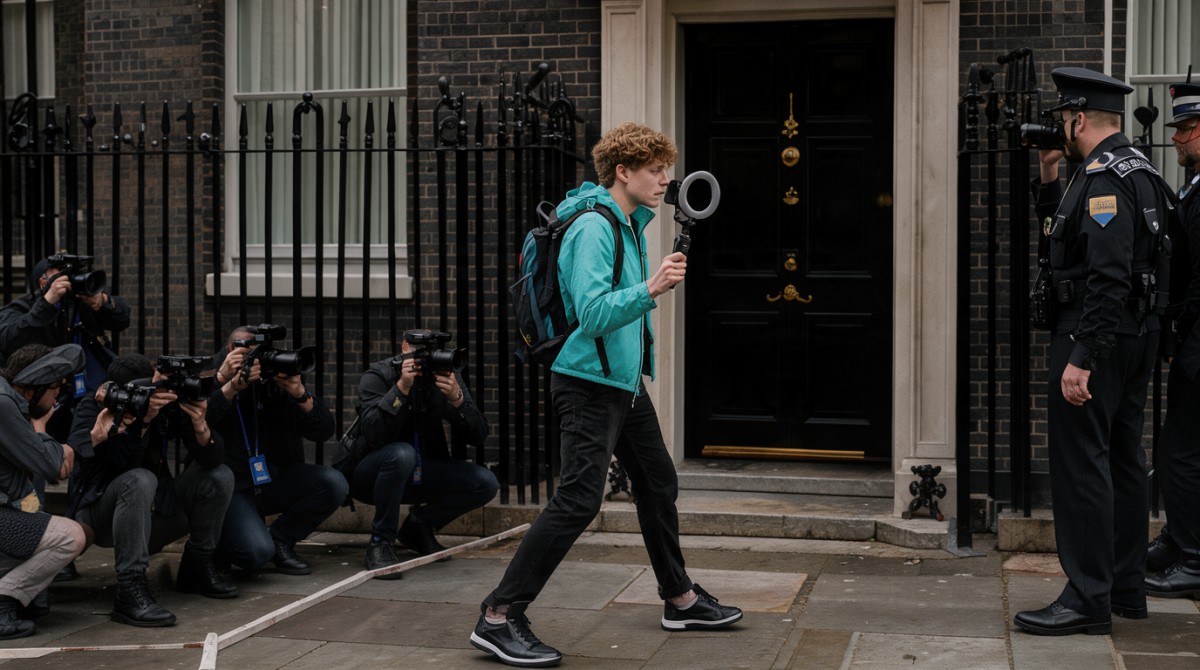
Downing Street’s latest flirtation with social‑media influencers has reignited a fierce debate over the propriety of using internet personalities to promote government messaging. The controversy centres on a video recorded by Max Balegde – known on platforms as Max Trobe – on the steps of Number 10 on 9 November, which featured a string of vulgar, misogynistic remarks that prompted condemnation from senior ministers and a public rebuke from the opposition. While the Prime Minister’s office has refused to rule out inviting Balegde back, the episode has laid bare the tensions between modern outreach tactics and traditional expectations of decorum in the heart of British politics.
The incident and its immediate fallout
The reception on 9 November saw roughly 60 content creators invited to film the event, many of whom were handed government phones and cameras to capture footage for later distribution. Among them, Balegde posted a video that quickly went viral, not least because it included a chant of “bomboclaat pussywagon chicken nuggets” – a line lifted from a trending meme – and a series of lewd comments about women. The language was described by Manchester mayor Andy Burnham as “vile” and “obscene”, prompting him to label the video “not acceptable”. Burnham later noted that the clip had been removed and that Balegde had “rightly apologised”, yet he resisted any suggestion that the government should apologise for simply engaging with influencers who can reach younger audiences.
Conservative MP Kemi Badenoch seized on the incident, demanding a formal apology from the Prime Minister for “debasing his office” by allowing the recording. She highlighted the “disgusting and pejorative comments about women’s private parts” and warned that such language was “so offensive that I will not repeat them in this House”. Badenoch’s remarks underscored a broader concern within the party about the reputational risk of associating with personalities who may cross the line of acceptable public discourse.
Downing Street’s stance on future invitations
When pressed on whether Balegde would be welcomed back, the Prime Minister’s spokesperson declined to comment on specific future events, stating simply: “I’m not going to get ahead of future events.” The response left open the possibility that the influencer could be invited again, but also signalled a cautious approach amid the growing criticism. The spokesperson also clarified that no influencers were paid to attend the 9 November reception, though they acknowledged that other departments have previously compensated creators for collaborative social‑media work.
This distinction is crucial, as it reflects an attempt to separate the Downing Street event from the broader practice of paying influencers for promotional content. While the government denies direct payment for this particular reception, the precedent of remunerating creators in other contexts raises questions about the consistency of the policy and the transparency of such arrangements.
Political reactions and the partisan divide
The row quickly became a flashpoint in the ongoing partisan battle over the use of digital influencers in political communication. Badenoch’s criticism framed the incident as a moral failing, aligning with Labour’s long‑standing emphasis on combating violence against women and girls. She contrasted the Conservative government’s handling of the video with Labour MPs’ “commitment to fighting violence against women and girls”, accusing the Prime Minister of silence on the issue.
Burnham, for his part, defended the decision to engage with influencers, arguing that reaching young people through platforms like TikTok is essential. He dismissed Badenoch’s call for an apology as “sneering” and suggested that the Conservative critique was part of a broader pattern of “having nothing positive to say to the country”. The exchange continued throughout the weekly Commons clash, with Burnham accusing the Prime Minister of preferring “questions to people dancing around Downing Street”, a reference to another influencer’s viral dance video filmed on the premises.
The role of influencers in modern governance
Influencer outreach is not a new phenomenon for Downing Street. Former Prime Minister Rishi Sunak regularly entertained content creators, and the practice dates back to Sir Keir Starmer’s leadership, when the first dedicated influencer reception was held in 2025. Since then, creators have been invited to press conferences, briefings, and even the Budget event at Number 11, signalling an institutional shift towards digital engagement.
Experts see both opportunity and risk in this approach. Luke Tryl, UK director of pollsters More In Common, described the use of influencers as “sensible” for expanding the Prime Minister’s reach and helping him appear “in touch”. Yet he warned that the Prime Minister’s “biggest weakness” is being perceived as a “people pleaser”, suggesting that reliance on soft‑sell tactics could undermine credibility. Tryl urged a balance, recommending “non‑softball interviews with traditional scrutiny media” to complement the influencer strategy.
Public and creative community perspectives
Among the invited creators, reactions were mixed. TikTok star Sophie Tea, boasting over 1.3 million followers, described the invitation as a “privilege” and an opportunity to “democratise information”. She framed her participation as a way to convey “the brilliant things that are happening in government” to a broad audience, while acknowledging that she was being used by the government in a “mutually exploitative” relationship that also served to boost her own profile.
Balegde himself issued a contrite Instagram post, insisting his content is meant to be “silly, fun, and light‑hearted” and apologising to anyone offended by the video. He claimed the backlash was driven by “revolting right‑wing people” attempting to weaponise the clip, and that he removed the video because he recognised its “disgusting” nature. This narrative highlights the contested terrain of intent versus impact in influencer‑produced political content.
Implications for future government‑influencer collaborations
The episode underscores a delicate balancing act for the government: leveraging the reach of digital creators while safeguarding the dignity of the office. Downing Street’s refusal to categorically exclude Balegde from future events suggests a willingness to continue the partnership, yet the heightened scrutiny may prompt tighter guidelines around content monitoring and approval.
In the short term, the controversy is likely to fuel further parliamentary debate over the appropriateness of influencer engagements, especially when they involve provocative language or controversial personalities. Long‑term, the episode could serve as a catalyst for establishing clearer protocols on the use of government‑issued devices, the vetting of participants, and the transparency of any financial arrangements. As the political landscape continues to adapt to the digital age, the challenge will be to harness the benefits of influencer outreach without compromising the standards of public office.
This article was produced with AI-assisted research and editorial support. Reporting is based on the source material cited below. Sources: BBC News UK; bbc.co.uk; Global1.News (25 November 2026).
By Erica Thornton, Staff Writer
What's Your Reaction?
 Like
0
 Dislike
0
 Love
0
 Funny
0
 Wow
0
 Sad
0
 Angry
0

US Politics and Policy Correspondent at Global1.News. Based in Washington DC, covering American politics, policy, elections, and the courts. Knows how the system works and tells you what it actually means.













Comments (0)