
Mitch McConnell's Health Crisis: The Fall, the Photo Controversy, and the Political Fallout
Folks, buckle up because the Senate’s iron grip just got a reality check that’s rippling through Washington like a summer storm.
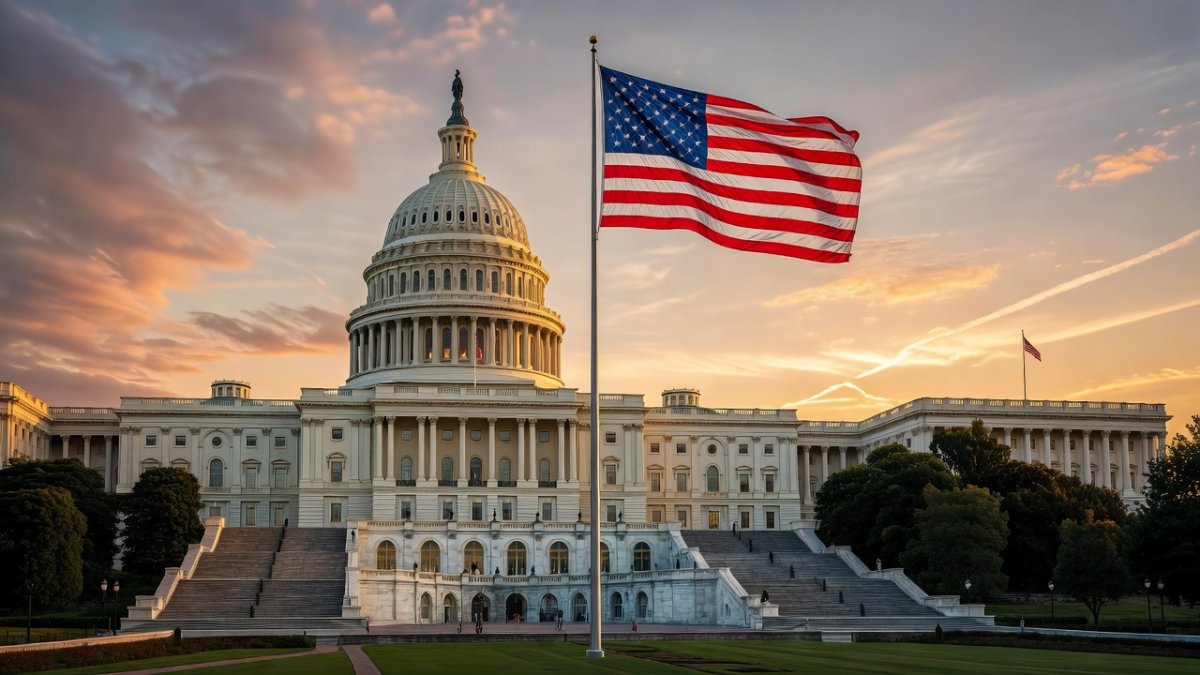
The Fall That Changed Everything: A Timeline of Hospitalization and Recovery
McConnell was admitted to a hospital on June 14, 2026, after a fall at his Capitol Hill home that left him briefly unconscious. What started as a private medical emergency quickly escalated when he developed pneumonia during his stay. His office has been clear that he did not suffer a stroke or heart attack, even as early 911 reports floated mentions of cardiac arrest that were later walked back.
By July 6 and 7, updates remained thin. Staff described him as “continuing his recovery” while insisting he stayed in close contact with his team. False death rumors surfaced online and were quickly debunked by fact-checkers. On July 12, McConnell himself broke the silence with a statement detailing the fall and pneumonia, framing his situation as a straightforward recovery process.
Rehabilitation followed, with the senator moving to a facility for ongoing care. Today’s fresh update from his office confirms he is undergoing intense physical therapy, and the Office of the Attending Physician stated plainly: “Senator McConnell continues his recovery from a fall at home in June.” A new hospital photo accompanied the release, adding another layer to the public record.
At 84, McConnell holds the record as the longest-serving Senate Republican leader in history, a tenure that began in 2007 and included pivotal roles in the 2016 decision to block Merrick Garland’s Supreme Court nomination and the subsequent confirmations of three justices between 2017 and 2021. These actions cemented his influence over the federal judiciary and demonstrated his command of Senate procedure during periods of unified Republican control. His office has long maintained tight control over information flow, a pattern visible in past health episodes such as the 2019 fall that resulted in a concussion and the 2023 freezing incidents during public appearances, where updates were often limited to brief statements.
This approach to communication has repeatedly shaped public understanding of his condition, with staff issuing measured releases that emphasize ongoing recovery without extensive medical detail. The current hospitalization follows that established rhythm, as updates have focused on rehabilitation progress rather than granular timelines or independent medical assessments. Observers note that such restraint aligns with McConnell’s decades-long preference for managing narratives around his leadership and physical capacity.
Proof of Life or Political Theater? The Photo Controversy Unfolds
On July 27, McConnell’s office released a photo showing him grinning beside his wife, former Transportation Secretary Elaine Chao. The image was positioned as evidence of his improving condition. Yet some voices, including Laura Loomer, immediately questioned its authenticity, claiming it looked AI-generated and accusing staff of misleading the public.
Snopes and other outlets pushed back against those claims, finding no evidence of manipulation. Still, the episode fed a broader narrative of opacity. Critics argued that limited details and selective imagery only deepened distrust at a moment when transparency matters most for a senator whose term runs through January 2027.
Even a late-July letter signed by McConnell and other Kentucky lawmakers urging President Trump to approve disaster aid after floods and tornadoes that killed six people drew fire. Detractors suggested the signature might have been handled by staff while he remained in rehab, though no proof has emerged to confirm that charge.
In an era dominated by rapid social media amplification and skepticism toward official imagery, questions about the authenticity of photos of aging public figures have become routine. High-profile cases involving altered or misleading images have trained audiences to scrutinize visual evidence, particularly when released by offices with histories of controlled messaging. McConnell’s photo, like similar releases for other long-serving lawmakers, enters this environment where doubt can spread quickly regardless of later fact-checking.
Media outlets typically respond to unverified claims by seeking corroboration from multiple sources or independent verification, yet the initial spread of skepticism often outpaces those corrections. Social media figures play an outsized role in seeding such narratives, drawing attention to perceived inconsistencies even when professional fact-checkers find no manipulation. This dynamic places additional pressure on congressional offices to balance privacy with the public’s expectation of transparency for elected officials whose terms extend into advanced age.
“Where’s Mitch?” The Pressure Builds in Kentucky and Beyond
The absence became impossible to ignore at the annual Fancy Farm Picnic in early August 2026, where “Where’s Mitch?” chants echoed through the crowd. McConnell’s empty seat at the event underscored the political vacuum his health issues have created. August 3 marked the final day he could resign in time for a special election this year, a deadline that came and went without action.
Kentucky Governor Andy Beshear, a Democrat, sent a direct letter demanding either a full explanation of the prolonged absence with detailed health information or a resignation. The move injected partisan tension into what had been a largely internal Republican concern. A top Trump ally went further, accusing McConnell’s staff of “using” the senator “to cling to power” and labeling the situation “cruel.”
These developments have turned McConnell’s personal health into a statewide and national flashpoint, with voters left to wonder how long the status quo can hold before the Senate calendar forces harder choices.
Kentucky’s political landscape features Democratic Governor Andy Beshear maintaining notable popularity in a state that consistently supports Republican presidential candidates, creating a unique dynamic for any vacancy in its Senate delegation. McConnell’s seat, which he has held since 1985, would become open upon resignation or incapacity, prompting discussion of potential Republican contenders including U.S. Representative Andy Barr and former Attorney General Daniel Cameron. These names reflect the state’s established GOP bench and the stakes of an open 2026 contest.
McConnell’s prolonged absence reduces Kentucky’s active voice in Senate deliberations at a time when the state’s interests in appropriations and policy require consistent representation. Beshear’s public call for greater transparency underscores the governor’s formal role in any future appointment process and highlights how one senator’s health can shift attention to statewide power balances. Voters and party strategists alike must consider how extended uncertainty affects both immediate legislative influence and the upcoming electoral map.
What It Means for the GOP, Senate Leadership, and the 2026 Midterms
McConnell announced in February 2025 that he would not seek reelection in 2026, setting up an open race for his seat with the midterm election scheduled for November 3, 2026. His current term ends in January 2027, but prolonged uncertainty now complicates Republican planning. Senate Majority Leader John Thune faces added pressure to manage the calendar while one of the chamber’s most experienced voices remains sidelined.
The fallout extends beyond Kentucky. McConnell’s decades-long influence on Supreme Court confirmations and legislative strategy has left a structural imprint on the GOP. Any extended absence risks shifting momentum in an already competitive Senate environment, where every seat carries weight for the 2026 map.
Critics within and outside the party see the lack of detailed updates as a symptom of larger institutional problems around aging leadership and accountability. Supporters counter that recovery takes time and that McConnell’s team has followed medical guidance. Either way, the episode highlights how personal health can quickly become a collective political liability.
The 2026 Senate map includes a mix of seats in competitive and solidly partisan states, leaving the Republican majority with little margin for error as every vote could determine control. McConnell’s long career positioned him as an institutionalist focused on Senate norms and procedural leverage, a style that often clashed with the populist priorities advanced by former President Trump and his allies. This tension has defined recent Republican internal debates over leadership style and legislative strategy.
Any extended absence amplifies existing divisions, as the party weighs the value of experienced institutional knowledge against demands for newer voices aligned with different approaches. McConnell’s record of managing narrow majorities and confirming justices illustrates the structural role one senator can play, yet it also spotlights the challenges of generational transition within a conference already navigating competing factions.
The Road Ahead: Health Updates, Political Calculations, and What Comes Next
Today’s August 4 release of the latest health bulletin and hospital photo suggests McConnell’s office is attempting to regain narrative control. Yet the combination of sparse details, public chants, and gubernatorial demands indicates the story is far from settled. Observers will be watching for any shift in his physical therapy progress or further statements that could clarify his capacity to serve through the remainder of his term.
Republicans must weigh whether continued silence protects the senator or invites more external pressure. Democrats, led by figures like Beshear, have already signaled they will keep the issue alive. The August 3 special-election deadline’s passing means any future vacancy would likely push decisions into 2027, altering the timeline for both parties.
Possible resolutions include a return to full duties after rehabilitation, an extended period of limited activity, or a decision to step down before the term ends in January 2027. Under Kentucky law, the governor would appoint an interim replacement to serve until a special election, a process governed by state statute and federal constitutional requirements for filling Senate vacancies. Historical precedents show several senators continuing service despite advanced age and health challenges, though outcomes have varied based on individual circumstances and party needs.
The mechanics of replacement require coordination between state and federal timelines, with any appointment carrying implications for committee assignments and floor votes during the remainder of the Congress. Past examples of long-serving members facing health setbacks demonstrate that recovery trajectories can influence both personal decisions and broader party calculations about continuity and succession.
Stay Vigilant and Take Action: Your Role in Holding Power Accountable
Folks, this is the moment when passive watching turns into active citizenship. Call your representatives and demand clear, timely health updates on any senator whose absence affects legislation and representation. Stay tuned to verified sources rather than rumor mills, and keep pressure on both parties to prioritize transparency over political theater. The Senate belongs to the people it serves, not the staff shielding its members. Keep watching, keep asking, and keep showing up—because accountability starts with us. By Jessica Ali, Staff Writer
This article was produced with AI-assisted research and editorial support. Reporting is based on sources cited in the article.
What's Your Reaction?
 Like
0
Like
0
 Dislike
0
Dislike
0
 Love
0
Love
0
 Funny
0
Funny
0
 Wow
0
Wow
0
 Sad
0
Sad
0
 Angry
0
Angry
0

Editor-in-Chief at Global1.News. Atlanta-based journalist who cuts through the BS and tells it like it is. Lead anchor, host, and the voice you hear when the spin stops and the truth starts.













Comments (0)