
Milk Adulteration: 4,710 Litres Destroyed in Navi Mumbai
Maharashtra's food safety regulator has destroyed 4,710 litres of adulterated and suspect milk valued at Rs 1,85,780 in a coordinated crackdown across Navi Mumbai, marking the latest escalation in a statewide offensive against dairy adulteration that has already led to 13 arrests and the seizure of
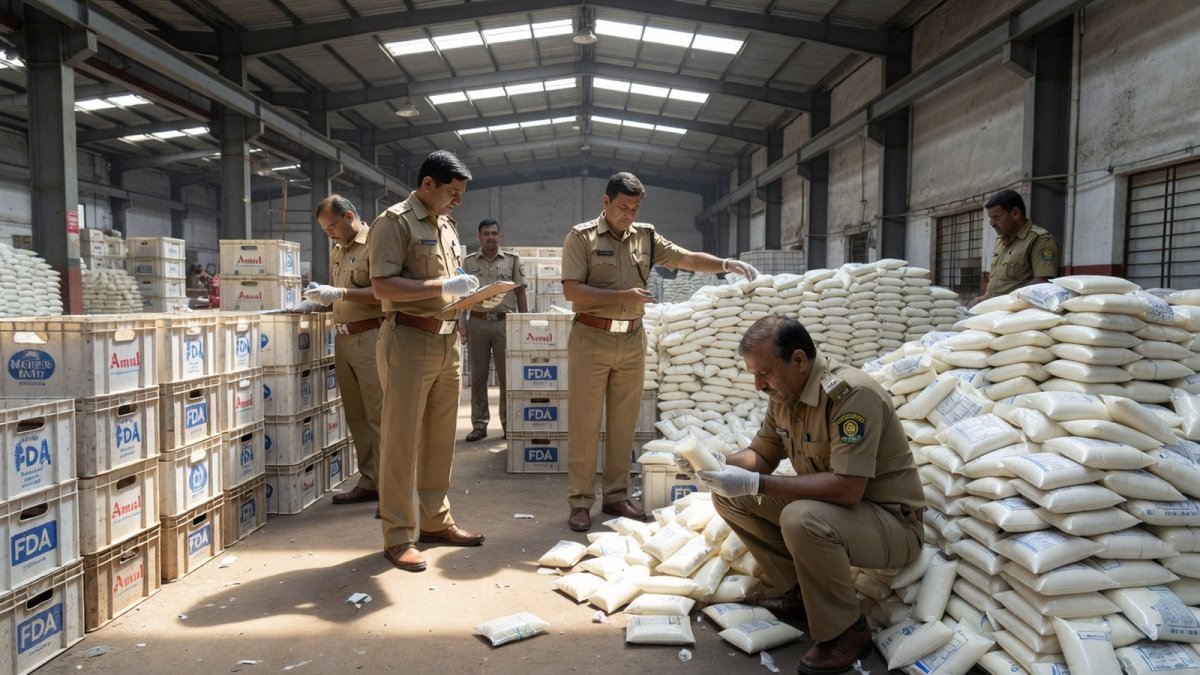
Maharashtra's food safety regulator has destroyed 4,710 litres of adulterated and suspect milk valued at Rs 1,85,780 in a coordinated crackdown across Navi Mumbai, marking the latest escalation in a statewide offensive against dairy adulteration that has already led to 13 arrests and the seizure of nearly 2,000 additional litres of milk this year. The action, confirmed by the Maharashtra Food and Drug Administration (FDA), comes as the state intensifies its annual festive-season campaign 'Tyohar Maharashtra Ka, Sankalp Khadya Suraksha Ka' (Festival of Maharashtra, Commitment to Food Safety), which runs from August 11 to October 25 to protect consumers during Ganeshotsav, Navratri, Dussehra, Diwali and Christmas.
Milk Adulteration Crackdown Intensifies: 4,710 Litres Destroyed in Navi Mumbai as Maharashtra FDA Targets Festive-Season Food Fraud
Mumbai, Maharashtra – August 25, 2026 — The destruction of 4,710 litres of suspect milk in Navi Mumbai is not an isolated incident but the visible edge of a systemic problem that threatens India's position as the world's largest milk producer. With Mumbai alone consuming roughly 30 lakh litres of milk every day, the city's supply chain is a critical public health artery, and the Maharashtra FDA's latest action underscores a regulatory push that has been building momentum since early July. FDA teams, acting on intelligence, raided multiple establishments across Navi Mumbai, seizing the adulterated stock and also discovering dairy units operating without valid food safety licences under the Food Safety and Standards Act, 2006.
Festive Season Campaign Targets Heightened Adulteration Risk
The Navi Mumbai raids are the latest salvo in the FDA's annual campaign 'Tyohar Maharashtra Ka, Sankalp Khadya Suraksha Ka', a 76-day operation that runs from August 11 to October 25. The timing is deliberate: demand for milk, paneer, khoya, and sweets surges dramatically during Ganeshotsav, Navratri, Dussehra, and Diwali, creating a lucrative window for adulterators. The 2025 edition of the campaign provides a stark baseline for the current drive. In that period, FDA officials inspected 42 food establishments, collected 55 food samples for laboratory testing, and destroyed 218 kg of cheese analog at Antop Hill — a product valued at Rs 54,625 that was seized with police assistance because it was being sold without labels and passed off as paneer. In a separate case at Dahisar, the FDA destroyed 478 litres of milk after catching an adulterator mixing milk from different brands to mask quality defects. FDA Joint Commissioner (Food) Mangesh Mane confirmed these figures, which illustrate the pattern of fraud the current campaign is designed to disrupt.
Statewide Crackdown: From Synthetic Milk to Seized Dairy Products
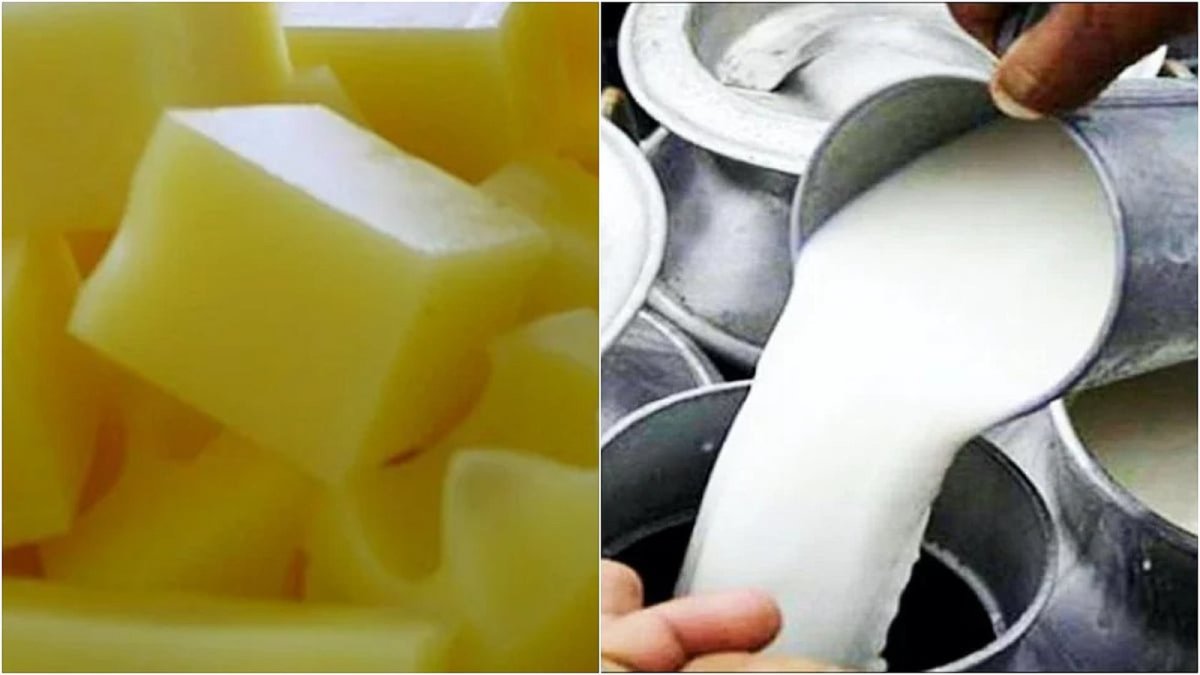
The 2026 campaign builds on a year of aggressive enforcement led by FDA Commissioner Tukaram Mundhe. On July 4-5, 2026, the FDA busted a synthetic milk racket operating across five districts of Maharashtra, uncovering a production process that used shampoo, detergents, and palm oil to create a milk-like substance. Thirteen persons were arrested in that operation, according to the Hindustan Times. Just days later, on July 9, 2026, a statewide crackdown seized nearly 2,000 litres of milk and 320 kg of dairy products, including basundi and ice cream, as reported by the Indian Express. The cumulative effect of these actions — combined with the 4,710 litres destroyed in Navi Mumbai — signals a regulator that has moved from reactive sampling to proactive intelligence-led raids.
Public Health Stakes: What Adulterated Milk Means for Consumers
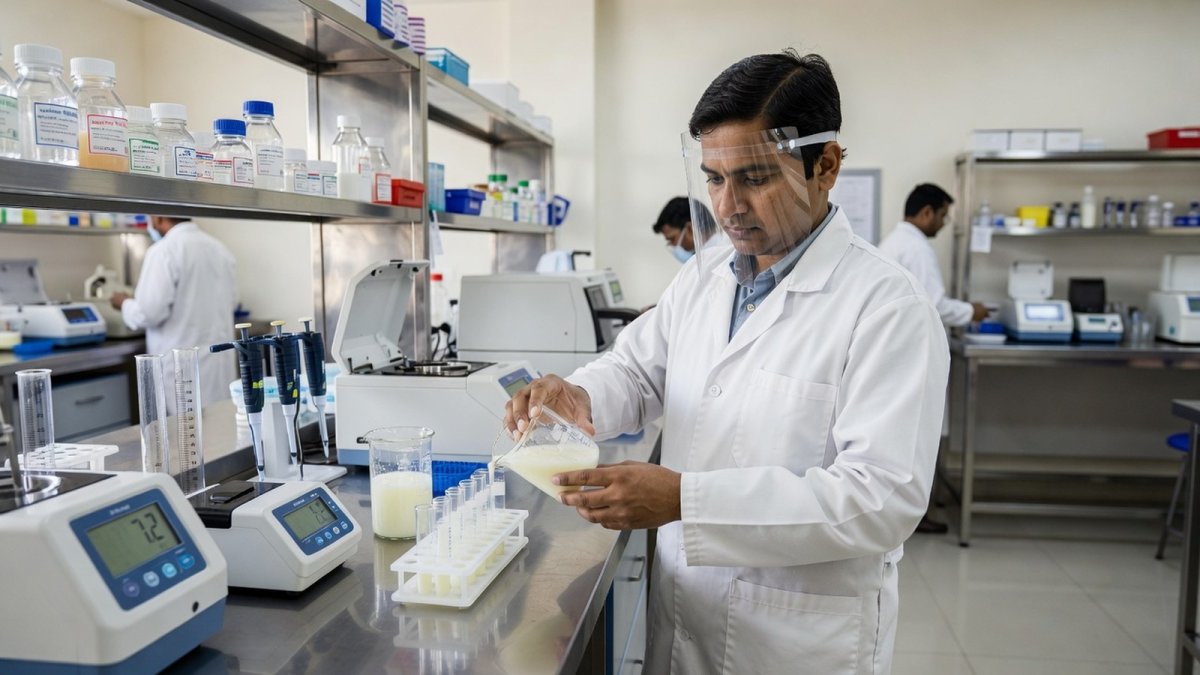
The health implications of milk adulteration are severe and well-documented. The Food Safety and Standards Authority of India's (FSSAI) 2018 National Milk Safety and Quality Survey found adulterants such as urea, detergent, hydrogen peroxide, and starch in approximately 6 per cent of samples tested nationwide. While 6 per cent may appear modest, in a country producing roughly a quarter of global milk output — with per-capita availability crossing 470 grams a day — the absolute volume of contaminated product is enormous. Detergent and urea, the most commonly detected adulterants, can cause gastrointestinal distress in the short term. Chronic exposure carries far graver risks: kidney and liver damage over time, with children and the elderly being the most vulnerable populations. The synthetic milk racket busted in July, which used shampoo and palm oil, represents an even more dangerous category of fraud, as these substances are not merely adulterants but industrial chemicals never intended for human consumption.
Regulatory Framework and Penalties Under Indian Law
The legal backbone for these actions is the Food Safety and Standards Act, 2006, which consolidates food safety regulation in India. Section 59 of the Act specifically addresses adulteration, prescribing penalties that include imprisonment and fines. The Maharashtra FDA's willingness to destroy seized product — rather than merely impounding it pending legal proceedings — reflects a policy of zero tolerance that has been reinforced by Commissioner Mundhe's leadership. The destruction of 4,710 litres valued at Rs 1,85,780 is a financial blow to the operators involved, but the regulatory message extends beyond the immediate loss. By also flagging dairy units operating without valid food safety licences, the FDA is targeting the structural weakness that allows adulteration to flourish: unlicensed, unregulated production facilities that operate outside the formal inspection system.
Consumer Vigilance and the Role of the FSSAI Helpline
For the average Indian consumer, the FDA's actions are a necessary but insufficient safeguard. Officials urge citizens to check labels meticulously — manufacturing date, best-before date, batch number, and licence details — before purchasing milk and dairy products. The FSSAI toll-free helpline, 1800 222 365, is available for consumers who suspect food adulteration, and the regulator has consistently encouraged citizens to report suspicious products rather than silently accepting them. The advice to avoid buying sweets or food from roadside vendors, while difficult to follow during festive seasons when street-side stalls proliferate, is grounded in the reality that unlicensed vendors operate outside the traceability net. The Navi Mumbai raids, which specifically targeted unlicensed dairy units, demonstrate that the risk is concentrated in precisely these informal channels.
Economic and Structural Implications for India's Dairy Sector
The crackdown carries significant economic implications for India's dairy economy, which is the world's largest. The destruction of 4,710 litres is a minor fraction of Mumbai's daily consumption of 30 lakh litres, but the reputational damage to the sector from repeated adulteration scandals is substantial. India's dairy industry has been positioning itself as a global supplier of value-added products, yet incidents of synthetic milk production and detergent-laced milk undermine consumer confidence both domestically and in export markets. The FDA's intensified enforcement, while necessary, also exposes a deeper structural issue: the gap between India's massive informal dairy production network and the formal regulatory apparatus. The 2025 campaign's finding of 26 substandard and 11 unsafe samples out of 2,369 collected by October of that year — from 1,594 establishments checked — suggests that the problem is not isolated to a few bad actors but is embedded in a production system that requires continuous, costly vigilance.
The Bottom Line
The destruction of 4,710 litres of adulterated milk in Navi Mumbai is a decisive regulatory action, but it is also a reminder of the scale of the challenge. With the festive season campaign running until October 25, the Maharashtra FDA has committed to sustained enforcement, and the data from 2025 — 1,594 establishments checked, 2,369 samples collected — indicates the operational tempo required to make a meaningful dent in adulteration. For Indian consumers, the message is clear: vigilance at the point of purchase is as important as regulatory action at the point of production. For the dairy sector, the crackdown is both a warning and an opportunity — a chance to formalize supply chains and rebuild trust in a product that remains central to India's nutrition and economy. The 13 arrests in July and the destruction of nearly 7,000 litres of milk across two operations in 2026 demonstrate that the FDA, under Commissioner Mundhe, is no longer treating adulteration as a minor infraction but as a public health crime. The question now is whether the industry will match this regulatory resolve with self-policing, or whether the next festive season will bring another round of seizures, another set of arrests, and another reminder that India's milk — the lifeblood of its daily nutrition — remains vulnerable to those who would poison it for profit.
— By Dr. Raj Patel, Staff Writer
This article was produced with AI-assisted research and editorial support. Reporting is based on sources cited in the article.
What's Your Reaction?
 Like
0
Like
0
 Dislike
0
Dislike
0
 Love
0
Love
0
 Funny
0
Funny
0
 Wow
0
Wow
0
 Sad
0
Sad
0
 Angry
0
Angry
0

India/South Asia Correspondent at Global1.News. Analytical voice with a background in science and health journalism. Based in New Delhi, covering Indian politics, education, healthcare, technology, and policy. Breaks down complex data into clear, actionable reporting.














Comments (0)