
Mexico gears up for Independence Day with a military parade, concerts and of course the Grito — all set for Sept. 15-16
As Mexico prepares to celebrate the 216th anniversary of its independence, the nation’s streets, plazas and even its military bases are buzzing with activity.
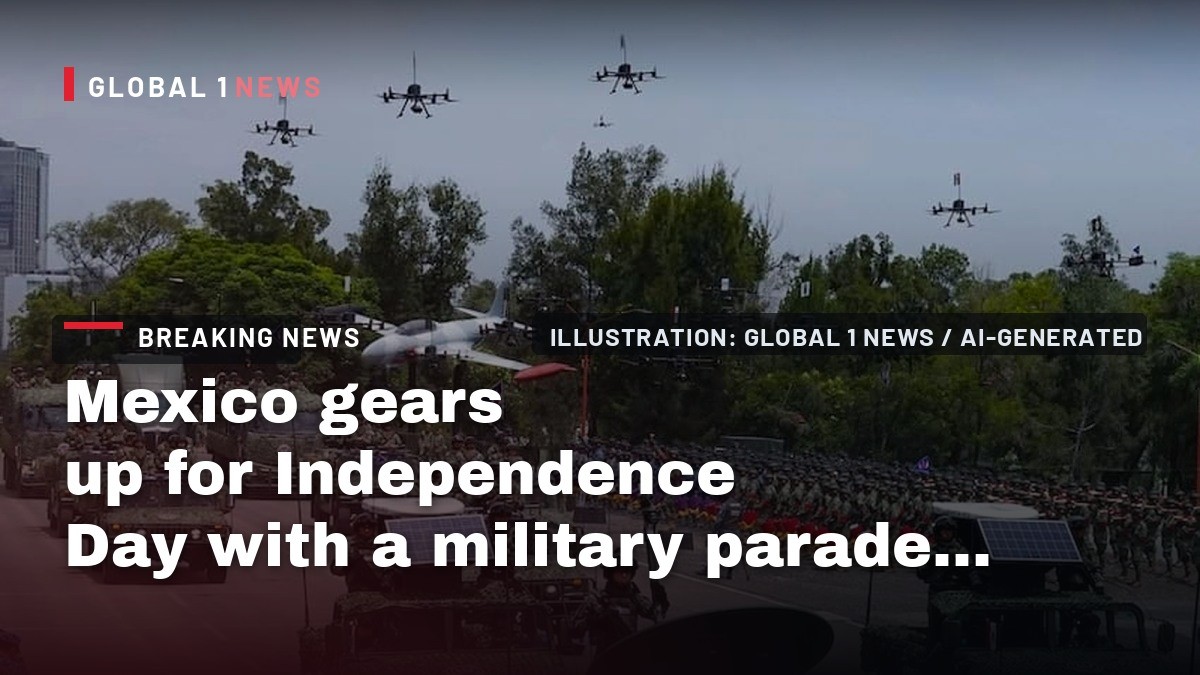
As Mexico prepares to celebrate the 216th anniversary of its independence, the nation’s streets, plazas and even its military bases are buzzing with activity. More than 18,000 members of the armed forces are rehearsing for a grand parade that will wind through the heart of Mexico City on September 16, while families in towns from Dolores Hidalgo to San Miguel de Allende ready their own festivities. The upcoming celebrations weave together historic memory, civic pride and a vivid display of modern military might, offering a lens through which to see how the country balances tradition and state power in everyday life.
Logistics of a national spectacle
Defense Secretary Gen. Ricardo Trevilla Trejo spent Wednesday reviewing the intricate logistics of the capital’s Independence Day parade. From a military base in Naucalpan, he outlined how the event will showcase a range of forces—Army, Navy, Air Force and National Guard—alongside cadets, pilots, engineers, medical workers, communications specialists, police and special forces. The inclusion of horses, dogs and even eagles adds a symbolic touch that echoes Mexico’s long‑standing reverence for the animal companions of the armed forces.
Designated as “Justice and Peace,” “Sentinels of the Nation,” “Crucible of Patriots” and “Roots of Honor,” the various contingents will march under banners that blend patriotic rhetoric with the language of public service. The parade’s route, a roughly five‑kilometer stretch, will begin at the Zócalo, pass iconic landmarks such as the Palacio de Bellas Artes, travel along Juárez Avenue and Paseo de la Reforma, and conclude at the Campo Marte military complex near Chapultepec Park. A flyover of nearly one hundred Air Force and National Guard aircraft, including F‑5 fighters performing a fleur‑de‑lis maneuver, will crown the spectacle at 10 a.m. on September 16.
The Grito and the president’s role
The night before the march, President Claudia Sheinbaum will lead the traditional Grito de Independencia from the National Palace balcony. This ritual, first sparked by Miguel Hidalgo in the early hours of September 16, 1810, remains a powerful moment when the nation collectively raises its voice against oppression. By standing on the same balcony where Hidalgo once called for rebellion, the president links contemporary governance to the historic struggle for liberty.
Across the capital’s 16 boroughs, municipal Grito ceremonies will echo the presidential address, reinforcing the notion that independence is not merely a national narrative but a lived experience in every colonia. The Grito’s resonance reaches beyond the capital, as governors and mayors replicate the tradition nationwide, reminding citizens that the spirit of 1810 lives on in local plazas, tianguis and community gatherings.
Music as a bridge between past and present
Music will pulse through the celebrations, turning the Zócalo into a stage for free concerts that draw crowds from all walks of life. Grammy‑winning Texas‑based band Intocable, known for its Norteño‑Tejano sound, will headline a free concert in the plaza, a nod to the cross‑border cultural currents that shape modern Mexican identity. Their repertoire, peppered with chart‑topping hits, underscores how regional Mexican music continues to dominate the airwaves.
Joining Intocable are norteño‑banda group Calibre 50, celebrated for a record number of No. 1 hits on Billboard’s regional Mexican chart, and Sinaloan balladeer Pancho Barraza, a fixture of the stage since the 1990s. Their presence highlights a continuity: the same melodies that once rallied peasants in ejidos now accompany a modern parade of armored vehicles and jet fighters, linking the past’s struggle to today’s expression of national pride.
Regional celebrations: from Dolores Hidalgo to San Miguel de Allende
In the historic town of Dolores Hidalgo, Guanajuato—where Hidalgo first rang the church bell to summon the people—the Independence Day festivities stretch across almost the entire month of September. Streets are adorned with flags, and local artisans, like the flagmakers in Otzolotepec, work tirelessly to supply the colorful symbols that flutter over homes and public squares.
Just a short drive away, San Miguel de Allende stages a reenactment of the 1810 uprising, allowing residents and visitors to step into the shoes of the original insurgents. These local events, while distinct from the capital’s grand parade, share a common thread: they transform history into a living, participatory experience that binds families, workers and migrants to a shared narrative of resistance and renewal.
The economic ripple of a national holiday
September 16 falls on a Wednesday in 2026, meaning the holiday does not create a three‑day weekend. Federal labor law designates the day a mandatory rest, prompting public schools, banks and many government offices to close. Private workplaces also observe the holiday, and employees required to work are entitled to premium holiday pay. This legal framework underscores the state’s commitment to protecting workers’ rights while also highlighting the economic impact of a nationwide pause.
Meanwhile, the influx of visitors to plazas, markets and cultural events stimulates local economies. Food fairs, municipal concerts and the bustling tianguis that line the streets provide vendors—often from modest families—an opportunity to sell traditional fare, crafts and souvenirs. The economic activity generated by the celebrations, though temporary, offers a brief but significant boost to small‑scale entrepreneurs who rely on seasonal demand.
Symbolism of military display in a democratic era
The parade’s inclusion of modern equipment, aircraft flyovers and special forces units signals a deliberate message from the armed forces: readiness, modernization and a role as guarantors of national security. Yet the event also intertwines these symbols of power with civilian festivities, suggesting a vision of the military as an integral part of civic life rather than a separate institution.
By naming contingents “Justice and Peace” and “Roots of Honor,” the defense establishment frames its presence in moral and historical terms, aligning the armed forces with the ideals of the independence movement. This framing invites citizens to view the military not merely as a tool of the state but as a protector of the very freedoms that were fought for in 1810, a narrative that resonates deeply in a country where the memory of colonial oppression remains vivid.
Looking ahead: the legacy of this year’s celebrations
As the parade rolls through the Zócalo and the Grito reverberates from the National Palace balcony, the 2026 Independence Day celebrations will be remembered not only for their spectacle but for the way they knit together Mexico’s diverse social fabric. From the flagmakers in Otzolotepec to the soldiers marching in formation, each participant contributes to a collective memory that reinforces national identity.
In the months that follow, the images of F‑5 fighters tracing the sky and the sounds of Intocable’s accordion will linger in the minds of families across the country. These moments, captured in photographs, social media posts and the stories told around kitchen tables, will become part of the ongoing narrative that links the sacrifices of Hidalgo’s ejido to the hopes of today’s workers, migrants and students. As Mexico moves forward, the 216th anniversary serves as both a reminder of past struggles and a beacon for future aspirations, urging the nation to continue marching toward a more just and peaceful future.
This article was produced with AI-assisted research and editorial support. Reporting is based on the source material cited below. Sources: Mexico News Daily; mexiconewsdaily.com; Global1.News (11 September 2026).
By Rosa Martinez, Staff Writer
What's Your Reaction?
 Like
1
Like
1
 Dislike
0
Dislike
0
 Love
0
Love
0
 Funny
0
Funny
0
 Wow
0
Wow
0
 Sad
0
Sad
0
 Angry
0
Angry
0

Latin America/Andes Correspondent at Global1.News. Based in Bogota, covering politics, environment, energy, and social movements across the Andean region. Passionate about environmental journalism and communities protecting their land.















Comments (0)