
Maharashtra Bans Loose Edible Oil; FDA Targets Bollywood Ads
Maharashtra’s Food and Drug Administration (FDA) has imposed an immediate statewide ban on the sale of loose, unpacked edible oil, a move that will reshape how millions of households in the state purchase cooking oil. In a parallel action, the regulator has issued show-cause notices to Bollywood actors Shah Rukh Khan, Ajay Devgn, and Tiger Shroff over their endorsement of Vimal Elaichi, which the FDA alleges is a surrogate advertisement for pan masala.
Maharashtra’s Food and Drug Administration (FDA) has imposed an immediate statewide ban on the sale of loose, unpacked edible oil, a move that will reshape how millions of households in the state purchase cooking oil. In a parallel action, the regulator has issued show-cause notices to Bollywood actors Shah Rukh Khan, Ajay Devgn, and Tiger Shroff over their endorsement of Vimal Elaichi, which the FDA alleges is a surrogate advertisement for pan masala.
Maharashtra FDA Bans Loose Edible Oil, Seizes 1.19 Lakh Kg in Beed, and Puts Bollywood Endorsers on Notice
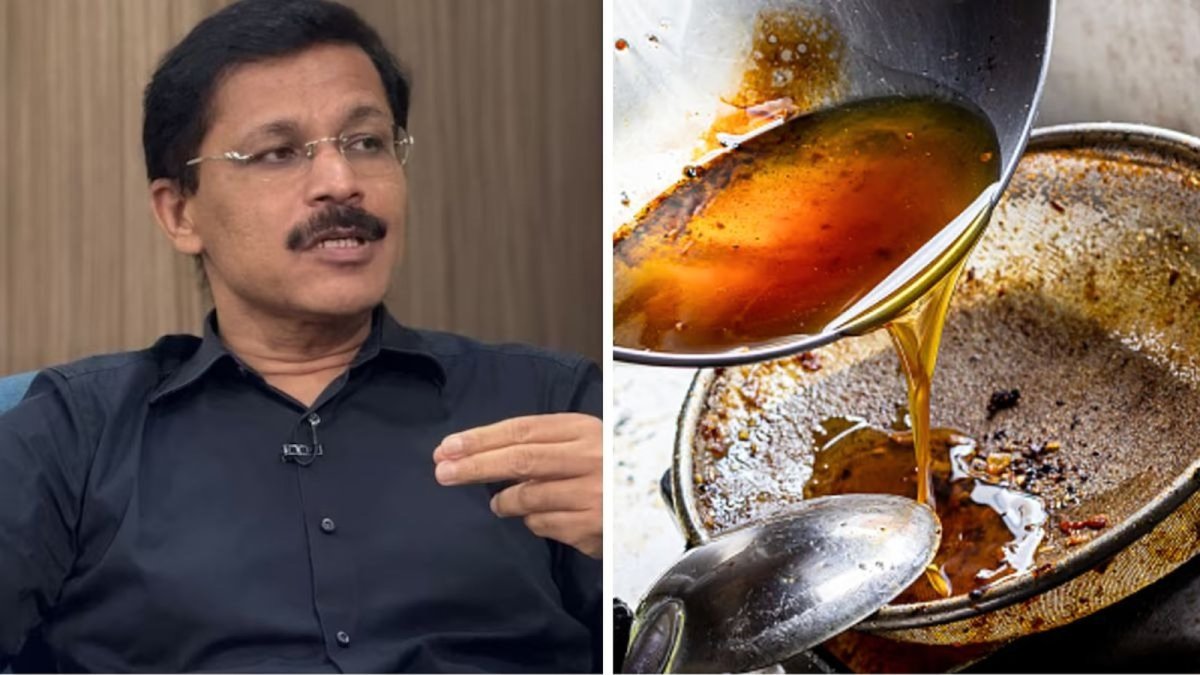
Mumbai, Maharashtra – August 22, 2026 — The Maharashtra FDA, led by Commissioner Tukaram Mundhe, announced on Thursday, August 20, 2026, a sweeping ban on the sale of loose edible oil across the state. The order, issued under the Food Safety and Standards (FSS) Act, 2006, takes effect immediately and binds the entire supply chain — from oil expeller units and solvent extraction plants to refiners, blenders, packaging units, importers, supermarkets, e-commerce platforms, transporters, and retail shops. Violations will attract prosecution and imprisonment of up to seven years under the FSS Act.
A 14-Clause Compliance Order Targeting the Entire Supply Chain
The FDA’s 14-clause enforcement order mandates that edible oil be sold only in "sealed, tamper-evident and fully labelled packages." This follows inspections that uncovered a litany of violations: unregistered companies operating without valid licences, adulteration with cheaper undeclared oils, oil exceeding acid value and trans-fat limits, unauthorised blending of mustard oil, relabelling and repackaging of near-expiry oil, and the use of non-food-grade packaging. Mustard oil, which must be sold as 100% pure and cannot be blended with other oils — a rule in force since June 8, 2021 — was a particular focus. The ban covers common household oils including groundnut, mustard, sunflower, rice bran, palm, coconut, and maize oil.
Data Behind the Crackdown: 1,247 Samples Tested, 77 Substandard
Maharashtra has 497 edible oil manufacturers — 212 centrally licensed and 285 state-licensed. Over the past year, the FDA tested 1,247 oil samples: 1,142 met standards, but 77 were substandard, 13 were unsafe, and 15 were misbranded. On August 11, 2026, the FDA seized 1,19,187.5 kg of edible oil valued at Rs 1.94 crore in Beed district and suspended licences of five establishments. Packaging violations were particularly egregious: the FDA found containers previously holding mineral oil, lubricants, paints, or chemicals being reused; spot-welded cans causing metallic contamination; single-use tin cans being recycled; rusted or improperly tinned vessels; and oil transported in tankers previously used for non-edible or hazardous materials. Loose oil, the regulator noted, lacks batch numbers or source details, making it nearly impossible to trace contamination back to its origin.
Health Risks: From Argemone to Lead and Trans-Fats
Commissioner Mundhe highlighted severe public health consequences of adulterated oil. Argemone contamination has previously caused epidemic dropsy outbreaks in India, resulting in heart failure, glaucoma, and death. Lead leaching from rusted and spot-welded cans acts as a cumulative toxin that impairs brain development in children. Trans-fatty acids and oxidative compounds formed in repeatedly heated oil are linked to atherosclerosis, hypertension, liver and kidney damage, stroke, and elevated cancer risk. The FDA also flagged Total Polar Compounds (TPC): oil with TPC exceeding 25% cannot be used, and fresh oil must not exceed 15% TPC. Used oil must be handed to authorised RUCO (Repurpose Used Cooking Oil) collectors and cannot re-enter the food chain.

What This Means for Indian Consumers
For Indian households — particularly lower-income families in states like Maharashtra who routinely buy small quantities of loose oil from local kirana stores — this ban is a significant shift. India is among the world's largest edible oil consumers, and loose oil has long been a cost-saving option. The FDA’s consumer advisory is clear: buy only sealed oil, check the label for batch number, packaging date, and Best Before date; refuse oil in old, rusted, or reused cans; and always ask for a purchase receipt or tax invoice. For multi-sourced edible oil, consumers should check the AGMARK logo and component percentages, and not rely on marketing claims like 'Super-Refined' or 'Double-Refined.' At home, the FDA advises against repeatedly reheating and reusing frying oil.
Penalties Under the FSS Act: Up to Rs 10 Lakh and Personal Liability
The enforcement framework under Chapter IX of the FSS Act is stringent. Unsafe food attracts imprisonment and fines up to Rs 10 lakh (Section 59). Substandard oil carries a penalty up to Rs 5 lakh; misbranded oil up to Rs 3 lakh. Possession of adulterants, operating without a valid licence, and misleading advertisements each attract penalties up to Rs 10 lakh. Critically, company directors, partners, and managers are personally liable. The FDA has directed all field officers to undertake effective, uniform, risk-based enforcement, with improvement notices and licence suspensions or cancellations initiated where necessary.

Bollywood Under Scrutiny: SRK, Devgn, and Shroff Served Notices
In a parallel action on August 11, 2026, the FDA issued show-cause notices to Shah Rukh Khan, Ajay Devgn, and Tiger Shroff over their Vimal Elaichi advertisement. The allegation: the campaign amounts to indirect or surrogate promotion of Vimal Pan Masala and tobacco-related products, which are prohibited in Maharashtra. The 'VIMAL' brand name in the elaichi ad, the FDA argues, creates an association with Vimal Pan Masala and could mislead consumers. Devgn was served at his Juhu residence, Khan at Mannat in Bandra, and Shroff through Tiger Shroff Productions LLP. The actors have 15 days from receipt to submit explanations and supporting documents, and may seek a personal hearing. They have been directed to immediately stop participating in or endorsing the ad, remove promotional material from official social media handles and websites, and not assist in broadcasting or disseminating the ad in any form.
Legal Framework and the Surrogate Advertising Battle
The notices cite the FSS Act 2006 Section 24 (restrictions on misleading food advertisements) and Section 53 (penalty for publishing or being party to a misleading food advertisement), along with the Food Safety and Standards (Advertising and Claims) Regulations 2018 and the Consumer Protection Act 2019 Section 21, which empowers the Central Consumer Protection Authority (CCPA) to direct discontinuation of misleading ads and impose penalties on endorsers. Penalties for endorsers can reach Rs 10 lakh, and up to Rs 50 lakh for subsequent contraventions. This action follows a July 13 prohibition order by the Maharashtra Food Safety Commissioner under Section 30(2)(a) of the FSS Act, in force for one year, covering specified tobacco, nicotine, and areca-nut-based prohibited food products. It is part of a wider FDA crackdown on gutka and tobacco-containing pan masala products.
The Bottom Line
The Maharashtra FDA’s twin actions — banning loose oil and targeting celebrity-endorsed surrogate advertising — signal a more aggressive regulatory posture under Commissioner Mundhe, an IAS officer known for his strict enforcement record despite 25 transfers in 21 years. For Indian consumers, the loose oil ban addresses a long-standing food safety gap: the inability to trace adulterated oil to its source. For the advertising industry, the Vimal Elaichi notices underscore that the Consumer Protection Act 2019 has teeth when it comes to endorser liability. As the FDA’s 'Safe Food, Safe Drugs, Safe Maharashtra' campaign gathers momentum, the message is clear: food safety enforcement in India is moving from paper to practice, and both manufacturers and celebrities will be held accountable. The India Today video, "Maharashtra Cracks Down On Adulterated Edible Oil, Bollywood Stars Under Scanner," premiered on August 21, 2026, captures the scale of this regulatory sweep.
This article was produced with AI-assisted research and editorial support. Sources: India Today, Times of India, Business Today, Mint, The Tribune, Mirror Now.
— By Dr. Raj Patel, Staff Writer
What's Your Reaction?
 Like
0
Like
0
 Dislike
0
Dislike
0
 Love
0
Love
0
 Funny
0
Funny
0
 Wow
0
Wow
0
 Sad
0
Sad
0
 Angry
0
Angry
0

India/South Asia Correspondent at Global1.News. Analytical voice with a background in science and health journalism. Based in New Delhi, covering Indian politics, education, healthcare, technology, and policy. Breaks down complex data into clear, actionable reporting.












Comments (0)