
KREA 2 LoRA Training: Custom AI Models for Creators
KREA AI just dropped a game-changer that puts serious power back in the hands of everyday creators. Their new LoRA training feature for the already formidable KREA 2 model lets users build custom models for consistent characters and artistic styles without needing a data center. This isn't vaporware hype; it's a practical tool built on AI-Toolkit that slashes the barrier betwee
KREA AI just dropped a game-changer that puts serious power back in the hands of everyday creators. Their new LoRA training feature for the already formidable KREA 2 model lets users build custom models for consistent characters and artistic styles without needing a data center. This isn't vaporware hype; it's a practical tool built on AI-Toolkit that slashes the barrier between big labs and solo artists.
KREA 2 LoRA Training Opens Custom AI Image Generation to Everyone
Atlanta, GA – July 5, 2026 — KREA AI has released LoRA training capabilities for its KREA 2 open image generation model, allowing users to train personalized Low-Rank Adaptation models on their own datasets for consistent character generation and artistic styles. The feature integrates directly with AI-Toolkit and comes with a detailed tutorial from Aitrepreneur covering dataset preparation, captioning, configurable settings, and testing workflows.
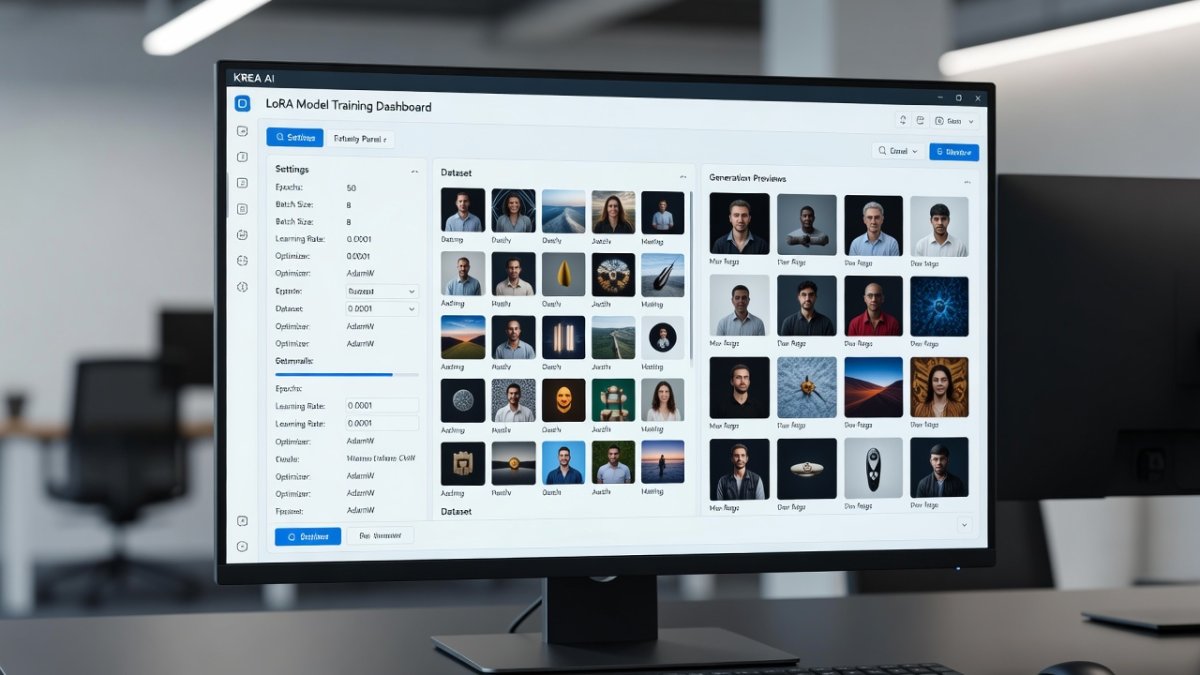
The Power Behind KREA 2
KREA 2 stands out among open models for its creativity and visual quality, already competing in a market dominated by Midjourney, DALL-E, and Stable Diffusion variants. The base model delivers strong results out of the box, but the new LoRA addition transforms it from a generalist tool into a personalized engine. Users no longer have to accept generic outputs when they can train on specific likenesses or styles they care about.
How LoRA Training Actually Works
LoRA training fine-tunes the model using low-rank adaptation matrices instead of retraining the entire network. This approach keeps resource requirements low while delivering targeted improvements for characters or artistic styles. The process runs through AI-Toolkit with adjustable parameters for learning rate, batch size, and epochs, giving users control without requiring enterprise hardware. Aitrepreneur's tutorial walks through preparing datasets, writing captions, configuring those settings, and validating the resulting models through test generations.
Why This Matters for Individual Creators
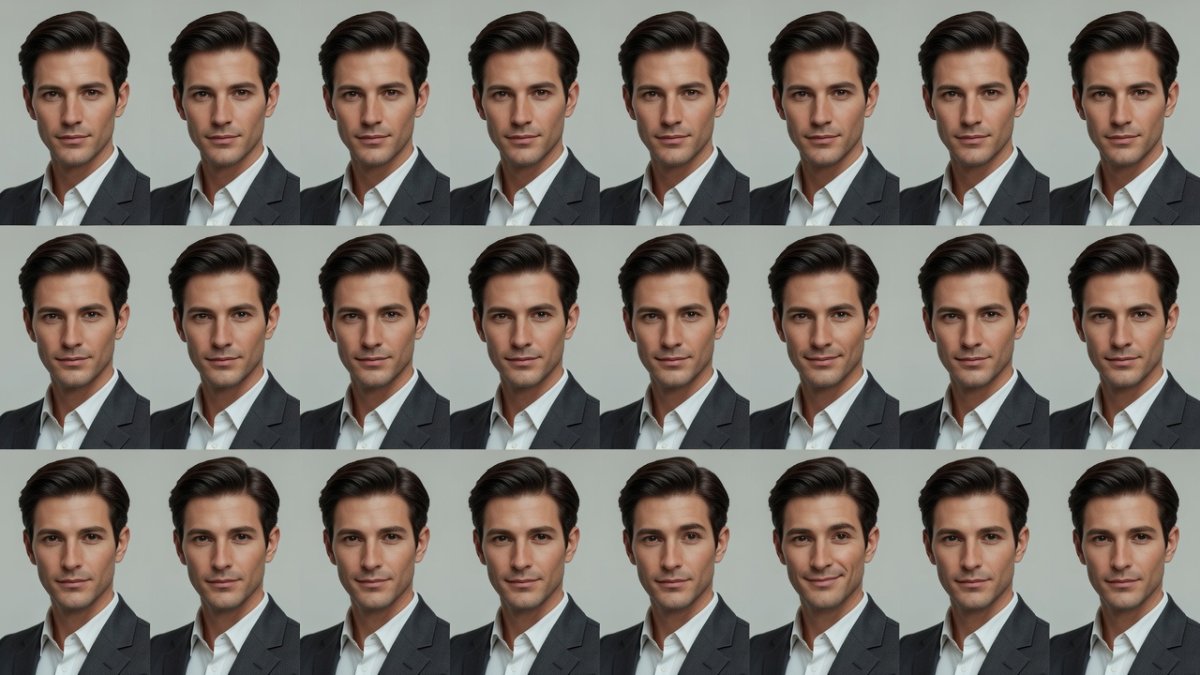
Until now, high-quality custom models largely belonged to organizations with massive compute budgets. KREA 2's LoRA feature flips that dynamic. A single artist can now train a reliable character model on a modest dataset and generate consistent results across sessions. The same applies to artistic styles, letting illustrators replicate their own aesthetic without starting from scratch every time. This efficiency stems directly from the LoRA method's design, which updates only a small subset of parameters.
The Broader Generative AI Landscape
KREA AI operates in a crowded field that includes Midjourney's stylized outputs, OpenAI's DALL-E iterations, and the open-source Stable Diffusion ecosystem. What separates this release is the combination of an already creative base model with accessible fine-tuning. The AI image generation market continues to expand rapidly as tools mature and new capabilities like this emerge. KREA 2 was already noted for pushing creative boundaries; adding LoRA training amplifies that advantage for users who want repeatable, personalized results.

Authenticity Concerns Meet New Creative Freedom
Any advance in AI image tools raises questions about authenticity and provenance. As custom models proliferate, distinguishing human-created work from AI-assisted output becomes more complex. At the same time, the technology hands creators unprecedented control over their visual identity. The same tool that could generate misleading content also lets artists protect and extend their signature styles with precision.
What This Means
KREA 2's LoRA training represents a meaningful shift toward democratized model customization. By lowering the technical and financial barriers, it moves advanced fine-tuning from corporate labs to individual studios and bedrooms. The efficiency of the LoRA approach combined with KREA 2's existing strengths creates a platform where personal vision can be encoded and reused at scale. This is the kind of development that accelerates the entire field while forcing ongoing conversations about responsible use and disclosure.
The release signals that open models are no longer just alternatives to closed systems; they are becoming the foundation for personalized creative workflows. Creators who invest time in dataset preparation and testing now have a direct path to consistent, high-quality results tailored to their needs. KREA AI has delivered a practical upgrade that rewards both technical curiosity and artistic intent.
By Jessica Ali, Staff Writer
This article was produced with AI-assisted research and editorial support. Reporting is based on sources cited in the article.
What's Your Reaction?
 Like
0
Like
0
 Dislike
0
Dislike
0
 Love
0
Love
0
 Funny
0
Funny
0
 Wow
0
Wow
0
 Sad
0
Sad
0
 Angry
0
Angry
0

Editor-in-Chief at Global1.News. Atlanta-based journalist who cuts through the BS and tells it like it is. Lead anchor, host, and the voice you hear when the spin stops and the truth starts.














Comments (0)