
Karnataka FDA Suspends Amazon, Swiggy Instamart, BigBasket Food Licences Over Datura Sales
The Karnataka Food Safety and Drug Administration Department has suspended the food business licences of three of India’s largest e-commerce platforms — Amazon, Swiggy Instamart and BigBasket — after inspections revealed that highly toxic Datura (Dhatura) fruits and seeds were being listed, stored and sold on their platforms as food products.
The Karnataka Food Safety and Drug Administration Department has suspended the food business licences of three of India’s largest e-commerce platforms — Amazon, Swiggy Instamart and BigBasket — after inspections revealed that highly toxic Datura (Dhatura) fruits and seeds were being listed, stored and sold on their platforms as food products. The suspension order, issued on August 25, 2026, by Food Safety Commissioner K Srinivas, marks one of the most aggressive regulatory actions against online food retail in the country, targeting platforms that collectively serve millions of urban Indian households.
Karnataka FDA Suspends Amazon, Swiggy Instamart, BigBasket Food Licences Over Poisonous Datura Sales — A Landmark Action on E-Commerce Food Safety
Bengaluru, Karnataka – August 27, 2026 — The Karnataka Food Safety and Drug Administration Department has suspended the food licences of Amazon, Swiggy Instamart and BigBasket "until further orders" after food safety officials discovered packets of Datura fruits and seeds carrying FSSAI food registration numbers, stored in warehouses and listed for sale through these online platforms. The action, taken under the Food Safety and Standards Act, 2006, and the Food Safety and Standards Rules, 2011, represents a decisive regulatory intervention in India’s rapidly expanding e-commerce food delivery and grocery market.
The Regulatory Action — What Exactly Happened
Food Safety Commissioner K Srinivas issued the suspension order on August 25, 2026, directing Amazon, Swiggy Instamart and BigBasket to immediately remove all listings and advertisements for Datura, also known as Dhatura, and to cease the sale or distribution of the products for human consumption. The order followed inspections during which officials found packets of Datura fruits and seeds bearing FSSAI food registration or licence numbers, indicating that the products had been processed through the formal food supply chain. The products were also found physically stored in a warehouse, ready for dispatch through the platforms’ logistics networks.
The department’s position is unambiguous: collecting, selling or distributing Datura fruits or seeds as food is unlawful given their poisonous nature. The order also suspended the licences and registrations of the sellers and establishments supplying Datura to these platforms, and directed both state and central food-safety officials to initiate further action against all parties involved in the supply chain.
The Poisonous Nature of Datura — A Public Health Emergency
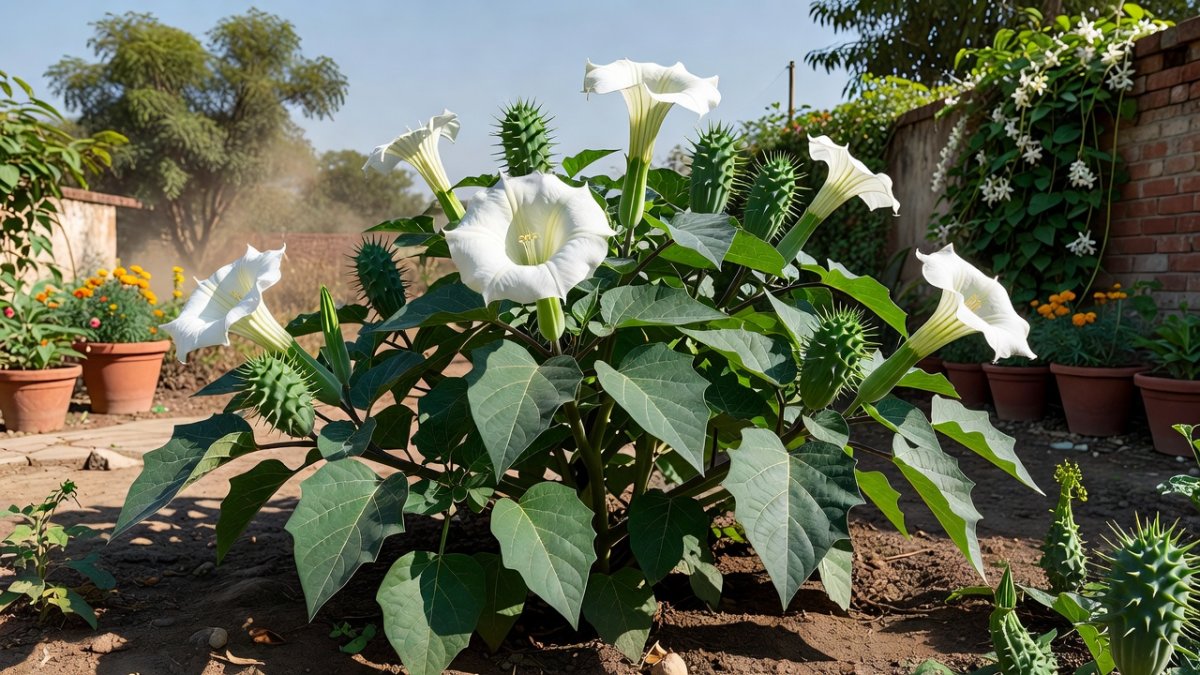
Datura, known globally as jimsonweed, devil's trumpet or thorn apple, is one of the most dangerous plants commonly found across India. The entire plant — including its spiny fruits and seeds — is highly toxic and can cause severe poisoning and death if consumed. The plant contains tropane alkaloids — atropine, scopolamine and hyoscyamine — which are potent anticholinergics. The toxicological data is stark: roughly 50 to 100 seeds contain 3 to 6 milligrams of atropine, and each individual seed contains approximately 0.1 milligram of atropine. For context, a dose of just 10 milligrams of atropine can be fatal in adults.
The symptoms of Datura poisoning are severe and rapid in onset. Victims experience hallucinations, dry mouth, rapid heartbeat, confusion, dilated pupils (mydriasis), blurred vision and urinary retention. At higher doses, the poisoning progresses to seizures, coma and death. The fact that these products were being sold as food items — not as herbal supplements or ritual materials — elevates the public health risk to an emergency level. In a country where accidental Datura poisoning already claims lives every year, particularly in rural areas, the availability of these seeds through mainstream e-commerce platforms represents a systemic failure of food-safety oversight.
What This Means for India
This action by the Karnataka FDA is a watershed moment for India’s food-safety framework and its booming e-commerce sector. India’s online food delivery and grocery market has expanded at an extraordinary pace, with platforms such as Amazon, Swiggy Instamart and BigBasket carrying thousands of FSSAI-registered food products to consumers in Bengaluru, Delhi, Mumbai and beyond. The convenience of one-hour grocery delivery and next-day e-commerce has transformed urban consumption patterns, but this incident exposes a critical vulnerability: the verification of what is actually being sold under FSSAI registration numbers.
For Indian consumers, this is a direct threat to public health. The FSSAI regulations require all food business operators to obtain a licence or registration, and selling poisonous substances as food is a serious violation under the FSS Act, 2006. Yet, Datura packets with FSSAI numbers were found in the supply chain. This raises fundamental questions about how FSSAI registrations are being obtained, whether the numbers are genuine or misused, and whether platforms are conducting adequate due diligence on their sellers. The Karnataka FDA’s decision to suspend the licences of the platforms themselves — not just the sellers — signals that regulators now hold marketplaces accountable for the products they enable to be sold.
Platform Accountability — The New Regulatory Frontier
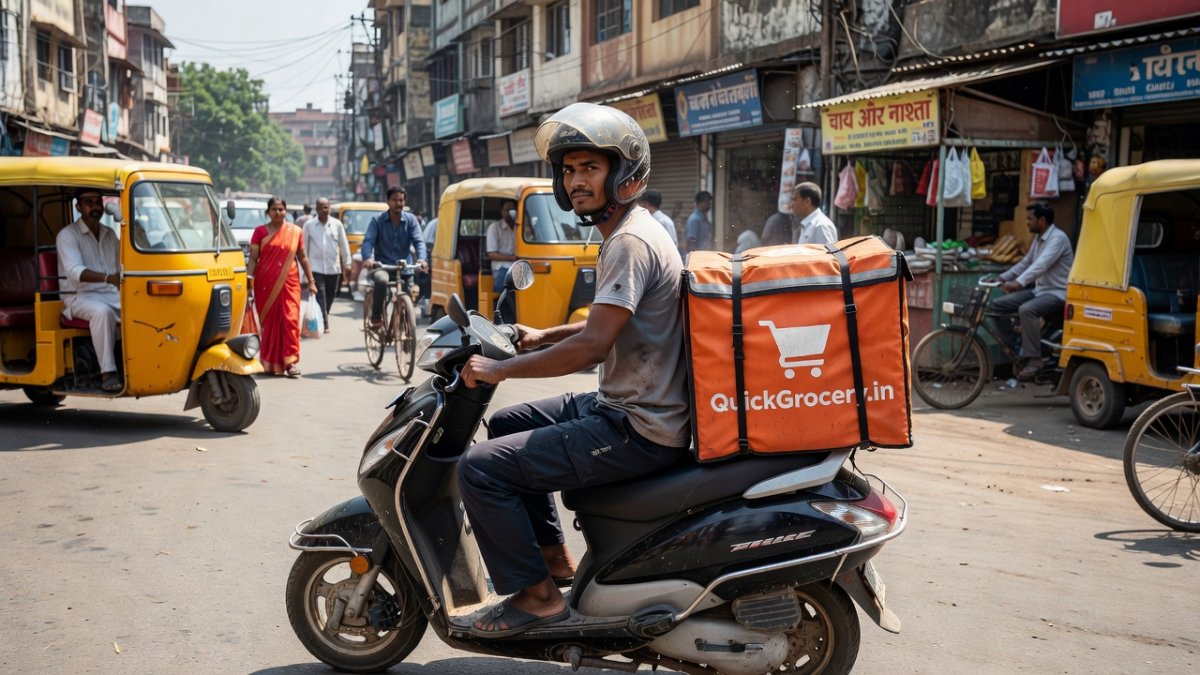
The suspension of licences for Amazon, Swiggy Instamart and BigBasket is a significant escalation in the regulatory treatment of e-commerce platforms. Previously, food-safety actions in India have largely targeted individual manufacturers, wholesalers or retailers. By suspending the licences of the platforms themselves, the Karnataka FDA is establishing a legal precedent: online marketplaces are not neutral technology intermediaries; they are food business operators with direct responsibility for the safety of products sold through their infrastructure.
Representatives of the three companies appeared before the adjudicating authority on Monday, August 24, 2026, according to the Commissioner’s order. The platforms were asked to submit compliance reports over the suspension order immediately. This timeline — inspections, discovery, suspension, and a hearing within days — demonstrates that the Karnataka FDA is moving with unusual speed. The fact that the order was issued "until further orders" means the platforms’ food licences remain suspended indefinitely until they can demonstrate robust compliance mechanisms to prevent the listing and sale of toxic substances.
For the e-commerce industry, this is a moment of reckoning. The platforms have built vast logistics networks and seller onboarding systems that prioritise scale and speed. The discovery of Datura in this pipeline suggests that automated listing systems and seller verification processes are not adequately screening for products that are categorically unsafe for human consumption. The financial implications are substantial: a suspension of food licences in Karnataka, one of India’s most lucrative consumer markets, directly impacts revenue, consumer trust and investor confidence.
Expert Perspectives — Toxicological and Legal Analysis
Public health experts in India have long warned about the dangers of Datura, particularly its misuse in traditional practices. Datura is traditionally used in religious rituals, ornamental gardening and some Ayurvedic practices, but only in extremely diluted mixtures in Ayurvedic medicines. The plant’s tropane alkaloids are so potent that even small errors in preparation can be fatal. The presence of Datura fruits and seeds on e-commerce platforms, packaged as food products with FSSAI numbers, suggests either a profound ignorance of toxicology or a deliberate attempt to circumvent regulations.
Legal experts point out that the action under the Food Safety and Standards Act, 2006, and the Food Safety and Standards Rules, 2011, provides the Karnataka FDA with broad powers. The Act empowers state food safety commissioners to suspend licences, seize products, and initiate prosecution against violators. The decision to suspend the platforms’ licences, rather than merely issuing fines or removal orders, indicates that the department views this as a systemic violation rather than an isolated incident. The direction to state and central food-safety officials to take further action suggests that this case may expand beyond Karnataka, potentially triggering nationwide inspections of e-commerce food listings.
The Regulatory Road Ahead — Compliance and Enforcement
The immediate road ahead for Amazon, Swiggy Instamart and BigBasket involves submitting compliance reports to the Karnataka FDA and demonstrating that they have removed all Datura listings, identified the sellers involved, and implemented mechanisms to prevent recurrence. The suspension of seller licences and registrations means that the individuals and establishments supplying Datura will face their own adjudication processes. For the platforms, the challenge is not just regulatory compliance but rebuilding consumer confidence in the safety of their food offerings.
This case also raises broader questions about the FSSAI’s capacity to regulate the digital food economy. With thousands of FSSAI-registered food products listed on these platforms, the regulator faces an enormous monitoring burden. The Karnataka FDA’s action demonstrates that state-level enforcement can be effective, but it also highlights the need for a coordinated national response. The FSSAI may need to issue new guidelines specifically addressing the responsibilities of e-commerce platforms in verifying the safety of products before listing, including mandatory toxicological screening for products that are known to be poisonous.
For Indian consumers, the message is clear: the convenience of online food delivery comes with risks that regulators are only beginning to address. The Karnataka FDA’s action is a protective measure, but it is also a warning. Consumers must remain vigilant about what they purchase online, and platforms must be held to the highest standards of food safety. The suspension of licences for Amazon, Swiggy Instamart and BigBasket is not the end of this story — it is the beginning of a new era of accountability for India’s e-commerce food sector.
The Bottom Line
The Karnataka FDA’s suspension of food licences for Amazon, Swiggy Instamart and BigBasket over the sale of toxic Datura fruits and seeds is a landmark enforcement action that underscores the dangers lurking in India’s rapidly digitising food supply chain. With each Datura seed containing approximately 0.1 milligram of atropine, and 50 to 100 seeds carrying a potentially lethal dose, the public health stakes could not be higher. The action by Food Safety Commissioner K Srinivas, taken under the FSS Act, 2006, sends a definitive signal that platforms enabling the sale of poisonous substances as food will face severe consequences. As India’s e-commerce food market continues to expand, the responsibility for ensuring food safety must be shared equally by regulators, platforms and sellers. The Karnataka FDA has drawn a clear line — and the entire industry is now on notice.
— By Dr. Raj Patel, Staff Writer
This article was produced with AI-assisted research and editorial support. Reporting is based on sources cited in the article.
What's Your Reaction?
 Like
0
Like
0
 Dislike
0
Dislike
0
 Love
0
Love
0
 Funny
0
Funny
0
 Wow
0
Wow
0
 Sad
0
Sad
0
 Angry
0
Angry
0

India/South Asia Correspondent at Global1.News. Analytical voice with a background in science and health journalism. Based in New Delhi, covering Indian politics, education, healthcare, technology, and policy. Breaks down complex data into clear, actionable reporting.














Comments (0)