
Israeli Ministers Defy Court Order on Crocodile Moat at Ketziot Prison
Israeli ministers toured crocodile trenches at Ketziot Prison defying a 2 August court order. The plan involves reclassifying Nile crocodiles and allocating 21 million shekels for a moat around a wing holding Palestinian detainees. Prisoner numbers have risen 83 percent since October 2023, reaching over 9,600. Expert warnings and legal challenges persist while Hamas threatens to withdraw from Gaza understandings.
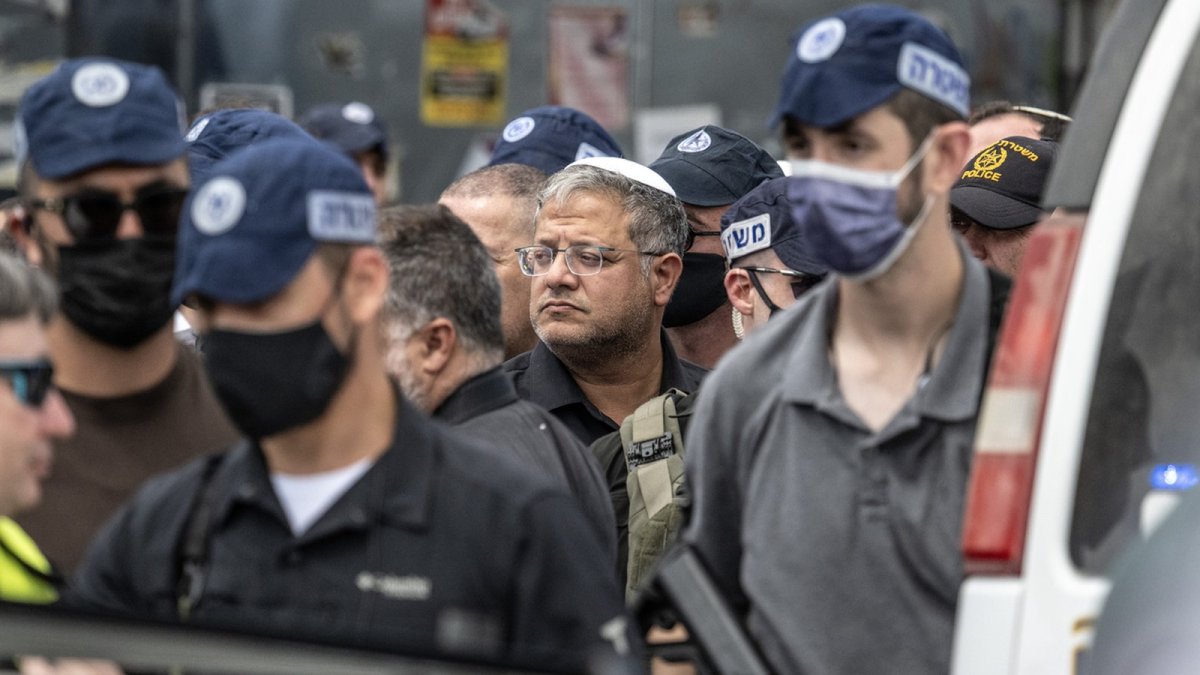
In a striking assertion of executive will, senior Israeli officials have advanced an unorthodox prison security scheme even as judges weigh its legality, spotlighting tensions between deterrence tactics and judicial oversight.
Israeli Ministers Defy Court Order on Crocodile Moat at Ketziot Prison
Ramallah, Occupied West Bank — Israel's far-right National Security Minister Itamar Ben-Gvir, accompanied by Environmental Protection Minister Idit Silman, inspected trenches prepared for crocodiles at Ketziot Prison despite a temporary court order halting the project. The tour focused on a wing housing Palestinian detainees whom Israeli authorities claim belong to Hamas' Nukhba unit. Excavation work for the moat system continues even as legal challenges remain unresolved.
The Court Order and the Defiance
The Jerusalem District Court issued the injunction on 2 August after the animal rights group Let the Animals Live filed a petition against the project. The petition argued that reclassifying Nile crocodiles ignored expert advice and exceeded legal authority. Ben-Gvir stated during the visit that the court had issued an order and continued to put obstacles in the way of the plan, adding that there would be crocodiles and the battle would continue in court.
The decision by a sitting minister to tour an active construction site while a temporary injunction remains in place raises direct questions about the separation of powers. Such public actions test whether executive officials can proceed with projects under judicial review without consequence. The pending ruling will determine if the reclassification of Nile crocodiles stands or if the entire moat project must halt, affecting both the allocation of public funds and the conditions at Ketziot Prison.
Ben-Gvir has repeatedly positioned himself against court interventions in security matters, creating a pattern where ministerial statements precede or contradict legal processes. This approach shifts focus from the merits of the injunction to broader disputes over judicial authority. The pattern could influence how future cases involving prison infrastructure are handled.
Let the Animals Live argues that the reclassification of Nile crocodiles from protected status exceeded the ministry's legal mandate. The group maintains that the move was tailored to enable the moat rather than serve any established conservation purpose. The court must weigh whether administrative reclassification can be used to advance a specific security project already under challenge.
The outcome carries implications for Palestinian detainees held at Ketziot, whose conditions would be shaped by the completed structure if the injunction is lifted. Legal proceedings continue to examine whether the plan complies with existing protections against degrading treatment.
What the Ministers Said
Ben-Gvir described the intended presence of crocodiles around the prison perimeter while acknowledging the court suspension. Silman, who joined the tour after meetings on relocating crocodiles, addressed the detainees directly. She stated that anyone who attacks Israeli people should know they will end up spending the night in a place surrounded by crocodiles.
How the Plan Was Built
Environment Minister Idit Silman reclassified Nile crocodiles as a tended wild species last month, removing their protected status to allow relocation to the moat at Ketziot Prison. Israel's Nature and Parks Authority had previously found no professional or scientific justification for using crocodiles in a prison security system and warned of risks to wildlife and the public. The National Security Ministry allocated 21 million shekels for construction of the moat system, with excavation already underway and operational plans prepared including arrangements for the reptiles.
Ben-Gvir introduced the concept of crocodile-filled moats in December as a security measure around Ketziot Prison. The proposal moved forward after Silman reclassified Nile crocodiles from protected to tended wild species last month, clearing a regulatory path for their use in the project. This sequence shows how administrative changes can accelerate infrastructure plans that involve live animals.
Allocating millions for a moat that experts describe as unnecessary diverts funds from standard prison operations. The emphasis on spectacle over conventional security upgrades highlights a preference for visible deterrence measures. Such spending occurs against a backdrop of rising detainee populations and documented concerns over basic provisions.
The involvement of multiple agencies in preparing for crocodile maintenance underscores the project's scale. Care plans and training programs reflect an assumption that the moat will become operational, even as legal challenges question its foundation. This investment shapes daily realities for those held inside the facility.
Ketziot and the Detainees Inside
Ketziot Prison, located in the Negev desert, serves as Israel's largest facility and includes sections for Palestinian security detainees from the Gaza Strip and the West Bank. Ben-Gvir previously published videos from the special wing showing harsh conditions, including restrictions on leaving the wing, deprivation of blankets and food, and requirements to sleep on iron sheets. The Israeli Prison Service prepared a plan to care for and supervise the crocodiles, with officers receiving training on handling them.
The Human Toll: Prisoner Numbers Since October 2023
According to Palestinian prisoner institutions, the number of Palestinians held in Israeli prisons has risen 83 percent since the start of Israel's war in Gaza in October 2023, exceeding 9,600 detainees compared with around 5,250 before the war. Israel has arrested hundreds of Palestinians since October 2023, claiming they belong to the Nukhba unit of Hamas's military wing, and plans to try them before special courts. International law prohibits cruel or degrading treatment of detainees regardless of security classifications.
The expanded population places additional pressure on existing infrastructure and resources. The planned special courts and heightened security measures coincide with the proposed moat construction. Increased numbers strain the system's capacity to meet basic standards of care. Families in Palestinian communities experience the effects through restricted visits and prolonged uncertainty about relatives held under these conditions.
Human rights standards require that treatment remain consistent with legal obligations even during periods of elevated arrests. The combination of rising detainee figures and visible deprivations creates a record that courts and monitoring bodies continue to review. The moat project would add another layer to these existing arrangements.
Objections from Experts and Animal Welfare Groups
The petition by Let the Animals Live targets the decision to strip Nile crocodiles of protected status, arguing it ignored expert advice. Israel's Nature and Parks Authority warned that introducing a large predatory species into an unsuitable environment could endanger both wildlife and the public. Opponents have criticized the proposal for prioritizing spectacle over evidence-based security policy despite objections from legal experts, conservation authorities, and animal welfare advocates.
A Precedent of Deterrence: Alligator Alcatraz
Ben-Gvir's initiative has been compared to the recently opened South Florida Detention Facility in the Florida Everglades, nicknamed Alligator Alcatraz, where migrants are held in a remote area surrounded by dangerous wildlife. That facility has also faced legal challenges and criticism over detention conditions and environmental concerns. The Israeli plan similarly proceeds amid warnings from authorities about the lack of justification for using crocodiles in this manner.
Both projects emphasize visual and psychological impact over conventional fencing or technology. The spectacle of dangerous animals serves to signal strict control to the public and to those held inside. Human rights concerns in each case center on whether such measures constitute degrading treatment or unnecessary risk to detainees.
The Israeli proposal mirrors the Florida model in its reliance on wildlife to reinforce isolation. Legal arguments in both settings question whether administrative decisions adequately address welfare standards for people in custody. The shared emphasis on deterrence through environment raises parallel issues about proportionality and oversight.
Palestinian detainees at Ketziot would face the added presence of crocodiles in an already expanded facility. The comparison highlights how spectacle-based security can shift focus from routine protections to more dramatic forms of containment. International observers track these developments for consistency with established norms.
The Broader Picture: Gaza Understandings Under Strain
Hamas has threatened withdrawal from Gaza understandings amid continued Israeli air strikes. The crocodile moat proposal at Ketziot adds to tensions surrounding detention policies that affect thousands of Palestinian prisoners. The project, first proposed by Ben-Gvir in December, continues construction despite the court suspension and expert objections.
By Fatima Al-Rashid, Staff WriterThis article was produced with AI-assisted research and editorial support. Reporting is based on sources cited in the article.
What's Your Reaction?
 Like
0
Like
0
 Dislike
0
Dislike
0
 Love
0
Love
0
 Funny
0
Funny
0
 Wow
0
Wow
0
 Sad
0
Sad
0
 Angry
0
Angry
0
Gulf/MENA Correspondent at Global1.News. Based in Doha, covering Gulf politics, energy markets, diplomacy, and development across the Middle East and North Africa. Tracks the economic transformation of the Gulf states.














Comments (0)