
Monkey Man: The Ranger Who Lives in a Cage to Free the Amazon's Primates
Deep in the Peruvian Amazon, a 73-year-old park ranger lives inside a cage so the monkeys he rescues from the illegal wildlife trade can roam free. The Al Jazeera English Witness documentary "Monkey Man" captures his paradox: a man locked away so the primates he saves can reclaim the canopy — and the haunting question of who will protect them when he is gone.
Deep in the Peruvian Amazon, a 73-year-old park ranger lives inside a cage so the monkeys he rescues from the illegal wildlife trade can roam free. The Al Jazeera English Witness documentary "Monkey Man" captures his paradox: a man locked away so the primates he saves can reclaim the canopy — and the haunting question of who will protect them when he is gone.
Monkey Man: The Ranger Who Lives in a Cage to Free the Amazon's Primates
Iquitos, Peru – August 5, 2026 — Orlando, a park ranger now in his seventies, has spent decades rescuing monkeys seized from traffickers in the Peruvian Amazon, a story told by filmmakers Lisa Estella and Rodrigo Galdos-Tanguis. First aired on August 28, 2023 and re-aired on March 2, 2024 for World Wildlife Day, the film reveals how one man's solitary existence inside a cage allows rescued primates to roam free once more.
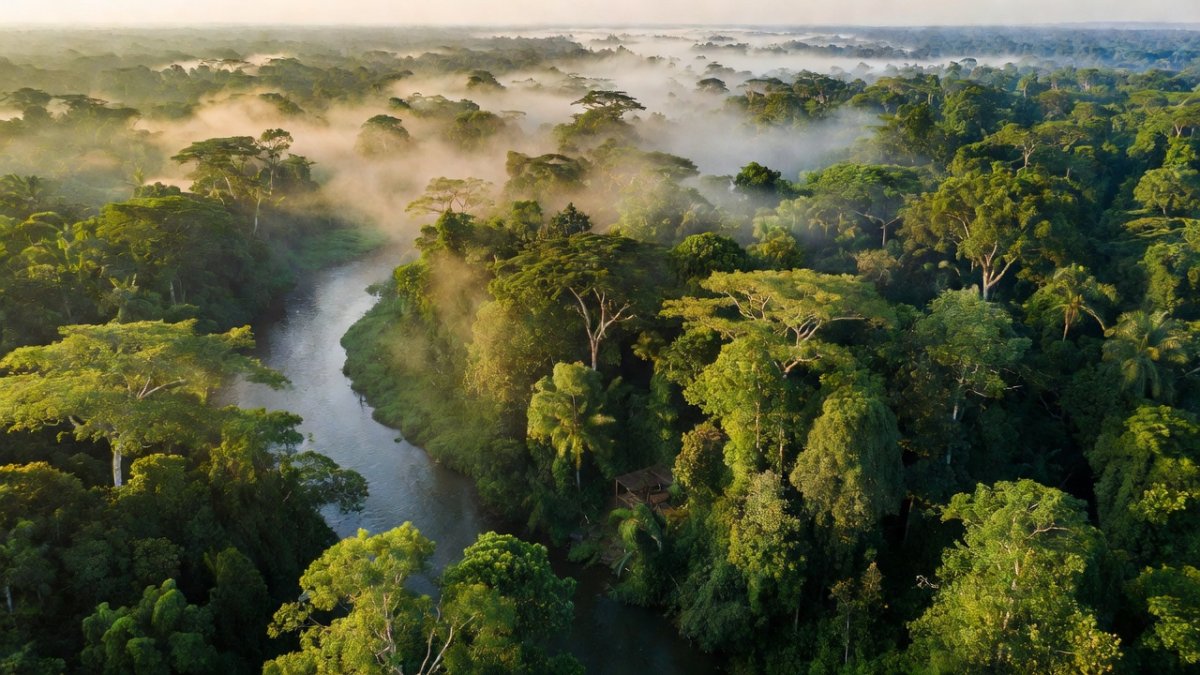
The Man Who Lives in a Cage So Monkeys Can Be Free
Orlando, a park ranger now in his seventies, lives deep within the Peruvian Amazon where he has built a simple cage for himself while the monkeys he rescues move freely outside. The paradox defines his daily reality: the animals he saves from traffickers enjoy the forest canopy, yet he remains enclosed to manage their unpredictable behavior during rehabilitation. This arrangement stems from years of close contact that have left him with numerous scars from monkey attacks, each mark a testament to the physical toll of reintegration work.
He has repeatedly stated that he would “die of sorrow” if forced to return to city life, underscoring his profound attachment to the forest ecosystem he calls home. The Al Jazeera Witness film documents how Orlando’s routine revolves around feeding, monitoring, and gradually preparing monkeys for release, all while SERFOR, Peru’s national forestry and wildlife authority under MINAM and MIDAGRI, oversees broader enforcement. His story highlights the personal sacrifices made by frontline guardians who operate far from urban centers yet confront the same trafficking networks that threaten biodiversity across Latin America.
Colleagues note that Orlando’s knowledge of local primate behavior has proven invaluable for successful releases, particularly for species such as spider monkeys and woolly monkeys that require careful social reintroduction. Without his presence, many animals would face repeated capture or death in captivity. His cage therefore functions not as punishment but as a deliberate boundary that protects both the ranger and the primates during the delicate transition back to the wild.
A Lifetime of Scars: Reintegrating Rescued Monkeys Into the Wild
Orlando bears visible scars from repeated monkey attacks sustained while handling frightened animals fresh from traffickers’ nets. These injuries occur during feeding sessions and initial health checks when primates lash out at the only human nearby. Each scar represents hours spent coaxing woolly monkeys, howler monkeys, and capuchins to accept food and trust their surroundings again before release into the surrounding forest.
The reintegration process demands patience and precise timing. Orlando monitors groups for weeks, ensuring they form natural hierarchies and locate food sources independently. Black-headed night monkeys and common tamarins, often targeted by the illegal pet trade, require especially gentle handling because of their small size and stress sensitivity. His methods have contributed to dozens of successful returns to the wild, preserving genetic diversity in one of the planet’s most biodiverse regions.
Despite the physical risks, Orlando continues because he views the forest as an extension of his own body. The documentary captures quiet moments when he watches released monkeys swing through the canopy, confirming that his scars are the price of ecological restoration. Such dedication mirrors efforts by other Peruvian rangers who operate with limited resources yet achieve measurable conservation outcomes.
Peru's Illegal Pet Trade: Thousands of Animals, One Deadly Market
Between 2015 and 2020, SERFOR authorities seized more than 20,000 live animals destined for trafficking, according to InSight Crime reporting. In Iquitos’ Belén Market in the Loreto region, monkeys captured illegally from the Amazon are sold openly as pets beside fruits and vegetables, creating a visible hub for the trade. Mongabay documented in March 2024 how this market operates daily, exposing both animals and buyers to health risks.
Madre de Dios, known as the biodiversity capital of the Peruvian Amazon, remains a trafficking hotspot where networks capture spider monkeys, woolly monkeys, howler monkeys, and capuchins for domestic and international sale. Rehabilitator Magali Salinas has released hundreds of animals over 17 years, including more than 50 howler monkeys, demonstrating the scale of rescue needed. These efforts occur against a backdrop of weak enforcement in remote areas where poverty drives local participation in capture.
The trade extends beyond pets. In September 2025 SERFOR rescued more than 800 specimens including turtles, green iguanas, parrots, and primates in Lima alone, urging citizens to report crimes through the “Alerta SERFOR” hotline. Such seizures reveal how urban demand sustains the extraction of wildlife from Amazonian communities, disrupting ecosystems and traditional livelihoods alike.
A Public Health Superhighway: When Trafficked Monkeys Carry Disease
Mongabay reported in March 2024 that Peru’s illegal pet monkey trade functions as an infection superhighway. Monkeys tested in street markets still carried hemoparasites from the Amazon, including the parasite that causes malaria. A PLOS One study on trafficked monkeys from Peru found exposure risks for Trypanosoma cruzi, Plasmodium malariae and brasilianum, Mycobacterium tuberculosis complex, and a broad spectrum of enteric parasites.
Around 60 percent of all infectious diseases in humans are zoonotic, and 75 percent of emerging infectious diseases originate from animal sources, according to UN estimates. IFAW reports on wildlife crime in Hispanic America emphasize that trafficking live monkeys and monkey parts heightens zoonotic transmission risks for communities along trade routes. These pathogens move with animals through markets in Iquitos and Lima before reaching international buyers.
The health implications extend beyond Peru. When trafficked primates interact with humans in crowded markets or during transport, diseases cross species barriers rapidly. Public health officials in the region increasingly link wildlife seizures to disease surveillance, recognizing that enforcement protects both biodiversity and human populations in the Andean-Amazon corridor.
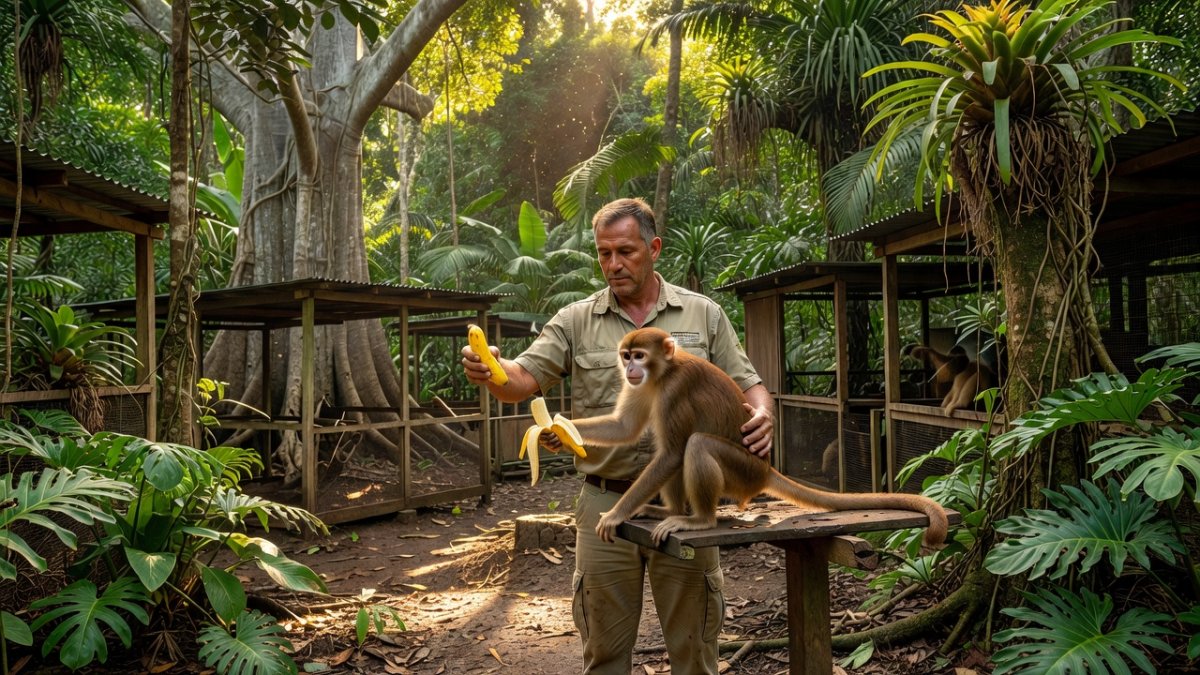
Rescue, Rehabilitation and Release: Latin America's Frontline Defenders
The Amazon Rescue Center near Iquitos specializes in manatee and endangered primate rehabilitation, while Monkey Island sanctuary provides long-term care for rescued monkeys. SERFOR coordinates with these facilities to ensure animals receive veterinary screening before release. In July 2025 an international trafficking network was dismantled in Peru, resulting in 12 arrests including two Spanish citizens and seizure of endangered species valued at more than $600,000 on the black market; the ring led by Spanish citizen Juan Ramón Morillas had exported animals to Thailand and China.
Wildlife Conservation Society monitoring from January to June 2023 recorded over 8,000 specimens seized and 129 arrests across five Andean-Amazon countries. These operations demonstrate regional cooperation yet also reveal the persistent pressure on species such as woolly monkeys and spider monkeys. Rehabilitators like Magali Salinas in Madre de Dios continue releasing animals after months of care, restoring populations in areas depleted by capture.
Comparison with Brazil’s IBAMA shows similar challenges: both agencies manage vast territories with limited staff while facing sophisticated trafficking networks. Successful releases depend on sustained funding for sanctuaries and community education programs that discourage local capture. Orlando’s work fits within this larger network of defenders who prioritize rehabilitation over simple confiscation.
Wildlife Crime Across Latin America: A $20 Billion Shadow Economy
The UNODC World Wildlife Crime Report 2024 states that trafficking spans 162 countries and affects around 4,000 species. In Latin America the trade intersects with deforestation, mining, and agricultural expansion, creating overlapping threats to the Amazon basin. WCS data from 2023 seizures across Andean-Amazon nations illustrate how enforcement must address both domestic markets and export routes to Asia and Europe.
Peru’s July 2025 operation against the Morillas-led ring exposed links between Spanish nationals and Asian demand for exotic pets. Similar networks operate in neighboring countries, moving primates through porous borders. The economic incentives remain high despite arrests, as live animals fetch premium prices in urban centers and abroad.
Regional bodies including CITES and national authorities such as SERFOR and IBAMA coordinate intelligence sharing, yet gaps persist in remote Amazonian zones. The trade’s scale underscores the need for stronger penalties and alternative livelihoods for communities currently involved in capture. Without systemic changes, individual rangers like Orlando will continue facing overwhelming odds in protecting remaining primate populations.
The Cost of Retirement: What Happens to the Forest's Guardians
Orlando now faces forced retirement, raising urgent questions about who will continue his work once he leaves the forest. At 73 he remains the primary caregiver for monkeys still undergoing rehabilitation, and no clear successor has been identified. His refusal to return to the city reflects not only personal preference but also the absence of institutional support for aging rangers who have dedicated their lives to remote conservation.
SERFOR and MINAM face staffing shortages across protected areas, making transitions difficult when experienced personnel retire. The documentary captures Orlando’s anxiety about the monkeys’ future care, highlighting how individual knowledge accumulated over decades cannot be easily replaced. Similar challenges affect rehabilitators throughout the region, including those working with IBAMA in Brazil.
Without dedicated succession planning, rescued animals risk neglect or repeated trafficking. Orlando’s story illustrates the human dimension of conservation policy: retirement rules designed for urban civil servants fail to account for rangers whose entire identity is tied to the ecosystems they protect. Sustained investment in training younger staff remains essential to prevent gaps in care.
The Bottom Line — What Comes Next
The Al Jazeera Witness film leaves viewers with a clear question: who will safeguard the monkeys and the forest when Orlando can no longer do so? His forced retirement coincides with ongoing seizures, including the September 2025 Lima operation and the dismantling of the international ring exporting to Thailand and China. Continued public reporting through Alerta SERFOR offers one tool for enforcement, yet long-term solutions require addressing root causes of poverty and demand.
Regional cooperation through WCS, UNODC, and CITES must expand to include retirement support and knowledge transfer for aging guardians. The health risks documented in PLOS One and Mongabay studies further justify treating wildlife trafficking as both an environmental and public health priority. Orlando’s scars and his cage stand as symbols of sacrifice, but systemic change is needed to ensure the Amazon’s primates have future defenders.
By Elena Vasquez, Staff Writer
This article was produced with AI-assisted research and editorial support. Reporting is based on sources cited in the article.
What's Your Reaction?
 Like
0
Like
0
 Dislike
0
Dislike
0
 Love
0
Love
0
 Funny
0
Funny
0
 Wow
0
Wow
0
 Sad
0
Sad
0
 Angry
0
Angry
0

Latin America Correspondent at Global1.News. Based in Mexico City, covering politics, economics, energy, and culture across the region. Brings an on-the-ground perspective to stories spanning from the Rio Grande to Patagonia.











Comments (0)