
Israel Urged to Recognize Yazidi Genocide 12 Years After Sinjar Massacre
In a recent i24NEWS English report titled "Call for Israel to Recognize Yazidi Genocide," the focus centers on the 12th anniversary of the Sinjar genocide and fresh appeals for formal Israeli recognition. On August 3, 2014, ISIS forces swept into the Sinjar district in northern Iraq's Nineveh province, killing or abducting an estimated 12,000 Yazidis.
In a recent i24NEWS English report titled "Call for Israel to Recognize Yazidi Genocide," the focus centers on the 12th anniversary of the Sinjar genocide and fresh appeals for formal Israeli recognition. On August 3, 2014, ISIS forces swept into the Sinjar district in northern Iraq's Nineveh province, killing or abducting an estimated 12,000 Yazidis. The timing coincides with gatherings of displaced Yazidis at the Jam Mishko camp in the Kurdistan Region of Iraq, where survivors renewed demands for reconstruction, returns, and accountability.
Israel Faces Renewed Pressure to Recognize Yazidi Genocide Twelve Years After Sinjar Massacre
Jerusalem, Israel – This week — Displaced Yazidi families marked the 12th anniversary of the August 3, 2014 Sinjar genocide with calls for Israel to join other nations in formal recognition. The Knesset rejected a similar bill on November 21, 2018, by a 58-38 vote after opposition MK Ksenia Svetlova of the Zionist Union tabled the measure. Israel has never issued formal recognition despite its own history with the Holocaust and recent coordination that helped free Yazidi woman Fawzia Amin Sido from Gaza captivity in October 2024.
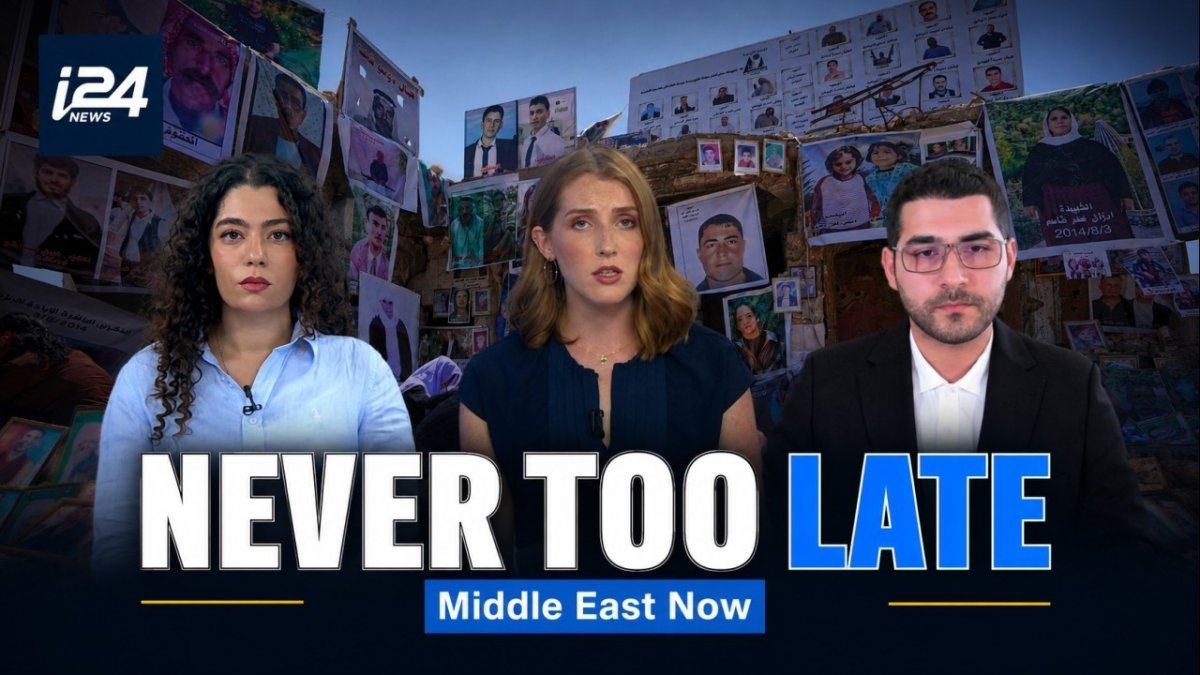
Yazidi Survivors — On the Ground
At the Jam Mishko camp in the Kurdistan Region of Iraq, survivor Faisal Qasim stated that his family lost 33 people killed or missing during the ISIS assault. Sahliya Jamo described how families have endured 12 years of uncertainty over the fate of loved ones. Kurdistan Region President Nechirvan Barzani reaffirmed support for Yazidis and urged Baghdad to implement the Sinjar Agreement while providing compensation and enabling dignified returns. More than 110,000 Sinjar residents remain displaced, and over 135,000 Yazidis live in camps across the Kurdistan Region, with Barzani noting that more than 20,000 Yazidi families still reside in such camps.
The persistent displacement of over 110,000 people from Sinjar directly affects stability in northern Iraq. Israeli policymakers have historically viewed Kurdish authorities as regional partners, and recognition could strengthen ties. For Israeli policymakers in the Prime Minister's Office and Foreign Ministry, the scale of Yazidi suffering documented at Jam Mishko underscores the risks minority communities face when central governments fail to deliver on agreements like the one signed in 2020.
Survivor testimonies from the camp also highlight the long-term psychological and social costs that extend beyond immediate rescue operations, a reality Israeli Holocaust remembrance institutions such as Yad Vashem have long studied in their own educational programs. These accounts could inform future Israeli diplomatic initiatives aimed at supporting minority protections in post-conflict zones.
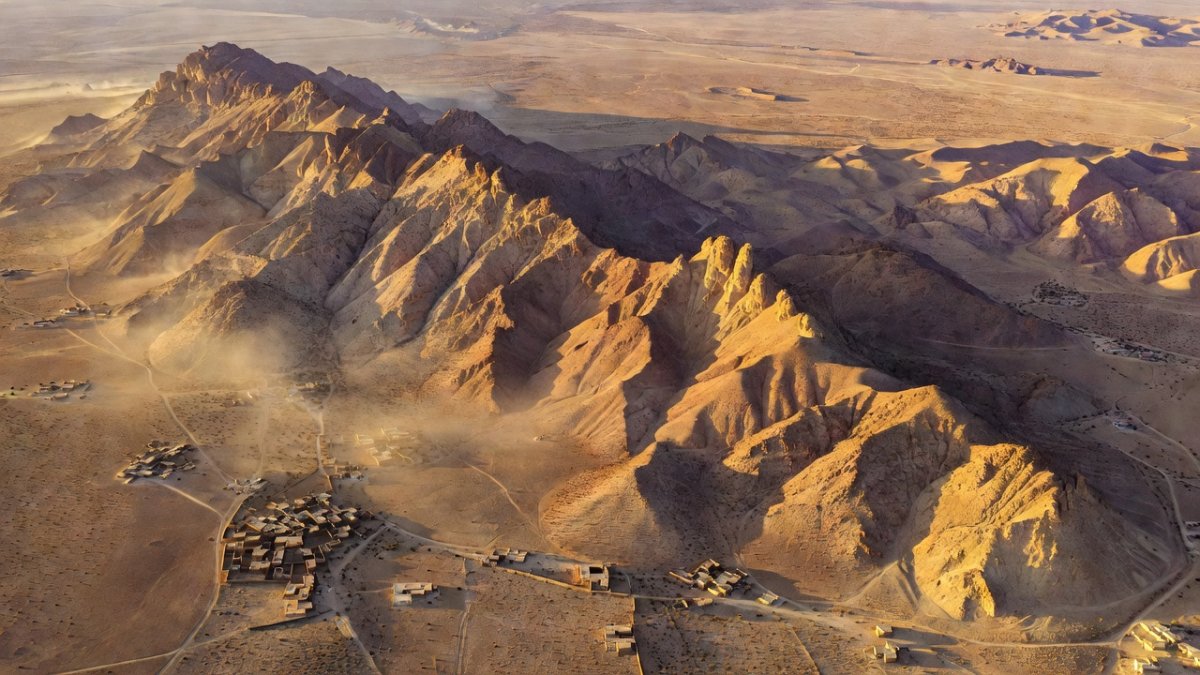
Twelve years after the August 2014 attacks, the gathering at Jam Mishko camp underscores how displacement has become a defining feature of Yazidi life. With more than 110,000 Sinjar residents still uprooted and over 135,000 Yazidis remaining in camps, including 20,000 families, the anniversary highlights the erosion of community structures and the persistent uncertainty voiced by survivors such as Sahliya Jamo. For diaspora communities and Israeli Jewish supporters who have engaged with Yazidi causes, the date serves as a reminder of shared experiences of persecution and the challenges of sustaining identity amid prolonged exile.
The calls by President Nechirvan Barzani for Baghdad to implement the Sinjar Agreement reflect the broader implications of stalled returns. Faisal Qasim’s loss of 33 family members illustrates the personal scale of the tragedy that continues to shape collective memory. As the twelfth anniversary is marked this week, these realities frame the commemoration not merely as remembrance but as a marker of unresolved displacement, where Israeli and other Jewish observers see parallels in the difficulties of achieving safe repatriation and communal restoration after mass atrocity.
Regional Context
Kurdish Peshmerga forces retook Sinjar in 2015, after which the Iraqi army backed by the Popular Mobilization Forces assumed control of the district in 2017. Iraq's Mass Graves Directorate has exhumed 68 of 162 known burial sites in Sinjar district, confirming 293 identities while more than 450 sets of remains remain unidentified. Estimates indicate 5,000-10,000 Yazidi men and elderly women were killed, 6,417 women and children were abducted, 3,595 abductees have been rescued, and nearly 2,900 Yazidis are still listed as missing. Yazidi lore describes the 2014 Sinjar massacre as the 74th firman in their history.
The incomplete exhumation of mass graves and the continued presence of unidentified remains create ongoing humanitarian and evidentiary challenges that intersect with Israel's own expertise in forensic documentation developed through investigations of past atrocities. Israeli security planners monitor how such unresolved cases influence recruitment patterns among extremist groups operating near Iraq's borders with Syria and Turkey.
Control shifts between Peshmerga and Iraqi forces since 2015 have left Sinjar in a fragmented security environment, complicating efforts by the Kurdistan Regional Government to provide services. This fragmentation carries implications for Israel's regional strategy, which has historically sought reliable partners among Kurdish entities to counter shared threats from Iran-backed militias.
Sinjar’s position near the Syrian border has kept the area strategically contested since the Peshmerga retook it in 2015 and Iraqi forces plus PMF assumed control in 2017. The limited progress on mass graves—only 68 of 162 exhumed, with 293 identities confirmed and more than 450 remains unidentified—complicates efforts to establish accountability. This slow forensic work, set against estimates of 5,000 to 10,000 killed and 2,900 still missing, raises questions about how unresolved justice affects stability across Iraq and neighboring regions still recovering from cross-border conflict.
The 74th firman in Yazidi historical memory gains renewed weight when thousands abducted—6,417 total, with 3,595 rescued—leave families without closure. The missing remain central to ongoing trauma because their absence prevents both individual mourning and collective reckoning. In this context, incomplete exhumations and disputed territorial control suggest that without coordinated action on remains and returns, Sinjar’s instability could continue to influence wider Iraqi political dynamics and regional security calculations.
Diplomatic and International Reactions
Parliaments of the EU, United States, Canada, Scotland, France, and Britain have recognized the Yazidi genocide. Germany's Bundestag formally recognized it in January 2023, while Australia condemned the genocide via parliamentary motion in February 2018. Iraq passed a landmark bill offering reparations to Islamic State victims and formally recognizing the Yazidi genocide, which survivors described as an important first step. In 2018, Israeli Deputy Foreign Minister Tzipi Hotovely alluded to caution regarding recognition. Nobel Peace Prize laureate and UN Goodwill Ambassador Nadia Murad, a Yazidi survivor, visited Israel in 2017 on an advocacy tour hosted by IsraAID and supported by MK Ksenia Svetlova and the Women Wage Peace movement, telling Israelis that they understand her stories.
Israel's absence from the list of recognizing states stands in contrast to its active participation in international genocide prevention discussions at the United Nations and other forums, where Israeli diplomats frequently reference the Holocaust as a foundational lesson. The 2017 visit by Nadia Murad to Israel, facilitated by IsraAID and MK Svetlova, demonstrated existing channels for direct engagement that could be expanded if formal recognition advances.
Germany's 2023 recognition and Iraq's reparations legislation illustrate how parliamentary action can unlock practical support mechanisms, including funding for survivor programs. Israeli officials in the Foreign Ministry have observed these developments closely, weighing similar steps against domestic political calculations that previously led to the 2018 Knesset vote.
While parliaments in the EU, United States, Canada, Scotland, France, Britain, Germany’s Bundestag in January 2023, and Australia’s February 2018 motion have recognized the Yazidi genocide, Israel’s Knesset rejected a similar bill in November 2018 by a 58-38 vote. This divergence stands out against the backdrop of Iraq’s reparations legislation and visits such as Nadia Murad’s 2017 trip to Israel with IsraAID and Women Wage Peace. The contrast invites analysis of how differing national priorities shape recognition decisions across Western and Middle Eastern capitals.
Israel’s non-recognition, following Tzipi Hotovely’s 2018 caution, appears conspicuous when measured against Holocaust memory that often frames Israeli foreign policy discourse. The role of UN mechanisms and international courts in documenting atrocities elsewhere highlights the absence of parallel Israeli action. Such a gap may reflect domestic political calculations yet leaves open questions about how states with genocide remembrance traditions engage—or refrain from engaging—with contemporary cases that echo historical patterns of targeted destruction.
Analysis and What This Means
Recognition by Israel would align its foreign policy with the moral framework established by its own Holocaust remembrance institutions and could strengthen ties with Kurdish communities in northern Iraq. The 2018 Knesset rejection highlighted domestic political divisions, yet the October 2024 operation that freed Fawzia Amin Sido demonstrated practical Israeli involvement in Yazidi rescue efforts through coordination with the United States and Iraq. For Israeli security and diplomatic planners, formal acknowledgment could open avenues for cooperation on minority protections in post-ISIS Iraq while reinforcing Israel's position in international forums discussing genocide prevention.
Forward movement on recognition would also address ongoing displacement challenges that continue to strain resources in the Kurdistan Region of Iraq and affect stability along Iraq's northern borders. The Sinjar Agreement remains unimplemented, leaving reconstruction stalled and thousands of families without clear paths home. Israeli policymakers now weigh these regional dynamics against historical precedent as calls from survivors intensify.
The rescue of Fawzia Amin Sido in October 2024 through trilateral coordination involving Israel, the United States, and Iraq shows that operational cooperation on Yazidi cases already exists outside formal recognition frameworks. Such actions provide a foundation that recognition could institutionalize, potentially expanding intelligence-sharing channels with Kurdish and Iraqi partners on counterterrorism matters.
Israeli recognition could also serve as a diplomatic signal to other minority communities in the Middle East that Jerusalem prioritizes accountability for genocide, a message that aligns with the country's broader public diplomacy efforts in Africa and Asia where Yazidi advocacy networks have grown.
Knesset Politics and Practical Israeli Engagement
The 58-38 Knesset rejection of the 2018 bill introduced by MK Ksenia Svetlova reflected coalition dynamics that placed recognition efforts in opposition hands at the time, yet subsequent events including the 2024 rescue operation indicate that cross-party interest in Yazidi issues persists within the Israeli political system. Deputy Foreign Minister Tzipi Hotovely's earlier cautionary remarks highlight the careful calibration required when linking Holocaust memory to contemporary foreign policy decisions.
Practical engagement through the October 2024 operation to free Fawzia Amin Sido illustrates how Israeli agencies, including the IDF and the broader intelligence community, have acted on Yazidi cases through coordination with the United States and Iraq. This approach allows the Prime Minister's Office to respond to survivor appeals while preserving operational flexibility.
By Hannah Berg, Staff Writer
This article was produced with AI-assisted research and editorial support. Reporting is based on sources cited in the article.
What's Your Reaction?
 Like
0
Like
0
 Dislike
0
Dislike
0
 Love
0
Love
0
 Funny
0
Funny
0
 Wow
0
Wow
0
 Sad
0
Sad
0
 Angry
0
Angry
0
Israel Correspondent at Global1.News. Based in Tel Aviv, covering Israeli politics, security, technology, and society. Provides balanced, deeply-sourced reporting on one of the most closely-watched regions in the world.










Comments (0)