
Hezbollah Breaks Truce, IDF Strikes Back and Kills 2 Commanders
In a recent i24NEWS English report, the fragile calm that had held across the Israel-Lebanon border since late June was violently broken this weekend, as Hezbollah launched an explosive drone attack on Israeli forces, prompting a swift and deadly IDF response that eliminated two senior commanders.
In a recent i24NEWS English report, the fragile calm that had held across the Israel-Lebanon border since late June was violently broken this weekend, as Hezbollah launched an explosive drone attack on Israeli forces, prompting a swift and deadly IDF response that eliminated two senior commanders. The escalation marks the most significant breach of the June 20 ceasefire framework and raises serious questions about the viability of the entire arrangement, which was designed to permanently end hostilities along the northern border. The events of the past 48 hours have brought the region to the brink of a renewed full-scale conflict, with the Israeli government already signaling that its patience for truce violations has run out.
Hezbollah Breaks Truce, IDF Strikes Back and Kills 2 Commanders
Jerusalem, Israel — The Israeli Prime Minister's Office (PMO) issued an unusual public statement on Saturday, before the end of the Sabbath, confirming that Hezbollah had violated the ceasefire agreement by attacking IDF soldiers operating in the Security Zone in southern Lebanon. The attack, which involved an explosive drone, seriously wounded three Israeli soldiers—an officer and two enlisted personnel—near the Ali al-Taher Ridge and the village of al-Nabatieh al-Fawqa. The PMO's statement, posted on X, declared: "This morning Hezbollah violated the ceasefire in Lebanon by attacking our soldiers in the security zone, which protects Israeli communities just across the border. The Hezbollah attack seriously injured three of our soldiers. The IDF responded by..." The IDF's response followed within hours, and by Sunday morning the military had confirmed the elimination of two senior Hezbollah commanders.
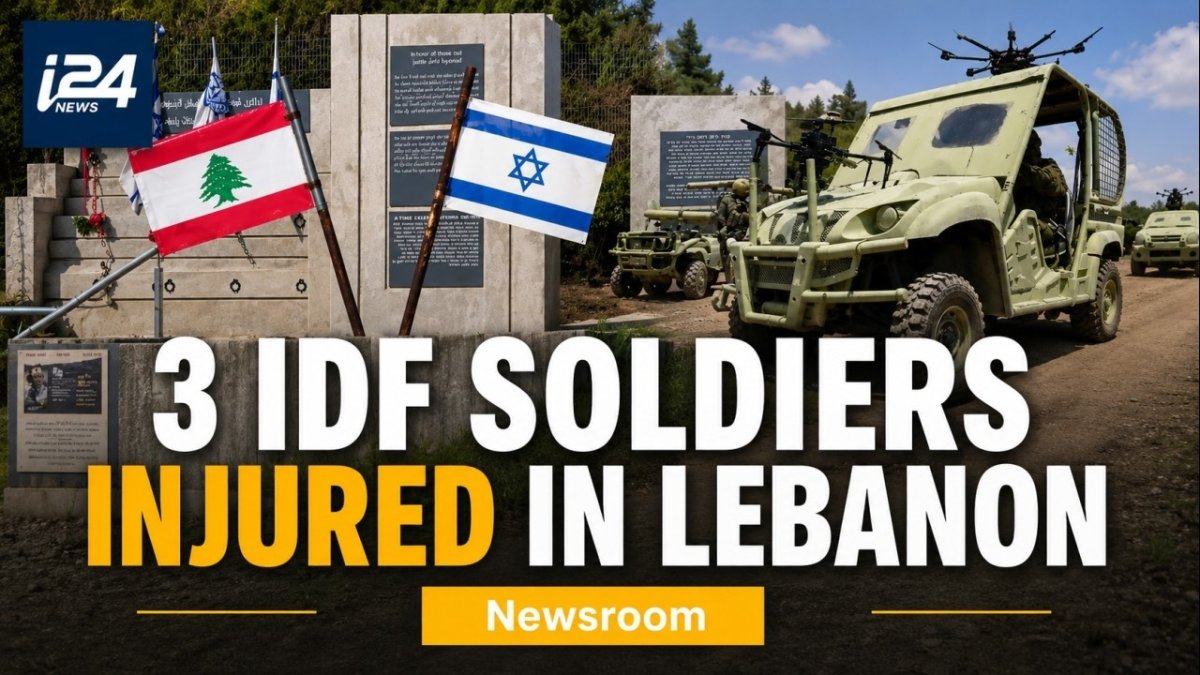
Truce Shattered: The Attack on IDF Soldiers
The drone strike on Saturday morning targeted IDF personnel operating in the rugged terrain of the Ali al-Taher Ridge, a strategic high point overlooking the Israeli communities of the Upper Galilee. The area, part of the newly established Security Zone, has been a flashpoint since the IDF began its gradual withdrawal under the June 20 framework. The IDF confirmed that an officer and two soldiers were seriously wounded in the explosive drone attack near the Ali al-Taher Ridge and al-Nabatieh al-Fawqa, inside the Security Zone established to shield Israeli border communities.
The Security Zone itself is a product of the 2026 war, which began in early March after Hezbollah fired rockets into Israel in retaliation for U.S.-Israeli strikes on Iran's nuclear facilities. That conflict, which lasted over three months, claimed more than 4,300 lives in Lebanon and wounded over 12,000, according to Lebanon's health ministry. The ceasefire brokered on June 20 was meant to be a permanent end to hostilities, built on three pillars: the complete disarmament of Hezbollah, a phased withdrawal of Israeli forces from south Lebanon, and the deployment of the Lebanese army to the border region. This weekend's attack represents a direct challenge to all three pillars, and the IDF's response was calibrated to send an unmistakable message.
The Commanders Eliminated
The IDF confirmed on Saturday that it had killed Ali Samir Al-Haj Hassan, a battalion commander in Hezbollah's elite Radwan Force, in a precision strike on a central Radwan headquarters in the Ansar area of southern Lebanon. Hassan commanded a battalion in the Radwan Force, Hezbollah's elite unit known for cross-border operations against Israel. The strike on the central Radwan Force headquarters also killed several other terrorists, according to the IDF, and injured several of Hassan's family members who were present at the site. The IDF stated that the strike was specifically directed at Hassan, a lawful target under international law, and accused him of using his family as human shields—a tactic Hezbollah has employed throughout its history. The PMO reinforced this position, asserting that the military was unaware civilians were in the compound and accusing Hezbollah of deliberately placing them there to falsely accuse Israel of targeting non-combatants.
Just 24 hours later, on Sunday, the IDF announced the elimination of a second senior commander: Abu Hassan Alaa, a senior figure in Hezbollah's Badr Unit, which is responsible for operations north of the Litani River. Alaa was killed in a strike in the Deir ez-Zahrani area, and the IDF described him as instrumental in advancing numerous terror attacks against Israeli soldiers in the Security Zone, including the launching of explosive drones. The Badr Unit has been a key player in Hezbollah's efforts to maintain a presence north of the Litani, in direct violation of the ceasefire terms that mandated the area be cleared of armed Hezbollah personnel. The back-to-back eliminations of Hassan and Alaa represent a significant blow to Hezbollah's command structure and its ability to coordinate attacks on Israeli forces.
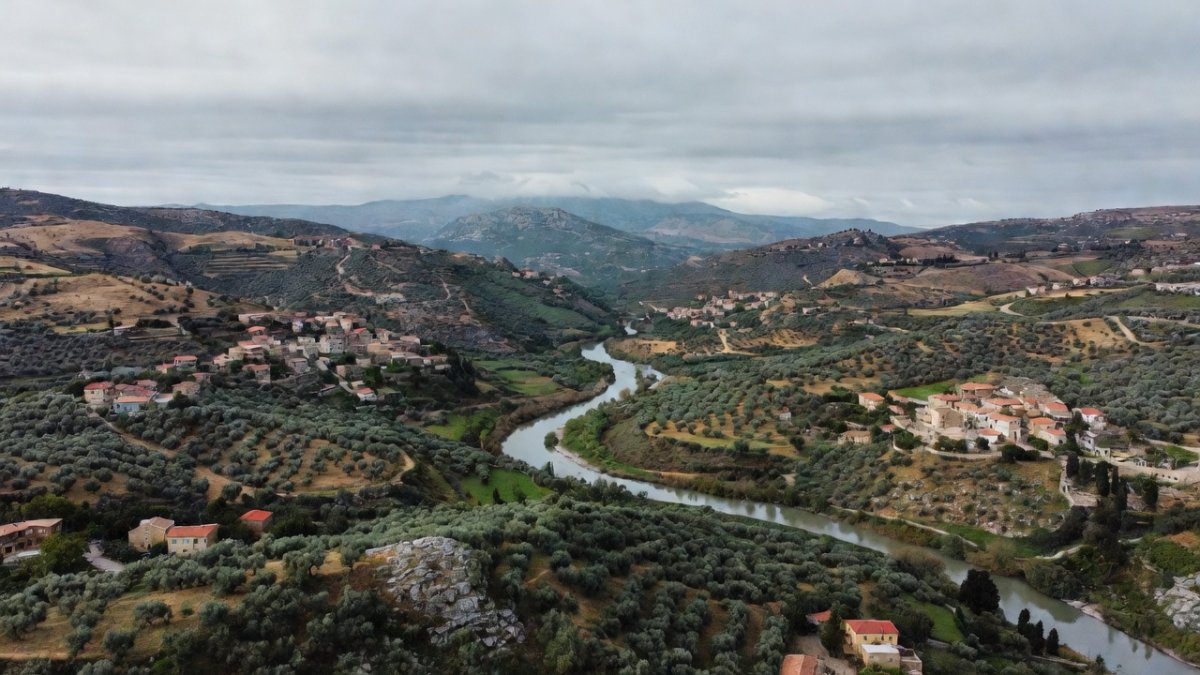
The Deadliest Strikes Since June
The IDF's response to the drone attack was not limited to the targeted killings of the two commanders. Over the course of Saturday and Sunday, Israeli forces conducted extensive strikes on Hezbollah infrastructure in the Nabatieh and Ansar areas, along with heavy artillery fire directed at villages including Rouman and Deir Sirian. Lebanese media reported that 11 people were killed in the Israeli strikes between Saturday and Sunday, including three children and two women. This makes the weekend's operations the deadliest Israeli attack in Lebanon since the truce took effect in June, a fact that will undoubtedly fuel international criticism and complicate Israel's diplomatic position.
The humanitarian dimension of these strikes is stark. The villages targeted in the Nabatieh governorate have been repeatedly displaced throughout the 2026 war, and many residents had only recently returned to their homes under the ceasefire. The reported civilian casualties, including children, are a grim reminder of the human cost of Hezbollah's decision to violate the truce. The IDF maintains that its strikes were directed at military targets and that Hezbollah's practice of embedding its operations within civilian areas is the primary cause of civilian deaths. However, the images emerging from southern Lebanon of destroyed homes and grieving families are likely to fuel anti-Israel sentiment across the region and put pressure on the Lebanese government to respond.
Regional Context: The Fragile Framework Under Strain
The weekend's escalation must be understood within the broader context of the June 20 framework, which was brokered after months of intense diplomacy involving the United States, France, and regional actors. The deal was hailed as a historic opportunity to end the cycle of violence along the Israel-Lebanon border, but it was always contingent on Hezbollah's willingness to disarm and the Lebanese army's ability to enforce the terms. This weekend's events have exposed the fundamental weakness of that framework: Hezbollah, despite its losses in the 2026 war, remains a potent and defiant force, and the Lebanese Armed Forces have proven either unwilling or unable to confront the terror group.
The IDF is reportedly planning to take control of the Ali al-Taher Ridge, the very area where the drone attack occurred, and is awaiting U.S. approval for the operation. According to reports, a U.S. official has told the Lebanese government that Washington would not prevent the operation but has asked for a precise, limited action with minimal civilian casualties. U.S. Lieutenant General Joseph R. Clearfield, who heads the U.S.-led ceasefire monitoring mechanism established after the truce, is reportedly in direct contact with both Israeli and Lebanese officials to de-escalate the situation. The U.S. role is critical: Washington is Israel's primary ally and arms supplier, but it also has significant interests in Lebanon and the broader region, and it is keen to avoid a full-scale war that could destabilize the entire Middle East.
Hezbollah's strategic calculus is equally important. The group has been severely degraded by the 2026 war, losing much of its rocket arsenal and many of its senior commanders. However, it retains the ability to launch drones and conduct guerrilla-style attacks, as demonstrated this weekend. By violating the truce, Hezbollah is signaling that it will not accept a permanent Israeli presence in the Security Zone and that it remains committed to its core mission of resisting Israel. The group is also likely coordinating with its patron, Iran, which has its own reasons for wanting to keep pressure on Israel and the U.S. The Iranian dimension cannot be ignored: the 2026 war began as a direct result of U.S.-Israeli strikes on Iran, and Tehran is watching the current escalation closely, calculating whether to increase its support for Hezbollah or to urge restraint.
Diplomatic and International Reactions
The international community has reacted with alarm to the weekend's escalation, which delivered the deadliest Israeli strikes in Lebanon since the truce took effect. The U.S.-led ceasefire monitoring mechanism, headed by Lieutenant General Joseph R. Clearfield, is now at the center of efforts to prevent a slide back into full-scale war, with the general reportedly in direct contact with Israeli and Lebanese officials. Lebanese media reported that a U.S. official informed the Lebanese government that Washington would not prevent an Israeli operation to take the Ali al-Taher Ridge, but asked for a precise action with minimal civilian casualties so as not to upset the existing agreements. Israel, for its part, has indicated it wants more serious talks with Lebanon on enforcing the arrangement, even as the civilian death toll drew sharp concern in international capitals.
Israel's diplomatic position is delicate. While the IDF's actions are a direct response to a clear Hezbollah violation of the truce, the high number of civilian casualties is likely to draw sharp criticism from the international community, including from some of Israel's closest allies. The PMO has been proactive in framing the narrative, emphasizing that Hezbollah is using civilians as human shields and that Israel is acting in self-defense. However, the images of dead children in southern Lebanon are powerful, and Israel will need to work hard to maintain international support for its actions. The U.S. monitoring mechanism, led by General Clearfield, is likely to be the key forum for managing the crisis, but its effectiveness is now in question given the scale of the weekend's violence.
Analysis and What This Means
The weekend's events have brought Israel and Hezbollah to the brink of a renewed full-scale war, and the decisions made in the coming days will determine the trajectory of the region. Prime Minister Benjamin Netanyahu had previously ordered the IDF to prepare for "intensive war" if Hezbollah breaks the truce, and the military's response this weekend suggests that planning is now being put into action. The elimination of two senior commanders is a significant escalation, but it may not be enough to deter Hezbollah from further attacks. The group has a history of absorbing losses and continuing its operations, and its leadership may calculate that it has little to lose by escalating further.
For Israeli communities in the north, the situation is deeply concerning. The residents of towns like Kiryat Shmona, Metula, and Shlomi have been displaced for over a year, and the promise of the ceasefire was that they would be able to return home safely. That promise is now in jeopardy. The IDF's planned operation to take control of the Ali al-Taher Ridge is designed to create a more secure buffer zone, but it also risks drawing Israeli forces deeper into Lebanon and prolonging the occupation of the Security Zone. The Lebanese army, which was supposed to be the guarantor of stability, has so far failed to confront Hezbollah, and its credibility is on the line.
The coming weeks will be critical. If the U.S. can broker a new understanding that restores the ceasefire framework, there may still be a path to de-escalation. But if Hezbollah continues its attacks and Israel responds with the "intensive war" that Netanyahu has threatened, the region could be plunged back into a conflict that would make the 2026 war look like a prelude. The stakes could not be higher, and the world is watching.
By Hannah Berg, Staff Writer
This article was produced with AI-assisted research and editorial support. Reporting is based on sources cited in the article.
What's Your Reaction?
 Like
0
Like
0
 Dislike
0
Dislike
0
 Love
0
Love
0
 Funny
0
Funny
0
 Wow
0
Wow
0
 Sad
0
Sad
0
 Angry
0
Angry
0

Israel Correspondent at Global1.News. Based in Tel Aviv, covering Israeli politics, security, technology, and society. Provides balanced, deeply-sourced reporting on one of the most closely-watched regions in the world.












Comments (0)