
Koh Phangan revokes Israeli woman’s visa after complaints about behaviour
On the tranquil island of Koh Phangan, a recent incident has drawn attention to the delicate balance between hospitality and respect for local norms. According to the committee that reviews complaints about foreigners, these actions formed the basis for revoking her visa.
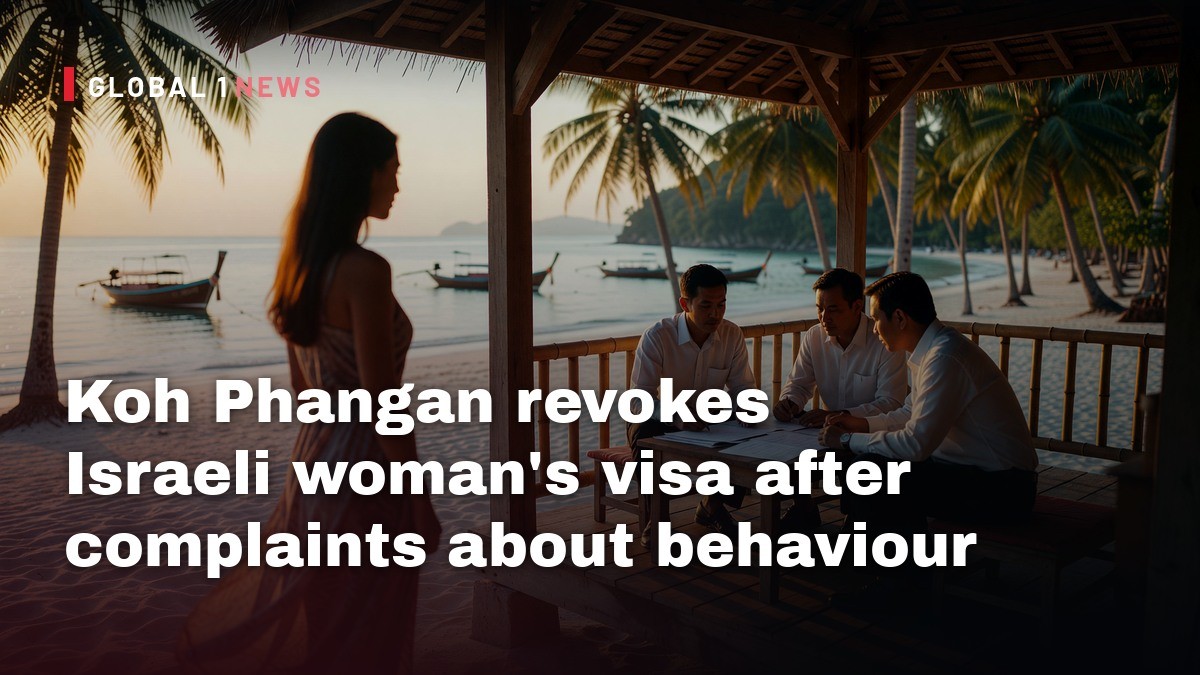
On the tranquil island of Koh Phangan, a recent incident has drawn attention to the delicate balance between hospitality and respect for local norms. The revocation of an Israeli visitor’s visa, reported on 22 October 2026, underscores a growing emphasis by Thai authorities to ensure that foreign guests honor the expectations of the community and the law. While the incident involves a single individual, it reflects broader concerns about preserving the spirit of Thai hospitality, known as “nam jai,” and maintaining harmony in a popular tourist destination.
Background of the incident
The woman at the centre of the case, identified as 33‑year‑old Ensav Ashual, was accused of threatening assault and using rude language toward officials and other people on the island. According to the committee that reviews complaints about foreigners, these actions formed the basis for revoking her visa.
In addition to the alleged verbal misconduct, the committee reported that Ashual failed to pay for accommodation at a hotel and did not settle entrance fees for Than Sadet National Park, a protected area that attracts many visitors seeking the island’s natural beauty.
The committee’s role and composition
The decision was taken by a committee chaired by Koh Phangan district chief Phaisit Thongjerm. The body includes members of the tourist police and local administrative officials, reflecting a coordinated approach to handling visitor conduct. Their mandate is to review complaints about foreigners and recommend appropriate actions, ranging from warnings to visa revocation.
This structure illustrates Thailand’s effort to blend law enforcement with community oversight, ensuring that tourism development does not compromise local welfare. By involving both police and administrative officials, the committee aims to address incidents promptly while respecting due process.
Tourism and local expectations
Tourism is a vital part of Koh Phangan’s economy, supporting livelihoods from hospitality to artisanal crafts. Yet the island’s charm rests on a cultural contract: visitors are welcomed with warmth, but they are also expected to observe local customs and regulations. The concept of “sanuk,” or enjoyment balanced with responsibility, guides everyday interactions.
When a visitor’s behaviour is perceived as threatening or disrespectful, it can disturb the social fabric and deter other travelers. The committee’s action signals to both tourists and locals that the island’s standards will be upheld, preserving the sense of safety and mutual respect that underpins the tourism experience.
Legal and administrative implications
Revoking a visa is a serious administrative measure, typically reserved for cases where the individual’s conduct poses a risk to public order or violates immigration rules. In Ashual’s case, the combination of alleged threats, rude language, and unpaid fees contributed to the decision.
Such actions are consistent with the Thai government’s broader policy under Prime Minister Anutin Charnvirakul, who has highlighted the need to crack down on foreigners who behave poorly. This policy aims to protect the reputation of Thailand as a safe and welcoming destination while reinforcing the rule of law.
Impact on the local community
For residents of Koh Phangan, incidents like this can have a tangible impact. Local businesses rely on a steady flow of tourists who respect community standards. When a visitor disrupts that harmony, it can create tension and affect the livelihood of those who depend on tourism.
The involvement of the tourist police also reflects the community’s desire to maintain order without heavy-handedness. By addressing complaints through a committee, the process remains transparent and rooted in local governance, reinforcing confidence among residents that their concerns are heard.
Broader regional context
Thailand’s approach to visitor conduct aligns with a regional trend where Southeast Asian nations are tightening regulations to protect cultural heritage and public safety. Countries such as Malaysia and Indonesia have similarly introduced measures to address disrespectful behaviour by tourists, emphasizing the importance of cultural sensitivity.
In this context, the Koh Phangan case serves as a micro‑cosm of a larger conversation about how tourist‑dependent economies can balance openness with the preservation of cultural values. The emphasis on respectful interaction resonates with Buddhist teachings on compassion and mindfulness, which continue to shape societal expectations across the region.
Looking ahead
As the tourism season continues, authorities on Koh Phangan are likely to maintain vigilance in monitoring visitor behaviour. The committee’s decision sends a clear message: while Thailand remains a welcoming destination, the privilege of staying on its islands comes with responsibilities.
For travelers, the incident underscores the importance of understanding and adhering to local norms, from paying for services promptly to communicating respectfully with officials. By doing so, visitors contribute to a positive atmosphere that benefits both the host community and the broader tourism ecosystem.
This article was produced with AI-assisted research and editorial support. Reporting is based on the source material cited below. Sources: Khaosod English; khaosodenglish.com; Global1.News (24 October 2026).
By Ann Srisawat, Staff Writer
What's Your Reaction?
 Like
0
 Dislike
0
 Love
0
 Funny
0
 Wow
0
 Sad
0
 Angry
0

Southeast Asia Correspondent at Global1.News. Based in Bangkok, covering Thai and Southeast Asian politics, economy, technology, and culture. Deep regional perspective on one of the world's most dynamic regions.















Comments (0)