
Gaza Disarmament Framework Encounters Israeli Pushback
Israel has conveyed comments and concerns to the United States over a Gaza plan praised by President Trump after Hamas agreed to disarm and hand weapons to a nascent Palestinian governing committee.
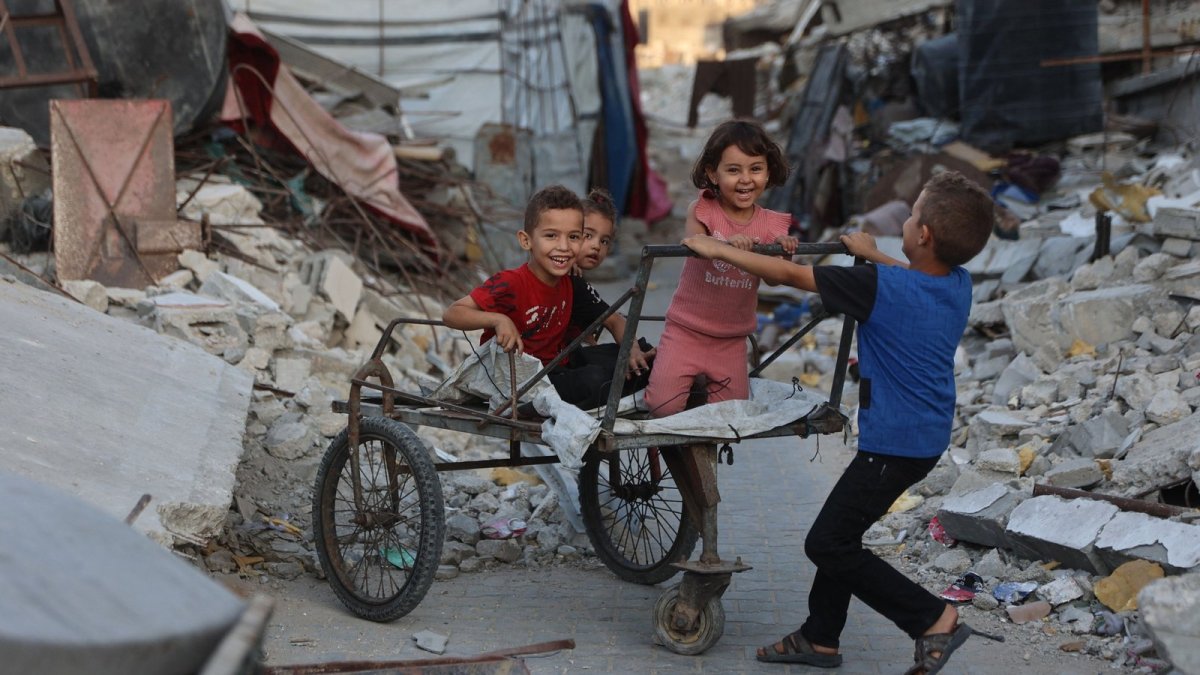
US-Backed Framework Draws Israeli Objections
Israel conveyed its comments and concerns on the proposed framework to American counterparts after Hamas announced agreement to the next stage of the deal that includes handing over weapons. Doron Spielman told AFP that the version made public does not reflect Israel's positions. An Israeli official speaking on condition of anonymity said Israel would not withdraw forces without verifying disarmament by Hamas, as it still controls most of the Gaza Strip.
The October 2023 war began with the Hamas incursion on October 7 and the Israeli campaign launched the following day, setting the stage for two years of conflict before the October ceasefire took effect. US mediation has long sought to shape post-conflict arrangements in Gaza, yet Israel's insistence on verified steps reflects its leverage through continued control of territory and strikes.
The framework therefore hinges on a basic asymmetry: Israel holds territory and demands proof before any adjustment, Hamas has offered its main bargaining chip — the weapons handover — in exchange for a pathway into a governing role, and Washington needs a visible deal to present as progress. Each side's leverage depends on whether the other moves first.
Trump Describes Disarmament Move as Milestone
President Trump told reporters that the Hamas announcement represented a major milestone in efforts to end the war triggered by the October 7, 2023 Hamas incursion. He described Israel as very happy about the developments. The plan calls for a Gaza that does not pose a threat to its neighbors, following the ceasefire that took effect on October 10, 2025 and reduced violence levels even as strikes continued.
Historical context traces US mediation efforts through repeated attempts to broker arrangements after the initial October 2023 outbreak, with the October ceasefire marking a reduction in intensity that still permitted ongoing operations. Each side pursues distinct goals: Hamas seeks integration into a governing committee while Israel prioritizes security guarantees.
The gap between Washington's upbeat public framing and Jerusalem's private objections is itself a diplomatic signal. When a mediator announces a milestone that one of the parties immediately disputes, the framework's authority is undercut before implementation begins — a dynamic Arab capitals track closely when weighing whether to endorse the plan.
Israeli Conditions and Rearmament Concerns
Netanyahu's office stated that the indispensable first step toward any lasting arrangement is the genuine, verifiable and irreversible demilitarization of Hamas. Israeli intelligence found that Hamas has been rearming and recruiting forces since the October 2025 truce. Doron Spielman told AFP that these actions show Hamas is preparing for similar operations and that anything short of full demilitarization leaves the group with the capability to threaten Israel again. The plan's vision stands in direct contrast to current reality and Hamas's stated intentions according to these assessments.
The Oct 2023 war's legacy of widespread destruction informs Israel's leverage in demanding irreversible steps before any force adjustments. US mediation history shows repeated emphasis on security assurances that now intersect with Hamas's weapons handover pledge.
What "verifiable and irreversible" means in practice remains undefined in the public plan: weapons inventories, decommissioning oversight, and enforcement authority for the nascent Palestinian governing committee are all open questions. That ambiguity is precisely where the framework could stall — Israeli officials insist on verification mechanisms, while Hamas's leadership has made clear it expects the process to open a broader political horizon.
Strike Casualties and Health Ministry Updates
Palestinian authorities reported that Israeli attacks killed at least 18 people on Sunday, with one additional death from prior wounds bringing the 24-hour total to 19. The Gaza Health Ministry said Monday that these recent killings raised the death toll since October 2023 to 73,375, with overall injuries reaching 174,220 after 35 new cases were transferred to hospitals. The ministry also recorded 152 deaths in July, the highest monthly figure since the start of the year.
Context from the Oct 2023 war through the October ceasefire underscores persistent violence despite the truce, with US mediation facing tests from daily casualty reports that shape international perceptions.
For Hamas, the arithmetic is unsparing: 152 deaths in a single month erodes the credibility of any claim that disarmament will bring relief. For Israel, the same figures support the argument that the group retains the capacity to fight. Both readings flow from the same numbers, which is why the Health Ministry's tolls have become a battleground in themselves.
Post-Truce Violence and Accumulated Toll
Despite the ceasefire that took effect on October 10, 2025, the Israeli army continued daily attacks, killing at least 1,250 Palestinians and injuring 4,110 others. The Gaza Health Ministry attributed the figures to strikes that persisted after the Hamas announcement. Reconstruction costs for destruction affecting 90 percent of civilian infrastructure are estimated by the UN at around $70 billion.
The two-year war launched after the October 7, 2023 incursion left infrastructure devastation that now frames reconstruction debates under the truce. US mediation must navigate these accumulated tolls while balancing Hamas's disarmament commitment against Israeli verification demands.
Reconstruction on that scale cannot begin in a security vacuum. Donors will not commit $70 billion to rebuilding while strikes continue and governance authority is unresolved — which gives both Washington and regional capitals a concrete stake in moving the framework past the current impasse.
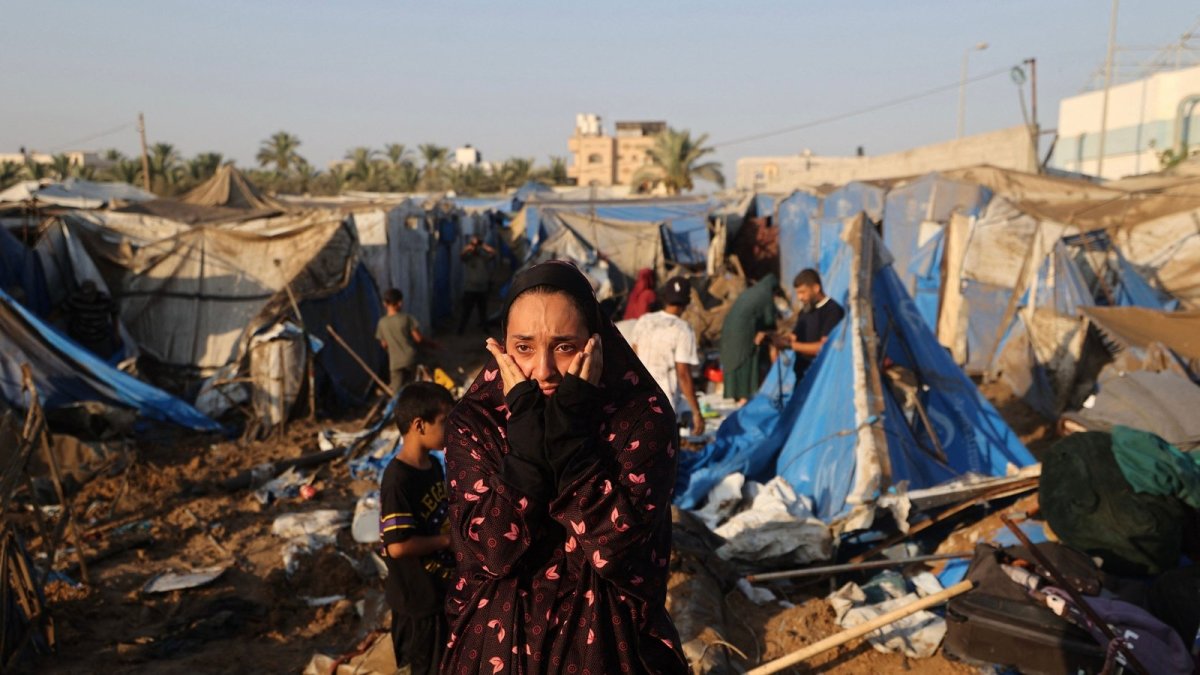
Türkiye Condemns Netanyahu's Approach
Türkiye's Foreign Ministry stated late Sunday that Netanyahu's sole objective is to displace Palestinians from their homeland and prevent the establishment of peace and stability in the region. The ministry said the attacks undermine the fragile regional balance and sabotage mediation efforts led by countries including the United States. It called on the international community to adopt a more determined stance against the expansionist and militarist approach and to uphold international law.
Historical patterns from the Oct 2023 war onward show Türkiye consistently pressing for accountability, with the October ceasefire providing a fragile pause that ongoing strikes have tested. Strategic interests position Turkey to influence Arab states by framing Netanyahu's actions as barriers to broader stability.
Ankara's statement also signals its ambitions as an independent pole of advocacy in the Palestinian file — willing to amplify grievances Washington would prefer to manage quietly. The sharper the divergence between US optimism and Turkish criticism, the more room regional actors have to play mediators off against one another.
Wider Implications for Mediation and Stability
The divergence between Trump's positive assessment and Israel's relayed objections tests the consistency of US-led efforts in the Israeli-Palestinian conflict. Türkiye's Foreign Ministry statement amplifies calls for accountability that could influence Arab states considering normalization with Israel. Hamas's pledge to transfer weapons to a new governing committee intersects with Israeli demands for verified demilitarization, shaping the strategic calculations of all parties as they navigate the aftermath of the two-year war that began with the October 7, 2023 incursion and the Israeli campaign launched the following day.
US mediation history in Gaza, stretching from the October 2023 outbreak to the October ceasefire, now confronts fresh tests as casualty data and disarmament pledges collide with Israeli conditions. Turkey's condemnation adds leverage that reverberates through Arab states evaluating normalization risks amid persistent strikes.
The truce's uneven implementation carries wider consequences for regional implications, including reconstruction needs estimated at $70 billion and the Health Ministry's updated tolls that underscore the human cost shaping all parties' positions.
By Malik Hassan, Staff WriterThis article was produced with AI-assisted research and editorial support. Reporting is based on sources cited in the article.
What's Your Reaction?
 Like
0
Like
0
 Dislike
0
Dislike
0
 Love
0
Love
0
 Funny
0
Funny
0
 Wow
0
Wow
0
 Sad
0
Sad
0
 Angry
0
Angry
0
Middle East Correspondent at Global1.News. Based in Beirut, covering politics, conflict, energy, and society across the Middle East. Brings context and depth to a region often reduced to headlines.












Comments (0)