
From Trash to Treasure: Johannesburg Artists Turn River Waste Into Public Sculpture
In the heart of Johannesburg, where the Jukskei River winds through the dense, vibrant streets of Alexandra, a remarkable transformation is taking place. What was once a dumping ground for tyres, bricks, and household waste is now an open-air gallery, with sculptures rising from the riverbanks to greet passersby. This is the story of how a community turned its most polluted waterway into a source of pride, beauty, and hope.
In the heart of Johannesburg, where the Jukskei River winds through the dense, vibrant streets of Alexandra, a remarkable transformation is taking place. What was once a dumping ground for tyres, bricks, and household waste is now an open-air gallery, with sculptures rising from the riverbanks to greet passersby. This is the story of how a community turned its most polluted waterway into a source of pride, beauty, and hope.
From Trash to Treasure: Johannesburg Artists Turn River Waste Into Public Sculpture
Johannesburg, South Africa — Along a three-kilometre stretch of the Jukskei River, the Alexandra River Collective — a group of about 13 local artists — has pulled discarded tyres, broken bricks, and sunken tree trunks from the murky water and transformed them into striking public sculptures. The project, inaugurated this year as part of the Canadian-funded SUNCASA climate adaptation programme, is turning an environmental crisis into a community attraction, one creature at a time.
The River That Inspired the Artists
The Jukskei River has always been a lifeline for Alexandra, one of Johannesburg's oldest and most densely populated townships. Flowing through the neighbourhood for generations, it has provided water, sustenance, and a gathering place for residents. But decades of neglect, illegal dumping, and unchecked pollution have taken a heavy toll, turning the river into a health hazard and a source of constant anxiety for those who live along its banks.
Illegal dumping, pollution, and invasive non-native species have caused severe flooding and degradation, particularly during the rainy season when the river swells and spills into nearby homes. Residents of Alexandra have long complained about the stench, the debris, and the danger posed by a waterway that was once a source of life but had become a threat. The river's decline mirrored the broader challenges facing the township, where unemployment and poverty are rampant.
Johannesburg's river problems are vast — about 150 kilometres of rivers across the city are being rehabilitated as part of a broader effort to restore these vital ecosystems. The Jukskei, however, holds a special place in this effort, not only because of its history but because of the community's determination to reclaim it. The three-kilometre stretch now lined with sculptures is a testament to what can be achieved when residents take ownership of their environment.
Today, walking along the Jukskei in Alexandra is a different experience entirely. The riverbanks, once littered with refuse, are now dotted with colourful, imaginative sculptures that draw curious onlookers and schoolchildren. The water, while still far from pristine, is visibly cleaner, and the air carries a sense of possibility rather than decay. It is a small but significant victory in a city that has long struggled with environmental neglect.
The transformation has not been easy, but it has been collaborative. Local artists, environmental activists, and community volunteers have worked side by side, pulling waste from the river and imagining new purposes for it. The result is a space that feels both familiar and new — a river that remembers its past but is finally looking toward its future.
The Alexandra River Creature Series
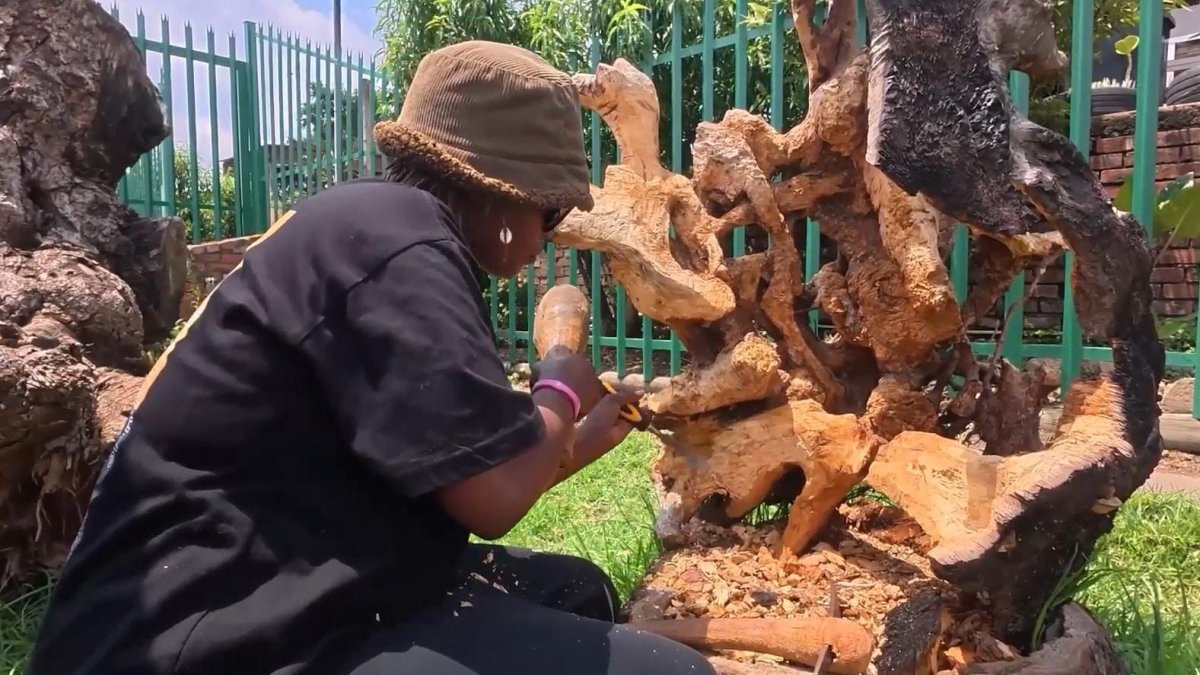
At the heart of this transformation is the Alexandra River Collective, a group of about 13 local artists who have dedicated themselves to the river's revival. Using materials pulled directly from the water — tyres, bricks, rocks, tree trunks, and other waste — they have created a series of sculptures known as the Alexandra River Creature Series. Each piece is a response to the river, a conversation between the artist and the environment that surrounds them.
The sculptures were inaugurated in 2025 as part of SUNCASA, or Scaling Urban Nature-Based Solutions for Climate Adaptation in Sub-Saharan Africa, a project funded by the Canadian government. SUNCASA is revitalising three sites across the region, with the Jukskei River being one of the flagship locations. The project's goal is not just to clean the river but to demonstrate how nature-based solutions can address the twin challenges of climate change and urban degradation.
For the artists, the river is both a canvas and a collaborator. Each sculpture tells a story — of the river's history, of the community's struggles, and of the resilience that defines Alexandra. The creatures that emerge from the waste are not just art; they are symbols of a community refusing to be defined by its problems.
The Alexandra River Creature Series has quickly become a point of pride for residents, who stop to admire the sculptures on their way to work or school. The pieces are not static; they evolve as the river changes, with new works added and old ones reimagined. It is a living gallery, one that reflects the ongoing relationship between the community and its river.
The project has also drawn attention from beyond Alexandra, with visitors from across Johannesburg coming to see the sculptures and learn about the river's revival. For the artists, this recognition is validation of their belief that art can be a force for change, not just aesthetically but socially and environmentally.
Artist Voices: Working With the River
Sipho Gwala, born and raised in Alexandra, has a deep connection to the Jukskei that goes back to his childhood. He remembers the crabs he used to see in the river, creatures that have since disappeared as pollution took hold. Today, Gwala creates crab sculptures from discarded bricks and building waste, a tribute to the river's lost inhabitants and a reminder of what is at stake.
"People are renovating their houses," Gwala explains, his voice carrying the weight of lived experience. "Instead of going wide, they are going up. So, they take that trash, whether it's bricks or cement, and they throw it in the river or by the river banks." For Gwala, the river is not just a source of materials but a partner in creation. "So, I liked the concept of working with the river. It was a collaboration. Taking the brick that's eroded by the river, and then making a sculpture with it."
Phumzile Sizakele, a multidisciplinary artist and member of the Alexandra River Collective, works on a different scale. She hauls massive tree trunks out of the Jukskei and carves them into wooden bird sculptures, inspired by the hadedas that are a familiar sight in the area. The birds, with their distinctive calls, are a reminder of the life that still thrives along the river, even in the face of adversity.
For Sizakele, the carving process is deeply personal. "As I was carving, I actually realised that it's sort of like therapy for me," she says. "I'm allowed to hit as hard as I want, and chop it, and damage it, and then create something nice out of it." Her words speak to the cathartic power of art, not just for the artist but for the community that witnesses the transformation.
The artists' voices are united by a common theme: the river is not just a problem to be solved but a source of inspiration and identity. Their work is a testament to the idea that beauty can emerge from the most unlikely places, and that art has a role to play in healing both the environment and the community.
How Nature-Based Solutions Work in Alexandra
Chanel Pather, the SUNCASA Programme Manager, is clear about the project's objectives. "The purpose of SUNCASA is to implement nature-based solutions to mitigate things like the urban heat island effect, as well as flooding along the Jukskei River," she explains. The approach is holistic, combining river rehabilitation with urban greening to create a more resilient environment.
Urban greening is a key component of the strategy. "Through urban greening, for example, we mitigate this heat effect that a very urban city, like Johannesburg, is currently facing," Pather says. Trees and vegetation not only cool the air but also absorb excess water, reducing the risk of flooding. Over 5,000 trees have been planted along the Jukskei, transforming the riverbanks into a green corridor that benefits both people and wildlife.
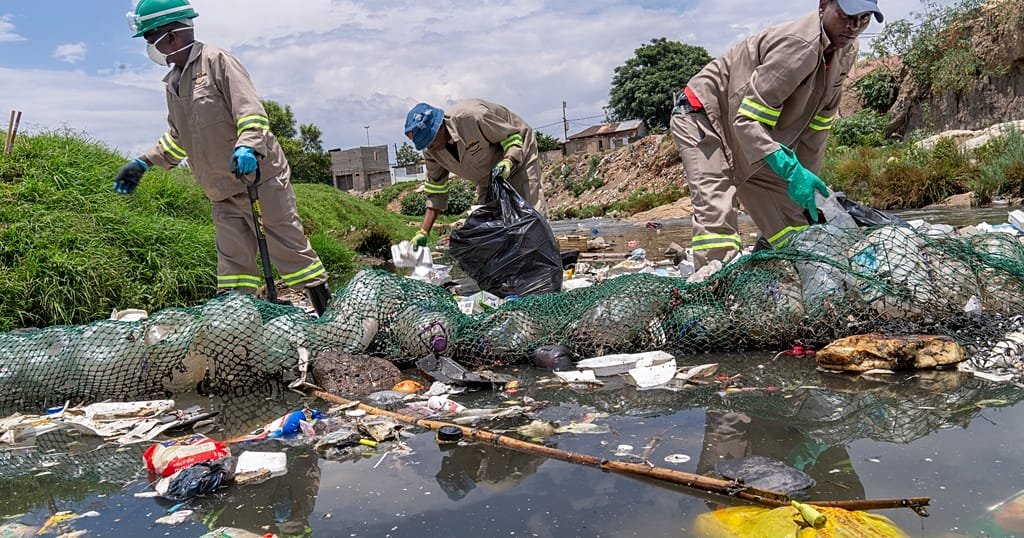
The project also involves debris management, with teams working daily to remove pollutants and large debris from the river. This work, carried out in partnership with the Alexandra Water Warriors, ensures that the river remains navigable and that residents are not caught in dangerous currents during heavy rains. It is a practical, on-the-ground effort that complements the artistic vision of the collective.
Nature-based solutions are gaining traction across African cities as a way to address climate change while improving quality of life. In Alexandra, the approach is proving that environmental restoration can go hand in hand with community development, creating jobs, beautifying public spaces, and fostering a sense of ownership among residents.
The success of the project lies in its integration — art, environmental science, and community action working together toward a common goal. It is a model that could be replicated in other cities across the continent, where rivers and green spaces are often neglected in the rush to develop.
The Water Warriors Behind the Cleanup
Behind the sculptures and the trees lies the tireless work of the Alexandra Water Warriors, a volunteer group of over 3,000 people who have been cleaning the Jukskei since 2019. The group is one of five local partners that the SUNCASA project has boosted with training and salaries, recognising that sustained cleanup requires more than just goodwill.
Paul Maluleke, co-founder of the Alexandra Water Warriors, explains how the cleanup effort feeds directly into the art installations. "We are always cleaning the river," he says. "The biggest challenge now is those tree logs, which we have also made a plan to make sure that we use them for repurposing, or for art installations." The logs that once clogged the river are now being transformed into sculptures, closing the loop between waste and art.
The Water Warriors' work is relentless. Every day, volunteers wade into the river to remove pollutants and large debris, ensuring that the water can flow freely and that residents are safe from flooding. Their efforts have not only improved the river's health but have also created a sense of community pride and purpose.
For Maluleke, the river is personal. He has lived in Alexandra his whole life and has seen the damage that neglect can cause. The Water Warriors are his answer to that neglect — a grassroots movement that proves that ordinary people can make an extraordinary difference.
The partnership between the Water Warriors and the SUNCASA project is a model of how external funding can amplify local efforts. By providing training and salaries, the project has ensured that the cleanup is sustainable, not just a one-off event but an ongoing commitment to the river's health.
From Problem to Park: What It Means for the Community
The transformation of the Jukskei has not gone unnoticed by residents. Harry Nakeng, a youth activist and lifelong resident of Alexandra, has watched the changes with a mix of pride and hope. "Having community people cleaning, make sure that the river is clean, and taking the waste, making beautiful art, so that people could enjoy the park — so in the afternoon you'll find a lot of kids playing here," he says.
The riverside area, once avoided by families, has become a gathering place. Children play in the park while parents relax on benches, surrounded by sculptures that tell the story of their community's resilience. The river, once a source of shame, has become a source of joy.
The sculptures have become a testament to the power of turning a problem into an attraction. They are not just art; they are a statement that Alexandra is not defined by its challenges but by its creativity and determination. The project has also created economic opportunities, with artists and volunteers earning incomes from their work.
For African cities facing similar challenges, Alexandra offers a powerful example. From Dakar to Saint-Louis, from Lagos to Nairobi, rivers and green spaces are often neglected, but the Jukskei shows that restoration is possible when communities take the lead. The combination of environmental action, public art, and community engagement is a formula that could inspire similar projects across the continent.
In Senegal, where the Senegal River and the beaches of Dakar face their own environmental pressures, the lessons from Alexandra are clear. Community-driven environmental art can transform not just landscapes but also perceptions, turning neglected spaces into sources of pride and identity.
What to Watch For
The future of the Alexandra River Creature Series is bright, with plans to expand the collection and involve more artists from the community. The sculptures are not static; they will evolve as the river changes, reflecting the ongoing relationship between the community and its environment.
SUNCASA's plans for the three revitalised sites are ambitious, with the Jukskei serving as a flagship for the project's approach. The goal is to demonstrate that nature-based solutions can be scaled across Johannesburg's 150 kilometres of rivers, transforming the city's waterways into green corridors that benefit both people and wildlife.
The question of scale is crucial. Can the model — combining river cleanup, paid community work, and public art — be replicated across the city and beyond? The early signs are promising, with interest from other municipalities and organisations looking to learn from Alexandra's example.
The project also aligns with broader climate adaptation goals across Sub-Saharan Africa, where cities are increasingly vulnerable to flooding, heat, and other climate impacts. Nature-based solutions offer a cost-effective and community-friendly way to address these challenges, and Alexandra is proving that they work.
Other African cities could learn much from Alexandra's example. The combination of environmental restoration, artistic expression, and community engagement is a powerful formula that can be adapted to local contexts. Whether it is the beaches of Dakar or the rivers of Lagos, the principles are the same: involve the community, use local resources, and create something beautiful.
The ongoing role of volunteers like the Water Warriors will be crucial to the project's long-term success. Their dedication ensures that the river remains clean and that the sculptures continue to inspire. As the project grows, so too will the sense of ownership and pride among residents, ensuring that the Jukskei remains a source of life and beauty for generations to come.
By Amara Diop, Staff Writer
This article was produced with AI-assisted research and editorial support. Reporting is based on sources cited in the article.
What's Your Reaction?
 Like
0
Like
0
 Dislike
0
Dislike
0
 Love
0
Love
0
 Funny
0
Funny
0
 Wow
0
Wow
0
 Sad
0
Sad
0
 Angry
0
Angry
0

West Africa/Sahel Correspondent at Global1.News. Dakar-based journalist covering politics, security, climate, and development across Francophone and Anglophone West Africa. Tells the stories of a region undergoing profound transformation.










Comments (0)