
More foreign tourists are visiting Mexico for its culture than for any other reason — including beach resorts
Mexico’s tourism landscape is shifting, and the change is being felt from the bustling streets of Guadalajara to the quiet plazas of the smallest ejido.
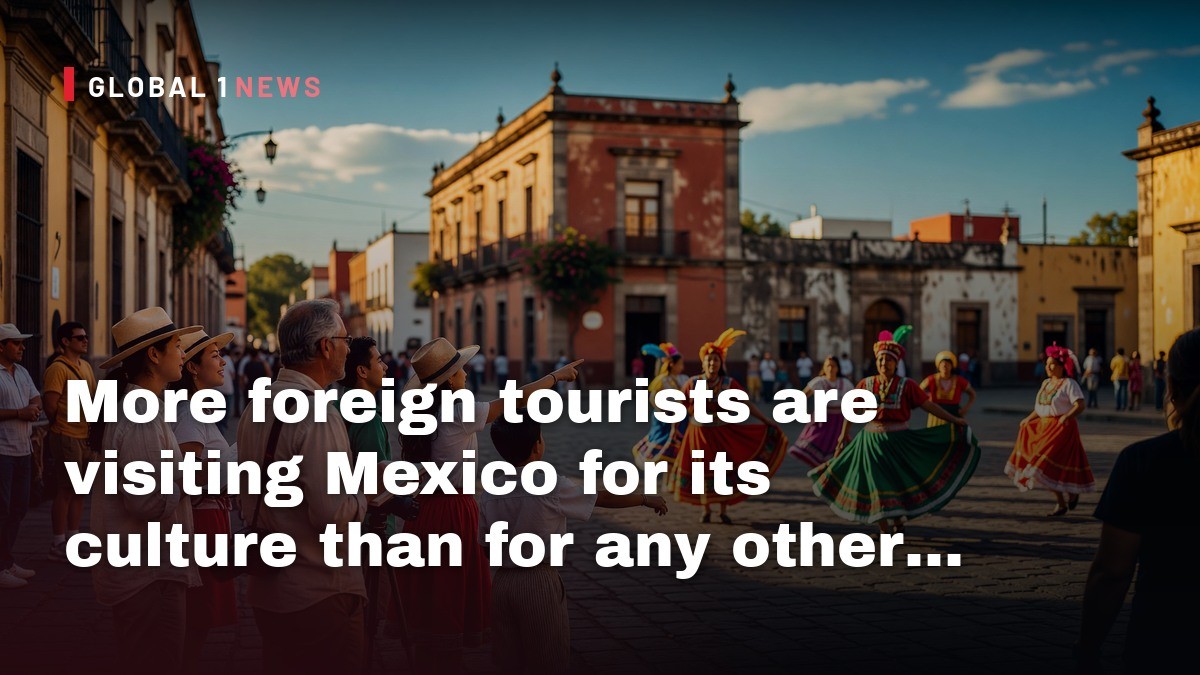
Mexico’s tourism landscape is shifting, and the change is being felt from the bustling streets of Guadalajara to the quiet plazas of the smallest ejido. At a recent gathering of industry professionals, Tourism Minister Josefina Rodríguez Zamora announced that the country welcomed 67.7 million foreign arrivals in the first eight months of 2026—a two‑decade high. More striking than the sheer volume, however, was the motive behind the surge: a majority of visitors are coming for Mexico’s cultural riches, not just its sun‑kissed beaches.
Culture Takes Center Stage
Rodríguez told the assembled crowd that roughly 36.3 percent of this year’s tourists cited cultural tourism as their primary reason for coming. That share more than doubles the 15‑16 percent who said they were drawn by beach vacations. The data points to a growing curiosity about Mexico’s history, archaeology, art and the vibrant ethnic mosaic that defines everyday life in towns from Oaxaca’s tianguis to the colonial streets of Guanajuato. Travelers are swapping surfboards for museum tickets, seeking the flavors of regional cuisine and the stories of indigenous communities that have long been the heart of the nation’s identity.
This cultural turn aligns with a broader global trend where tourists increasingly value authentic experiences over generic sun‑and‑sand packages. For Mexican families, the influx of culturally‑motivated visitors translates into new opportunities for local artisans, guides and small‑scale operators who have traditionally been on the margins of the tourism economy. As Rodríguez emphasized, the government’s model now highlights regional service providers, giving them a platform to showcase the traditions of their own colonia or pueblo mágico.
The ITB Americas Showcase
The announcement came during the opening ceremony of the inaugural ITB Americas trade show in Guadalajara, an event set to run through Thursday. Organizers expect about 5,000 representatives from 61 countries to converge, with participation from all 31 Mexican states plus Mexico City. The fair will feature roughly 300 exhibiting companies and organizations, alongside an equal number of specialized buyers. While the direct economic impact of the show is projected at around US $13 million, its significance lies in the networking and partnership opportunities it creates for regional operators eager to tap into international markets.
For many small‑scale entrepreneurs, the trade show represents a doorway to the world. A family‑run tortillería in a Veracruz colonia, for example, can now meet potential buyers from Europe or Asia, leveraging the heightened interest in Mexican culinary heritage. The presence of state delegations underscores a coordinated effort to distribute tourism benefits beyond the traditional hotspots of Cancun and Los Cabos, fostering a more equitable flow of visitors across the nation’s diverse landscapes.
Sports Tourism on the Rise
While culture now leads the pack, sports tourism continues its upward trajectory, buoyed by the lingering excitement of the 2026 FIFA World Cup. Rodríguez highlighted that the momentum also stems from the Mexican Formula 1 Grand Prix, a series of international marathons, cycling tours, open‑water swimming contests, and surf competitions. Tennis and golf tournaments add further layers to the sports portfolio, drawing enthusiasts who combine athletic pursuits with cultural exploration.
These events often intersect with local traditions, turning a marathon route into a moving showcase of historic neighborhoods or a cycling race through the Sierra Madre that passes ancient ruins. The synergy between sport and culture amplifies Mexico’s appeal, encouraging visitors to linger longer and engage more deeply with the places they traverse.
Mexico’s Global Standing
According to Rodríguez, Mexico now ranks as the sixth most‑visited country worldwide and holds the top spot in the Americas. The government’s Plan México strategy aims to lift the nation to the fifth position by 2030. This ambition is anchored in a multifaceted approach that blends cultural promotion, infrastructure upgrades and targeted training for regional operators.
Achieving a higher global rank requires more than just numbers; it demands a compelling narrative that resonates with travelers. By foregrounding cultural assets—from the murals of Mexico City to the living traditions of indigenous communities—Mexico positions itself as a destination where history and modernity coexist, offering a richer tapestry than the conventional beach resort model.
Investing in the Future
Central to the plan is a pledged investment of $42 billion in the tourism sector by 2030. The funds are earmarked primarily for hotel and airport infrastructure, as well as training programs for regional operators. By improving connectivity and service quality, the government hopes to enhance the overall visitor experience while ensuring that benefits reach the smallest towns and villages.
Training initiatives aim to professionalize local guides, improve hospitality standards in family‑run inns, and equip artisans with marketing skills to reach global audiences. This capacity‑building effort reflects a commitment to sustainable tourism that respects cultural heritage and supports economic development at the grassroots level.
Entertainment Tourism Takes the Lead
Mexico City has recently outpaced international metropolises such as London and Singapore in entertainment tourism, a shift Rodríguez attributes to the city’s ability to host world‑class concerts and cultural events. The capital’s vibrant nightlife, coupled with its rich museum scene and historic neighborhoods, draws visitors who seek a blend of modern entertainment and deep cultural immersion.
This rise in entertainment tourism reinforces the broader narrative that Mexico’s appeal is no longer confined to its beaches. Concertgoers, theater lovers and festival attendees are becoming a significant segment of the tourist mix, further diversifying the economic impact across sectors and regions.
Looking Ahead: A More Inclusive Tourism Model
The data presented by Rodríguez paints a picture of a tourism industry in transition—one that is moving away from a monolithic beach‑centric model toward a more inclusive, culturally rich framework. By emphasizing regional service providers, investing heavily in infrastructure and training, and showcasing the nation’s artistic and historic treasures, Mexico is crafting a tourism narrative that resonates with families, workers and migrants alike.
For ordinary Mexican families, this shift promises new sources of income and a renewed pride in their local heritage. For visitors, it offers a deeper, more authentic connection to the country’s soul—from the bustling tianguis of Oaxaca to the quiet chapels of a remote ejido. As Mexico strives to climb higher on the global tourism ladder, the focus on culture, community and inclusive growth may well become the defining legacy of this decade’s tourism renaissance.
This article was produced with AI-assisted research and editorial support. Reporting is based on the source material cited below. Sources: Mexico News Daily; mexiconewsdaily.com; Global1.News (12 November 2026).
By Rosa Martinez, Staff Writer
What's Your Reaction?
 Like
0
 Dislike
0
 Love
0
 Funny
0
 Wow
0
 Sad
0
 Angry
0

Latin America/Andes Correspondent at Global1.News. Based in Bogota, covering politics, environment, energy, and social movements across the Andean region. Passionate about environmental journalism and communities protecting their land.












Comments (0)