
From Sudan to Spain: Football Gives a Refugee Hope in Madrid
Aboubaker left Sudan in 2022 at age 23, crossing five countries and the Sahara Desert to reach Europe in search of safety and opportunity. Today the 27-year-old rebuilds his life in Madrid through football, steady work and the support of a tight Sudanese community, even as war rages back home.
Aboubaker left Sudan in 2022 at age 23, crossing five countries and the Sahara Desert to reach Europe in search of safety and opportunity. Today the 27-year-old rebuilds his life in Madrid through football, steady work and the support of a tight Sudanese community, even as war rages back home. His story, told in the Al Jazeera Originals documentary "From Sudan to Spain: Between war and home," shows how the beautiful game serves as both a personal anchor and a bridge to a new society.
Sudanese Migrant Finds Hope in Madrid Football as Sudan Crisis Deepens
Madrid, Spain - August 2026 — Aboubaker watches the Al Jazeera Originals documentary "From Sudan to Spain: Between war and home," directed by Chiara Brambilla and released this week, from his Madrid apartment. The film traces his 2022 journey out of Darfur and his current efforts to integrate through local football leagues. His experience mirrors thousands of Sudanese arrivals who now train and compete alongside Spanish players in the capital's amateur divisions.
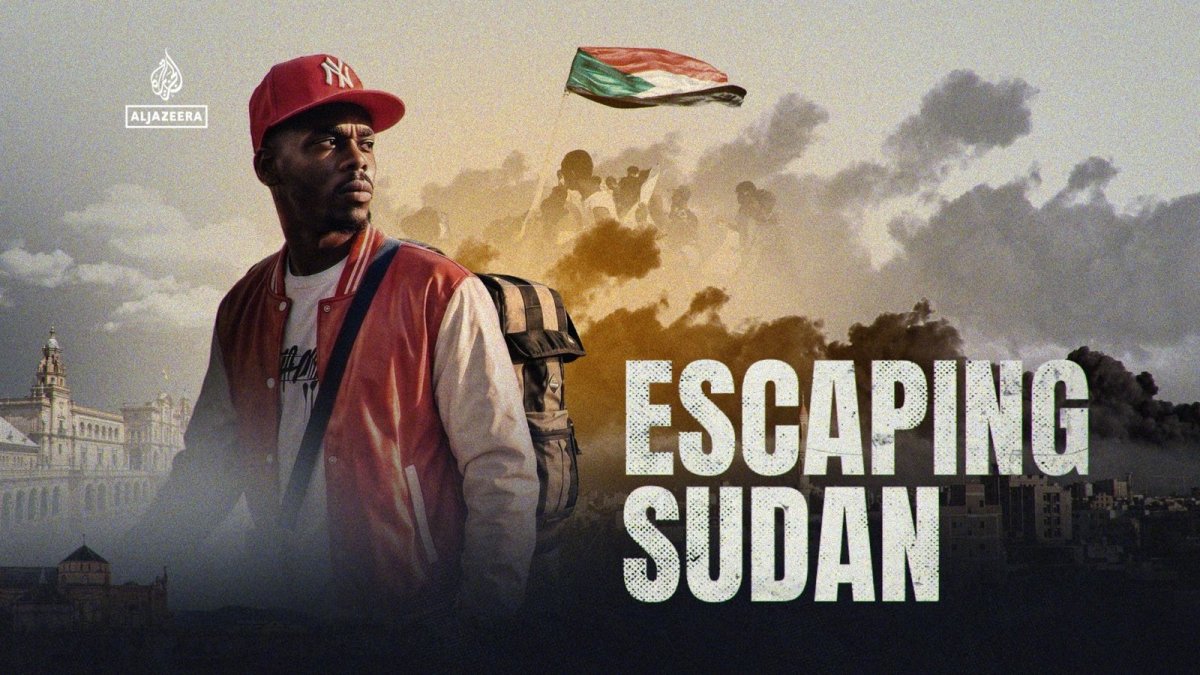
From War to a New Life: Football as a Lifeline
Aboubaker reached Madrid before the April 2023 outbreak of fighting between the Sudanese Armed Forces and the Rapid Support Forces. He secured employment and joined informal training sessions that evolved into regular matches in a local Madrid league. The Spanish Commission for Refugees (CEAR) football team, officially recognised by the Spanish Olympic Committee, fields players from multiple conflict zones and competes weekly against neighbourhood sides, fostering direct contact between locals and newcomers.
Each weekend Aboubaker trains on municipal pitches in the city's southern districts, where drills focus on possession and quick passing rather than physical confrontation. The routine gives structure after years of displacement and supplies a network of teammates who share similar migration histories. Participation in these matches has helped him obtain stable housing and language classes through club connections.
For South African sports fans this matters because it shows how grassroots football turns displacement into structure, much like SAFA grassroots programmes that channel young migrants into organised training to build stability and community ties. The possession drills and teammate networks helping Sudanese players in Spain secure housing mirror the sense of belonging that Premier Soccer League clubs such as Kaizer Chiefs and Orlando Pirates foster among diverse squads.
Darfur Under Siege: A Family's Nightmare From Afar
Aboubaker's relatives remain in Darfur, where the Rapid Support Forces captured El Fasher in late October 2025 after an 18-month siege. United Nations reports recorded more than 6,000 deaths in the three days following the final assault. Amnesty International documented crimes against humanity and ethnic cleansing during the campaign, leaving Aboubaker reliant on sporadic phone messages for updates on his family's safety.
The broader Sudan crisis now ranks as the world's largest displacement emergency, with 13.6 to 14 million people uprooted according to 2026 UN, OCHA, WHO and UNICEF figures. Of these, 9.3 million are internally displaced and 4.3 to 4.4 million have crossed into neighbouring countries. Humanitarian agencies report 33.7 million people, including 17.3 million children, require assistance.
The numbers behind the human catastrophe are staggering: 4,200 recorded cases of sexual violence used as a weapon of war, 15,000 children suffering severe acute malnutrition, 42,200 confirmed cholera cases, and 213 attacks on health facilities that have killed 2,000 people — 82 percent of all global deaths from such incidents. Around 500 civilians have been killed in under three months of renewed fighting, and the conflict now stretches past 1,000 days. These figures underscore why Sudanese migrants keep moving toward European cities like Madrid, where sport offers rare stability.
The Beautiful Game as Refuge: Madrid's Refugee Football Movement
The CEAR refugee squad plays in Madrid's amateur divisions, where matches against local clubs draw mixed crowds and post-game social events. Organisers report that regular fixtures have reduced reported tensions in neighbourhoods with high migrant populations. Sudanese players form one of the larger groups within the squad, bringing tactical discipline shaped by years of street football in Khartoum and Darfur.
Aboubaker's team travels by metro to away games across the city, carrying kits donated by Spanish clubs. These outings provide rare moments of normalcy and collective purpose. Coaches emphasise teamwork drills that mirror the cooperation needed for successful integration into Spanish society, channelling energy away from confrontation toward teamwork and language skills.
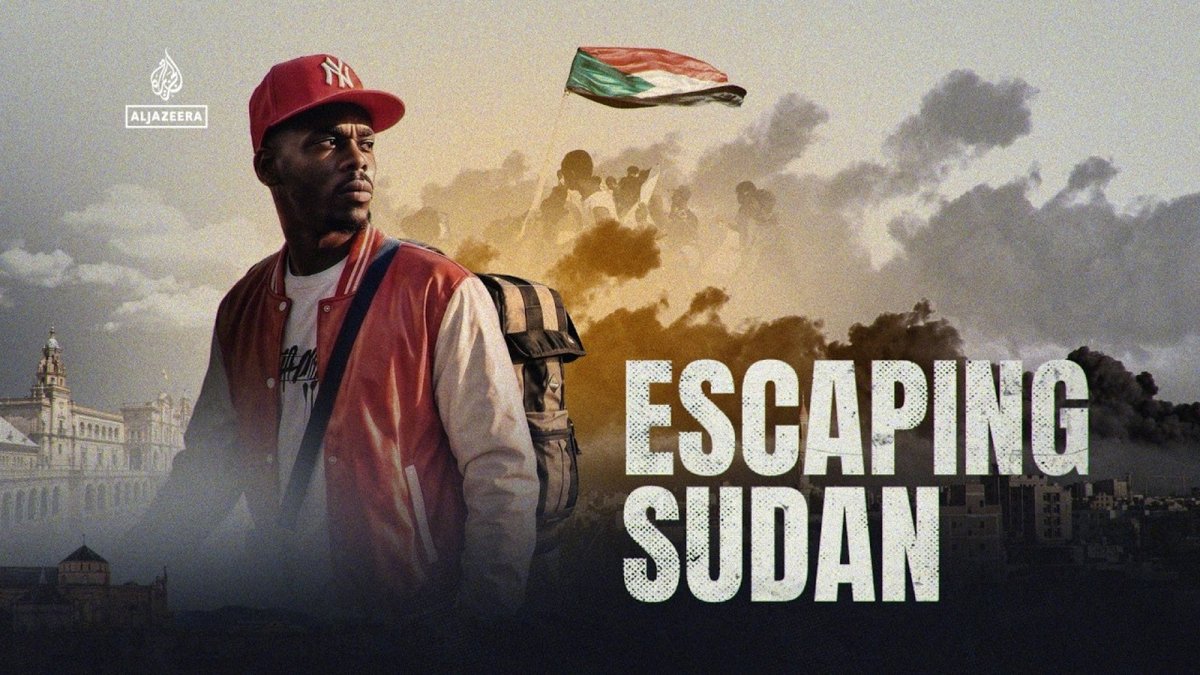
UNHCR's Gamechanging Team and the 2026 World Cup
In May 2026 the UNHCR announced its Gamechanging Team, a symbolic eleven featuring footballers with refugee or displacement backgrounds ahead of the FIFA World Cup in the United States, Canada and Mexico. Captain Alphonso Davies, born in a Ghanaian refugee camp after his family fled Liberia, leads a side that includes Real Madrid midfielder Eduardo Camavinga, born in Angola during civil war, and Antonio Rüdiger, whose parents fled Sierra Leone. UN High Commissioner for Refugees Barham Salih stated the squad aims to deliver a message of hope during the tournament's record participation of ten African nations.
Spain defeated Argentina 1-0 in the final on 19 July through a Ferran Torres extra-time goal. South Africa's Bafana Bafana advanced to the Round of 32, marking the nation's first knockout-stage appearance in the modern era. The presence of displaced athletes on the global stage resonates with migrant communities watching from European cities — and with supporters back home in South Africa, where the unifying power of football has deep roots.
South Africa's Own Story: Migration, Unity and the Power of Sport
South Africa hosts substantial refugee and migrant populations who participate in Premier Soccer League matches and local amateur leagues. The South African Football Association lists transformation and grassroots development among its core priorities, using the sport to promote social cohesion across communities. Clubs such as Kaizer Chiefs, Orlando Pirates and Mamelodi Sundowns regularly field players from diverse backgrounds, reflecting the same integration patterns seen in Madrid's refugee teams.
Football's role in building national unity remains central to South African sporting culture. Grassroots programmes supported by SAFA and SASCOC channel young migrants into structured training, mirroring the CEAR model. These initiatives demonstrate how the game can turn displacement into shared purpose on the pitch — a lesson that echoes through our own history, from the anti-apartheid struggle's township football to Bafana Bafana's knockout run at this year's World Cup.
With record participation of ten African nations at the 2026 tournament, the spotlight on displaced athletes resonates here as a reminder that sport turns hardship into hope. South African supporters understand this power intimately: inclusive football policies create stronger communities and give everyone a chance to contribute to the beautiful game.
What to Watch For
Continued expansion of refugee-inclusive leagues in European capitals will shape how cities absorb new arrivals from Sudan and other conflict zones. South African clubs and federations can draw direct lessons from Madrid's CEAR programme when refining their own migrant integration policies, particularly as the country's own communities welcome people fleeing crises across the continent.
The 2026 World Cup spotlight on athletes with displacement backgrounds offers a platform to highlight both the scale of the Sudan crisis and the unifying potential of sport across continents. For every Aboubaker on a Madrid municipal pitch, there is a reminder that the beautiful game remains one of the most powerful forces for belonging the world has — and South Africa, with its own journey through division to unity, knows that truth better than most.
By Dante Williams, Staff Writer
This article was produced with AI-assisted research and editorial support. Reporting is based on sources cited in the article.
What's Your Reaction?
 Like
0
Like
0
 Dislike
0
Dislike
0
 Love
0
Love
0
 Funny
0
Funny
0
 Wow
0
Wow
0
 Sad
0
Sad
0
 Angry
0
Angry
0

Breaking News and Investigations Correspondent at Global1.News. Based in London, covering global breaking news, security, and investigative stories. Known for digging deeper and connecting the dots across continents.










Comments (0)