
Free Open-Source AI Image Models Run Locally on Low-VRAM GPUs
The era of paying monthly subscriptions for AI image generation is being challenged by a new wave of free, open-source models that run entirely on consumer GPUs with under 8GB of VRAM. A deep-dive video from the Aitrepreneur YouTube channel (@Aitrepreneur) highlights just how far these local models have come, demonstrating that high-quality image synthesis no longer requires cl
The era of paying monthly subscriptions for AI image generation is being challenged by a new wave of free, open-source models that run entirely on consumer GPUs with under 8GB of VRAM. A deep-dive video from the Aitrepreneur YouTube channel (@Aitrepreneur) highlights just how far these local models have come, demonstrating that high-quality image synthesis no longer requires cloud credits or data-center hardware.
Free Open-Source AI Image Models Run on Consumer GPUs Under 8GB VRAM, Challenging Paid Subscription Services
Atlanta, GA – June 2026 — The latest generation of open-source AI image generation models is rewriting the rules of who gets access to advanced creative tools. As demonstrated in an 18-minute breakdown by the Aitrepreneur channel (video ID: W2G8mbbxAg0), these models produce competitive results on widely available consumer graphics cards — no cloud subscription required.
Democratization of AI Image Generation
The rapid emergence of free open-source AI image models marks a decisive break from subscription-based services. As detailed in the June 2026 Aitrepreneur YouTube video, tools now deliver high-quality outputs without recurring fees, directly challenging the paywalls of established platforms like Midjourney ($10/month) and DALL-E 3 (via ChatGPT Plus at $20/month).
This shift empowers users previously locked out by costs. Open-source releases allow anyone with compatible hardware to generate images locally, removing financial barriers that previously limited access to advanced features reserved for paid tiers. Community-driven development accelerates feature additions, such as improved prompt adherence and style consistency, all available at no cost through public repositories on Hugging Face and GitHub.
Hardware Requirements and Accessibility on Consumer GPUs
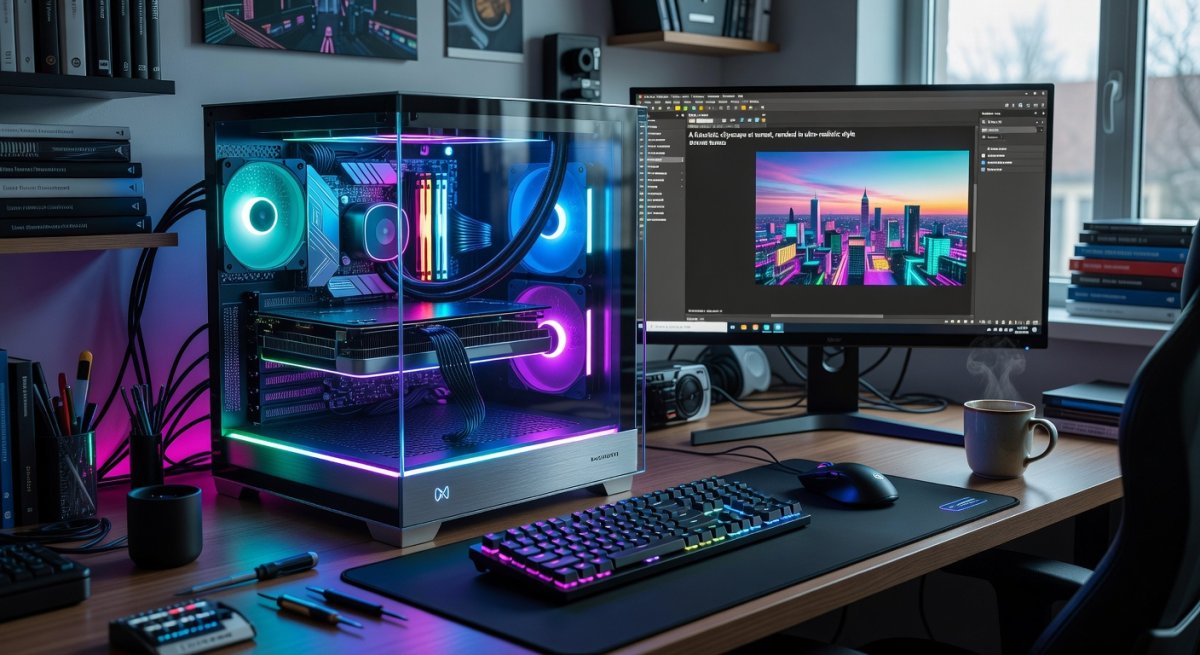
These models operate efficiently on GPUs with under 8GB VRAM, including widely available cards such as the NVIDIA RTX 3060 (6GB), RTX 4050 mobile variants, and AMD Radeon RX 6600 series. The Aitrepreneur video demonstrates real-time generation at 512x512 resolution using optimized quantization techniques like 4-bit and 8-bit precision that reduce memory footprint without significant quality loss.
Accessibility extends to laptops and desktops from 2023 onward, where users install packages directly without specialized servers. Memory management features in recent model architectures reduce peak VRAM usage by up to 40 percent compared to earlier versions, making it possible to run on systems with as little as 4GB of dedicated video memory.
Installation typically requires under 10 minutes on Windows or Linux systems with CUDA support, broadening participation beyond professional studios to hobbyists, students, and independent creators in underserved markets.
Comparison with Paid Alternatives: Midjourney, DALL-E, and Adobe Firefly
Midjourney v6.1 requires a $10 monthly subscription for standard-tier access, while DALL-E 3 via ChatGPT Plus costs $20 monthly. Adobe Firefly integrates with Creative Cloud subscriptions starting at $54.99 annually but enforces strict content filters and mandates cloud processing. In contrast, the open-source models featured in the Aitrepreneur video produce comparable prompt fidelity at zero ongoing expense on local hardware.
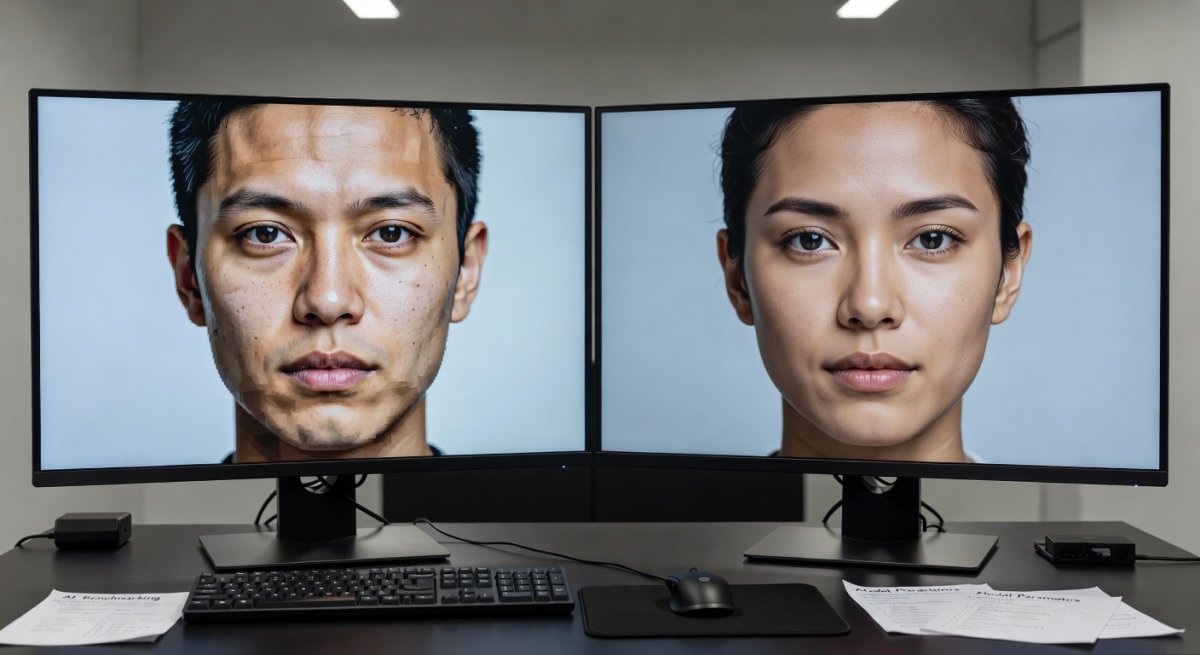
Benchmark tests shown in the video indicate generation speeds of 4-8 seconds per image on modest GPUs versus 2-5 seconds on cloud servers, with the quality gap narrowing significantly through community fine-tunes released weekly. Local models also offer unrestricted output options, full control over model weights, and the ability to fine-tune on custom datasets — capabilities locked behind enterprise tiers in commercial offerings.
The Open-Source AI Community Accelerating Innovation
Since early 2025, model releases have followed a compressed timeline, with major updates appearing every 10-14 days. The Aitrepreneur video references architectures building on Stable Diffusion XL derivatives, optimized specifically for low memory footprints through techniques like model pruning, distillation, and quantization-aware training.
Contributors on platforms like Hugging Face share LoRA adapters and ControlNet modules that enhance specific capabilities — better anatomy rendering, text integration, style emulation — all tested and validated by thousands of users within hours of upload. This distributed development model outpaces corporate release cycles, incorporating user feedback directly into nightly builds and achieving measurable gains in metrics like FID scores on standard datasets.
Notably, many of these models are released under permissive licenses (Apache 2.0, MIT, CreativeML Open RAIL-M), allowing commercial use, modification, and redistribution without licensing fees or royalties.
Privacy and Data Control with Local AI Models
Running inference entirely on-device eliminates transmission of prompts or generated images to external servers. This addresses documented concerns over data retention policies at companies operating Midjourney and OpenAI services, where user prompts and generated content may be used for model training and improvement.
Users retain full ownership of custom fine-tuned models trained on personal datasets, avoiding terms of service that grant providers rights to user-generated content. For businesses, local processing ensures compliance with regulations like GDPR and CCPA, as no data leaves the local network during the image creation process.
Enterprise applications benefit from air-gapped deployment options, where AI image generation can occur entirely offline on isolated systems — impossible with cloud-dependent subscription services.
Impact on Creators, Artists, and Small Businesses
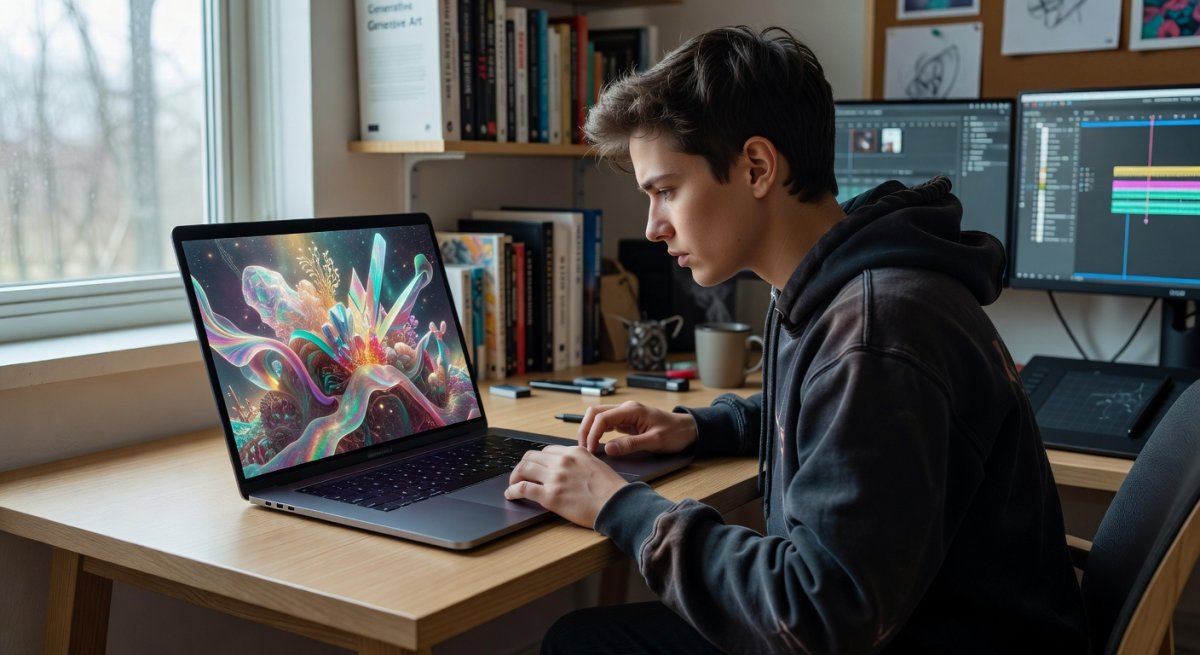
Independent artists now iterate concepts 10 times faster without subscription limits, enabling rapid prototyping for client pitches. Small businesses in graphic design and marketing report cost savings of $200-500 monthly previously spent on cloud credits or outsourced design work.
Local processing supports offline workflows critical for remote or low-connectivity environments, while preserving intellectual property through private generation sessions. Freelancers leverage these tools for custom branding assets, social media content, and product mockups, achieving output quality previously requiring agency-level resources.
What This Means for the Future of AI
The trend points toward hybrid ecosystems where cloud services focus on massive-scale training while inference migrates to edge devices. Industry analysts project that by late 2027, over 60 percent of consumer AI image tasks will occur locally, driven by continued hardware optimization and model efficiency improvements.
Hardware manufacturers are already responding — prioritizing VRAM efficiency in consumer product lines, with NVIDIA and AMD both expected to release budget-focused GPU SKUs optimized for AI inference workloads. Regulatory discussions around AI transparency and accountability could also favor open-source solutions with fully auditable codebases and community-governed development.
Continued optimization promises even lower hardware thresholds, potentially extending capable AI image generation to integrated graphics within two years — a development that would reshape market dynamics and further decentralize access to creative AI tools away from centralized providers.
What to Know
Viewers can find the full technical walkthrough and setup details in the referenced Aitrepreneur video on YouTube (video ID: W2G8mbbxAg0). The models shown are freely available through Hugging Face repositories and GitHub, requiring no paid accounts or cloud credits to begin using locally.
For users with compatible GPUs (NVIDIA GTX 1060 6GB or newer, AMD RX 5000 series or newer), installation typically involves downloading a model package and running a setup script — the Aitrepreneur video provides step-by-step guidance through the entire process.
This release reinforces that open-source development is compressing the performance gap with commercial offerings while eliminating the financial and hardware gatekeepers that have kept everyday users locked out of advanced AI image generation tools.
By Jessica Ali, Staff Writer
This article was produced with AI-assisted research and editorial support. Reporting is based on sources cited in the article.
What's Your Reaction?
 Like
0
Like
0
 Dislike
0
Dislike
0
 Love
0
Love
0
 Funny
0
Funny
0
 Wow
0
Wow
0
 Sad
0
Sad
0
 Angry
0
Angry
0

Editor-in-Chief at Global1.News. Atlanta-based journalist who cuts through the BS and tells it like it is. Lead anchor, host, and the voice you hear when the spin stops and the truth starts.















Comments (0)