
Exponential Rise in Child E-Scooter Injuries, SickKids Warns
Toronto doctors at SickKids report an exponential rise in serious e-scooter injuries among children, with three to five cases weekly and calls for stronger regulations across Ontario municipalities.
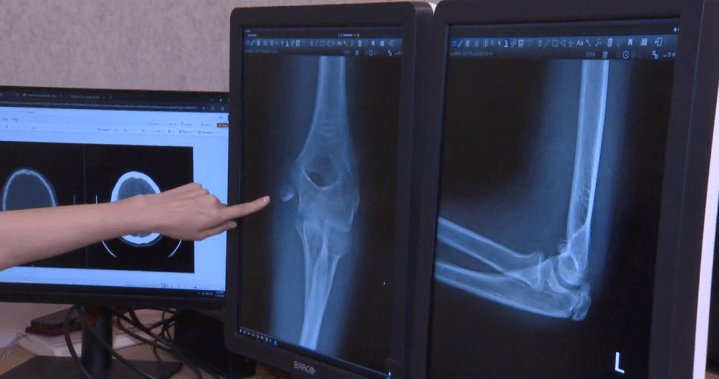
SickKids Doctors Warn of Exponential E-Scooter Injury Rise in Children
Sharp Increase in Paediatric Trauma Cases
Toronto, Ontario – August 2, 2026 — Doctors at Toronto’s Hospital for Sick Children are reporting a sharp increase in children arriving with serious injuries from e-scooter crashes. The pattern has prompted direct warnings from trauma specialists who describe the growth as exponential. Dr. Suzanne Beno, a paediatric emergency physician and co-medical director of SickKids’ trauma program, stated that e-scooter injuries reached a tipping point in 2024 and have doubled every year since. This year the hospital is seeing three to five e-scooter injuries a week.
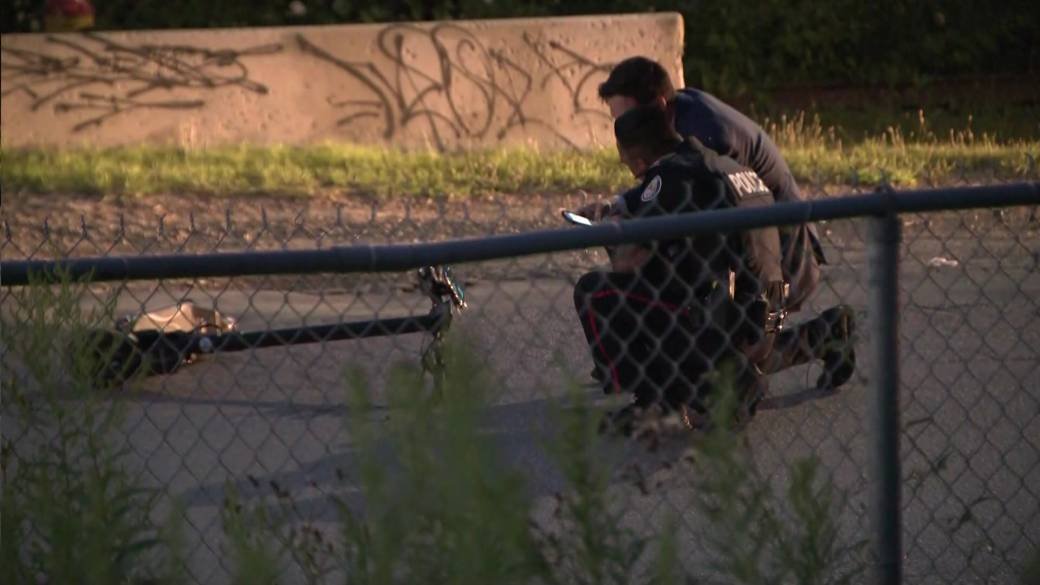
Injury Patterns and Severity
Many of the children present with injuries that extend well beyond typical playground accidents. Dr. Carolyn Rutten, a paediatric emergency radiologist at SickKids, noted that fractures seen in e-scooter cases are often more severely displaced. She described reviewing scans from these crashes as almost daily during summer months. Common injuries include head trauma, thoracic injuries, spine injuries, abdominal injuries and complex fractures. Some children require operative care, intensive care admission or prolonged rehabilitation.
Dr. Joshua Ramjist, a paediatric general surgeon and trauma medical co-director, emphasised that the injury patterns resemble those from high-speed motor vehicle collisions rather than simple falls. Traumatic brain injuries are increasing, with some cases involving skull fractures and bleeding that create dangerous pressure inside the skull. In the most severe instances surgeons have had to remove part of the skull to relieve pressure and save the child’s life. These cases often involve multiple body systems at once, with thoracic, spine and abdominal injuries appearing alongside complex fractures that are more severely displaced than those seen in typical playground falls. Treatment pathways commonly include immediate operative intervention, admission to intensive care and extended rehabilitation programmes that may span months and require repeated surgical procedures.
Regulatory Landscape in Ontario and Toronto
Toronto has maintained a ban on e-scooters for all ages and chose not to participate in Ontario’s provincial pilot project. The province launched a five-year pilot allowing e-scooters on roads in participating municipalities, yet Toronto’s decision left privately owned devices operating in a grey area with limited enforcement. Background data from 2024 showed 16 children arriving at SickKids with e-scooter injuries between June and July, compared with five in the same period the previous year. Most of those cases involved children riding without helmets, resulting in significant head trauma.
The regulatory environment across Ontario remains fragmented because Toronto has continued its outright ban on e-scooters while other municipalities joined the province’s five-year pilot project. This creates a patchwork of local rules in which devices may be permitted on roads in one city yet remain prohibited in Toronto, leaving privately owned units in a legal grey area with inconsistent enforcement. Enforcement challenges arise when municipal boundaries and differing bylaws intersect, making it difficult for families to know where riding is lawful and for police to apply rules uniformly. The absence of coordinated provincial-municipal standards has left gaps that allow higher-speed private devices to operate without the controls that applied to earlier rental fleets in participating areas.
Speed and Device Differences
Privately owned e-scooters can reach higher speeds than rental models. Rutten reported that SickKids researchers have documented crashes at speeds up to 50 kilometres per hour. Higher speeds produce greater impact forces and more severe trauma to the body. Beno noted that many parents do not realise the performance difference between privately owned devices and the slower rental versions previously available in some cities. This gap contributes to underestimation of risk by families.
Higher speeds generate substantially greater kinetic energy upon impact, resulting in more severe trauma such as displaced fractures and injuries affecting multiple body systems. In contrast to the controlled speeds of rental fleets that operated under earlier pilot conditions, privately owned devices lack those limits and have been involved in crashes reaching fifty kilometres per hour, amplifying the forces transmitted to young riders.
Recommendations from Medical Experts
The doctors stressed that helmet use alone is insufficient. Beno called for stronger public education, clearer regulations, better enforcement and safer infrastructure. She stated that children under 16 should not ride e-scooters because many lack the physical and cognitive skills required for safe operation. Ramjist observed that families often do not appreciate how serious the injuries can be until they occur. He described the injuries as multi-organ events that frequently leave children with lengthy recoveries involving repeated operations and months of rehabilitation.
Medical experts emphasise that helmet use by itself cannot address the full spectrum of hazards, calling instead for coordinated public education campaigns, clearer and more consistent regulations, stronger enforcement and infrastructure improvements that separate vulnerable road users from faster traffic. The physicians view the current pattern of injuries as entirely preventable when speed, protective equipment and developmental readiness are properly managed together. They stress that repeated exposure to these high-energy mechanisms in the trauma bay underscores the need for upstream measures that reduce the likelihood of crashes occurring in the first place, rather than relying solely on post-crash treatment to mitigate harm.
Implications for Families and Communities
The rise in cases places additional pressure on Ontario’s paediatric trauma system, already managing wait times and resource allocation across provincial health authorities. Municipal decisions on road and sidewalk use directly affect exposure for children in cities such as Toronto, Ottawa and others considering similar rules. Advocates have pointed out that the Toronto ban has created uncertainty rather than clear safety improvements. Without consistent provincial-municipal coordination, enforcement remains patchy and families receive mixed messages about where and when riding is permitted.
Beno described the situation as tragic because the injuries are preventable. The combination of speed, lack of protective equipment and developmental factors creates a clear pattern that medical staff see repeating in the trauma bay. Canadian families face added strain on already stretched paediatric trauma services when preventable injuries increase demand for beds, operating time and rehabilitation resources across provincial health networks. Parents are advised that helmet use, while essential, must be paired with close supervision and an understanding that children under sixteen often lack the physical coordination and decision-making capacity needed for safe operation on roads or sidewalks. Privately owned e-scooters differ markedly from the slower rental models once seen in some cities, reaching speeds up to fifty kilometres per hour and generating greater impact forces.
Parents are encouraged to maintain close supervision whenever children are near these devices, ensure proper helmet use at all times, respect the recommended age limit of sixteen years, and verify current local bylaws in their municipality before permitting any riding.
What Happens Next
As the provincial pilot project continues, municipalities across Ontario are evaluating their participation options and weighing potential policy adjustments that could include clearer regulations, enhanced enforcement measures and dedicated infrastructure to separate riders from vehicular traffic. Effective provincial-municipal coordination will be essential to reduce the current patchwork of rules and provide consistent guidance for families.
The medical community at SickKids intends to maintain ongoing surveillance of injury patterns while expanding public education efforts, with the expectation that these preventable cases will decrease as appropriate safeguards are implemented. The physicians convey a clear message that such injuries can be avoided when speed limits, protective equipment and developmental considerations are addressed together.
Tags: e-scooter injuries, SickKids, Toronto e-scooter ban, Ontario pilot project, pediatric trauma, Dr Suzanne Beno, child safety, micromobility regulations, head injuries, Hospital for Sick Children
By Alex Thompson, Staff Writer
This article was produced with AI-assisted research and editorial support. Reporting is based on sources cited in the article.
What's Your Reaction?
 Like
0
Like
0
 Dislike
0
Dislike
0
 Love
0
Love
0
 Funny
0
Funny
0
 Wow
0
Wow
0
 Sad
0
Sad
0
 Angry
0
Angry
0

Canada Correspondent at Global1.News. Based in Toronto, covering Canadian politics, energy, trade, and US-Canada relations. Provides the Canadian perspective on North American and global affairs.















Comments (0)