
CJNG Cell Leader 'El Ojón' Captured After Intense Air-and-Ground Chase on Guanajuato-Michoacán Border
Mexican Army, National Guard and state forces capture CJNG cell leader 'El Ojón' after an air-and-ground chase on the Guanajuato-Michoacán border, seizing rifles, grenade attachments and meth.
CJNG Cell Leader 'El Ojón' Captured After Intense Air-and-Ground Chase on Guanajuato-Michoacán Border
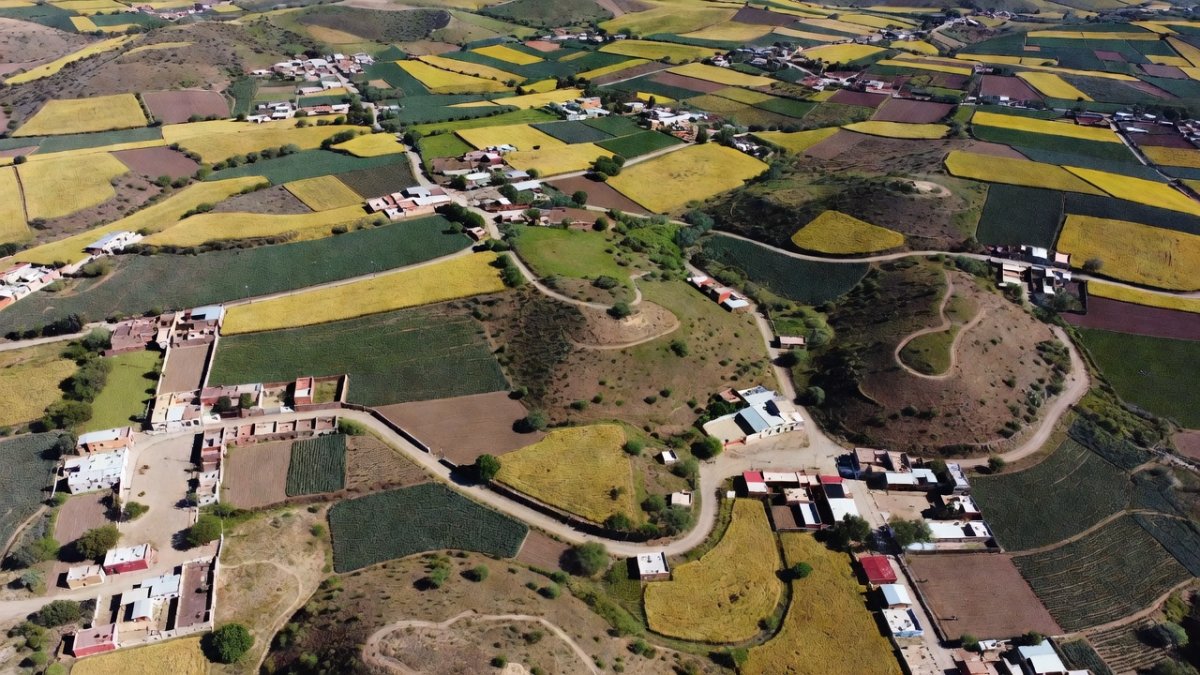
On Friday, July 24, 2026, authorities in Guanajuato launched a large-scale security operation after spotting armed individuals in tactical gear in the highland areas near Pénjamo and Guanajuato City. The pursuit crossed rural roads and dirt paths into La Piedad, Michoacán, where the group was finally stopped by joint forces.
Elements from the Mexican Army, National Guard, and state security teams from both Guanajuato and Michoacán worked together throughout the day. Ten people were detained, including Carlos Giovanni "N," known as "El Ojón," who is identified as the leader of a CJNG cell active along the state border.
The operation highlighted how quickly local sightings can lead to coordinated responses across state lines. Families living in nearby colonias watched helicopters overhead and vehicles moving along the routes that connect their communities.
Residents in Pénjamo, many of them farmers tending ejido lands, described the tension as authorities moved through the area. The chase ended without reported injuries to civilians, though the presence of security forces remained high in the following hours.
Details of the Coordinated Pursuit Across State Lines
The pursuit along the rural routes connecting Pénjamo to La Piedad drew on the federal emphasis under the Sheinbaum administration on coordination among SEDENA, the National Guard, and state security bodies, allowing teams to maintain pressure on the group even as it crossed state lines. For communities in the highlands, the operation was a visible example of agencies working across the municipal and state boundaries that criminal cells routinely ignore.
The initial alert came from observations of armed civilians in tactical clothing in the highlands. State authorities quickly activated resources, bringing in support from federal agencies to track the group along remote paths.
The route extended from Guanajuato into Michoacán, showing how criminal cells often operate without regard for municipal or state boundaries. Joint teams from both states maintained contact until the interception in La Piedad.
Local communities along these rural corridors, including small towns and farming settlements, felt the immediate effects as roads were monitored. Many residents stayed indoors while the operation continued into the afternoon.
After the captures, additional patrols were organized to search for any remaining members of the cell. These efforts involved the Mexican Army, National Guard, and Michoacán Civil Guard working in tandem.
Who 'El Ojón' Is and the Cell's Activities
The cell led by Carlos Giovanni "N" has been associated with repeated spikes in shootings and roadblocks that have interrupted harvests and family travel in communities along the Guanajuato-Michoacán border. His role as the main coordinator of armed actions against rival groups placed him at the center of disputes that have driven much of the Bajío's homicide totals in recent years.
Carlos Giovanni "N," alias "El Ojón," is described as the presumptive leader of a CJNG cell focused on the Guanajuato-Michoacán border area. Authorities link the group to coordination of armed attacks against rival factions and high-impact crimes across Guanajuato, Michoacán, and Jalisco.
The ten detainees are reported to come from Michoacán and Jalisco. The cell had been connected to confrontations with both local and federal authorities as well as other criminal groups operating in the Bajío region.
Guanajuato has faced ongoing violence tied to disputes between CJNG and other organizations. This arrest targets one node in that network, which has affected daily life for people in colonias and rural zones.
Ordinary families in the area, from campesinos working fields near Pénjamo to shop owners in Guanajuato City, have dealt with the ripple effects of such conflicts for years. The operation offered a moment of focused attention on one cell.
Arsenal and Materials Recovered During the Interception
The recovery of 85 tire-deflation devices — metal strips designed to disable pursuing vehicles on rural roads — along with hundreds of rounds of ammunition pointed to a cell equipped for sustained confrontation with authorities. The more than 200 doses of crystal meth and marijuana also raised questions about the group's dual role in violence and local drug distribution in communities along the border.
Officials seized eight long rifles, one 9mm handgun, four grenade-launcher attachments, 35 rifle magazines, and hundreds of rounds of ammunition. Additional items included 85 metal tire-deflation devices known as ponchallantas, along with tactical helmets and body armor marked with CJNG insignia.
More than 200 doses of substances consistent with crystal meth and marijuana were also recovered. All evidence and the detainees were transferred to the Fiscalía General del Estado de Michoacán for processing.
"El Ojón" is expected to appear before a federal judge to determine his legal situation. He faces accusations related to coordinating attacks and contributing to regional violence.
The quantity of equipment recovered points to the cell's capacity for sustained operations. Such seizures remove tools that have been used in confrontations affecting nearby communities.
How the Arrest Affects Everyday Life in Bajío Communities
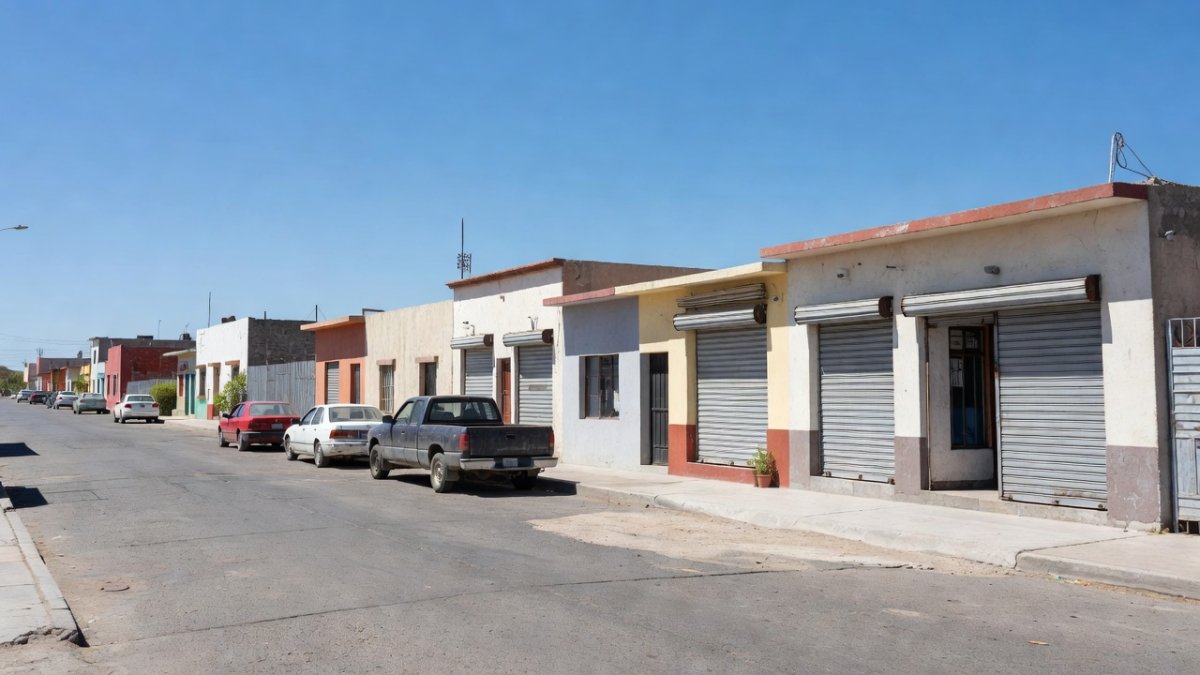
In the days after the operation, no retaliatory actions had been reported, and families in towns such as Pénjamo and La Piedad watched cautiously for signs that routines interrupted by years of security alerts could slowly return. The absence of immediate reprisals has allowed schools and clinics in the area to maintain regular hours, though residents remain alert while authorities continue searching for other cell members.
Farmers in Pénjamo and residents of La Piedad often navigate the challenges of living where these cells have operated. The July 24 operation removed a group tied to recent violence, potentially easing pressure on local routes and markets.
Small business owners and families in colonias like Miguel Hidalgo in Guanajuato City have felt the weight of past incidents, including the July 12 multihomicide during a family gathering. Renewed enforcement actions aim to reduce such risks over time.
Indigenous communities and ejido members in the highlands rely on stable conditions for their livelihoods. Coordinated efforts across states can support safer movement for workers and students traveling between towns.
While no immediate retaliatory actions were reported, local authorities continue monitoring the area. Residents express cautious hope that sustained operations will bring greater stability to the region.
Placing the Capture in the Larger Security Picture
The arrest comes at a moment of transition for the CJNG, months after the reported death of longtime leader Nemesio Oseguera Cervantes, "El Mencho," in a military operation in Jalisco in February 2026. U.S. authorities have since named Juan Carlos Valencia, a stepson of El Mencho and a U.S. citizen, as the organization's new leader, and the capture of a border cell leader tests how the restructured organization responds on the ground.
This arrest follows the reported death of longtime CJNG leader Nemesio Oseguera Cervantes, "El Mencho," in a February 2026 military operation in Jalisco. U.S. authorities have since identified Juan Carlos Valencia, a stepson of El Mencho and U.S. citizen, as the new CJNG leader.
Guanajuato remains one of Mexico's states most affected by cartel disputes in recent years. The cell led by "El Ojón" was wanted for crimes spanning multiple states, underscoring the cross-border nature of these networks.
Authorities from Presidencia and state governments continue to emphasize joint operations involving SEDENA, SEMAR, and the Guardia Nacional. These efforts connect to broader goals of reducing violence in the Bajío under the Sheinbaum administration.
Communities across the region, from taquerías in town centers to tortillerías serving rural families, stand to benefit from any reduction in cell activity. The focus remains on protecting daily routines for ordinary Mexicans.
Tags: El Ojón, CJNG, Guanajuato, Michoacán, cartel arrest, Pénjamo, La Piedad, Guardia Nacional, Bajío, organized crime
By Rosa Martinez, Staff Writer
This article was produced with AI-assisted research and editorial support. Reporting is based on sources cited in the article.
What's Your Reaction?
 Like
0
Like
0
 Dislike
0
Dislike
0
 Love
0
Love
0
 Funny
0
Funny
0
 Wow
0
Wow
0
 Sad
0
Sad
0
 Angry
0
Angry
0
Latin America/Andes Correspondent at Global1.News. Based in Bogota, covering politics, environment, energy, and social movements across the Andean region. Passionate about environmental journalism and communities protecting their land.















Comments (0)