
Ebola Ban Silences Goma's Cultural Revival as Congo Outbreak Passes 5,000
In the eastern Congolese capital of Goma, the stages that once pulsed with music and dance now sit empty. A city celebrated for its vibrant cultural scene — annual festivals, fashion weeks and a rising generation of rappers and designers — has been silenced again, this time not by war but by an Ebola outbreak that has forced authorities to ban public gatherings. For a community still healing from the trauma of the M23 takeover, the quiet is deafening.
In the eastern Congolese capital of Goma, the stages that once pulsed with music and dance now sit empty. A city celebrated for its vibrant cultural scene — annual festivals, fashion weeks and a rising generation of rappers and designers — has been silenced again, this time not by war but by an Ebola outbreak that has forced authorities to ban public gatherings. For a community still healing from the trauma of the M23 takeover, the quiet is deafening.
Ebola Ban Silences Goma's Cultural Revival as Congo's Outbreak Surges Past 5,000 Cases
Dakar, Senegal — In the Democratic Republic of the Congo's eastern capital, a hard-won cultural comeback has been halted in its tracks. Festivals had slowly returned to Goma after Rwanda-backed M23 rebels seized the city in 2025, but an Ebola outbreak now spreading faster than the 2014 West Africa epidemic has forced yet another shutdown — and the city's artists, producers and traders are feeling the weight of the silence.
A City Built on Rhythm Falls Silent
Goma, the capital of North Kivu province in eastern DR Congo, has long been known as the cultural heartbeat of the country's eastern half. The city hosts music and dance festivals and fashion shows every year, drawing artists from across the Great Lakes region and beyond. From the shores of Lake Kivu to the shadow of the Nyiragongo volcano, Goma's identity is woven into its rhythms — the thump of drums at open-air concerts, the flash of couture at Kivu Fashion Week, the freestyle battles that launch young MCs into regional stardom.
That identity was already under siege when Rwanda-backed M23 rebels took over the city in 2025, leaving hundreds dead and sending thousands fleeing toward the Rwandan border. The takeover shattered daily life, and for months the stages were dark. Yet the artists of Goma are a stubborn breed. Festivals had slowly returned before the Ebola outbreak forced another shutdown, a tentative revival that felt like a collective exhale after months of fear and uncertainty.
Now the silence has returned, and this time the culprit is invisible. Goma had only one confirmed Ebola case, but M23 authorities banned public gatherings anyway, a precautionary measure that has emptied the venues where thousands once gathered. The ban followed massive crowds that assembled to watch the Congolese team play in the World Cup, moments of shared joy that now seem like a distant memory as the city's squares sit deserted.
The timing could not be crueler. Just as Goma's creative class was finding its footing again, just as the festival posters were going up and the sound systems were being tuned, the outbreak in the surrounding provinces escalated. The single case in Goma was enough to trigger the clampdown, and the city's cultural calendar — once packed from January to December — has been reduced to a blank page.
Walking through Goma's streets today, one sees the evidence of the shutdown everywhere. The open-air venues that hosted concerts are padlocked. The fashion ateliers that prepared collections for Kivu Fashion Week have shuttered their showrooms. The radio stations that once broadcast live performances now fill airtime with public health announcements. For a city that has always used music to process its pain, the quiet is a second wound.
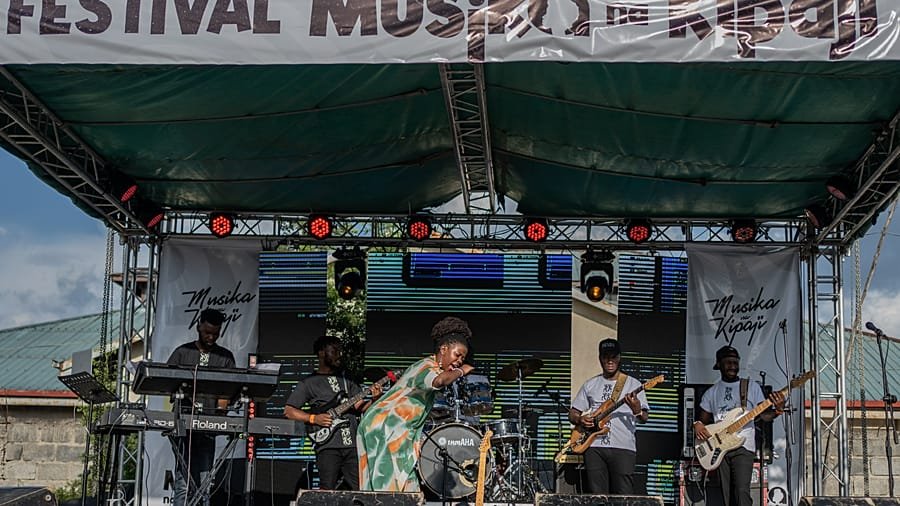
Culture as Healing in a City of Trauma
Élie Loka, a Goma-based producer and cultural organizer, has spent years building the infrastructure that made the city's revival possible. Speaking from his office overlooking the lake, he described the frustration of watching that work grind to a halt. "Nothing is progressing in culture at the moment, given the Ebola context, we are forced to slow down," Loka said, his voice carrying the weariness of someone who has navigated crisis after crisis.
For Loka, culture was never just entertainment — it was a lifeline. "What we are doing for this city in our cultural field is to make people smile again, for this population who has gone through a lot of stress," he explained. The stress he refers to is layered: the M23 occupation, the displacement, the constant threat of violence that has defined life in eastern Congo for three decades. Music and dance offered a reprieve, a space where trauma could be set aside, if only for a few hours.
"Many times we said to ourselves, by investing in culture, we can also give the population of the city of Goma the opportunity to relax," Loka added. That investment was beginning to pay off. Goma is home to many of eastern Congo's up-and-coming rappers, singers and designers, young creatives who saw the city not just as a place of conflict but as a launchpad for their ambitions. They were building studios, forming collectives, and carving out a distinct sound that blended Congolese rumba with modern hip-hop influences.
The therapeutic role of culture in post-conflict settings is well documented, and Goma is a textbook case. When the M23 takeover shattered the city's sense of normalcy, it was the artists who helped stitch it back together. Concerts became acts of defiance. Fashion shows became declarations of resilience. The creative community understood intuitively what psychologists have long argued: that expression is essential to healing.
Senegal knows this truth intimately. From Youssou N'Dour's mbalax anthems that soundtracked political change to Baaba Maal's Sahelian grooves that gave voice to the marginalized, music has been the social glue of our own nation. The Saint-Louis Jazz Festival, held each year in Senegal's northern city, has shown how culture can transform a community, drawing visitors from across the globe and giving local artists a platform to shine. Goma was building something similar — a festival culture that could anchor its recovery.
The Economic Ripple: When Stages Go Dark
The cultural shutdown is not just an artistic loss — it is an economic catastrophe for the thousands of people whose livelihoods depend on the creative economy. Jacques Kyanga, a cultural commentator and analyst based in the region, warned that producers will have little reason to invest in the city while the ban remains in place. The uncertainty alone is enough to scare off the sponsors and partners who fund Goma's events.
"When there is music there are many other disciplines that live around it," Kyanga said, describing an ecosystem that extends far beyond the artists on stage. He ticked off the list: dancers booked on stage, instrumentalists, event hosts, hotels booked for cultural visitors. A single concert in Goma could fill dozens of hotel rooms, pack restaurants, and keep a small army of technicians, security guards and vendors employed for days.
"This is a missed opportunity, not only for culture," Kyanga added, his words carrying a weight that goes beyond the immediate crisis. The creative economy in Goma was never just about art — it was about jobs, about income, about giving young people an alternative to the violence that has consumed so many of their peers. Every cancelled event is a blow to that fragile economic base.
In Goma's markets, traders said business has been slow since the Ebola outbreak began. The visitors who once came for festivals — journalists, tourists, artists from other provinces — have stopped coming. The hotels that hosted them are reporting empty rooms. The restaurants that catered to them are seeing fewer customers. The economic ripple extends far beyond the cultural sector, touching every corner of the city's economy.
The creative economy's role in the wider community cannot be overstated. In a region where formal employment is scarce, the cultural sector provided a rare avenue for young people to earn a living doing what they love. The shutdown has pushed many of them back into precarious situations, and some have already left the city in search of opportunities elsewhere. The brain drain, once started, is hard to reverse.

Festivals in Waiting: Amani, Musika Na Kipaji and the Goma Calendar
Goma's annual cultural calendar was once a point of pride for the city. Festival Amani, whose name means "peace" in Swahili, was the crown jewel — a multi-day celebration of music, art and dialogue that drew thousands of attendees from across the region. The festival was driven from Goma to Lubumbashi in 2026, a relocation that symbolized the challenges facing the city's cultural scene even before the Ebola outbreak.
Alongside Amani, the city hosted Musika Na Kipaji, a showcase of emerging musical talent that gave young artists their first taste of a professional stage. The Goma Dance Festival celebrated the region's rich movement traditions, from traditional Congolese dances to contemporary choreography. Kivu Fashion Week brought designers from across the Great Lakes region to display their creations, turning the city into a runway of African creativity.
Each of these events played a distinct role in Goma's cultural ecosystem. Amani was the anchor, the event that put the city on the international map. Musika Na Kipaji was the incubator, nurturing the next generation of stars. The dance festival was the celebration of heritage, connecting young Congolese to their cultural roots. Kivu Fashion Week was the window to the future, showing what eastern Congo could become.
The ban suspends this calendar indefinitely, and the loss is profound. For eastern Congo's artists, these festivals were more than just performances — they were opportunities to network, to learn, to be seen. They were chances to sell music, to book tours, to build careers. Without them, the region's artists are cut off from the wider African cultural economy, forced to compete for attention from a distance.
The resilience of the organizers, however, is remarkable. Many are already planning for the day the ban is lifted, keeping their networks alive through social media and small private gatherings. They know that the cultural revival of Goma is not a luxury — it is a necessity. And they are determined to see it through, no matter how long the wait.
An Outbreak Outpacing the Response
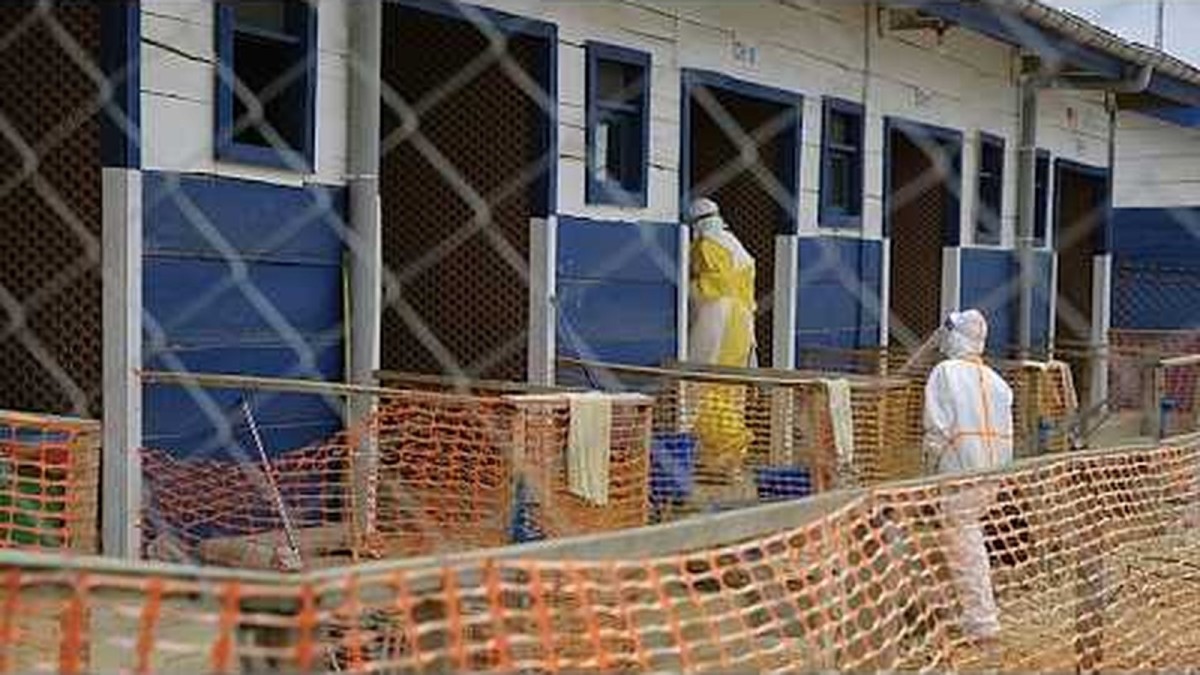
The health crisis that triggered the ban is severe. Goma remains Ebola-free for now, but the outbreak in Ituri and North Kivu provinces has outpaced response teams, spreading faster than they can contain it. The outbreak surpassed 5,000 confirmed cases this week, a grim milestone that underscores the scale of the challenge facing health workers in the region.
The numbers are staggering. The outbreak is on track to be the largest Ebola outbreak in history, and it is spreading many times faster than the 2014 West Africa outbreak that killed more than 11,000 people across Guinea, Liberia and Sierra Leone. The World Health Organization confirmed the outbreak began in May 2026 in the DRC and Uganda, involving the Bundibugyo species, for which work on vaccine candidates is ongoing.
There is some hope on the medical front. More than 16,000 doses of the Ervebo vaccine arrived in the DRC in late August, a significant boost to the vaccination campaign. Health workers are racing to vaccinate frontline responders and contacts of confirmed cases, hoping to break the chains of transmission. But the outbreak is spreading in areas where access is limited, and the response is struggling to keep up.
The AFC/M23 rebels announced movement restrictions over Ebola concerns, including suspending access along the Goma-Kirumba road for a month. This road is a vital artery for trade and travel, and its closure has further isolated communities already struggling with the outbreak. The restrictions have also complicated the work of health teams trying to reach affected areas.
Eastern Congo has suffered three decades of violent conflict, leaving millions displaced and the health system in tatters. The Ebola outbreak is yet another burden on a population that has already endured so much. The combination of conflict and disease creates a perfect storm, where each crisis exacerbates the other. The cultural shutdown is just one more casualty of this ongoing tragedy.
What to Watch For
The question on everyone's mind is when public gatherings may resume in Goma. The answer depends on the trajectory of the outbreak in the surrounding provinces. If the health response can contain the spread, the ban could be lifted within weeks. If not, the silence could stretch on for months, deepening the economic and cultural damage.
The health response's race to contain the outbreak is the key variable. With the Ervebo vaccine now available and international support mobilizing, there is reason for cautious optimism. But the challenges are immense — difficult terrain, community mistrust, and the ongoing conflict that complicates every aspect of the response. The coming weeks will be critical.
In the meantime, Goma's creatives are adapting. Some are producing music from home studios, releasing tracks online to stay connected with their audiences. Others are organizing small, private events that skirt the ban. The creativity that defines the city's cultural scene is finding new outlets, even in the face of restrictions.
The wider Pan-African lesson here is clear: culture is both an economic engine and a healing force. When we invest in our artists, we invest in our communities. When we silence our stages, we silence our voices. Senegal's experience using arts to sustain communities through difficult times offers a model for what is possible — and a reminder of what is at stake.
African audiences should care about what is happening in Goma because it could happen anywhere. The creative economy is fragile, and it depends on the freedom to gather, to perform, to celebrate. When that freedom is curtailed, we all lose. The artists of Goma are not just fighting for their own survival — they are fighting for the future of African culture itself.
The hope is that the stages will roar back to life, that the music will return, that the people of Goma will once again find joy in the rhythms that define them. It will not be easy, and it will not be quick. But if there is one thing the artists of Goma have proven, it is that they do not give up. The silence is temporary. The rhythm is eternal.
By Amara Diop, Staff Writer
This article was produced with AI-assisted research and editorial support. Reporting is based on sources cited in the article.
What's Your Reaction?
 Like
0
Like
0
 Dislike
0
Dislike
0
 Love
0
Love
0
 Funny
0
Funny
0
 Wow
0
Wow
0
 Sad
0
Sad
0
 Angry
0
Angry
0

West Africa/Sahel Correspondent at Global1.News. Dakar-based journalist covering politics, security, climate, and development across Francophone and Anglophone West Africa. Tells the stories of a region undergoing profound transformation.










Comments (0)