
Dambe: Nigeria's Ancient Warrior Boxing Finds a New Generation
At the 61st Argungu International Fishing and Cultural Festival in Kebbi State, Nigeria, centuries-old Dambe boxing took center stage as Hausa fighters wrapped their fists in rope and cloth before thousands of cheering spectators. Organizers say the warrior sport is gaining new ground, offering young men a path to fame and income while keeping tradition alive.
When the drums of the Argungu International Fishing and Cultural Festival began to roll in February 2026, the crowds gathered on the banks of the Matan Fada River expected drama, colour and spectacle. What they also got, in the dusty heart of Kebbi State in north-western Nigeria, was a masterclass in one of West Africa's oldest combat traditions: Dambe, the warrior boxing of the Hausa people, delivered blow after thunderous blow before a roaring crowd.
Dambe: Nigeria's Ancient Warrior Boxing Finds a New Generation
Argungu, Nigeria — The boxing ring at this year's festival was not a modern canvas square but an open patch of ground ringed by spectators, where men wrapped one fist in rope and cloth and fought as their forefathers did. For organizers, the bouts are proof that a centuries-old sport is gaining fresh ground, offering young Nigerians a path to fame and income while keeping Hausa heritage alive.
A Warrior Sport on the Festival Stage
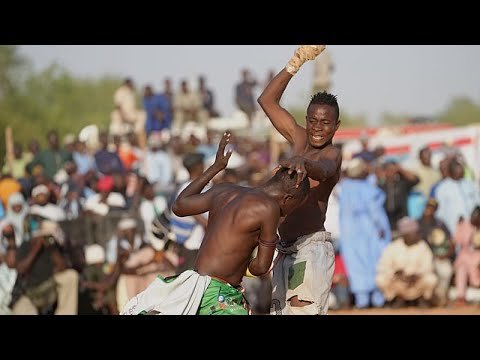
The sun was already high over Kebbi State when the first pair of Dambe fighters stepped into the open ring on Thursday, February 12, 2026. They circled each other slowly, dust rising from their bare feet, while the crowd pressed in from all sides, a wall of white robes and bright turbans that swayed with every feint and strike. The boxers traded heavy blows before a cheering crowd in north-western Nigeria, their grunts and the thud of wrapped fists against shoulders carrying across the festival grounds.
The boxing formed part of activities marking the 61st Argungu International Fishing and Cultural Festival, an annual event famous for its mass fishing competition on the Matan Fada River. But on this day, the river took second place to the drama unfolding on the packed earth. Old men who had watched Dambe in their youth leaned forward with sharp eyes, while young boys climbed onto their fathers' shoulders to catch a glimpse of the action.
The atmosphere was electric, a blend of tension and celebration that has defined Argungu for generations. The festival showcases northern Nigeria's cultural heritage through music, dance, wrestling and traditional sports, and Dambe sits at the heart of that display. Drummers beat a relentless rhythm that seemed to pulse with the fighters' movements, and every landed punch drew a collective gasp from the thousands watching.
The matches themselves were brief and explosive, ending when one fighter knocks his opponent to the ground or forces him to concede. Some bouts lasted barely a minute; others stretched to the full three rounds, with both men bleeding from cuts above the eye or gashes on their forearms. The referee, an elder in a flowing gown, kept a watchful eye, ready to step between the combatants when the fight reached its inevitable conclusion.
This year's festival carried extra weight, as it returned in 2026 after a six-year hiatus forced by security challenges that had gripped parts of the region. The absence had been felt deeply, and the crowds that poured into Argungu this February seemed determined to make up for lost time. Families camped along the riverbanks, traders set up stalls selling roasted fish and sweet tea, and the air hummed with the sound of a tradition rekindled.

The Art of the Spear and the Shield
To understand Dambe, one must first understand the hands of the fighter. Each Dambe boxer wraps one fist tightly in rope and cloth, building a formidable striking surface that can land with devastating force. The wrapped fist is called the "spear" and is used to strike, while the open hand acts as the "shield" for defence, parrying blows and controlling the distance between opponents.
This asymmetry is the signature of Dambe, known locally as the "art of the spear and shield." The fighter's stance is low, almost crouching, with the shielded hand extended forward like a probe while the spear hand hangs back, coiled and ready to unleash. It is a style that looks almost awkward to the uninitiated, but to those who know the sport, it is a thing of brutal beauty.
The sport typically runs three rounds with the aim of total submission, a format that demands both explosive power and careful endurance. Fighters must pace themselves, reading their opponent's movements and waiting for the opening that will end the contest. A single well-placed strike to the temple or jaw can send a man to the ground, and the crowd knows it, which is why every exchange draws such intense focus.
Dambe often results in serious bodily injury, and the fighters accept this risk as part of their calling. Cuts, bruises and broken bones are common, and the older spectators tell stories of legendary fighters who fought on despite shattered hands or swollen eyes. The danger is part of the sport's mystique, a reminder that this is not a game but a test of courage and endurance.
The techniques of Dambe have been passed down through generations of Hausa families, with fathers teaching sons the precise way to wrap the spear hand and the subtle footwork that keeps a fighter balanced on the loose earth. In the villages around Argungu and across the wider Hausa lands, young boys spar in the evenings, learning the craft that their ancestors perfected long before the first colonial maps were drawn.
From Butchers' Guilds to Modern Fame
Dambe is a centuries-old combat sport rooted in Hausa culture, and its origins lie in the butchers' guilds of northern Nigeria. Historically, Dambe was practiced by butchers and warriors, men who knew the value of strength and precision in their daily work. The butchers of the Hausa cities formed tight-knit communities, and their festivals became the stage for these displays of martial prowess.
The fighters are called "Yan Dambe" in the Hausa language, a title that carries both respect and a hint of danger. In the old days, these men were the protectors of their communities, skilled in the arts of combat and feared by their enemies. The butcher's trade, with its heavy carcasses and sharp knives, built the physical strength that made them formidable in the ring.
The sport was once the special province of the butchers' craft at village festivals, where the slaughtering of cattle for celebrations would be followed by bouts of Dambe among the young men of the guild. These contests were as much about honour as entertainment, a way for families to display the vigour of their sons and for young fighters to earn a name for themselves.
Over the decades, Dambe evolved from village contests to a spectacle with growing audiences, moving beyond the butchers' quarters and into the broader cultural life of northern Nigeria. The martial art's evolution from village contests to a spectacle with growing audiences has been gradual but steady, with each generation adding new techniques and strategies while preserving the core traditions.
The discipline of butchers and warriors shaped the fighting style, instilling in the Yan Dambe a respect for strength, endurance and the ability to absorb punishment without yielding. These are values that still resonate today, and they are part of why the sport has found such a receptive audience among young Nigerians looking for a connection to their heritage.
Argungu: A Festival of Peace, Heritage and Return
The 61st edition of the Argungu International Fishing and Cultural Festival attracted more than 50,000 fishermen to the river, a staggering number that speaks to the event's enduring pull. The Matan Fada River, normally a quiet waterway, became a churning mass of bodies and nets as competitors waded in with traditional fishing gear, hoping to land the catch that would make them famous.
The biggest fish caught at the 2026 festival weighed 59 kilograms (130 pounds), a monster of a creature that drew gasps from the crowd when it was hoisted aloft. The lucky fisherman who landed it was carried on the shoulders of his neighbours, his face split by a grin of pure joy. It was a moment that captured the spirit of Argungu, where skill, luck and tradition come together in a single glorious spectacle.
President Bola Ahmed Tinubu attended the festival and called it a symbol of unity and resilience for Nigeria, his words echoing across the riverbanks as the crowds cheered. His presence underscored the national significance of the event, which draws participants and tourists from across Nigeria and neighbouring countries as one of Africa's leading cultural tourism events.
The festival is recognized as a UNESCO Intangible Cultural Heritage of Humanity, a designation that acknowledges its importance not just to Nigeria but to the world. The Matan Fada River was once contested territory, and fishing there became an annual symbol of reconciliation with a 92-year peace tradition that has held through wars, political upheavals and the recent security challenges that forced the six-year pause.
For the people of Kebbi State, Argungu is more than a festival; it is a statement of identity and continuity. The return of the event in 2026 was a moment of collective relief, a sign that the region was reclaiming its rhythms and its joys. The Dambe bouts, the fishing competition, the music and the dance all came together in a celebration that felt both ancient and urgently contemporary.
Gaining Grounds: A New Generation of Fighters and Followers
Organizers say including Dambe in the festival helps preserve local traditions and offers young men an alternative path to fame and income. In a region where formal employment is scarce, the sport provides a rare opportunity for determined young athletes to make a name for themselves and, in some cases, to earn a living from their fists.
Ismaila Abubakar-Usman, a festival organizer and longtime advocate for the sport, put it simply: "Dambe is something we inherited from our forefathers. We have been practising it for generations." His words carry the weight of a man who has seen the sport through its hardest years and now watches it find a new audience.
The modern revival has been supercharged by the Dambe Warriors League, which is bringing the tradition to a larger modern stage with organized events, standardized rules and professional promotion. The league has tapped into a hunger for authentic African combat sports, and its events draw crowds that rival those of more established sporting codes.
Dambe has swept the internet, with millions of people watching fights online and on social media, their screens filled with the raw power of the spear and shield. Videos of spectacular knockouts have gone viral, introducing the sport to viewers in Lagos, London, New York and beyond. The digital age has been a gift to Dambe, carrying it far beyond the riverbanks of Argungu.
There are parallels with Senegal's own traditional wrestling, laamb, a parallel African combat tradition that fills arenas in Dakar and beyond. Laamb has become a major industry in Senegal, with top wrestlers earning celebrity status and substantial incomes. The hope is that Dambe can follow a similar trajectory, building on its cultural roots to create opportunities for a new generation of athletes.
Across the continent, traditional sports are finding new audiences, and Dambe is at the forefront of that movement. The combination of authentic heritage and modern presentation has proven irresistible, and the sport's growth shows no signs of slowing. For the young men who step into the ring, the dream is no longer just local glory; it is a shot at something bigger.
What to Watch For
Dambe's momentum is undeniable, as it moves from festival grounds to organized leagues and digital platforms. The Dambe Warriors League has already shown what is possible with proper promotion, and the coming years are likely to bring even more structure and professionalism to the sport. The question is whether the sport can grow without losing the raw authenticity that makes it special.
The balance between preserving authenticity and modernizing the sport is a delicate one. Purists worry that too many rules and regulations will strip Dambe of its character, while modernizers argue that some standardization is necessary to protect fighters and attract sponsors. The answer, as with most traditions, lies in finding a middle path that honours the past while embracing the future.
Festivals like Argungu anchor tradition while the world watches online, creating a bridge between the physical and the digital. The festival grounds remain the spiritual home of Dambe, the place where the sport's history is most alive, but the cameras that capture those moments carry the tradition to millions who will never set foot in Kebbi State.
The potential for young African athletes to build careers in traditional combat sports is enormous. As Dambe grows, it will create opportunities not just for fighters but for coaches, promoters, commentators and a whole ecosystem of support. The sport could become a genuine pathway to prosperity for talented young people across the region.
The cultural pride behind the sport's revival is palpable, a sense that Dambe belongs to the Hausa people and that its success is their success. This pride is not exclusionary; it is an invitation to the world to witness something remarkable. The fighters who step into the ring carry the hopes of their communities, and they do so with a dignity that commands respect.
The hope is that festivals across the continent will continue to keep ancient traditions alive for new generations, providing a stage for sports like Dambe to flourish. Argungu has shown what is possible, and other communities are taking note. The drums that rolled in February 2026 will keep beating, and the spear and shield will keep finding new hands to wield them.
By Amara Diop, Staff Writer
This article was produced with AI-assisted research and editorial support. Reporting is based on sources cited in the article.
What's Your Reaction?
 Like
0
Like
0
 Dislike
0
Dislike
0
 Love
0
Love
0
 Funny
0
Funny
0
 Wow
0
Wow
0
 Sad
0
Sad
0
 Angry
0
Angry
0

West Africa/Sahel Correspondent at Global1.News. Dakar-based journalist covering politics, security, climate, and development across Francophone and Anglophone West Africa. Tells the stories of a region undergoing profound transformation.














Comments (0)