
China is building launchpads near its nuclear missile silos
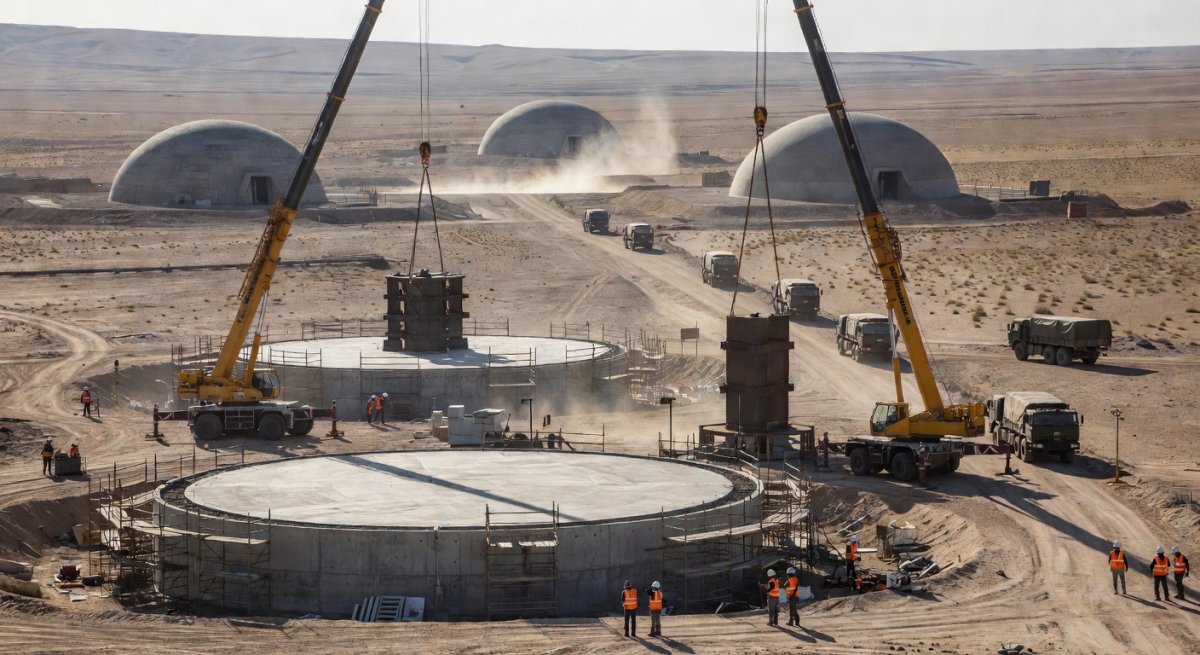
Recent reports indicate that China is constructing new launchpads in close proximity to existing nuclear missile silos. This development underscores a substantial investment in protected facilities intended to support and safeguard the country's land-based nuclear arsenal, raising questions about the future scale and resilience of these strategic assets.
The construction activity highlights an effort to enhance the operational durability of missile systems through hardened infrastructure. Such measures typically aim to ensure continued functionality even under potential adversarial pressure, reflecting broader priorities in force modernization.
Scale and Purpose of the Infrastructure Expansion
The extent of the building work suggests more than incremental upgrades. Observers note that the projects encompass launchpads designed to integrate with silo-based systems, creating a more robust network for missile operations. This approach focuses on protection against external threats while maintaining readiness for deployment. Hardened infrastructure in this context refers to reinforced structures that can withstand significant impact or environmental challenges. By situating launchpads near silos, the design appears intended to streamline support functions such as maintenance, fueling, and command linkages. The overall pattern points to a systematic effort to expand capacity across multiple sites. These developments occur amid ongoing global discussions about nuclear force postures. The addition of such facilities could influence assessments of survivability, as hardened elements reduce vulnerability compared to exposed configurations.Technological Dimensions of Hardened Facilities
From a technical standpoint, the construction involves advanced engineering to create durable launch environments. Materials and structural reinforcements play a central role in achieving the required protection levels, aligning with established practices in missile basing strategies worldwide. Integration of launchpads with silos introduces considerations around connectivity and redundancy. Systems must support rapid response capabilities while preserving the integrity of the overall network. This technological layering contributes to the operational effectiveness of land-based components within a larger strategic framework. The emphasis on hardened designs also intersects with advancements in monitoring and control technologies. Remote oversight and automated processes can enhance reliability, ensuring that facilities remain functional across varying conditions. Such features represent an evolution in how nuclear infrastructure is conceived and implemented.Broader Strategic Context
Land-based nuclear forces have long formed a cornerstone of deterrence strategies for major powers. The current construction activities illustrate a continued focus on strengthening this leg of the triad through physical enhancements. By prioritizing protection and operational support, the projects address longstanding concerns about asset preservation. This infrastructure push comes at a time when nations are evaluating the balance between offensive capabilities and defensive resilience. Hardened launchpads contribute to that equation by potentially extending the usability of silo assets during crises. The scale involved suggests a deliberate, long-term commitment rather than isolated improvements. International observers often track such developments as indicators of shifting force structures. In this case, the proximity of new launchpads to silos may signal an integrated approach that maximizes the utility of existing locations while expanding their protective envelope.Implications for Regional and Global Stability
The expansion of hardened nuclear infrastructure carries implications that extend beyond immediate operational benefits. It may prompt reassessments among neighboring states regarding their own security calculations and arms control postures. Transparency about the nature and intent of these projects remains limited, which can fuel uncertainty in diplomatic channels. Analysts emphasize that the move reflects a wider trend toward fortifying strategic assets against evolving threats, including precision strikes and surveillance advances. This technological emphasis on durability could influence future negotiations on arms limitations or confidence-building measures. Over time, the completed facilities may alter perceptions of nuclear force sustainability. A more dispersed and protected network could support sustained operations, affecting how other actors model potential scenarios involving these systems.Looking Ahead
As construction progresses, further details may emerge regarding the timeline and full scope of the launchpad projects. Continued monitoring will be essential to understand how these additions integrate into China's overall nuclear posture. The emphasis on hardened infrastructure appears set to shape discussions on strategic stability for years to come, underscoring the interplay between technological capability and geopolitical considerations.By Kenji Tanaka, Staff Writer
This article was produced with AI-assisted research and editorial support. Reporting is based on sources cited in the article.
What's Your Reaction?
 Like
0
Like
0
 Dislike
0
Dislike
0
 Love
0
Love
0
 Funny
0
Funny
0
 Wow
0
Wow
0
 Sad
0
Sad
0
 Angry
0
Angry
0

Kenji Tanaka
Japan Correspondent at Global1.News. Tokyo-based voice covering Japanese politics, technology, economy, and culture. Tracks the intersection of tradition and innovation in one of the world's most dynamic societies.















Comments (0)