
Chihuahua Israel Water Deal Sparks Protests Amid Drought Crisis
Families in the colonias of Chihuahua City gathered on August 1 and 2, 2026, to voice frustration with a cooperation agreement between the state water utility and an Israeli agency. Dozens marched from the Pancho Villa monument to the Government Palace, carrying signs that called for canceling the deal and ending diplomatic ties with Israel.
Protests Spread Through Chihuahua Streets Over Water Pact
Families in the colonias of Chihuahua City gathered on August 1 and 2, 2026, to voice frustration with a cooperation agreement between the state water utility and an Israeli agency. Dozens marched from the Pancho Villa monument to the Government Palace, carrying signs that called for canceling the deal and ending diplomatic ties with Israel.
Similar scenes unfolded near the Paso del Norte international bridge in Ciudad Juárez, where residents stood at Cruz de Clavos demanding a ceasefire in Gaza alongside local water reforms. The actions formed part of a wider national day of protest that reached cities including Mexico City, Puebla, and Monterrey.
Organizers from Salvemos los Cerros de Chihuahua and Asamblea Feminista framed the marches as a defense of local resources. They argued that decisions about water should stay in the hands of communities rather than foreign partners.
Participants included teachers, small business owners, and students who linked the agreement to broader concerns about transparency in state government under PAN Governor María Eugenia Campos Galván.
Organizers described the events as peaceful expressions of community frustration over how decisions about shared resources are made. The actions highlighted the everyday reality of families who already juggle limited supplies and rising costs. By connecting water access at home with events far beyond state borders, participants showed how local struggles often intersect with national and international questions of fairness and accountability.
Details of the 2023 Agreement Between JCAS and MASHAV
The Cooperation Plan was signed on February 23, 2023, between the Junta Central de Agua y Saneamiento and Israel's Ministry of Foreign Affairs through its MASHAV agency. It remains valid until 2027 and focuses on technical exchanges in areas such as leak detection, drip irrigation, wastewater reuse, and arsenic removal.
State officials tie the plan to the Plan Estatal Hídrico 2040, which aims to guide water management through the end of the current administration. The agreement lists activities including dam cleaning, aquifer studies, and water education programs.
JCAS Executive Director Mario Mata Carrasco has stated that the Secretaría de Relaciones Exteriores reviewed the document and issued formal recognition in a March 15, 2023 letter. He emphasized that the arrangement carries no financial commitments or privatization elements.
Environmental groups such as Ríodoce have questioned whether the agreement was properly registered in the national RENCID system before information on local water systems was shared.
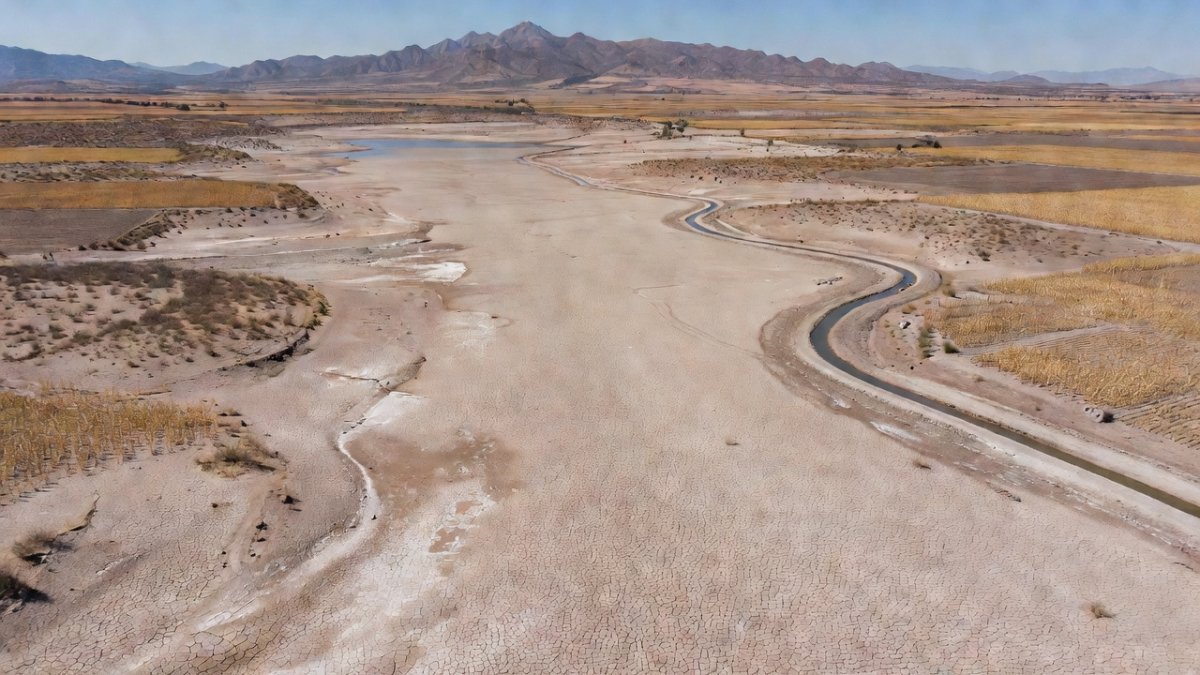
Chihuahua continues to face prolonged drought periods that shrink river flows and place heavy pressure on agricultural wells. The agreement is presented as one response to these stresses, yet community members question whether the chosen technical path truly addresses household needs first. Families in both urban and rural areas watch closely to see how any resulting recommendations will affect their access to reliable, affordable water.
Water Scarcity Hits Families and Campesinos Hardest
Rural communities across Chihuahua have endured repeated drought cycles that reduce river flows and strain agricultural wells. Campesinos who rely on ejido lands report shorter growing seasons and higher costs for pumping groundwater.
In urban colonias, residents often face intermittent supply, forcing families to store water in rooftop tanks or purchase deliveries from private trucks. Mothers describe planning household chores around delivery schedules that can shift without notice.
Healthcare workers at local clinics note rising cases of skin and gastrointestinal issues linked to inconsistent water quality, particularly in areas where fluoride and arsenic levels remain a concern.
Small farmers supplying taquerías and tortillerías in nearby pueblos say the pressure on aquifers threatens both their livelihoods and the fresh produce that reaches city markets.
Residents continue to ask for transparent information on costs, contracts, beneficiaries, and results achieved since 2023. They want meaningful citizen participation in future planning so that household needs and community knowledge receive equal weight alongside technical advice. Across northern Mexico, these tensions underscore the importance of inclusive approaches that keep families at the center of decisions about their most essential resource.
Activists Question Transparency and Foreign Influence
Members of Salvemos los Cerros de Chihuahua argue that the agreement was developed without sufficient public input or clear explanations of how decisions will affect daily water access. They worry that technical advice could steer resources toward large agricultural operations rather than household needs.
Protesters also called for Mexico to suspend commercial relations with Israel until a ceasefire takes hold in Gaza. Banners at the Chihuahua City march connected local water justice to international solidarity.
Similar demonstrations occurred in Saltillo, Pachuca, Toluca, and Querétaro, showing how the issue resonates beyond state borders. In Puebla, police blocked about 150 participants from reaching the Zócalo.
Community leaders stress that ordinary Mexicans want accountability from both state and federal authorities on how water projects are chosen and funded.
Collectives such as Salvemos los Cerros de Chihuahua and Asamblea Feminista led the organization of the capital protest. They accused PAN Governor María Eugenia Campos Galván and the JCAS director of advancing a colonial political project through the partnership and of conducting business with a government they hold responsible for actions in Palestine. Speakers at the marches repeatedly asked who ultimately decides the future of Chihuahua’s water and whose interests guide those choices.
Activists argued that the stated goal of the agreement is not equitable distribution for households but rather support for large agricultural operations. They also called for an immediate ceasefire in Gaza and the suspension of Mexico’s diplomatic and commercial relations with Israel. These demands reflected a broader insistence that ordinary residents deserve direct input into policies that affect daily life in colonias and rural communities alike.
State Officials Defend Technical Focus of the Partnership
Mario Mata Carrasco has repeatedly described the agreement as limited to knowledge exchange on network efficiency, sanitation, and sustainable agriculture. He maintains that no foreign investment, privatization, or transfer of decision-making authority is involved.
The administration points to ongoing challenges such as reduced water sources and growing demand from both urban and farming sectors. Officials say the plan supports existing state programs without altering local control.
Governor María Eugenia Campos Galván's office has not issued new public statements on the protests, but the JCAS continues to present the partnership as a practical response to extreme water stress.
Residents in affected areas await clearer updates on how any recommendations from the agreement will be implemented and whether community voices will shape next steps.
Environmental organizations have countered that JCAS shared water management information with the Israeli agency without first registering the agreement in the national RENCID system. This concern over procedural transparency adds to residents’ calls for clearer public records on how the partnership has operated since its signing. Officials maintain the focus remains strictly technical and supportive of existing state programs.
Looking Ahead for Chihuahua Communities and Water Future
The coming months will test whether dialogue can bridge the divide between protesters and state water managers. Families in colonias and rural ejidos continue to navigate daily shortages while watching how the 2027 agreement unfolds.
Local activists plan additional gatherings to keep pressure on authorities for greater transparency. They hope future water planning will prioritize household needs and include direct input from those most affected.
Across northern Mexico, similar tensions over resources highlight the need for inclusive approaches that respect both technical expertise and community knowledge.
Chihuahua residents, from maquiladora workers to indigenous groups, remain central to any lasting solution that ensures reliable access for generations to come.
Tags: Chihuahua water agreement, Israel MASHAV, JCAS protests, drought impact, community water access, Maru Campos, campesinos, colonias
By Rosa Martinez, Staff WriterThis article was produced with AI-assisted research and editorial support. Reporting is based on sources cited in the article.
What's Your Reaction?
 Like
0
Like
0
 Dislike
0
Dislike
0
 Love
0
Love
0
 Funny
0
Funny
0
 Wow
0
Wow
0
 Sad
0
Sad
0
 Angry
0
Angry
0

Latin America/Andes Correspondent at Global1.News. Based in Bogota, covering politics, environment, energy, and social movements across the Andean region. Passionate about environmental journalism and communities protecting their land.













Comments (0)