
Ceuta Crisis Exposes EU Divisions and Mexico Border Parallels
In a recent DW News report on mass migrant crossings into Spain's North African enclave of Ceuta, the footage showed thousands swimming the 200-meter stretch from Morocco using wetsuits and inflatables, a scene that resonates with families in Mexico's southern border communities who have watched similar movements through Tapachula, Chiapas.
In a recent DW News report on mass migrant crossings into Spain's North African enclave of Ceuta, the footage showed thousands swimming the 200-meter stretch from Morocco using wetsuits and inflatables, a scene that resonates with families in Mexico's southern border communities who have watched similar movements through Tapachula, Chiapas. The report detailed how 50,000 to 60,000 people entered Ceuta from Wednesday to Friday last week, overwhelming a territory whose total population stands at just 84,000. For Mexican households in colonias near the US border and in rural ejidos, the images recall the recurring pressure from US demands that Mexico halt Central American caravans heading north.
Ceuta Surge Tests Spain and Echoes Mexico's Southern Border Strains
Mexico City, Mexico – August 4, 2026 — Spanish Interior Minister Fernando Grande-Marlaska stated that more than 48,000 of the migrants had returned to Morocco by Saturday, after Spanish authorities mobilized the army and began installing a 500-meter floating barrier off Ceuta's coastline. Ceuta's top official Juan Jesus Vivas reported 60,000 entries while Spain's Interior Ministry recorded 50,000, according to figures cited by Al Jazeera and Reuters. At least 67 people died, most by drowning while attempting to swim around a breakwater, with Al Jazeera reporting the toll at 72 in some counts.
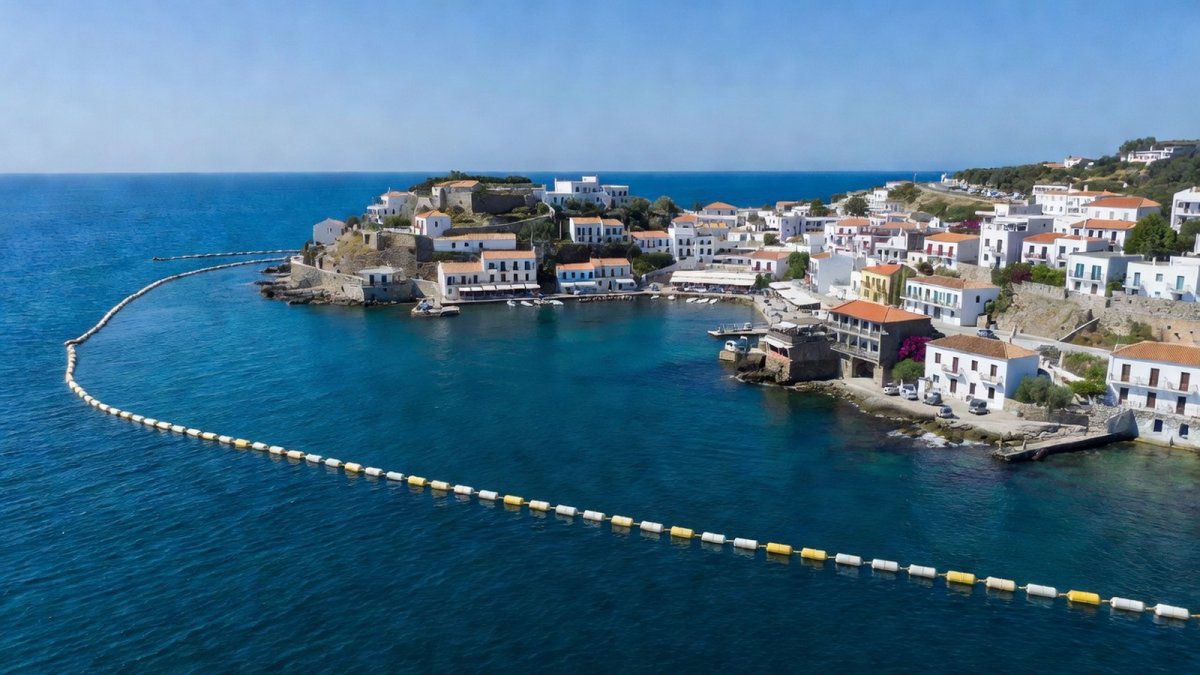
Most Crossings Came by Land and Sea from Morocco
One Moroccan migrant told Reuters he crossed through the sand at the beginning of Castillejos, climbed a Moroccan police wall, then swam roughly 200 meters to enter Ceuta. Unlike the May 2021 crisis when about 12,000 people, mostly children, crossed in two days, this week's arrivals were predominantly adult Moroccan nationals. Spanish officials confirmed that migrants who reach Ceuta still face identity checks before any ferry or air travel to the Spanish mainland.
Ceuta and Melilla stand as the sole land frontiers where the European Union meets the African continent, a geographic reality rooted in Spain's 1580 colonization of Ceuta that continues to shape migration patterns today. The enclaves are ringed by high fences, surveillance systems, and a permanent deployment of Spain's Civil Guard and National Police, yet the surge still overwhelmed reception centers, leaving many migrants without adequate food or shelter and prompting thousands to accept voluntary returns once prospects for reaching mainland Spain dimmed. The human toll included dozens lost to the sea around the breakwater, underscoring the perilous choices migrants face when overcrowding and limited onward options force difficult decisions.
These dynamics reveal the enclaves' dual role as both gateway and bottleneck, where the combination of physical barriers, surveillance, and sudden policy shifts amplifies vulnerability for those caught between Moroccan departure points and Spanish processing centers.
EU Member States Demand Stronger External Borders
Twenty-two of the EU's 27 member states issued a joint letter calling for coordinated action and the strengthening of external borders, stating they cannot allow uncontrolled mass crossings or the instrumentalization of migration. Ireland, holding the rotating EU presidency, called an emergency video conference of interior ministers for Tuesday, while Italy's Prime Minister Giorgia Meloni suspended Schengen open-border rules with Spain for one month, reimposing controls on air and sea travelers from Spain in a move Madrid condemned.
The push carries direct implications for ongoing asylum rule reforms and the bloc's 2024 migration pact negotiations. France announced a five-fold increase in police along its border with Spain, and Portugal said it would beef up controls at southern land and maritime borders, even as France and Britain expressed "solidarity" with Madrid. Manfred Weber, leader of the center-right European People's Party, went further, calling for Frontex, the European border agency, to receive real enforcement powers: "If a left-wing government in Spain is not willing to secure the external border, then Frontex must also be given command authority."
Such developments echo external pressures on Mexico to bolster its southern border enforcement, revealing parallel expectations that frontline nations manage flows to shield the wider union or region from uncontrolled movements. The responses underscore a broader recalibration within the EU, where solidarity statements coexist with practical border tightenings that test the balance between collective security and individual state sovereignty.
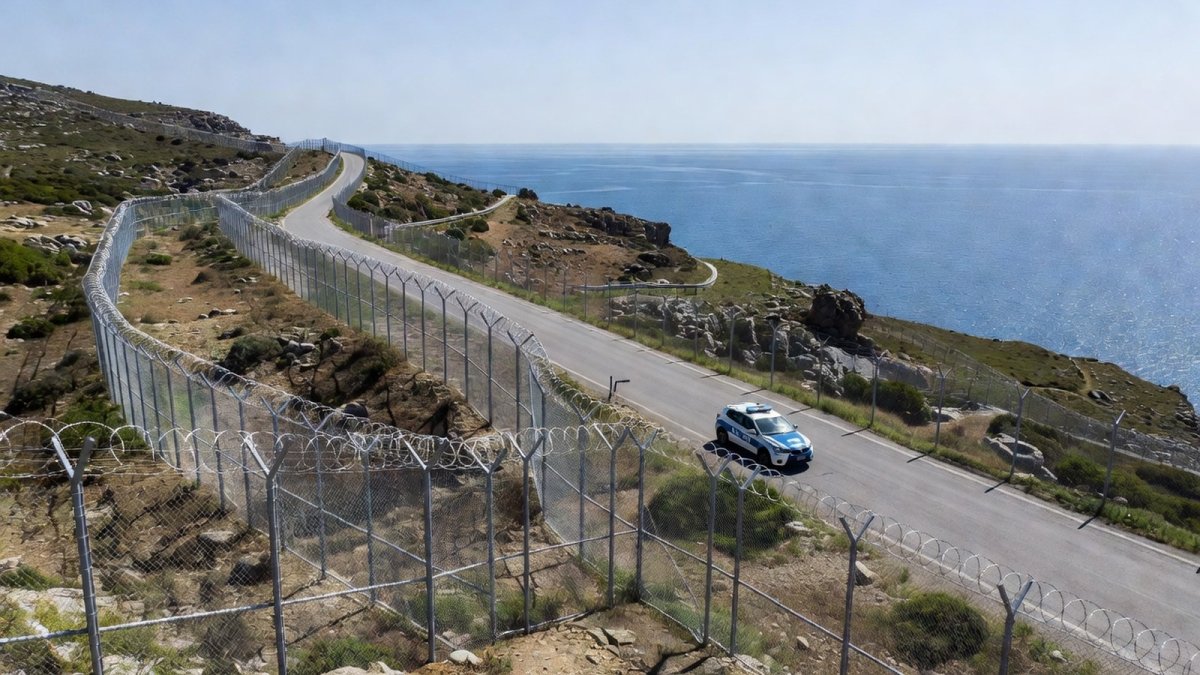
Spain's Regularization Record Draws Domestic and International Scrutiny
Prime Minister Pedro Sánchez has legalized more than one million undocumented residents since 2025, a policy praised by migrant communities across Spain yet attacked by the far-right VOX party and the center-right Partido Popular. VOX demanded immediate deportation of all who crossed, including minors, while the Partido Popular called for a national emergency declaration and full army mobilization at the border. Sánchez survived earlier crises including the 2024 Valencia floods and the 2025 blackout before facing this latest test.
Pedro Sánchez's legalization of over one million undocumented residents since 2025 represents Europe's largest such effort in a decade, offering pathways that particularly benefit Latin American communities including Ecuadorians, Colombians, Venezuelans, and Mexicans who maintain strong family and remittance ties across the Atlantic. This approach has sustained Spain through successive crises from COVID recovery to the 2024 Valencia floods, the 2025 blackout, and ongoing wildfires, yet it fuels domestic debate as opposition parties frame it as undermining national control.
VOX pushes for full militarization and deportations extending even to minors, while the Partido Popular declares a national emergency requiring closed borders and army mobilization, positioning regularization as a political flashpoint ahead of elections. Internationally, the policy draws scrutiny for potentially encouraging further arrivals, even as it integrates long-term residents into the workforce and society amid Spain's labor needs.
The tension highlights how Spain's humanitarian regularization record intersects with regional stability concerns, where support for migrants from Latin America strengthens cultural links but invites criticism that such measures complicate efforts to deter irregular entries at the southern frontier.
US Commentary Links Ceuta Events to Mexico Border Rhetoric
US President Trump described the Ceuta crossings as a catastrophe and invasion on social media, blaming what he called weak and liberal laws in Spain. The US State Department posted similar criticism of Sánchez's policies. These statements mirror language long directed at Mexico, where the Sheinbaum administration manages US pressure while deploying the Guardia Nacional along the southern border to address caravans passing through Tapachula.
Comparisons between Ceuta's 500-meter floating barrier and US wall infrastructure illustrate shared strategies of physical deterrence, yet Mexican analysts note how migration becomes instrumentalized in political discourse on both sides of the Atlantic. Sheinbaum's diplomatic balancing act seeks to protect migrant rights and maintain remittances while responding to recurring US expectations that Mexico act as a buffer against northward flows.
These parallels expose how events in North Africa feed into North American debates, shaping policy expectations that frontline countries like Mexico absorb enforcement burdens to prevent perceived threats from reaching wealthier neighbors.
Critics Allege Moroccan Complicity in Coordinated Crossings
International Crisis Group Project Director Riccardo Fabiani stated that after nearly 48 hours the Ceuta events could be described as a manufactured crisis. Critics pointed to the absence of Moroccan law enforcement on the border during peak hours on Thursday when women and children crossed freely on foot. Spanish journalist Ignacio Cembrero noted that a July 8 Spanish Supreme Court ruling against summary returns at sea played a role but did not fully explain the scale of mobilization.
This occurs against a backdrop of generally cooperative Spain-Morocco relations, with Interior Minister Grande-Marlaska describing the partner as fully reliable despite the scale of movement. Such dynamics reflect broader patterns where states employ migration flows as diplomatic tools, a tactic occasionally attributed to Mexico in managing US border pressures through selective enforcement or tolerance of caravans.
These allegations strain EU-Morocco ties by highlighting how partner nations can influence crossing volumes, complicating efforts to establish predictable border management and exposing the fragility of agreements that tie development aid or trade to migration containment.
Impact on Mexican Families and Communities
In the colonias of Mexico City and the ejidos of Michoacán, families with parientes working in Madrid or Barcelona watch the Ceuta images with a quiet ache. Spain hosts one of Europe's biggest Latin American communities, and many Mexican households count on those steady remittances that have topped $60 billion a year in recent years to cover school fees, medical visits, and the tianguis stall back home. When they see migrants huddled on the breakwater, waiting for ferries after days of overcrowding and short rations, the worry travels straight across the Atlantic: what if the same tightening happens to their own loved ones who crossed legally or found work under the recent Spanish regularization that has helped so many from Mexico, Ecuador, Colombia, and Venezuela?
Down in Tapachula and along the northern routes through Tijuana and Ciudad Juárez, the scenes from Ceuta feel familiar in a different way. People here have watched their own caravans move north under the eyes of the Guardia Nacional, and they know the long wait for news, the coded phone calls, the small altars left for those who never arrived. The drownings, dozens lost trying to swim around the breakwater, echo the stories grandmothers still tell about the Río Bravo. In the evening conversations outside the pueblo mágico church or at the mañanera stand, neighbors shake their heads and say the pictures could just as easily be their own hijos or primos, risking everything for the chance to send something back.
Then comes the old accusation, repeated now by voices on both sides of the ocean, that "your people are an invasion." Mexican families hear it aimed at the Ceuta arrivals and feel the sting of the same label once thrown at their own border crossers. It lands differently when you remember the cousin who waited years for papers, the mother who sent money home every month, or the neighbor who finally made it to Spain only to face new checks and delays. The shared sting turns the distant crisis into something personal, a reminder that the struggle for safe passage and a steady remittance never really stays far away.
What to Watch For
The emergency video conference of EU interior ministers, convened for Tuesday by Ireland's rotating presidency, is the immediate flashpoint: whether the 22-state coalition translates its joint letter into binding border measures, and whether proposals to expand Frontex's command authority gain traction, will define the bloc's next phase. Italy's one-month Schengen suspension with Spain and the reinforced French and Portuguese border checks are early signs of how quickly national measures can ripple across the union.
For Mexican families with relatives in Spain's large Latin American communities, these developments directly affect remittance flows and future migration pathways under the Sheinbaum administration's ongoing negotiations with Washington. If Europe hardens its external border, experts say, the pressure may shift southward along established routes, a pattern Mexican communities have seen before on their own border with the United States.
By Rosa Martinez, Staff Writer
This article was produced with AI-assisted research and editorial support. Reporting is based on sources cited in the article.
What's Your Reaction?
 Like
0
Like
0
 Dislike
0
Dislike
0
 Love
0
Love
0
 Funny
0
Funny
0
 Wow
0
Wow
0
 Sad
0
Sad
0
 Angry
0
Angry
0

Latin America/Andes Correspondent at Global1.News. Based in Bogota, covering politics, environment, energy, and social movements across the Andean region. Passionate about environmental journalism and communities protecting their land.















Comments (0)