
Ceuta Border Surge Tests Spain as Mexico Weighs Similar Pressures
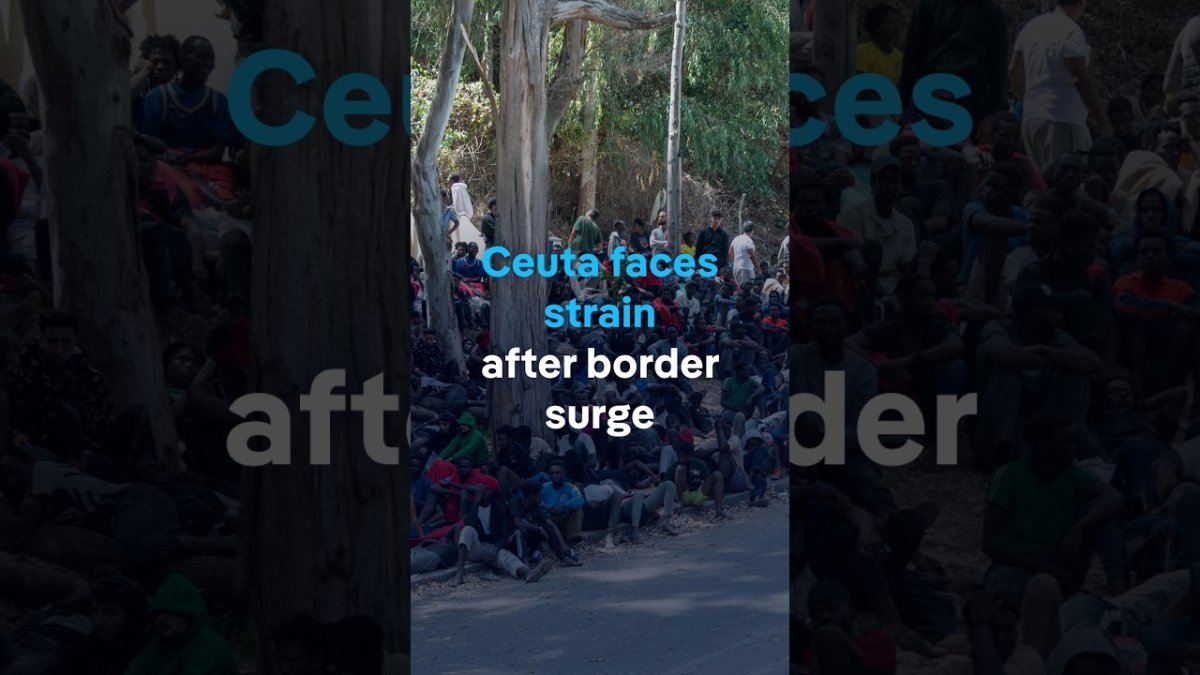
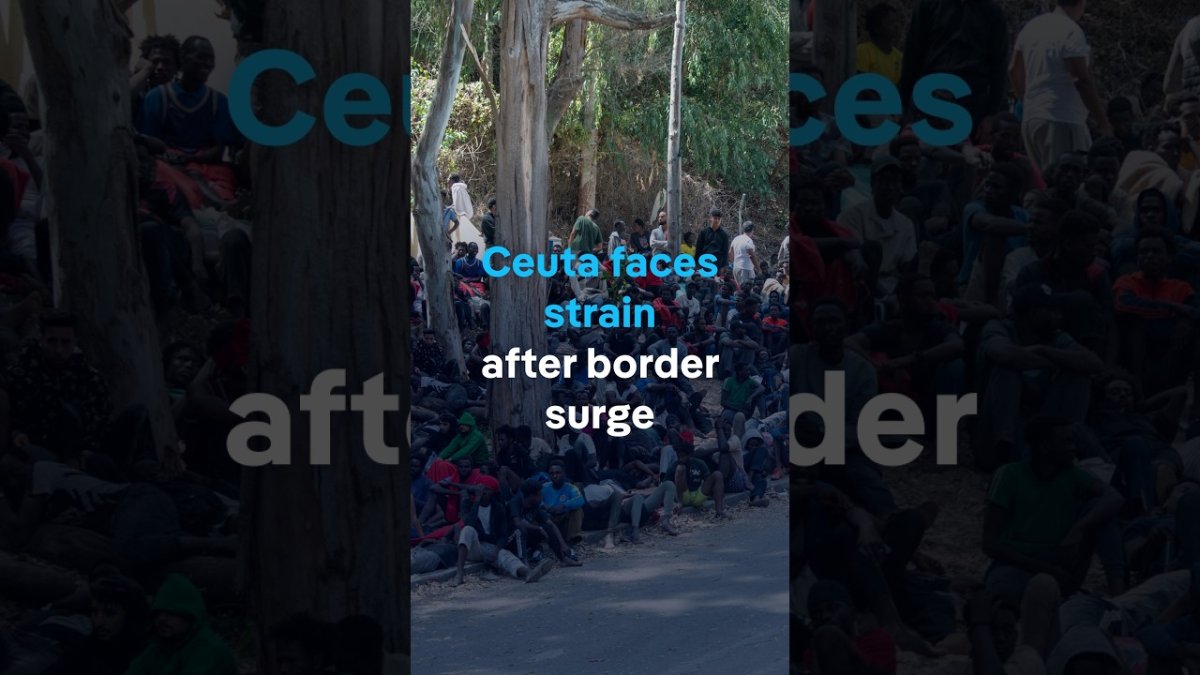
In a recent DW News report titled "Ceuta faces strain after border surge," the video details how an estimated 50,000 to 60,000 people crossed into Spain's North African enclave from Morocco on Thursday July 30, 2026. The surge equaled roughly 73 percent of Ceuta's 83,595 residents counted by Spain's INE in 2025.
Ceuta Border Surge Tests Spain as Mexico Weighs Similar Pressures
Mexico City, Mexico – August 2, 2026 — The one-day influx into Ceuta left at least 57 bodies recovered on the Spanish side, with some reports citing 86 dead from drowning or crushing against the breakwater. Many had swum five kilometers from the Moroccan town of Fnideq or shorter distances from Belyounech. Mexican readers recognize these scenes from accounts of crossings at the Sonoran Desert and Rio Grande, where families weigh the same risks for economic opportunity.
The Story Unfolds
On Thursday July 30, 2026, between 50,000 and 60,000 people entered Ceuta by land and sea in a single day. Swimmers in wetsuits reported two-hour crossings. A Moroccan man identified only as Abdelhakim walked 14 kilometers to the border, entered the water, and saw two men die before turning back to protect his two children. Some arrivals appeared to be children and unaccompanied minors, drawing warnings from a Moroccan NGO about the dangers of irregular journeys for young people.
By Friday evening August 1, more than 37,500 people had been returned to Morocco, with Spanish officials stating over 48,000 returned voluntarily by 6 p.m. local time due to lack of food and shelter. Sky News reported 53,000 of the 60,000 had gone back. The scene recalled the May 2021 surge when about 10,000 entered Ceuta.
Many of those who crossed were Moroccan and Algerian nationals seeking better economic prospects. One swimmer in a wetsuit told France 24 that the journey across open water took two hours amid strong currents. Abdelhakim later recounted to AFP reporters: "I found myself completely submerged and saw two men die right before my eyes. That's when I backed away and remembered that I have two children of my own, and that I couldn't risk my life." The presence of children among the arrivals prompted a Moroccan NGO to issue urgent warnings that taking minors on such irregular journeys endangers their lives.
Return movements began almost immediately as word spread of limited food and shelter inside the enclave. Spanish authorities coordinated with Moroccan officials on the southern side of the border to manage the flow back. The rapid reversal highlighted how quickly hope can turn to hardship when basic needs go unmet during mass movements.
The geography of the crossing itself adds layers of peril. The five-kilometer swim from Fnideq or the shorter distance from Belyounech forces migrants into open water where strong currents can overwhelm even those wearing wetsuits, and the breakwater has become a site where people have been crushed amid the press of bodies trying to reach land.
Spanish Context / What Happened
Spain deployed additional army troops to Ceuta on Thursday to reinforce police. Prime Minister Pedro Sanchez announced new response measures. Spain closed the Melilla border crossing with Morocco after a mass entry attempt at the other enclave 400 kilometers east. On Friday the government declared the crisis under control as returns accelerated. Authorities noted Morocco's role in the crossings remains unclear, with no full statement from Moroccan officials on prevention efforts.
Ceuta and Melilla form the European Union's only land borders with Africa. In Spanish possession since 1580, the 18.5-square-kilometer Ceuta peninsula hosts a mixed Christian and Muslim population of Spanish and Moroccan residents. Morocco does not recognize the territories as Spanish and refers to them as occupied lands.
The declaration that the situation was "under control" came after accelerated returns reduced the immediate pressure on local services. Yet the underlying tensions remain, as Ceuta's small size leaves little room for sustained large-scale arrivals. Spain's decision to close the Melilla crossing reflected fears that similar surges could spread to the second enclave.
Spain serves as one of the main points of arrival into Europe, with about 10 million foreign-born residents in a country of 50 million, many from Colombia, Venezuela, and Morocco working in agriculture, tourism, and services. Migrants who reach Ceuta or Melilla are often turned back immediately or held in shelters while applying for asylum.
Mexican Context
Migration policy remains central to debates in the Sheinbaum administration and the AMLO legacy, with National Guard deployments at Mexico's northern and southern borders. The militarized fences and concertina wire at Ceuta mirror security measures along the Rio Grande and Mexico's border with Guatemala. Mexican and Central American families cross those lines seeking better opportunities, just as many Moroccan and Algerian nationals did in the Ceuta surge.
Spain hosts one of Europe's largest Latin American diasporas, including Colombians, Venezuelans, Ecuadorians, Peruvians, and Hondurans who send remittances home. In Mexico, remittances serve as a lifeline for families in colonias and ejidos, much as they do for Moroccan and sub-Saharan households. The International Organization for Migration recorded 35,153 migrant deaths and disappearances in the Mediterranean since 2014, including 1,493 in the first seven months of 2026.
Sheinbaum's approach builds on the AMLO legacy of combining enforcement with humanitarian messaging during daily mañanera press conferences. National Guard units now operate at both borders, echoing the layered security seen at Ceuta. Mexican communities understand that remittances from diaspora workers abroad often sustain entire rural economies, a reality shared by families across North Africa.
The Ceuta surge echoes the U.S. southern border debate in a U.S. midterm election year, where migration is being weaponized politically in both Europe and the United States. Mexican families with relatives in Spain follow these stories closely because their own kin form part of Spain's Latin American diaspora.
Impact on Communities
The surge affected real people on both sides of the border. In Ceuta, the resident population of 83,595 faced sudden pressure on food, shelter, and services. Many migrants who reached the enclave were turned back immediately, while others entered shelters to apply for asylum. Similar patterns occur in Mexican border communities where small business owners and campesinos navigate daily flows of people and goods.
Previous incidents show the human cost. In 2022, 23 people died when about 2,000 attempted to cross into Melilla. In 2014, at least 14 died off Ceuta when roughly 200 tried to enter. These numbers parallel deaths recorded along Mexico's migration routes, where families in rural communities lose relatives to the same combination of water crossings and border barriers.
Ordinary residents in Ceuta described overwhelmed shelters and strained local hospitals. Migrants who remained faced uncertain asylum processes amid limited resources. In Mexican border towns, small businesses often see both opportunity and disruption from similar flows, while campesinos in ejidos weigh the economic pull of remittances against the risks of irregular journeys.
The IOM Mediterranean death statistics of 35,153 deaths and disappearances since 2014, including 1,493 dead or missing in the first seven months of 2026, underscore the permanent loss for families who never see their relatives again, a reality shared by Mexican families who lose loved ones in the Sonoran Desert or the Rio Grande.
Reactions and Responses
Italian Prime Minister Giorgia Meloni said Italy may suspend the Schengen open-borders agreement with Spain. The European Union scheduled an emergency videoconference of interior ministers for August 4 to address the crisis. The events caused shock and division across Europe.
Spain's overall foreign-born population has grown to about 10 million in a country of 50 million, with many from Colombia, Venezuela, and Morocco working in agriculture, tourism, and services. This mirrors Mexico's experience hosting Venezuelan refugees and managing flows from Central America under pressure from Washington.
European leaders expressed concern that the Ceuta events could test the Schengen framework itself. Meloni's warning about possible suspension highlighted how one nation's border pressures can ripple across the continent. In Mexico, similar debates surface when Central American flows strain southern border resources while northern pressures from Washington intensify.
What to Watch For
The August 4 European Union videoconference will shape future coordination on Mediterranean crossings. If implemented, any changes to Schengen rules could affect travel and trade links that also touch Latin American diaspora communities in Spain. Mexican policymakers in the Congreso de la Unión and SEGOB will monitor these developments for lessons on border management and humanitarian response.
Spain's experience with voluntary returns driven by lack of food and shelter offers a concrete case study. Families in Mexican colonias and indigenous communities already understand how sudden policy shifts and resource shortages determine who stays and who turns back. The Ceuta events reinforce that migration pressures test every nation with external borders, from the breakwater at Ceuta to the fences along the Rio Grande.
Morocco's unclear role in the surge leaves open questions about future cooperation. Mexican officials at SRE and SEGOB have faced comparable uncertainties with transit countries. The human reality remains that every external border faces recurring tests of capacity, compassion, and coordination. Spain's experience offers lessons for Mexico's own border management under the Sheinbaum administration.
By Rosa Martinez, Staff WriterThis article was produced with AI-assisted research and editorial support. Reporting is based on sources cited in the article.
What's Your Reaction?
 Like
0
Like
0
 Dislike
0
Dislike
0
 Love
0
Love
0
 Funny
0
Funny
0
 Wow
0
Wow
0
 Sad
0
Sad
0
 Angry
0
Angry
0
Latin America/Andes Correspondent at Global1.News. Based in Bogota, covering politics, environment, energy, and social movements across the Andean region. Passionate about environmental journalism and communities protecting their land.













Comments (0)