
Small Craft Advisory in effect for Barbados
Barbados is under a Small Craft Advisory as the island braces for a bout of stronger winds and choppy seas that could make life a little rougher for fishermen, boat‑tour operators and anyone planning a dip in the surf.
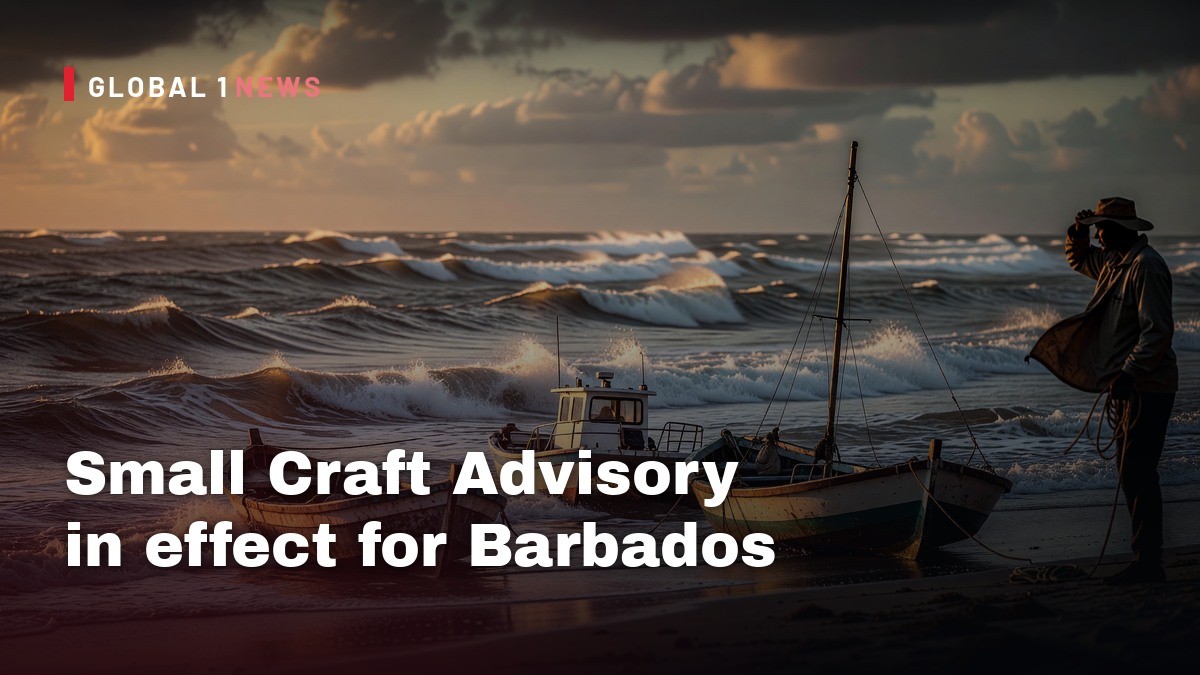
Barbados is under a Small Craft Advisory as the island braces for a bout of stronger winds and choppy seas that could make life a little rougher for fishermen, boat‑tour operators and anyone planning a dip in the surf. The Barbados Meteorological Services (BMS) issued the warning on Wednesday evening, and it will stay in force until midday on Saturday, 14 November, unless the weather eases sooner. While the advisory is a routine safety measure, it carries particular weight for our Caribbean neighbours, who rely heavily on small‑craft fishing and tourism to keep the local economies ticking.
What the advisory means for small‑craft operators
The BMS forecast calls for wind speeds to climb from a moderate 15‑20 knots to a more robust 20‑25 knots, pushing sea swells up to about 2.5 metres. For a modest fishing boat or a catamaran ferry, that kind of swell can turn a routine outing into a hazardous venture. The service has urged operators to exercise heightened caution, especially those venturing into open water where the waves can be unforgiving.
In practical terms, this means many local fishers may decide to stay in harbour until the winds subside, potentially delaying catches that feed families and supply markets across the island. Tour operators offering glass‑bottom boat rides or sunset cruises are also likely to postpone trips, which could dent daily earnings. The advisory’s timing—spanning the busy weekend—adds a layer of inconvenience, as many tourists plan their water‑based activities for Saturday afternoons.
Impact on beachgoers and coastal recreation
Visitors and locals alike are being reminded to stay vigilant on the beaches. While the advisory does not ban swimming, the larger open‑water swells can create strong undertows and sudden rip currents that catch even seasoned swimmers off guard. The BMS’s recommendation to exercise caution is a clear signal that the sea will be less forgiving than usual.
For families planning a day at Carlisle Bay or the famed south‑coast beaches, the advisory suggests keeping a close eye on the surf conditions and perhaps opting for shoreline activities—building sandcastles, beach volleyball, or simply soaking up the sun—rather than venturing too far out into the water.
Regional context: how Caribbean islands handle similar weather patterns
Barbados is not alone in grappling with sudden wind shifts that whip up rough seas. Across the Caribbean, from the wind‑swept coasts of Trinidad and Tobago to the bustling harbours of Jamaica, small‑craft advisories are a familiar part of maritime life. In Trinidad, for instance, the Meteorological Service often issues similar warnings during the dry season when the trade winds pick up, prompting fishermen to secure their boats and adjust their routes.
These advisories are part of a broader regional strategy to safeguard lives and livelihoods against the capricious nature of Atlantic weather systems. The shared experience underscores the importance of regional cooperation through bodies like CARICOM, where meteorological data is exchanged to provide timely warnings across the archipelago.
Economic ripple effects: fishing, tourism and the cost of living
When the sea turns choppy, the knock‑on effects can be felt beyond the immediate safety concerns. Small‑scale fishers, who often operate on thin profit margins, may lose a day’s catch, tightening already strained household budgets. In a year where the cost of living in Trinidad and across the Caribbean continues to climb, any loss of income can be keenly felt.
Tourism operators, too, may see a dip in bookings for water‑based activities. While many visitors will still enjoy the island’s vibrant culture—Carnival preparations, local cuisine, and historic sites—the loss of a boat tour or a fishing excursion can shave a few dollars off the average tourist spend, a factor that matters for an economy heavily reliant on visitor dollars.
Safety measures and community response
Local authorities have been quick to disseminate the advisory through radio, social media and community bulletin boards. In past incidents, neighbourhood watch groups and fishing cooperatives have rallied to ensure that smaller vessels are securely moored and that any at‑sea crews are accounted for. This communal vigilance is a hallmark of Caribbean island life, where neighbours often look out for one another in the face of natural challenges.
Community leaders are also encouraging boat owners to double‑check safety equipment—life jackets, flares and radios—before setting out. The emphasis is on preparedness, ensuring that if a vessel does get caught in unexpected swell, the crew has the tools needed to signal for help and stay afloat.
Looking ahead: what the forecast says for the coming week
The BMS notes that wind speeds are expected to ease back down to around 15 knots over the weekend, with sea swell heights improving early next week. This suggests that the advisory could be lifted before the weekend’s end, allowing normal marine activities to resume. However, the service cautions that conditions will be monitored closely, and the advisory could be extended if the wind does not subside as anticipated.
For those planning longer‑term trips or fishing expeditions, the advice is to keep an eye on daily updates from the BMS and to remain flexible with itineraries. The Caribbean’s weather can be fickle, and a quick shift from calm to choppy can happen in a matter of hours.
Practical tips for navigating the advisory
For boat owners and beachgoers alike, a few practical steps can make a big difference. First, check the latest BMS bulletins before heading out—these are posted online and broadcast on local radio stations. Second, ensure that any small craft is securely tied up to a sturdy mooring point, using extra lines if the wind is expected to be on the higher side of the forecast.
Third, if you must venture out, travel with a companion vessel when possible, and keep a handheld VHF radio tuned to the local distress channel. Finally, for swimmers, stay within designated safe zones and heed any lifeguard warnings. By taking these precautions, the community can enjoy the sea’s bounty while staying safe, even when the winds decide to turn a bit more lively.
This article was produced with AI-assisted research and editorial support. Reporting is based on the source material cited below. Sources: Barbados Today; barbadostoday.bb; Global1.News (12 November 2026).
By Sharon Sahatoo, Staff Writer
What's Your Reaction?
 Like
0
 Dislike
0
 Love
0
 Funny
0
 Wow
0
 Sad
0
 Angry
0

Caribbean Correspondent at Global1.News. Based in Port of Spain, Trinidad, covering Caribbean politics, economy, energy, climate, and culture. Amplifying the voices and stories of the Caribbean region.











Comments (0)